
Keeping your Camp Chef pellet grill clean is not just about looks—it’s essential for performance, food safety, and the life of your grill. Many grill owners enjoy the rich, smoky flavor from these grills, but few realize how much cleaning impacts both taste and safety. When grease, ash, and food build up inside, your grill can smoke poorly, create flare-ups, or even break down earlier than expected.
Many people think cleaning a pellet grill is a difficult task, but with the right steps, it’s straightforward and even satisfying. This guide will walk you through everything you need to know, from basic cleaning to deep maintenance, using a clear, step-by-step approach.
You’ll find practical advice, common mistakes to avoid, and even a few pro tips to help you get the most from your Camp Chef pellet grill.
Why Cleaning Your Camp Chef Pellet Grill Matters
A clean grill works better. When you use your pellet grill, grease, ash, and food debris build up over time. This buildup causes a few problems:
- Uneven heating: Debris blocks airflow, causing hot and cold spots.
- Off flavors: Old grease and burnt food create strange tastes.
- Fire hazards: Too much grease can cause dangerous flare-ups.
- Shorter grill life: Dirt and ash corrode parts and cause breakdowns.
- Food safety: Old food bits can lead to bacteria and illness.
Camp Chef recommends regular cleaning, not just for taste, but also for your safety and the grill’s life span. Skipping cleaning can even void your warranty if a breakdown happens due to neglect.
What You Need: Tools And Supplies
Before starting, gather everything you’ll need. Having supplies ready makes the process smoother.
Basic Tools:
- Grill brush or scraper (nylon or brass bristle, not steel)
- Shop vacuum or ash vacuum
- Soft cloths or paper towels
- Bucket of warm, soapy water (mild dish soap)
- Putty knife or plastic scraper
- Toothbrush or small brush
- Gloves (optional, for greasy jobs)
Recommended Cleaners:
- Food-safe degreaser (never use oven cleaner)
- White vinegar (for natural cleaning)
- Stainless steel cleaner (for exterior)
Extras for Deep Cleaning:
- Grill-safe spray bottle
- Microfiber towels
- Replacement drip tray liners or foil
Pro tip: Never use harsh chemicals, steel wool, or high-pressure water on your grill—they can damage the finish and parts.
How Often Should You Clean Your Camp Chef Pellet Grill?
Not all parts need cleaning at the same time. Here’s a general schedule:
| Part | Light Cleaning | Deep Cleaning |
|---|---|---|
| Cooking Grates | Every cook | Every 5-10 cooks |
| Drip Tray | Every 2-3 cooks | Monthly |
| Fire Pot & Ash | Every 3-5 cooks | Monthly |
| Exterior | Weekly | Seasonally |
| Chimney | Monthly | Seasonally |
If you smoke fatty foods (like pork shoulder), clean more often. If you grill a lot in one week, check for buildup early.
Pre-cleaning Steps: Preparation Is Key
Cleaning is easier if you prepare. Here’s how to start:
- Turn off and unplug the grill. Let it cool completely. Never clean a hot grill.
- Remove pellets from the hopper if doing a deep clean. This keeps them dry and fresh.
- Open the lid and inspect. Remove any large food bits with tongs.
- Lay out your tools nearby. Wear gloves if you prefer.
For outdoor cleaning, choose a shaded area to prevent cleaners from drying too fast.
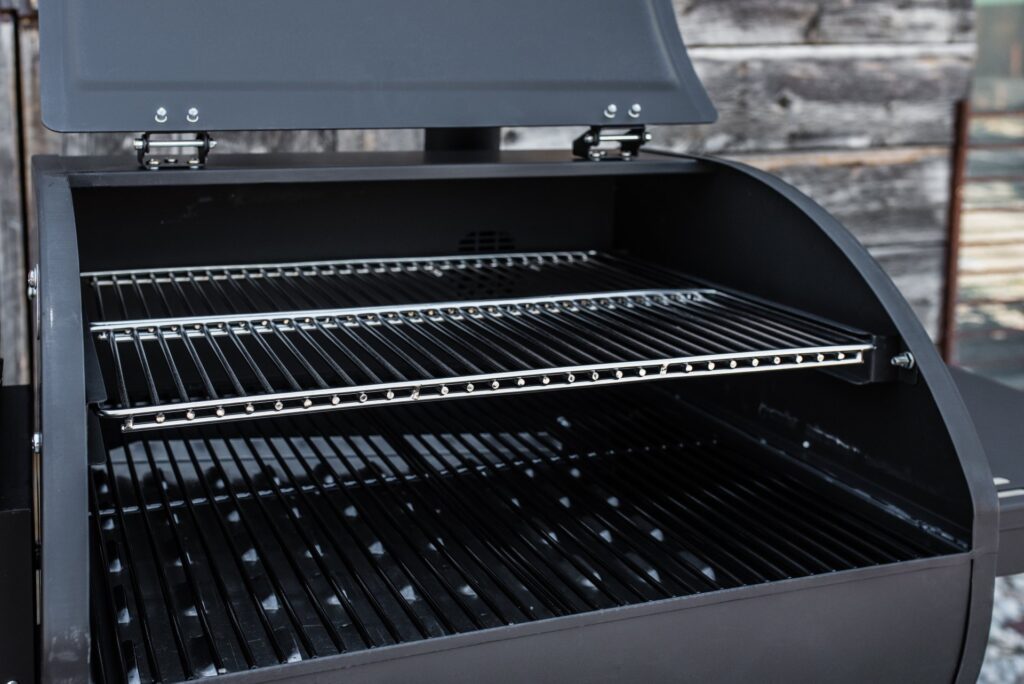
Credit: campchef.com.au
Step-by-step Cleaning Process
1. Cleaning The Cooking Grates
The grates touch your food, so they need the most attention.
- After Each Cook: While the grates are still warm (not hot), brush off food bits with a grill brush. For stubborn spots, use a damp cloth or paper towel.
- Deep Clean: Remove the grates. Wash with warm, soapy water and a non-abrasive sponge. Rinse well and dry fully before replacing.
Non-obvious insight: If your grates are coated (porcelain or enamel), avoid metal brushes. Use nylon or brass to keep the surface smooth and rust-free.
2. Drip Tray And Grease Management
The drip tray catches grease and keeps your grill safe from flare-ups.
- Basic Clean: Scrape grease and debris into a bucket using a putty knife.
- Full Clean: Remove the tray. Line it with foil or use disposable liners for easier cleaning next time. Wash with soapy water, rinse, and dry.
Check the grease bucket or cup and empty it. Wash it out to prevent odors and pests.
Pro tip: Don’t let foil or liners cover airflow holes—this can cause uneven cooking.
3. Ash And Fire Pot Cleaning
Pellet grills make ash that collects under the fire pot and in the bottom.
- Ash Removal: Use a shop vacuum or ash vacuum to suck out ash from the fire pot and grill base. Do not use a household vacuum—ash particles are too fine.
- Fire Pot: Scrape off buildup gently with a brush or putty knife.
Too much ash can choke the fire, causing temperature swings or shutdowns.
4. Cleaning The Heat Deflector And Interior Surfaces
The heat deflector spreads heat evenly. Grease and soot build up here.
- Remove the deflector plate and scrape off the grease.
- Wash with warm, soapy water and a sponge. Rinse and dry.
- Wipe down the inside walls of the grill with a damp cloth. For tough spots, use a little vinegar.
Don’t worry if the interior stays a bit stained—this “seasoning” protects metal and boosts flavor.
5. Cleaning The Chimney
A blocked chimney causes poor airflow and smoke problems.
- Remove the chimney cap.
- Scrape or brush away soot and buildup. Wipe with a damp cloth.
- Reattach the cap.
Check the gasket and seals for damage—replace if cracked.
6. Cleaning The Exterior
Wipe the outside with a damp cloth and mild soap. For stainless steel, use a special cleaner to keep it shiny.
Dry all parts completely before closing the lid. Water left inside can cause rust.
7. Reassembly
Put all parts back in the reverse order you removed them. Make sure everything fits snugly.
- Replace the grates, drip tray, heat deflector, and chimney cap.
- Double-check the grease bucket is in place.
Plug the grill back in, add pellets, and run it empty at high heat for 10–15 minutes. This burns off any leftover cleaner smells.
Deep Cleaning: When And How
Every 2–3 months, or after heavy use, do a deep clean.
- Disassemble all removable parts.
- Soak grates, drip tray, and heat deflector in hot, soapy water for 30 minutes.
- Clean the inside walls and lid with a food-safe degreaser.
- Use a toothbrush for small, hard-to-reach areas.
- Check the pellet hopper for dust and wipe out.
- Inspect wires and electronics for grease or damage.
Non-obvious insight: Pellet dust in the hopper can cause jams or moisture problems. Always check and clean the hopper if you see fine sawdust.
Common Mistakes To Avoid
Beginners often make these errors:
- Using harsh chemicals: These can damage grill coatings and leave behind dangerous residue.
- Skipping the ash: Even if the grill looks clean, ash buildup below the fire pot causes big problems.
- Covering airflow holes with foil: This blocks heat and creates cold spots.
- Not drying parts: Moisture leads to rust and mold.
- Neglecting the grease system: Blocked grease paths cause flare-ups and mess.
Troubleshooting: If Your Grill Has Issues
After cleaning, sometimes new problems pop up. Here’s how to handle them:
- Temperature swings: Check for leftover ash or blocked airflow. Make sure all parts are seated correctly.
- Weird smells or tastes: Run the grill empty at high heat for 15 minutes to burn off residue.
- Startup errors: Check the fire pot and hopper for blockages. Make sure the hot rod (igniter) is clean and working.
- Excess smoke: Clean the chimney and check for soot buildup.
If problems persist, consult the Camp Chef manual or reach out to their support team.
Tips To Make Cleaning Easier Next Time
- Use drip tray liners or heavy-duty foil to catch grease.
- Brush grates after each cook, not just during big cleanings.
- Store your grill under a cover to keep dirt and rain out.
- Empty the grease bucket after every long cookout.
- Keep pellets dry and clean to prevent dust and jams.
Comparing Camp Chef Pellet Grill Cleaning To Other Brands
How does cleaning a Camp Chef pellet grill compare to popular brands like Traeger or Pit Boss? Here’s a quick look:
| Feature | Camp Chef | Traeger | Pit Boss |
|---|---|---|---|
| Easy Ash Cleanout | Yes (dedicated system) | No | Some models |
| Removable Drip Tray | Yes | Yes | Yes |
| Interior Access | Wide opening | Medium | Medium |
| Hopper Cleanout | Yes | Some models | Some models |
Camp Chef’s ash cleanout system is a standout. It lets you empty ash without taking the grill apart, making regular cleaning simpler than some competitors.

Credit: www.youtube.com
When To Call A Professional
Most cleaning is easy to do at home. But call a pro or Camp Chef service if:
- You see large rust spots or holes.
- The electronics get wet and won’t start.
- The auger jams and won’t move, even after cleaning.
- There’s a strong gas or burning smell that doesn’t go away.
A technician can safely repair or replace parts, keeping your grill working for years.
Safety Precautions
- Always unplug the grill before cleaning.
- Let hot parts cool fully.
- Wear gloves for greasy jobs.
- Keep water away from wires and electronics.
- Store cleaners away from children and pets.
Cleaning Before And After Storage
If you’re not using your grill for weeks or months, do a full clean first. Remove all pellets (they absorb moisture and can rot). Wipe all surfaces dry. Store with the lid closed and under a cover.
When you’re ready to use it again, check for dust, bugs, and rust before cooking.
How Clean Grills Improve Flavor And Performance
A clean Camp Chef pellet grill gives you:
- Better tasting food: No burnt grease or old smoke flavors.
- More even heat: Less ash and debris means steady temperatures.
- Faster preheating: Clean grills heat up more quickly.
- Fewer flare-ups: Grease and soot are less likely to catch fire.
Over time, you’ll also spend less on repairs and enjoy a grill that lasts much longer.
Environmental Considerations
Dispose of ashes and grease safely. Ash can be added to compost (if pure wood), but grease should be thrown away in a sealed container. Don’t pour grease down the drain—it clogs pipes and harms the environment.
If you use natural cleaners like vinegar, you reduce chemical waste and keep your grill safer for cooking.
Seasoning Your Grill After Cleaning
After a deep clean, it’s smart to “re-season” your grill. Wipe a thin layer of cooking oil on the grates and interior metal parts. Run the grill at 350°F (175°C) for 30 minutes. This protects the metal and adds non-stick qualities.
What To Do If You Miss Regular Cleaning
If your grill is very dirty, don’t panic. You may need to soak parts longer and use a bit more elbow grease, but you can restore almost any grill. Focus on removing grease and ash first, then wipe down other areas.
If you see rust, scrub with a non-metal brush and re-season.
Extra Tips For Camp Chef Models
- Woodwind and SmokePro models: Use the ash cleanout knob every few cooks.
- WiFi models: Avoid spraying water near electrical panels.
- Sidekick attachments: Remove and clean separately. Wipe connection points.
- Hopper windows: Wipe gently with a soft cloth—scratches make it hard to see pellet levels.
If you ever lose your manual, download a copy from Camp Chef’s official site for model-specific instructions.

Credit: www.bbqguys.com
How To Store Cleaning Supplies
Keep your grill cleaning kit in a dry place, away from pets and kids. Store brushes, liners, and cleaners together so you don’t forget what you need.
Replace brushes when the bristles wear out—a worn brush can scratch or leave metal bits behind.
Frequently Asked Questions
How Often Should I Deep Clean My Camp Chef Pellet Grill?
Deep cleaning is recommended every 2–3 months, or after heavy grilling sessions. If you grill often or smoke fatty foods, clean more frequently to prevent buildup and keep your grill running smoothly.
What’s The Best Way To Remove Stubborn Grease?
Soak greasy parts in hot, soapy water for at least 30 minutes. Use a food-safe degreaser for tough spots. A plastic scraper or putty knife helps lift dried grease without damaging the metal.
Can I Clean The Inside With A Pressure Washer?
No, never use a pressure washer inside your pellet grill. The high force can damage wires, seals, and metal finishes. Always use gentle, manual methods like brushes and cloths.
Is It Okay To Leave Pellets In The Hopper Between Cooks?
For short gaps (a few days), it’s usually fine. For longer storage or humid weather, remove pellets to prevent moisture problems and jams. Pellet quality drops quickly if they get damp.
Where Can I Find Official Cleaning Guidance?
Visit the Camp Chef Cleaning Tips page for the latest advice and model-specific instructions.
A clean grill makes every meal taste better and keeps your Camp Chef pellet grill working for years. With the right routine, cleaning is quick, safe, and even enjoyable—so you can focus on what matters: great food and good company.