
Cleaning a hot plate BBQ might sound simple, but doing it right makes a big difference in flavor, safety, and the life of your grill. Many people only wipe the surface and think it’s enough. But a truly clean hot plate BBQ means better-tasting food and fewer flare-ups.
If you want to keep your BBQ working well for years, it’s important to know the best methods, tools, and timing for cleaning it. This guide explains every step, offers expert tips, and covers common mistakes so you can clean your hot plate BBQ like a pro—even if you’re a beginner.
Why Cleaning A Hot Plate Bbq Matters
A hot plate BBQ, sometimes called a flat top grill, is a popular tool for outdoor cooking. Over time, grease, burnt food, and carbon build up on the plate. This affects the taste of your food and can make the BBQ less safe to use.
If you let grime stay, it can even damage the surface and shorten the BBQ’s life.
Food residue can cause smoke and unpleasant flavors. Built-up grease may catch fire, creating dangerous flare-ups. A dirty plate can also attract pests or bacteria, which is a health risk. Regular cleaning is not just about looks—it’s about safety, good cooking, and protecting your investment.
Understanding Your Hot Plate Bbq
Before you start cleaning, it’s smart to know what kind of hot plate BBQ you have. Materials, size, and design all affect how you should clean it.
Most hot plate BBQs are made from:
- Cast iron
- Stainless steel
- Enamel-coated steel
Each material has unique needs. For example, cast iron can rust if not dried well, while enamel-coated plates are easier to wipe but can chip if you use harsh tools. Always check the manufacturer’s guide if you’re unsure.
Common Types And Their Features
Here’s a quick look at material differences:
| Material | Pros | Cons |
|---|---|---|
| Cast Iron | Great heat retention, creates even sear | Can rust, needs seasoning |
| Stainless Steel | Easy to clean, resists rust | Can discolor, less non-stick |
| Enamel-Coated | Simple to wipe, resists sticking | Chips easily, can lose coating |
Knowing your plate’s material helps you choose the right cleaning products and tools.
Tools And Products You Need
Cleaning a hot plate BBQ doesn’t require fancy or expensive tools. But using the wrong items can scratch or damage the surface. Always use tools that match your BBQ’s material.
Basic cleaning tools:
- Grill scraper (flat or angled)
- Non-scratch sponge or scouring pad
- Microfiber cloth or paper towels
- Mild dish soap
- Bucket of warm water
- Vegetable oil (for seasoning)
- Plastic scraper (for enamel plates)
- Heat-resistant gloves
Optional extras:
- Grill cleaning stone (for tough grime)
- Stainless steel brush (only for non-coated steel)
- Spray bottle with water or vinegar
- Steam cleaner (for deep cleaning)
Never use steel wool or abrasive brushes on enamel-coated or non-stick surfaces.
When And How Often To Clean
One key to a long-lasting hot plate BBQ is regular cleaning. But how often should you do it?
- Light clean: After every use (5–10 minutes)
- Deep clean: Every 5–10 uses or every month if you grill often
- Seasoning: After every deep clean or as needed
If you cook sticky foods (like marinated meats or BBQ sauce), you may need to clean more often. If you see black flakes, smell burnt oil, or notice rust, it’s time for a deep clean.
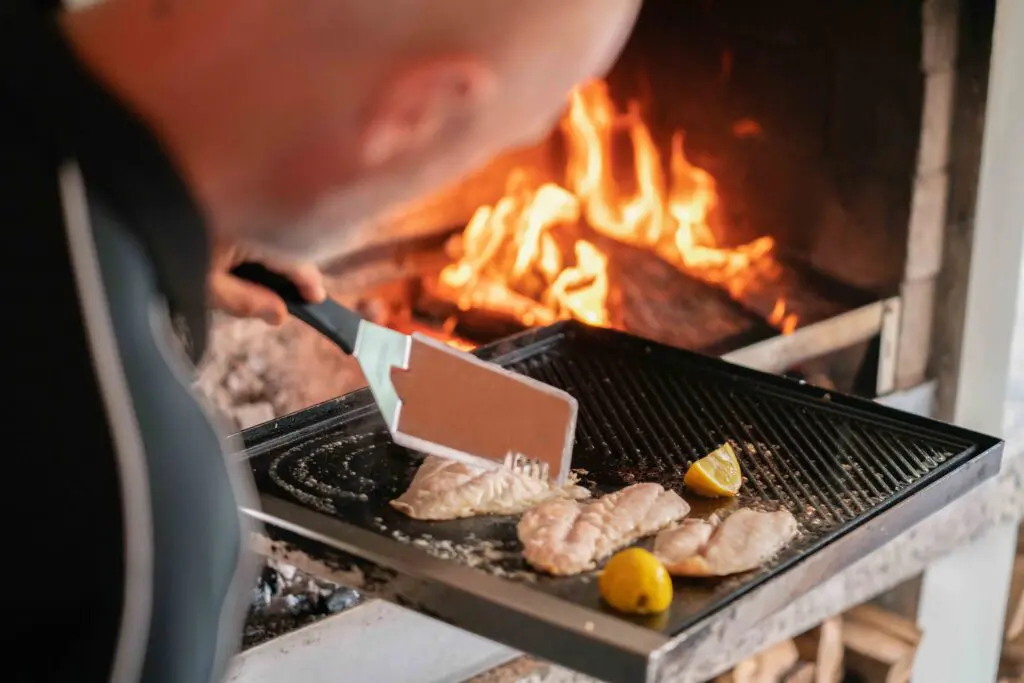
Credit: flarefires.com
Step-by-step: Light Cleaning After Each Use
A quick clean after cooking keeps your BBQ ready for next time and prevents build-up. Here’s how to do it efficiently:
- Let the plate cool a bit but keep it warm (not hot). This helps loosen grease without burning your hands.
- Scrape off food bits using a grill scraper. Move from the back of the plate toward the grease tray.
- Wipe with a damp cloth or paper towel to remove grease and crumbs. For stubborn spots, use a non-scratch sponge.
- Dry the surface with a clean towel. Water left on the plate, especially cast iron, can cause rust.
- Apply a thin layer of oil (for cast iron or plain steel). Use a paper towel to spread vegetable oil evenly. This prevents rust and keeps the plate non-stick.
Extra tip: Do not pour cold water on a hot plate. It can warp the metal or crack enamel.
Step-by-step: Deep Cleaning Your Hot Plate Bbq
Even if you clean after each use, a deep clean is needed sometimes. Here’s a thorough method that works for most BBQs:
1. Heat To Loosen Grime
Turn the BBQ on high for 5–10 minutes. This burns off leftover grease and makes sticky bits easier to remove. Turn off and let it cool until it’s safe to touch with gloves.
2. Scrape Thoroughly
Use your grill scraper to push all burnt food, grease, and carbon toward the drip tray. Be gentle on coated surfaces.
3. Wash The Surface
Mix warm water with a few drops of mild dish soap. Dip your non-scratch sponge or cloth, wring it out, then scrub the plate. For stubborn stains, try a grill cleaning stone or a mix of baking soda and water.
If your hot plate is removable, you can take it off and soak in warm, soapy water for 10–15 minutes. This makes deep cleaning easier.
4. Rinse And Dry
Wipe the plate several times with a clean, damp cloth to remove any soap residue. Then, dry thoroughly with a towel. Never leave water sitting on the plate.
5. Re-season (for Cast Iron Or Steel)
After deep cleaning, you must re-season the plate to protect it:
- Pour a small amount of vegetable oil on the clean, dry plate.
- Use a paper towel to spread oil evenly over the surface.
- Heat the BBQ for 10–15 minutes until the oil smokes lightly.
- Turn off and let it cool. The surface should look shiny, not sticky.
Skipping seasoning is a common beginner mistake that leads to rust and sticking.
Cleaning The Rest Of Your Bbq
It’s easy to focus only on the hot plate, but other parts matter, too:
- Grease tray: Empty and wash every few cooks. Grease buildup can catch fire.
- Burners: Check for clogs. Use a toothpick or wire to clear holes (when cool).
- Body and frame: Wipe with soapy water and dry to prevent rust.
- Knobs and controls: Remove and clean if possible.
If your BBQ has a hood or lid, clean the inside to remove smoke stains and drips.
Special Cleaning Situations
Sometimes, you’ll face unusual challenges. Here’s how to handle them:
Burnt-on Carbon
If black, hard carbon forms, use a grill cleaning stone or a special BBQ scraper. For very tough spots, make a paste of baking soda and water, apply, let sit for 10 minutes, and scrub.
Rust
Rust can ruin a hot plate. For light rust, scrub with a mixture of vinegar and baking soda. For heavy rust, use fine sandpaper, but only on cast iron or plain steel. Always re-season after removing rust.
Sticky Residue
Sticky spots often come from sugary marinades. Use hot water and a little vinegar, then scrub gently.
Mold
If your BBQ has not been used for a long time and mold appears, clean with hot, soapy water, then heat the BBQ for 20 minutes to kill any remaining spores.
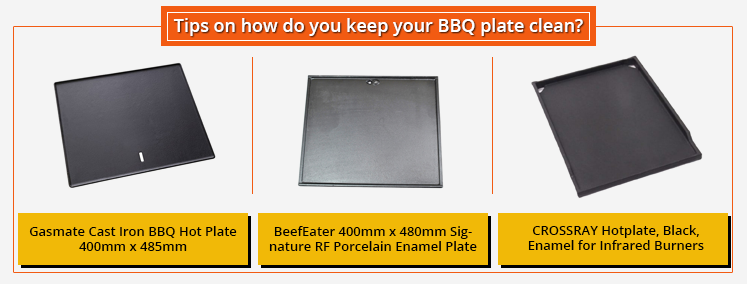
Credit: www.bibliotecaoscura.com
Safe Cleaning Products And What To Avoid
Always choose products safe for food surfaces. Avoid oven cleaners, bleach, or harsh chemicals. These can leave residues that affect taste and may be unsafe.
Safe choices:
- Mild dish soap
- White vinegar
- Baking soda
- Vegetable oil (for seasoning)
Never use: Steel wool (except on uncoated cast iron), bleach, or cleaners not labeled safe for grills.
How To Season Your Hot Plate Bbq
Seasoning is a special process that creates a thin, non-stick, rust-proof layer. It’s essential for cast iron and plain steel plates.
Steps to season:
- Clean and dry the plate fully.
- Pour a little vegetable oil on the surface.
- Use a paper towel to coat the plate with a thin, even layer.
- Heat the BBQ until the oil smokes gently (about 10–15 minutes).
- Let cool. Wipe off any extra oil.
Non-obvious tip: Season the underside and edges of the plate, too—these areas can rust if ignored.
How To Store Your Hot Plate Bbq
Proper storage keeps your BBQ clean and ready to use. After cleaning and seasoning:
- Cover your BBQ with a weatherproof cover.
- Store in a dry place, away from rain and humidity.
- If your area is very humid, place silica gel packets or rust inhibitor blocks inside.
Leaving a BBQ uncovered is a top reason for rust and pests.
Comparing Cleaning Methods
Different cleaning methods suit different situations. Here’s a comparison of the most common:
| Method | Best For | Time Needed | Risks |
|---|---|---|---|
| Scraper and Sponge | Everyday use | 5–15 min | Minimal, avoid scratching |
| Soaking in Soapy Water | Removable plates, deep clean | 30 min | Rust if not dried well |
| Grill Cleaning Stone | Heavy carbon build-up | 10–20 min | Can wear coating if overused |
| Vinegar and Baking Soda | Rust, sticky residue | 20–30 min | Must rinse well |

Credit: www.youtube.com
Common Mistakes To Avoid
Many people make simple mistakes when cleaning their hot plate BBQ. Avoid these for best results:
- Using too much water: Excess water can cause rust, especially on cast iron.
- Skipping seasoning: This leads to sticking and rust.
- Using harsh chemicals: These can damage the surface and affect food safety.
- Not drying completely: Even a little moisture can cause rust.
- Using metal brushes on enamel: This scratches and chips the coating.
- Cleaning when too hot: Sudden temperature changes can warp or crack the plate.
- Forgetting the grease tray: Overflowing trays can cause fires.
Expert tip: Always clean the BBQ while it’s warm, not hot or cold, for best results.
How To Keep Your Bbq Clean Longer
A few simple habits can make cleaning easier each time:
- Use a drip tray liner (like aluminum foil) for easy grease disposal.
- Oil the plate lightly before and after cooking to prevent sticking.
- Avoid sugary sauces until the end of cooking—they burn easily.
- Wipe spills as soon as possible.
Non-obvious insight: Cooking fatty foods (like bacon) can actually help re-season your plate naturally.
Environmental And Health Considerations
Cleaning a BBQ creates waste, like grease and dirty water. Here’s how to minimize harm:
- Dispose of grease in the trash, not the sink—it can block pipes.
- Use eco-friendly, biodegradable soaps.
- Reuse old towels or rags instead of paper towels.
- Avoid chemical cleaners that can enter soil or water.
Food safety is also important. Always clean before and after cooking, especially if you grill raw meat.
Troubleshooting: If Your Hot Plate Bbq Still Looks Dirty
Sometimes, even after cleaning, your plate might look stained or dull. This is normal for well-used BBQs. As long as there’s no loose food, sticky grease, or rust, it’s safe to cook. Over time, the plate develops a seasoned look—a smooth, dark finish.
This is a sign of a well-cared-for hot plate.
If there are sticky or flaky bits, repeat the deep cleaning steps. If rust returns quickly, check your seasoning method or storage conditions.
When To Replace Your Hot Plate
A good hot plate can last many years with care. Replace your plate if:
- There are deep cracks or warping that affect cooking.
- The enamel coating is flaking off in large pieces.
- Rust cannot be removed, and the plate feels rough or pitted.
- There’s a bad smell after thorough cleaning and seasoning.
For replacement parts, always use the brand recommended by your BBQ manufacturer.
Extra Tips For A Perfectly Clean Hot Plate Bbq
- Clean tools right after use. A scraper or stone works best when food is still warm.
- Keep a separate set of cleaning tools for your BBQ. Don’t use kitchen sponges, which may carry soap or chemicals.
- Check for loose screws or worn seals while cleaning. This prevents gas leaks or other problems.
- If you’re new to BBQ cleaning, watch a video from your BBQ’s brand for extra guidance.
For more tips on BBQ maintenance, you can check resources like Weber’s official cleaning guide.
Frequently Asked Questions
How Often Should I Clean My Hot Plate Bbq?
For best results, do a light clean after every use and a deep clean every 5–10 uses. If you grill often or cook sticky foods, clean more frequently.
What Oil Is Best For Seasoning The Hot Plate?
Use a high-smoke point oil like vegetable oil, canola oil, or grapeseed oil. Olive oil is not recommended as it can burn and create sticky spots.
Can I Use Vinegar To Clean A Hot Plate Bbq?
Yes, vinegar mixed with water helps remove rust and sticky residue. Rinse well and dry completely after using vinegar.
What Should I Do If My Bbq Plate Is Rusty?
Remove surface rust with vinegar and baking soda or fine sandpaper (for cast iron or steel). Always re-season the plate after removing rust.
Are There Any Cleaning Products I Should Avoid?
Avoid oven cleaners, bleach, and steel wool on coated plates. These can damage the surface and leave unsafe residues.
Keeping your hot plate BBQ clean is not just a chore—it’s the secret to better meals and a longer-lasting grill. With the right tools, regular care, and these expert tips, your BBQ will be ready for any cookout, year after year.