
Raspberries are a favorite summer fruit for many people. Their sweet, slightly tart taste makes them perfect for breakfast, dessert, or just a healthy snack. But anyone who has bought a box of fresh raspberries knows they are also delicate and spoil quickly if not handled with care.
Learning how to properly clean and store raspberries can help you enjoy their flavor longer and prevent unnecessary waste. In this guide, you will discover not only how to wash raspberries without ruining them, but also the best storage methods, tips for freezing, and answers to common questions.
Let’s make sure your raspberries stay fresh, delicious, and safe to eat!
Why Raspberries Need Special Care
Raspberries are different from many other berries. They have a soft structure and tiny hollow core, which makes them easy to crush. Their skin is thin and covered with small hairs that can trap dirt, mold spores, or insects. Unlike apples or grapes, raspberries do not have a thick protective layer.
This is why they spoil so quickly—sometimes within a day or two if not stored right.
Another challenge is their high water content—raspberries are about 86% water. This means they can turn mushy if washed incorrectly or kept in humid conditions. Also, their many small drupelets (the little round balls that make up each berry) provide lots of hiding places for bacteria or mold to grow.
Fresh raspberries are healthy. They are high in vitamin C, fiber, and antioxidants like ellagic acid. But their freshness is short-lived unless you know how to handle them. With the right cleaning and storage, you can keep raspberries fresh for 3-7 days instead of just 1-2 days.
Choosing The Best Raspberries
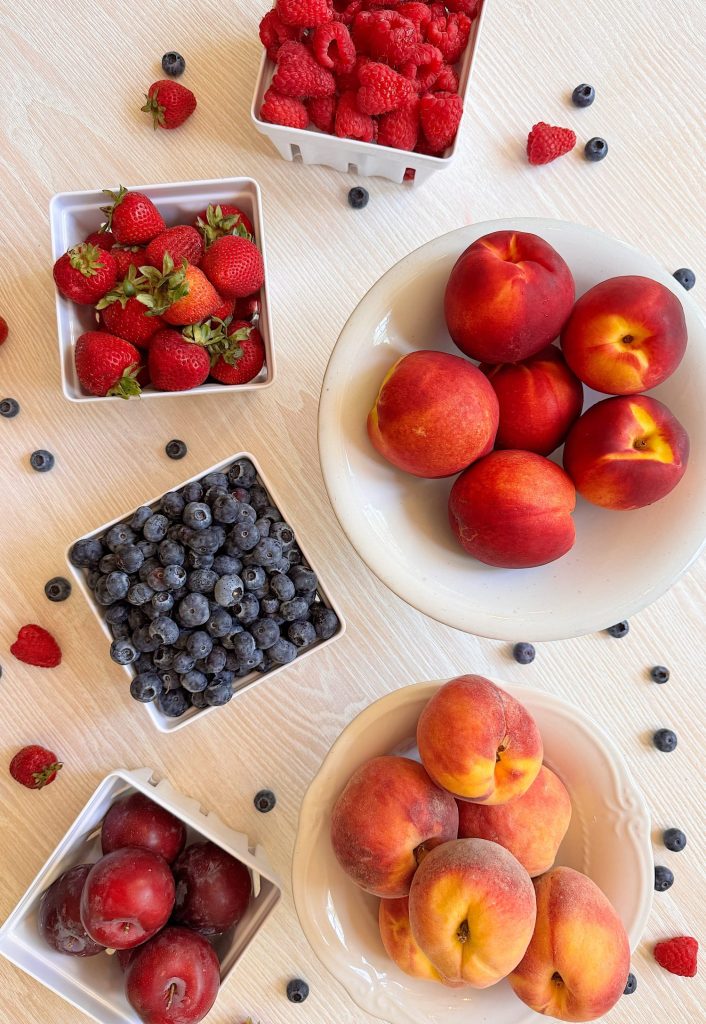
How you start matters. The quality of the raspberries you bring home will affect how long they last, even with perfect cleaning and storage.
- Check for Firmness: Good raspberries should be plump and firm, not mushy or leaking juice.
- Look for Bright Color: The color should be deep red (or yellow/black, for other varieties), with no green or white patches.
- Avoid Mold: Even a small patch of mold can spread quickly to the whole batch.
- No Crushed Berries: Raspberries at the bottom of a container can get squished—choose boxes with minimal damage.
- Check for Dryness: If there is a lot of moisture or juice in the container, the berries may already be starting to spoil.
Buying the best raspberries gives you a head start on keeping them fresh longer.
Credit: my100yearoldhome.com
How To Clean Raspberries Safely
Washing raspberries sounds easy, but doing it wrong can ruin them. Here’s how to wash raspberries so they stay firm, sweet, and safe to eat.
When To Wash Raspberries
The most important rule is: do not wash raspberries until you are ready to eat or use them. If you wash them before storing, the extra moisture will cause them to break down faster and grow mold.
The Right Way To Wash Raspberries
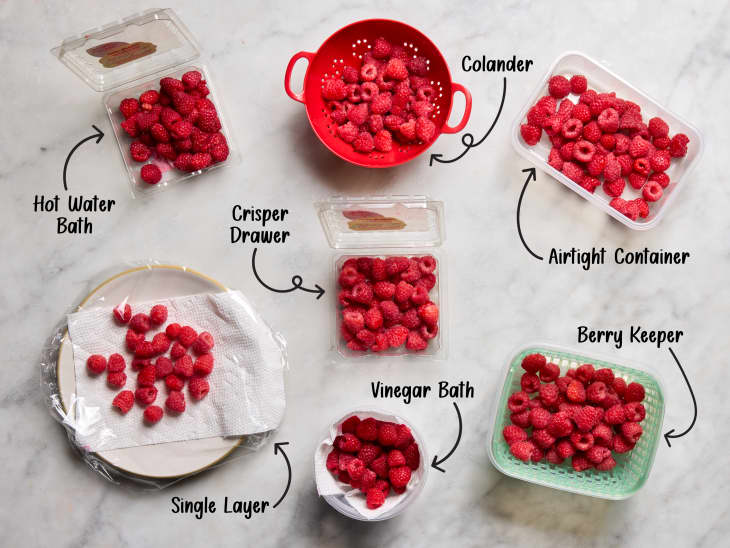
- Rinse Gently Under Cold Water: Place raspberries in a large colander or mesh strainer. Hold them under a gentle stream of cold water. Do not use hot water, as it will soften the berries.
- Do Not Soak: Never soak raspberries in a bowl of water. They will absorb water, become mushy, and lose flavor.
- Swirl Gently: To dislodge any dirt or tiny insects, gently shake or swirl the colander while rinsing.
- Drain Well: Shake off as much water as possible. Let them sit in the colander for a few minutes to drain.
- Dry Carefully: Lay the washed raspberries on a clean kitchen towel or paper towel. Pat them dry carefully with another towel. Do not rub, as this will crush the berries.
Vinegar Wash For Extra Cleanliness
Some people use a vinegar wash to kill mold spores and bacteria:
- Mix 1 part white vinegar with 3 parts water.
- Gently dip the raspberries for 10-20 seconds.
- Rinse under cold water to remove the vinegar taste.
- Drain and dry as usual.
This method can help extend shelf life by a day or two. The vinegar solution (about 0. 5% to 1% acetic acid) is strong enough to kill most germs but not harm the fruit if rinsed off.
What Not To Do
- Do not use soap or produce wash. These can leave residues and damage the flavor.
- Do not use strong water pressure. It can break the berries.
- Do not dry with heat (hairdryer, oven). This will cook or shrink the berries.
Storing Raspberries For Maximum Freshness
After cleaning, proper storage is the key to keeping raspberries fresh. Because they are fragile, the way you store them matters as much as how you wash them.
Short-term Storage (1-3 Days)
If you plan to eat the raspberries soon, keep them in the refrigerator.
- Remove Damaged Berries: Check for any berries that are mushy, leaking, or have mold. Remove them to prevent the rest from spoiling.
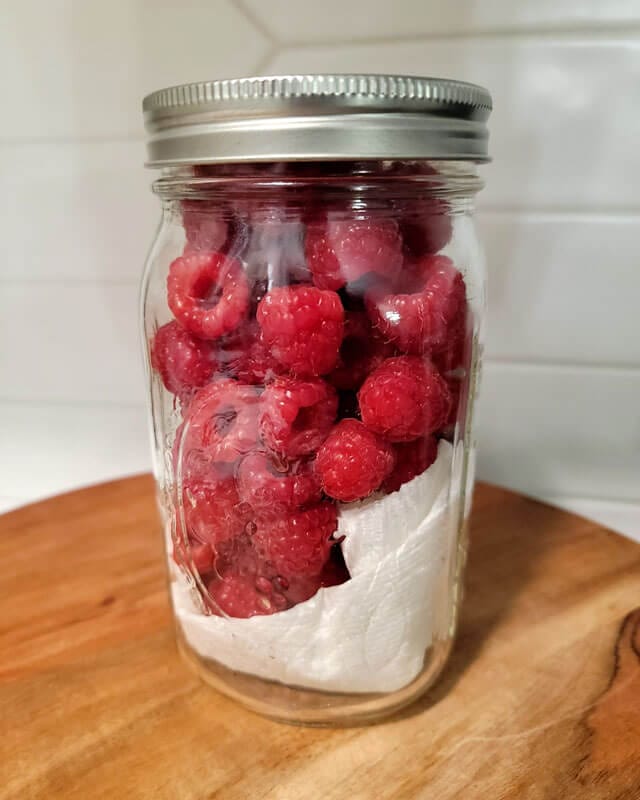
- Use a Shallow Container: Transfer raspberries to a shallow container lined with dry paper towels. This absorbs excess moisture and prevents the berries from sitting in their own juice.
- Single Layer is Best: Try not to stack raspberries too high. Two layers are okay, but more will crush the lower berries.
- Leave Container Slightly Open: Raspberries need some air flow. Close the lid loosely or use a container with small holes.
Example Refrigerator Setup
| Container Type | Layers of Berries | Expected Freshness |
|---|---|---|
| Original Store Box | 2-3 | 1-2 days |
| Shallow Container with Paper Towel | 1-2 | 3-4 days |
| Sealed Container (No Holes) | 2-3 | 1 day (risk of mold) |
This shows why moving raspberries to a dry, ventilated container is better than storing them in the original box.
Long-term Storage: Freezing Raspberries
If you have more raspberries than you can eat in a few days, freezing is the best way to keep them.
How To Freeze Raspberries
- Sort and Rinse: Pick out any bad berries. Rinse gently and dry completely.
- Arrange in a Single Layer: Place the berries on a baking sheet lined with parchment paper. Make sure they do not touch each other.
- Freeze Until Solid: Place the baking sheet in the freezer for 2-4 hours, until the berries are hard.
- Transfer to a Freezer Bag or Container: Put the frozen raspberries in a labeled, airtight freezer bag or container. Remove as much air as possible to prevent freezer burn.
- Return to Freezer: Store at -18°C (0°F) or colder.
Why Freeze In A Single Layer?
When you freeze raspberries in a single layer first, they do not stick together. This makes it easy to take out just what you need later. If you freeze them all together in a bag, you get one big frozen lump.
Storage Times For Frozen Raspberries
| Storage Method | Best Quality Time | Safe to Eat Until |
|---|---|---|
| Freezer Bag/Container (-18°C) | 8-12 months | Up to 18 months |
| Deep Freezer (-25°C) | 12-18 months | Up to 2 years |
Frozen raspberries are safe to eat for a long time, but their flavor and texture are best within the first year.
How To Use Frozen Raspberries
Frozen raspberries are softer than fresh when thawed, so they are best for:
- Smoothies
- Baking (muffins, cakes, pies)
- Sauces or jams
- Yogurt toppings
If you want to use them as a fresh snack, do not thaw completely. Eat them while still a little frozen for better texture.
Storing Raspberries Without A Refrigerator
If you have no fridge, keep raspberries in the coolest, driest place possible. They will only last 1-2 days at room temperature, even with perfect care.
- Spread berries in a single layer on a tray.
- Keep out of direct sunlight.
- Cover loosely with a clean cloth to keep out insects.
This is not ideal, but it is better than leaving them stacked in a plastic box.
Extending Raspberry Shelf Life: Advanced Tips
Most people lose raspberries to mold or mushiness. Here are some expert tips to avoid common mistakes and keep your berries fresh even longer.
1. Use A Vinegar Bath
As mentioned earlier, a vinegar bath removes mold spores and bacteria. It is safe, effective, and does not affect taste if rinsed off. This can extend shelf life by 1-2 days.
2. Let Berries Breathe
Raspberries need some air flow to prevent moisture buildup. Do not seal them tightly or use plastic wrap directly. Ventilated containers are best.
3. Watch For Ethylene
Some fruits and vegetables produce ethylene gas, which speeds up ripening and spoilage. Keep raspberries away from:
- Bananas
- Apples
- Avocados
- Tomatoes
Storing raspberries near these foods can make them spoil faster.
4. Avoid Washing Before Storage
This is the most common mistake. Moisture is the enemy of raspberries. Only wash what you will eat soon.
5. Replace Paper Towels
If you store raspberries for more than 2 days, check the paper towels in the container. Replace them if they get damp.
6. Use Berry-specific Containers
Special berry containers have small holes and a raised base. This keeps air moving and moisture away from the berries. They can be found online or in kitchen stores.
7. Freeze In Small Batches
Do not freeze a huge pile of raspberries together. Smaller batches freeze faster and stay separate, so you can use only what you need.
8. Label Everything
Always label freezer bags with the date. This helps you use the oldest raspberries first and avoid waste.
9. Inspect Daily
Check your stored raspberries once a day. Remove any berries that show signs of spoilage. One bad raspberry can ruin the whole batch.
10. Know When To Use Or Discard
If you see any white fuzz (mold), strange smells, or slimy texture, throw those berries away. Eating spoiled raspberries can cause stomach problems.
Raspberries For Cooking And Baking
Sometimes, raspberries get a little soft but are still safe to eat. These are perfect for cooking and baking. Here are some ways to use up raspberries before they go bad:
- Make raspberry jam or jelly.
- Add to muffins, pancakes, or cakes.
- Puree for sauces or salad dressing.
- Mix into yogurt or oatmeal.
- Blend for smoothies.
Soft berries are fine for these uses, as cooking will change their texture anyway.
Credit: www.thekitchn.com
Comparing Raspberry Storage Methods
Here’s a quick comparison to help you decide which storage method is best for your needs:
| Storage Method | Preparation Needed | Best For | Time Fresh | Notes |
|---|---|---|---|---|
| Unwashed in Fridge | Remove moldy berries | Fresh snacking | 2-3 days | Best flavor |
| Vinegar Wash & Fridge | Quick dip & rinse | Extra safety | 3-5 days | Keeps mold away |
| Freezing | Wash, dry, freeze | Long-term | 8-12 months | Great for baking |
| Room Temperature | Keep dry | No fridge available | 1-2 days | Spoils fast |
Common Mistakes When Cleaning And Storing Raspberries
Even experienced cooks make mistakes with raspberries. Avoiding these can save you time and money.
- Washing All at Once: Only wash what you need. The rest will last longer.
- Using High Water Pressure: Gentle rinse is best. Strong water will smash the berries.
- Ignoring Damaged Berries: One bad berry will ruin the rest.
- Sealing Without Airflow: Tightly closed containers trap moisture and cause mold.
- Forgetting to Check Daily: Spoilage spreads fast in raspberries.
- Leaving in Original Packaging: Store boxes are often damp or squished. Transfer to a better container.
Non-obvious Tips For Raspberries
People often overlook these ideas, but they make a real difference:
- Store with a Silica Gel Pack: Food-safe silica gel packs (like those in nori packages) can help absorb moisture and slow mold growth. Place one under the paper towel in your container (never touching the fruit).
- Rotate the Container: Gently shake or rotate the container daily to prevent moisture from pooling and berries from sticking together.
- Buy Local or Pick-Your-Own: Local raspberries often last longer because they are picked ripe and travel less. Store-bought berries may already be a few days old.
Sustainable Storage: Reducing Food Waste
Raspberries are an expensive fruit, and wasting them is costly. Proper cleaning and storage helps reduce food waste. If raspberries are about to spoil, use them in recipes or freeze them. Even slightly soft berries can be turned into syrup, jam, or fruit leather.
Composting spoiled raspberries is a good option if you cannot eat or cook them. Berries break down quickly and add nutrients to your compost pile.
For more tips on reducing fruit waste, check resources like EPA Food Recovery.
Credit: thecrosslegacy.com
Frequently Asked Questions
How Do I Know If Raspberries Are Still Good?
Fresh raspberries should be firm, dry, and bright in color. If they are mushy, leaking juice, or have white fuzzy spots (mold), they are no longer good. A sour or off smell is also a sign to throw them away.
Can I Wash Raspberries With Soap?
No, you should never wash raspberries or any fruit with soap. Soap can leave a residue that is not safe to eat and can affect the flavor. Use only cold water, or a dilute vinegar solution if you want extra cleaning.
Why Do Raspberries Spoil So Quickly?
Raspberries spoil fast because they are high in water, have delicate skin, and many small drupelets that trap moisture and bacteria. They also have no thick skin to protect them, so mold and bacteria can grow easily.
How Can I Store Raspberries For A Long Trip?
If you need to transport raspberries, keep them in a ventilated container in a cooler with an ice pack. Do not wash them until you arrive. Avoid stacking them too high or pressing them against the sides of the container.
Is It Safe To Eat Raspberries With Small Spots?
Tiny spots or bruises are not always dangerous, but any sign of white fuzz, strange smell, or slime means the berry is spoiled. If you are not sure, it is safer to throw away questionable raspberries to avoid illness.
Enjoying raspberries at their best is all about timing, gentle handling, and smart storage. With these methods, your berries can stay fresh, tasty, and safe for as long as possible. Whether you love them fresh, frozen, or in your favorite recipes, a little extra care goes a long way.