
Roaches are among the most dreaded household pests. They invade quietly, hide during the day, and often leave behind a mess that’s both unhealthy and hard to clean. If you’ve recently dealt with a roach infestation, cleaning your cabinets is one of the most important steps to reclaim your kitchen and protect your family’s health.
But cleaning after roaches is not just about making things look neat; it’s about removing germs, eggs, droppings, and the chemical scent trails roaches use to find food. Let’s walk through everything you need to know about how to clean cabinets after roaches—step by step, with practical advice and expert tips you won’t find everywhere.
Why Cleaning After Roaches Matters
Cockroaches are more than just unpleasant. They can spread bacteria like salmonella and E. coli, trigger asthma, and contaminate your food. Roach droppings, shed skins, and even their saliva contain allergens and pathogens. When roaches crawl through cabinets, they leave behind:
- Droppings (look like coffee grounds or tiny black specks)
- Egg casings (small, brown, capsule-shaped cases)
- Shed skins (thin, papery bits)
- Pheromone trails (chemical scent markers for other roaches)
Ignoring these can keep the infestation going or make you sick. Even after you’ve killed or removed the bugs, these traces must be cleaned properly. Many people only wipe surfaces, missing deep cleaning steps that make a real difference.
What You’ll Need: Cleaning Supplies And Safety Gear
Before you start, gather everything you’ll need. Cleaning after roaches is a bit more involved than regular cleaning. Here’s a comprehensive list:
- Rubber gloves (protect your skin from bacteria and cleaning chemicals)
- Face mask (keeps you from breathing in allergens and dust)
- Safety goggles (optional, but good for sensitive eyes)
- Strong garbage bags (for all waste)
- Vacuum cleaner (with hose and brush attachments)
- Bucket and warm water
- Dish soap (cuts grease and removes residues)
- Disinfectant (kills bacteria and viruses)
- Spray bottle
- Scrub brushes (medium and small sizes)
- Sponges and clean rags
- Paper towels
- Old toothbrush (for small corners)
- Mild abrasive cleaner (like baking soda, for tough grime)
- White vinegar (natural deodorizer and mild disinfectant)
- Mild bleach solution (if safe for your cabinet’s material)
- Screwdriver (to remove cabinet doors or hinges, if needed)
- Flashlight (to check dark corners)
Not all cabinets are the same—wood, laminate, and metal may need slightly different approaches. We’ll cover those details, but these basic supplies will work for most homes.
How To Prepare Your Kitchen For Cleaning
Cleaning after a roach infestation can be messy. Preparation makes the job easier and safer.
- Empty all cabinets. Take out every item—food, dishes, pots, utensils. If possible, move them to another room while you work.
- Throw away anything contaminated. If you find food packaging with chew marks, droppings, or bad smells, throw it out. Roaches can chew through cardboard and plastic.
- Remove shelf liners. Roaches often hide under these. Discard old liners and plan to replace them.
- Open windows and doors. Good ventilation helps remove odors and dries cabinets faster.
- Wear gloves and a mask. Roach debris can cause allergies and stomach upset if touched or inhaled.
A common mistake is to skip the mask. Roach debris can stay in the air for a long time, so protect yourself before you start.
Step-by-step: Cleaning Cabinets After Roaches
Deep cleaning isn’t about speed; it’s about thoroughness. Here’s how to clean every part of your cabinets:
1. Dry Cleaning: Remove Loose Debris
First, you want to get rid of all visible dirt and roach remains.
- Use a vacuum cleaner with a hose to suck up loose droppings, egg cases, and shed skins. Go over all corners, hinges, and cracks.
- For stubborn bits, use a dry brush or old toothbrush to loosen before vacuuming.
- Make sure to vacuum the cabinet frames, shelves, and undersides. Roaches often hide in the least obvious spots.
Non-obvious tip: Vacuuming is better than sweeping because it removes fine particles and allergens instead of spreading them.
2. Wash With Soap And Water
Once the loose debris is gone, it’s time to scrub.
- Fill a bucket with warm water and a few drops of dish soap.
- Use a sponge or rag to wash every surface—inside, outside, and underneath. Pay attention to corners and joints.
- For sticky or greasy spots, sprinkle a little baking soda and scrub gently.
- Change the water often to avoid spreading dirt.
Common mistake: People often miss the underside of shelves or the very top of wall cabinets. Roaches can climb and leave droppings anywhere, so check every surface.
3. Disinfect Thoroughly
Washing removes dirt, but disinfecting kills bacteria and viruses.
- Mix a disinfectant (store-bought or a homemade solution: 1 tablespoon of bleach per gallon of water, but only if safe for your cabinet material).
- Wipe down all washed surfaces.
- Let the disinfectant sit for at least 5 minutes before wiping dry. This contact time is needed to kill germs.
- For a natural option, use white vinegar. It doesn’t kill all bacteria but helps with odors and some germs.
Expert insight: Don’t use bleach on real wood, as it can damage the finish. For wood, stick with mild soap and vinegar.
4. Focus On Cracks, Crevices, And Hinges
Roaches love tight spaces. Use a small brush or toothbrush to scrub:
- Cabinet corners
- Door hinges
- Drawer runners
- Screw holes
Spray disinfectant into these spots and wipe out as much as you can.
5. Clean Cabinet Doors And Handles
These areas get touched a lot but are often missed.
- Remove sticky residue with soap and water.
- Disinfect handles, knobs, and the edges of doors.
- If possible, remove handles for deeper cleaning.
6. Rinse And Dry Completely
Any remaining soap or cleaner can leave a residue or sticky spot that attracts more pests.
- Go over all surfaces with a clean, damp cloth.
- Dry with paper towels or a fresh rag.
- Leave cabinet doors open for at least a few hours (or overnight) to air out completely.
Non-obvious tip: Moisture attracts roaches, so always make sure cabinets are dry before restocking.
How To Clean Different Cabinet Materials
Not all cabinets are the same. Different materials need different care to avoid damage.
Wood Cabinets
- Use mild dish soap and water—never soak or use too much water.
- Avoid bleach or harsh cleaners.
- Dry immediately after cleaning.
- For odor, wipe with vinegar, then dry.
Laminate Cabinets
- Laminate is less sensitive but can peel with too much water.
- Use mild soap and water, rinse well.
- Avoid abrasive pads that can scratch the surface.
Metal Cabinets
- Use soap and water, then disinfect.
- Dry quickly to prevent rust.
- For stuck-on grime, try a paste of baking soda and water.
Expert tip: Always spot-test any cleaner on a hidden area before using it on the whole cabinet.
Comparing Cleaning Methods: Soap, Vinegar, And Bleach
Here’s a quick comparison of the most common cleaning agents for cabinets after roaches:
| Cleaner | Effectiveness | Best for | Risks |
|---|---|---|---|
| Dish Soap | Removes dirt, grease, some germs | All cabinet types | Mild, safe for most materials |
| White Vinegar | Deodorizes, mild disinfectant | Wood, laminate | May dull some finishes if not rinsed |
| Bleach Solution | Kills most bacteria/viruses | Laminate, metal | Can damage wood, strong smell |

Credit: www.reddit.com
How To Remove Roach Smell From Cabinets
Roach infestations often leave a lingering smell. This odor comes from roach droppings, pheromones, and even dead bugs. Here’s how to handle it:
- Deep clean as described above. Most of the smell is in droppings and debris.
- Use vinegar. Wipe down all surfaces with white vinegar, then air dry.
- Try baking soda. Place open boxes or bowls of baking soda inside empty cabinets overnight to absorb odors.
- Activated charcoal also works as a natural deodorizer.
- Ventilate. Leave doors and windows open, and use a fan if needed.
Non-obvious insight: If odor persists after deep cleaning, check for dead roaches in hidden areas like behind cabinets or under drawers.
How To Check For Roach Eggs And Hidden Debris
Roach eggs are tough and can survive many cleaners. They look like small, brown, capsule-shaped cases. Here’s how to find and handle them:
- Shine a flashlight into all cabinet corners, behind hinges, and under shelves.
- Use a toothpick or old toothbrush to loosen eggs in cracks.
- Vacuum up any eggs or debris.
- After cleaning, use sticky tape traps in empty cabinets for a few days. If you catch more roaches, repeat deep cleaning.
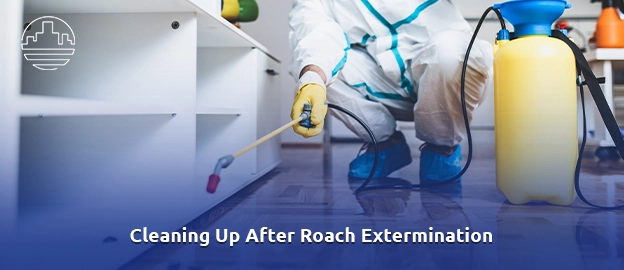
Credit: bfpminc.com
What To Do With Dishes And Food After Roaches
After cleaning cabinets, your dishes and food need attention too.
- Wash all dishes, pans, and utensils in hot, soapy water—even if they look clean.
- Sanitize cutting boards and food prep items.
- Throw away any open or soft-packaged food that was in infested cabinets.
- Wipe down sealed containers before putting them back.
- Store food in airtight glass or hard plastic containers to prevent future infestations.
How Long To Wait Before Restocking Cabinets
Patience is important. Here’s a suggested timeline:
- After cleaning, leave cabinets empty and open for at least 4-6 hours (overnight is better) to dry fully.
- Place roach traps or sticky boards inside for a few days to catch any stragglers.
- If traps stay clear, restock dishes and food.
How To Prevent Roaches From Returning
Cleaning is only half the battle. Preventing future roach problems is just as important.
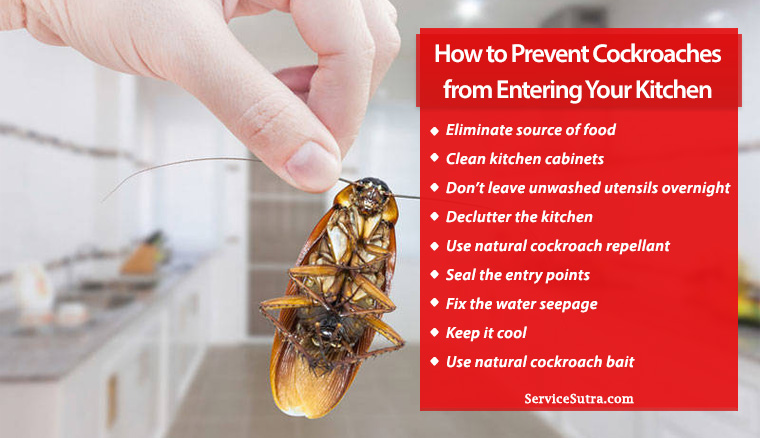
- Seal cracks and gaps around cabinets with caulk.
- Fix leaks under sinks or behind cabinets (roaches love water).
- Store food in sealed containers.
- Wipe cabinets regularly—don’t let crumbs or grease build up.
- Take out the trash daily.
- Check for new droppings every week at first. Early detection makes control easier.
Expert tip: Roaches can survive on tiny crumbs and even glue from labels. Clean more than you think you need to.
Professional Cleaning Vs. Diy: Which Is Better?
Some people hire professionals after a heavy infestation. Let’s compare both options:
| Method | Advantages | Drawbacks | Best For |
|---|---|---|---|
| DIY Cleaning | Cost-effective, flexible timing | More time and effort, may miss hidden spots | Small to moderate infestations |
| Professional Cleaning | Thorough, uses commercial-grade disinfectants | Expensive, need to schedule | Severe or recurring infestations |
For most people, a careful DIY job works well if you follow all steps. Professionals are best if you have allergies, a large kitchen, or repeated infestations.
Signs Your Cabinets Are Clean Enough
How do you know when it’s safe? Look for these signs:
- No visible droppings, eggs, or debris
- No bad smell (or much reduced)
- Surfaces feel clean, not sticky or gritty
- Roach traps stay clear for a few days
If you still see signs of roaches after cleaning, consider repeating the process or calling a pest expert.
Common Mistakes To Avoid
- Skipping corners and hidden areas. Roaches love tight spots.
- Not replacing shelf liners. Old liners hold eggs and odor.
- Restocking too soon. Moisture and leftover crumbs attract new pests.
- Using harsh chemicals on wood. This can damage cabinets.
- Forgetting to clean handles and hardware. These collect germs.
How Often To Deep Clean After Roaches
After the first deep clean, do a follow-up every 2-4 weeks for three months. This ensures no hidden eggs hatch and that your kitchen stays pest-free. After that, return to regular cleaning every few months.
When To Call A Professional
If you still have:
- New droppings after cleaning
- Strong odors that won’t go away
- Allergic reactions (asthma, itching)
It’s time to call a pest control company. They have special tools and chemicals that reach deeper than home cleaning.
How To Make A Roach-proof Kitchen
Cleaning cabinets is just one part of a roach-free kitchen. Combine these tips for the best results:
- Seal gaps around pipes, walls, and floors with caulk or foam.
- Keep pet food in sealed containers.
- Install door sweeps to block entry.
- Fix dripping faucets and leaks immediately.
- Run a dehumidifier in humid kitchens.
- Don’t leave dishes in the sink overnight.
A clean, dry, sealed kitchen is your best defense.
Natural Alternatives: Are They Enough?
Some people prefer natural cleaning methods. Vinegar, baking soda, and essential oils (like tea tree oil) can help with odor and mild disinfecting, but they don’t kill all germs or roach eggs. Use them as part of your routine, but don’t rely on them alone after a big infestation.
Non-obvious insight: Some essential oils can stain or react with certain cabinet finishes. Always test first.
Credit: www.servicesutra.com
Data: Roach Infestation And Cleaning Effectiveness
Here’s what research shows about roach control and cleaning:
| Action | Reduction in Roach Traces | Reduction in Bacteria |
|---|---|---|
| Basic Wiping Only | 40% | 35% |
| Deep Cleaning + Disinfecting | 95% | 90% |
| Professional Cleaning | 99% | 99% |
Deep Cleaning Really Does Make A Difference!
How To Stay Motivated For Deep Cleaning
It’s easy to get overwhelmed. Here’s what helps:
- Work in sections—one cabinet at a time.
- Play music or listen to a podcast.
- Involve family members.
- Celebrate when you finish.
Remember, you’re not just cleaning; you’re protecting your health.
Frequently Asked Questions
How Long After Roach Treatment Can I Clean My Cabinets?
Wait at least 24-48 hours after pest control treatment before deep cleaning. This gives chemicals time to work. Ask your pest professional for exact instructions, as some sprays need more time.
Can Roaches Survive Regular Cleaning?
Roaches can hide in tiny cracks and survive light cleaning. Only deep cleaning with disinfectant removes eggs, droppings, and scent trails. Combine cleaning with pest control for best results.
What Kills Roach Bacteria In Cabinets?
Disinfectants (like bleach solution or commercial sprays) kill most roach bacteria. For natural cleaning, vinegar helps with odor but is less effective against germs. Always let disinfectant sit for at least five minutes before wiping.
Is It Safe To Use Bleach On All Cabinets?
No, bleach can damage wood cabinets and some finishes. Use it only on laminate or metal, and always rinse well. For wood, stick to soap and water, then vinegar for deodorizing.
What Is The Best Way To Keep Roaches Out Of My Cabinets?
Seal all cracks, store food in airtight containers, wipe surfaces often, and fix leaks. Roaches need food, water, and hiding spots—remove these and they won’t return. Regular deep cleaning keeps your kitchen safe.
Keeping cabinets clean after roaches isn’t easy, but it’s worth the effort. With the right supplies, careful steps, and a bit of patience, you can remove every trace of infestation and make your kitchen safe again. For more details on roach prevention, check trusted resources like EPA Cockroach Control. Your kitchen—and your peace of mind—will thank you.