
Cuckoo rice cookers are trusted in many kitchens for their smart features and consistent rice cooking. But to keep your Cuckoo rice cooker working well and making tasty rice, you must clean it properly and regularly. Many people do not realize that even small amounts of leftover rice, water stains, or hidden food particles can damage the machine or affect rice quality over time. This guide explains step-by-step how to clean a Cuckoo rice cooker completely, including all parts. You’ll learn the right way to clean, what to avoid, and some expert tips that most owners don’t know.
Why Cleaning Your Cuckoo Rice Cooker Matters
Rice cookers work with heat, moisture, and food—three things that can cause problems if not handled right. A dirty rice cooker can:
- Change the taste and smell of your rice
- Grow mold or bacteria in hidden areas
- Cause mechanical problems or slow down the cooking process
- Shorten the life of your rice cooker
A well-cleaned cooker not only makes better rice, but it also saves you money by lasting longer and working more efficiently. Many users only clean the inner pot, forgetting other parts that can collect residue and germs.
Getting Ready: What You Need
Before you start, gather these items:
- Soft sponge or non-abrasive scrubber
- Mild dish soap
- Microfiber cloth
- Clean, dry towels
- Small brush (like an old toothbrush)
- Cotton swabs
- White vinegar (optional, for stubborn stains)
- Clean water
Never use steel wool or harsh chemicals on your Cuckoo rice cooker. These can scratch the surface or damage sensitive parts.
Step-by-step Guide: How To Clean Cuckoo Rice Cooker
1. Unplug And Cool Down
Always unplug your rice cooker before cleaning. Wait until it is completely cool. This prevents electric shock and protects the cooker from damage.
Insider tip: Even the outside can stay hot for a while after cooking. Be patient and check before handling.
2. Remove And Clean The Inner Pot
Lift out the inner pot—this is where you cook the rice.
- Fill your sink with warm water and a small amount of mild dish soap.
- Soak the inner pot for 10–15 minutes if there are stuck-on bits.
- Use a soft sponge to wash away rice, starch, or stains.
- Rinse well with clean water.
- Dry with a soft towel or let it air dry.
Non-obvious insight: Never use sharp tools to scrape the pot. Even a small scratch can damage the non-stick coating, causing rice to stick more next time and making cleaning harder.
3. Clean The Lid And Steam Cap
Cuckoo rice cookers have a detachable inner lid and a steam cap (some models call it a steam vent or cover).
- Remove the inner lid by gently pressing the release buttons or sliding the latch (check your model’s manual).
- Wash the lid and steam cap with warm, soapy water.
- Use a small brush to clean any grooves or holes, especially on the steam cap.
- Rinse thoroughly and let all parts dry completely.
Practical example: Leftover rice water can build up in the steam vent, causing a smell if not cleaned regularly.
4. Wipe The Heating Plate
Inside the rice cooker’s main body, you’ll see a round heating plate.
- Use a soft, damp cloth to gently wipe the plate. Make sure the cloth is not dripping wet.
- Remove any bits of rice or residue. If something is stuck, use a damp cotton swab.
- After cleaning, wipe again with a dry towel.
Expert tip: Never pour water into the main body. Any moisture that gets inside the electronics can cause permanent damage.
5. Clean The Moisture Collector
Most Cuckoo models have a moisture collector on the side or back. This catches water during cooking.
- Remove the collector and empty any liquid.
- Wash it with warm, soapy water.
- Rinse and dry before putting it back.
Common mistake: Forgetting the moisture collector can lead to mold growth and bad odors.
6. Wipe The Outer Body
- Use a soft, damp cloth to wipe the outside of the rice cooker.
- Focus on the control panel, handle, and any crevices.
- Dry with a clean towel.
Non-obvious insight: A dirty control panel can make buttons sticky or hard to press over time.
7. Clean Rubber Gaskets And Seals
Look for rubber gaskets around the lid or steam cap. These create a tight seal for pressure cooking.
- Remove them gently (if your model allows) and wash with soapy water.
- Rinse and dry completely before putting back.
Practical tip: Wet gaskets can trap water and smell bad, so make sure they are fully dry.
8. Reassemble The Rice Cooker
When all parts are clean and dry, put everything back in the correct place. Double-check that the inner lid, steam cap, and gaskets are fitted securely.
9. Final Safety Check
Before using your rice cooker again:
- Make sure all parts are dry
- Check that nothing is missing or loose
- Plug in and run a quick test (without rice) to see if the cooker works as expected
How Often Should You Clean Each Part?
Not all parts need daily cleaning. Here is a simple schedule for best results:
| Part | How Often | Why |
|---|---|---|
| Inner Pot | After every use | Prevents sticking and odor |
| Inner Lid | Every 1–2 uses | Stops buildup and bacteria |
| Steam Cap | Weekly | Removes hidden residue |
| Moisture Collector | After every use | Prevents mold |
| Outer Body/Control Panel | Weekly | Keeps buttons working |
| Gaskets/Seals | Monthly | Maintains pressure and hygiene |
| Heating Plate | As needed | Removes stuck bits |
Dealing With Tough Stains And Odors
Sometimes rice cookers get stains or smells that are hard to remove. Here’s what you can do:
Removing Burnt Rice
- Soak the inner pot in warm water for 30 minutes.
- Sprinkle a little baking soda and scrub gently with a sponge.
- Rinse and dry well.
Eliminating Odors
- Mix 1 part white vinegar with 3 parts water.
- Wipe the inside of the pot and lid with the mixture.
- Let it sit for 10 minutes, then rinse and dry.
Insider tip: Cooking a cup of water with a lemon slice in the pot (without rice) for 10 minutes can help remove strong smells.
Stubborn Stains On The Heating Plate
- Use a cotton swab dipped in white vinegar to clean spots.
- Wipe with a dry cloth afterward.
What Not To Do When Cleaning
Avoid these common mistakes:
- Do not submerge the main body of the rice cooker in water.
- Never use metal utensils or steel wool on any part—these scratch and damage surfaces.
- Avoid harsh chemicals like bleach; they can react with the metal or plastic.
- Don’t force parts when removing or replacing them—check your manual for the right way.
- Never reassemble while wet; always dry each piece fully.
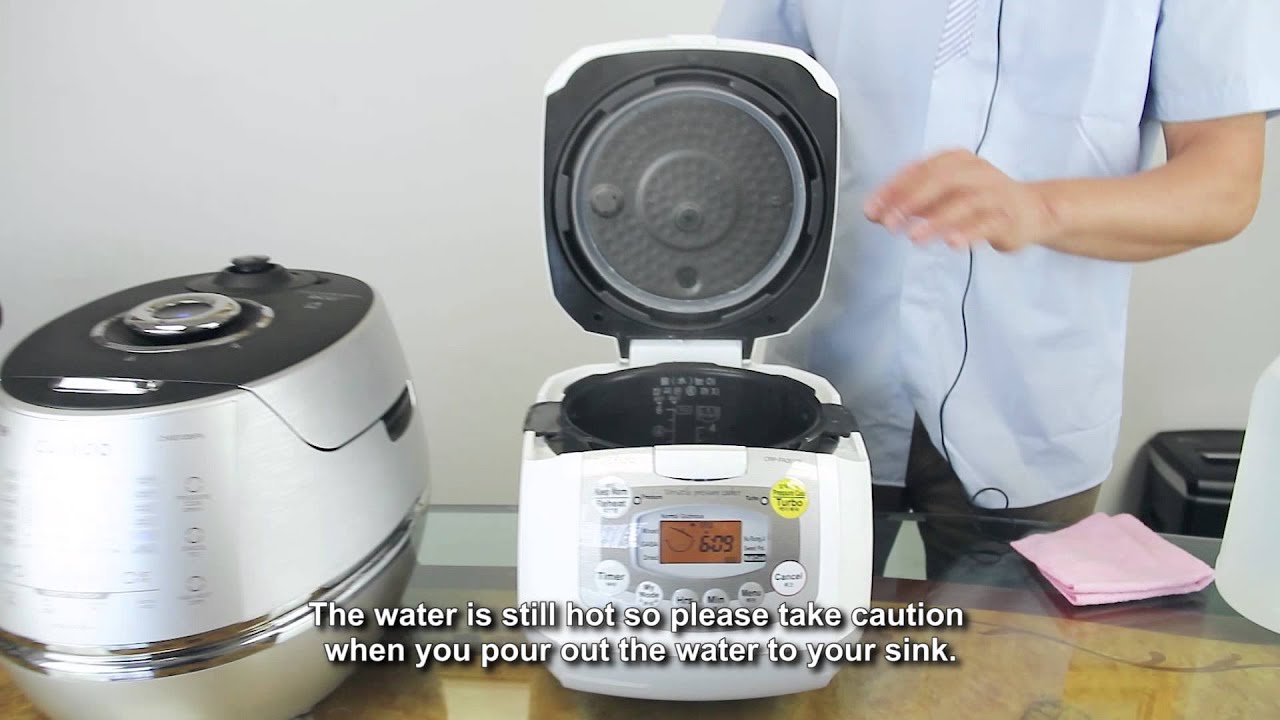
Credit: www.youtube.com
Signs Your Rice Cooker Needs Deep Cleaning
If you see or smell any of these, it’s time for a full clean:
- Rice is sticking or burning more than usual
- The lid or steam vent smells sour or musty
- You see water stains, mold, or black spots
- Buttons feel sticky or don’t respond well
- Cooking takes longer or rice is undercooked
Special Features In Cuckoo Rice Cookers
Cuckoo rice cookers often come with extra features that need special care.
Auto-clean Function
Some models have an auto-clean or steam cleaning feature.
- Add water to the inner pot.
- Select the auto-clean button on the control panel.
- Let the cooker run the cycle, which uses steam to clean inside parts.
Note: This feature helps, but it doesn’t replace regular manual cleaning.
Removable Parts
Cuckoo models often have:
- Removable inner lids
- Detachable steam caps
- Pop-out moisture collectors
Always take these off and clean separately. Check your user manual for exact instructions.
Non-stick Coating
The inner pot usually has a non-stick surface. Be gentle—scratching it can ruin your cooker.
Comparing Cuckoo Rice Cooker Cleaning To Other Brands
How does cleaning a Cuckoo rice cooker compare with other popular brands? Here’s a look:
| Feature | Cuckoo | Zojirushi | Panasonic |
|---|---|---|---|
| Removable Inner Lid | Yes | Yes | Sometimes |
| Auto-Clean Function | Often | Rare | No |
| Moisture Collector | Yes | No | No |
| Non-stick Pot | Yes | Yes | Yes |
| Steam Cap | Yes | Yes | Yes |
Expert insight: The auto-clean and moisture collector features make Cuckoo easier to keep clean than some other brands.
Troubleshooting: If Your Rice Cooker Smells Or Malfunctions
If you notice a persistent smell or the cooker isn’t working right after cleaning, try these steps:
- Double-check that all parts are correctly reassembled.
- Run an auto-clean or steam cycle if your model has this feature.
- Wipe all seals and the heating plate again.
- If you still see error messages or the cooker won’t turn on, unplug and let it rest for 30 minutes, then try again.
- Persistent issues may require contacting Cuckoo customer support.
How To Store Your Cuckoo Rice Cooker After Cleaning
Proper storage helps keep your rice cooker fresh and ready for use.
- Leave the lid open for a few hours after cleaning to let air circulate and prevent smells.
- Store in a dry, cool place away from direct sunlight.
- Do not place heavy objects on top of the rice cooker.
- Keep all parts together, so nothing gets lost.
Pro tip: If you won’t use the cooker for a long time, store the inner pot and lid separately to avoid trapping moisture.
Common Cleaning Mistakes To Avoid
Even careful owners sometimes make these errors:
- Using too much water inside the main body, risking electrical damage
- Forgetting to clean the moisture collector, leading to mold
- Using rough sponges, which scratch non-stick surfaces
- Not checking for leftover food in the steam vent, causing odors
- Rushing the drying process, which leads to mildew
Real-life example: One user reported their rice cooker started smelling bad only three months after purchase. The cause? They never cleaned the steam vent and moisture collector.

Credit: cuckooamerica.com
How To Clean Accessories
Your rice cooker comes with a rice scoop, measuring cup, and sometimes a steam tray.
- Wash these with warm, soapy water after each use.
- Dry thoroughly before storing.
- Do not store the scoop inside the pot with the lid closed, as this can cause odor.
Insider tip: Some Cuckoo rice scoops have a non-stick surface—clean gently to avoid damaging it.
Advanced Cleaning: For Older Or Neglected Cookers
If your Cuckoo rice cooker hasn’t been cleaned in a long time, you may need to do a deep clean.
Deep Cleaning Process
- Disassemble all removable parts.
- Soak the inner pot and lid in a vinegar-water mix (1: 3 ratio) for 30 minutes.
- Use a toothbrush to scrub all small crevices, especially around the steam vent and lid.
- Wipe inside the main body with a barely damp cloth.
- Let all parts air dry for several hours before reassembling.
Cleaning The Sensor
Some rice cookers have a temperature sensor under the inner pot. Dust or residue here can affect cooking.
- Gently wipe the sensor with a dry cotton swab.
- Do not apply pressure or use water.
Warning: Do not poke or press the sensor with hard objects.
How To Clean A Cuckoo Rice Cooker After Cooking Different Foods
If you cook more than rice—like porridge, soup, or mixed grains—cleaning may require extra steps.
- Remove all food residue from the pot and lid.
- Wash the steam cap and moisture collector more often, as sticky foods can block them.
- Check for food stuck around the gasket.
Example: After cooking congee or porridge, starch can build up in the steam vent. Soak and clean these parts right away for best results.
Comparing Cleaning Time And Effort
Here’s a look at how much time different cleaning tasks take for your Cuckoo rice cooker:
| Task | Time (approx.) | Difficulty |
|---|---|---|
| Inner Pot Cleaning | 3–5 minutes | Easy |
| Inner Lid Cleaning | 3–5 minutes | Easy |
| Steam Cap Cleaning | 2–3 minutes | Easy |
| Moisture Collector | 1–2 minutes | Very Easy |
| Heating Plate Wipe | 1 minute | Easy |
| Deep Cleaning | 30–45 minutes | Medium |
Tip: Making cleaning a habit keeps each session short and easy.

Credit: cookerswar.com
Useful Maintenance Tips For Longer Rice Cooker Life
- Always dry all parts before reassembling.
- Use only recommended cleaning tools and products.
- Check for worn gaskets and replace if needed.
- Store the cooker with the lid open when not in use.
- Read your model’s manual for special instructions.
Non-obvious insight: If you live in a humid area, wipe your rice cooker with a dry cloth every few days, even if you aren’t using it, to prevent mold growth.
Where To Get Help
If you lose a part or something breaks, visit the official Cuckoo website or contact their customer service. Manuals and cleaning guides are usually available online. For more detailed technical info, see Wikipedia’s rice cooker article.
Frequently Asked Questions
Why Does My Cuckoo Rice Cooker Smell Even After Cleaning?
Lingering smells can come from hidden food in the steam vent, moisture collector, or gaskets. Clean all removable parts and wipe with vinegar-water. Leave the cooker open to air out completely.
Can I Put Cuckoo Rice Cooker Parts In The Dishwasher?
Most removable parts like the inner pot, lid, and steam cap are safe for the top rack of the dishwasher. However, always check your model’s manual first. Do not put rubber gaskets or the main body in the dishwasher.
What Should I Do If Water Gets Inside The Main Body?
Unplug the cooker immediately and let it dry upside down in a warm, airy place for 24–48 hours. Do not use until it is fully dry. If problems continue, contact Cuckoo support.
How Often Should I Replace The Inner Pot Or Gaskets?
Replace the inner pot if the non-stick coating is scratched or peeling. Gaskets should be replaced every 1–2 years, or sooner if they look worn or smell bad.
Is The Auto-clean Function Enough For Regular Cleaning?
Auto-clean (steam cleaning) helps keep your cooker fresh, but it does not remove all food residue. Manual cleaning is still needed for the best hygiene and performance.
A clean Cuckoo rice cooker makes every meal taste better and keeps your kitchen safer. If you take a few minutes after each use to clean properly, your rice cooker will last for years, always delivering perfect rice and keeping your family healthy.