
Cleaning a gas oven can feel like a big job, especially if you haven’t done it in a while. Grease, food spills, and burnt bits can build up, making your oven look and smell bad. But a clean oven cooks food better, keeps your kitchen safe, and even saves energy. If you want your food to taste right and avoid smoke or strange smells, regular cleaning is essential.
Many people worry about cleaning a gas oven because they think it’s complicated or dangerous. But with the right steps, it’s safe and much easier than you think. In this guide, you’ll learn exactly how to clean your gas oven, whether you want a deep clean or just a quick freshen-up.
We’ll cover the tools you need, common mistakes to avoid, and some expert tips most people miss.
Let’s make your oven shine, boost its performance, and keep your kitchen a safe, happy place for cooking.
Why Cleaning Your Gas Oven Matters
A gas oven is a great kitchen tool, but it needs care to work its best. If you don’t clean it, food bits can burn each time you bake, creating smoke and bad smells. Even worse, too much grease can be a fire risk.
A dirty oven also spreads germs. If you bake something new on top of old spills, you might transfer bacteria to your fresh food. Plus, stuck-on grime can make your oven less efficient, so it uses more gas and heats unevenly.
Many people don’t realize that a clean oven can even make your food taste better. Flavors and smells from old spills won’t mix with your new recipes. And when the oven heats evenly, your food cooks just right.
Safety Precautions Before Cleaning
Before you start, safety is most important. Gas ovens need special care because gas leaks can be dangerous.
- Turn off the oven. Make sure all knobs are in the off position.
- Unplug the oven or switch off the circuit if your model has an electric plug.
- Shut off the gas supply if you will be cleaning inside the oven or near burners.
- Open windows for good ventilation. Cleaning products and gas can create strong smells.
- Wear gloves to protect your skin from chemicals and sharp edges.
- Remove children and pets from the area until you’re finished.
One thing beginners miss: always check for a gas smell before you start. If you notice a rotten egg odor, stop and call a professional right away.
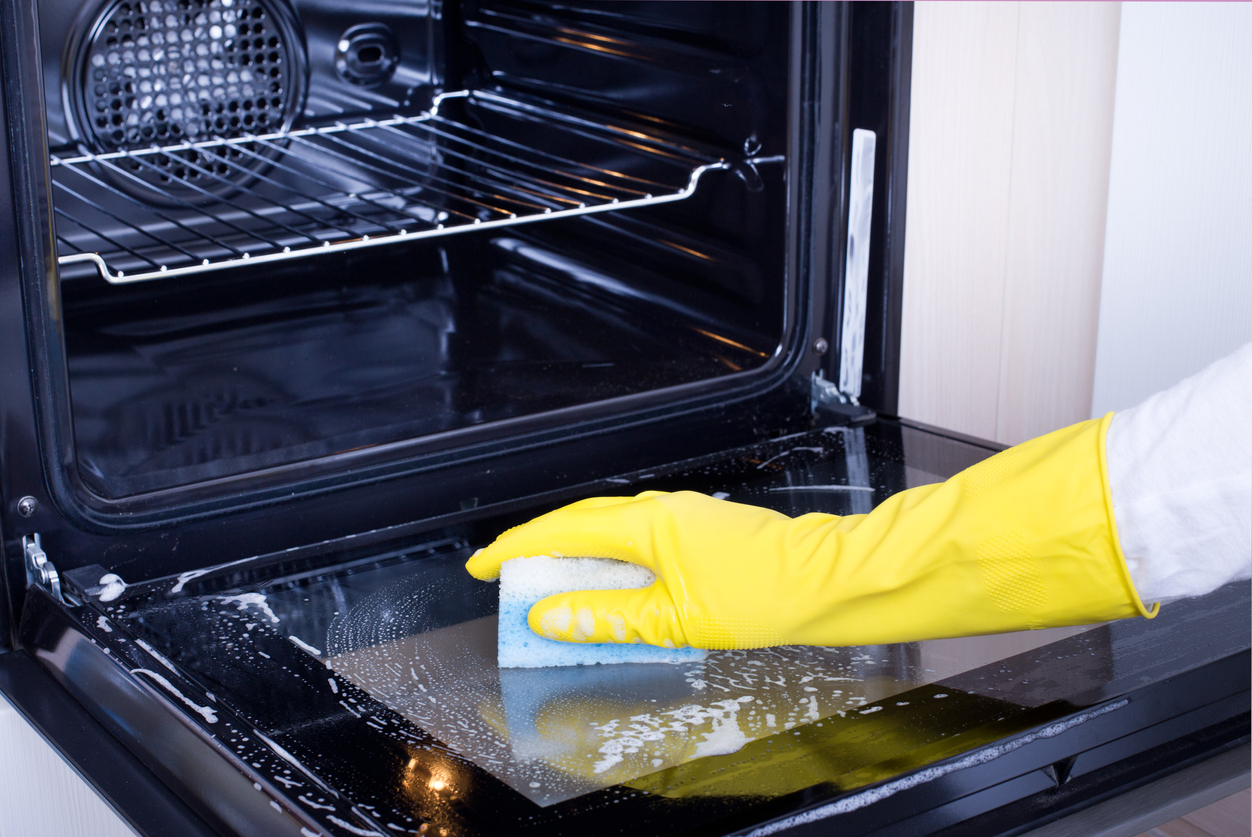
Credit: speedcleanservices.com
Tools And Supplies You Need
Gathering the right tools makes the job faster and safer. Here’s what you should have ready:
- Baking soda (for gentle scrubbing)
- White vinegar (helps dissolve grime)
- Mild dish soap
- Scrub brush (soft to medium stiffness)
- Non-scratch scouring pad
- Plastic or silicone spatula (for scraping baked-on mess)
- Old toothbrush (for tight spots)
- Spray bottle (for vinegar or water)
- Microfiber cloths or paper towels
- Trash bag (for old food or large spills)
- Oven-safe bowl (for steam cleaning)
- Gloves (rubber or latex)
- Bucket of warm water
Some people use store-bought oven cleaners. If you choose one, read the label to make sure it’s safe for gas ovens. Avoid harsh chemicals if you have sensitive skin or are cleaning near children.
Step-by-step Cleaning Process
Cleaning a gas oven is easier when you break it into steps. Each part of the oven needs special care.
1. Remove Oven Racks And Accessories
First, take out everything inside the oven. This includes oven racks, trays, and thermometers. Place them in the sink or a large tub for soaking.
If your racks are very dirty, sprinkle baking soda over them. Spray with vinegar and let them bubble for a few minutes. Then, cover them with hot, soapy water and leave for 1-2 hours.
While the racks soak, focus on the oven interior.
2. Loosen Heavy Baked-on Spills
For heavy spills, use a spatula or plastic scraper. Never use metal tools, as they can scratch the enamel. Scrape gently to lift off large pieces of burnt food.
If a spill is stuck, lay a wet cloth over it for 15-20 minutes to soften. This trick saves time and prevents damage.
3. Make A Natural Cleaning Paste
Mix half a cup of baking soda with a few tablespoons of water to create a thick paste. The paste should be spreadable but not runny.
Apply this paste to all oven surfaces, especially on stubborn stains. Avoid the gas burners, igniter, and any open holes or vents. These should be cleaned with only a damp cloth.
Let the paste sit for at least 30 minutes. For heavy grime, leave it overnight.
4. Clean The Oven Door
The oven door gets greasy, especially inside the glass. Wipe off loose dirt with a damp cloth. For stains, use the baking soda paste or a little dish soap mixed with vinegar.
For double-glazed doors, check the manual before removing any screws. Most dirt can be reached with a thin cloth wrapped around a spatula.
5. Steam Clean For Extra Power
Fill an oven-safe bowl with water and place it on the bottom rack. Heat the oven to 200°F (93°C) for 20 minutes. The steam loosens dirt, making it easier to wipe away.
Wait for the oven to cool before removing the bowl. Wipe down the sides with a microfiber cloth.
6. Wipe Down All Surfaces
After the baking soda paste has done its work, spray the inside of the oven with vinegar. The mixture will fizz and help lift off grime.
Wipe with a damp cloth, rinsing often. For tough spots, use a soft brush or scouring pad. Repeat until all residue is gone.
Don’t forget the door edges, corners, and under the burners. These spots collect hidden dirt and can affect oven performance.
7. Clean The Oven Racks
Take the racks out of their soak. Scrub with a brush or non-scratch pad. For any stuck-on spots, use the baking soda paste.
Rinse well and dry. Make sure racks are fully dry before putting them back in the oven.
8. Clean The Gas Burners And Igniter
Carefully remove the burner covers if your oven allows. Use a damp cloth to wipe away grease. Never soak the igniter or use harsh chemicals here.
If you see stubborn gunk, an old toothbrush works well. Dry all parts completely before reassembling.
One insight most miss: a wet igniter will not work. If you get it wet by mistake, let it air dry for several hours before using the oven.
9. Tackle Exterior Surfaces
Don’t forget the oven knobs, control panel, and oven handle. These areas get greasy, too.
Wipe with a cloth dipped in soapy water. For shiny finishes, use a glass cleaner or vinegar for a streak-free look. Dry with a clean towel.
10. Reassemble And Test
When everything is clean and dry, put the oven racks and accessories back in. Restore the gas supply, plug in the oven, and turn it on for a few minutes to burn off any leftover cleaner.
If you notice smoke or a strange smell, turn off the oven and wipe again. Wait until all fumes are gone before cooking.
Diy Cleaning Solutions Vs. Store-bought Cleaners
Many people wonder if they should use homemade cleaners or buy special products. Each has pros and cons.
| Cleaner Type | Pros | Cons |
|---|---|---|
| Baking soda & vinegar | Safe, cheap, non-toxic | May need extra scrubbing for heavy stains |
| Commercial oven cleaner | Fast, strong on tough grime | Strong fumes, can be harsh on skin and surfaces |
| Dish soap & water | Gentle, safe for all surfaces | Less effective for baked-on grease |
For light cleaning, homemade solutions are usually enough. For heavy buildup, a commercial cleaner might save time, but always follow the label and ventilate well.
Cleaning Frequency: How Often Is Enough?
How often you clean depends on how much you use your oven. Here’s a quick comparison:
| Usage Level | Recommended Cleaning Frequency | Signs You Need to Clean |
|---|---|---|
| Heavy (daily cooking, baking) | Every 2-4 weeks | Visible spills, smoke, smells |
| Moderate (few times a week) | Every 1-2 months | Some stains, light smoke |
| Light (rare use) | Every 3-6 months | Dust, old food bits |
If you spill something, wipe it as soon as the oven cools. This makes deep cleaning less work later.
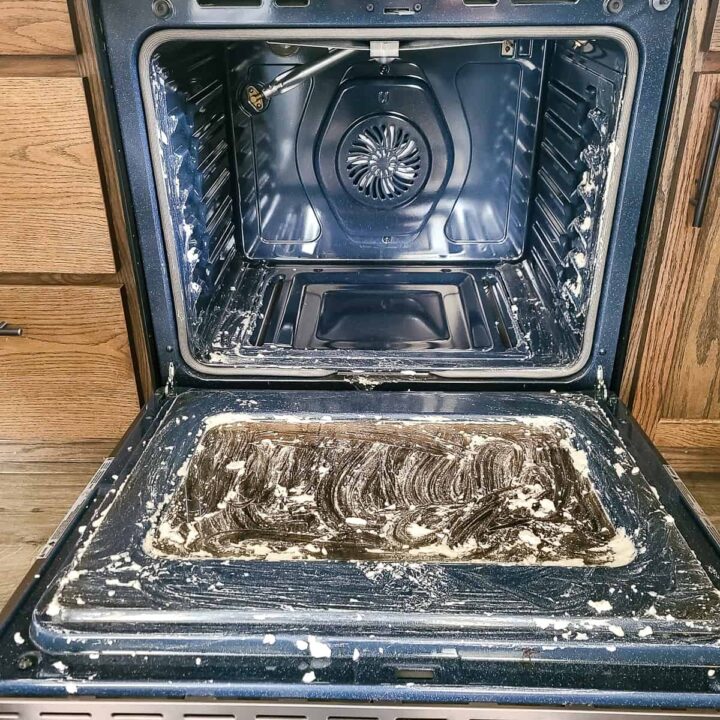
Credit: www.makingmanzanita.com
Deep Cleaning Vs. Quick Clean: When To Do Each
Some days you need a full deep clean. Other times, a quick wipe is enough.
- Deep cleaning: Remove racks, clean all surfaces, and scrub burnt-on spills. Do this every few months or when the oven smells or smokes.
- Quick clean: After roasting or baking, wipe out fresh spills with a damp cloth. Clean the door glass and handle.
A common mistake: waiting too long between deep cleans. This makes dirt harder to remove and can damage the oven over time.
Cleaning The Oven Door Glass: Tips And Tricks
The oven door window gets cloudy from grease and food. Here’s how to restore its shine:
- Mix baking soda with water to form a paste.
- Spread the paste over the glass and let it sit for 20 minutes.
- Wipe with a damp cloth. For streaks, spray vinegar and polish with a dry towel.
For double-pane doors, check your manual. Some doors let you unscrew the top to clean between the glass. Use a long, flexible brush or a cloth on a stick.
Insider tip: Avoid using razor blades on glass. They can scratch and leave marks.
Cleaning Gas Oven Burners: What Most People Miss
Gas burners sometimes get ignored, but they affect how well your oven cooks. Remove burner caps and soak them in hot, soapy water. Scrub gently with a brush.
Make sure the gas ports (small holes) are clear. Use a toothpick or a pin if needed. Never use water on the igniter itself.
If you notice uneven flames or yellow flames, it’s a sign that the burner is still dirty or blocked.
Cleaning Oven Knobs And Controls
These get greasy from fingerprints. Remove knobs if possible and wash in soapy water. For stuck-on grime, use a toothbrush.
Wipe the control panel with a damp cloth. Avoid too much water near electronics.
A tip most people miss: dry knobs completely before putting them back. Moisture can cause electrical problems.
:max_bytes(150000):strip_icc()/cleaning-gas-burners-1900625-976df9789ca8452ca8250bf5fec73c6e.png)
Credit: www.thespruce.com
Handling Stubborn Stains And Odors
Sometimes, stains won’t come off with baking soda alone. For these, try a stronger paste of baking soda and a few drops of hydrogen peroxide. Let it sit for 30 minutes before scrubbing.
For odors, place a bowl of baking soda in the oven overnight. It will absorb smells. You can also heat lemon slices in a bowl of water for 20 minutes to freshen the oven.
Don’t use bleach or ammonia, as these can damage the oven and create dangerous fumes.
Preventing Future Buildup
Keeping your oven clean is easier than fixing heavy grime. Here’s how:
- Wipe spills as soon as the oven cools.
- Use oven liners on the bottom (make sure they’re oven-safe and don’t cover vents).
- Cover dishes with lids or foil to stop splatters.
- Clean racks and door glass every month.
- Leave the door slightly open after cooking to let moisture escape.
A non-obvious insight: Too much cleaner or water left in the oven can create steam and affect the gas flame. Always dry surfaces after cleaning.
Signs Your Oven Needs Professional Help
Not all problems can be solved with cleaning. If you notice these signs, call a professional:
- Gas smell that won’t go away
- Oven won’t light or stay on
- Uneven heating or yellow flames
- Smoke even after cleaning
A blocked gas line or faulty igniter is dangerous. Don’t try to fix these yourself.
Common Mistakes To Avoid
Cleaning a gas oven is simple if you avoid these errors:
- Using too much water near gas parts.
- Scrubbing with metal tools that scratch enamel.
- Using harsh chemicals on the igniter.
- Forgetting to dry parts fully before reassembling.
- Ignoring spills until they bake on and become much harder to remove.
Beginners often think they need strong chemicals for good results, but regular, gentle cleaning is safer and just as effective.
Expert Tips For Easier Oven Cleaning
Here are some extra tips that make a big difference:
- Clean a little every time you use the oven. Small jobs are faster.
- Steam cleaning is great for loosening grime before scrubbing.
- Keep a small brush or cloth nearby for quick spot cleaning.
- Check your oven’s manual for any special instructions.
- If you have a self-cleaning feature, use it only as directed, and never open the door mid-cycle.
One last insider trick: sprinkle salt on fresh spills while the oven is still warm (but off). When the oven cools, the spill is easier to wipe up.
Environmental Impact: Eco-friendly Cleaning Choices
Baking soda and vinegar are safe for your family and the planet. They don’t create fumes or harm water systems. Most store-bought cleaners are safe if used correctly, but some release volatile organic compounds (VOCs).
If you want to learn more about safe cleaning products, visit the EPA Safer Choice Program.
Try to use reusable cloths instead of paper towels, and always dispose of dirty water in a sink, not outside.
Maintenance Schedule: Create A Cleaning Habit
To keep your gas oven in top shape, use a simple schedule:
- Wipe spills after each use.
- Clean racks and door glass monthly.
- Deep clean the oven every 2-3 months.
- Check burners and igniter every few months.
Set reminders on your phone or write in your kitchen calendar. Consistent cleaning means less work and better food.
Frequently Asked Questions
How Do I Clean Stubborn, Baked-on Spills In My Gas Oven?
For tough, baked-on spills, cover the area with a wet cloth for 20 minutes to soften it. Then, apply a baking soda paste and let it sit for at least 30 minutes, or overnight for very stubborn stains. Scrub gently with a non-scratch pad.
If needed, repeat the process or use a little hydrogen peroxide with the baking soda for extra power.
Is It Safe To Use Commercial Oven Cleaners In My Gas Oven?
Yes, but always check the label to make sure the product is safe for gas ovens. Open windows and wear gloves to avoid strong fumes. Never spray cleaner on the igniter, gas ports, or any open flames. Rinse all surfaces with a damp cloth before using the oven again.
How Do I Clean Between The Glass On My Oven Door?
Some oven doors can be unscrewed at the top, allowing you to slide a thin cloth between the glass panes. Always check your oven manual first. If you can’t open the door, use a long, flexible brush or a cloth on a stick to reach between the glass.
Avoid using lots of water, which can leave streaks or damage seals.
What Should I Do If My Oven Smells Like Gas After Cleaning?
If you smell gas after cleaning, turn off the oven and open windows right away. Check that all knobs are off and you haven’t accidentally left the gas on. If the smell doesn’t go away, call a professional. Never try to fix gas leaks yourself.
Can I Clean My Gas Oven With Just Baking Soda And Vinegar?
Yes, baking soda and vinegar are safe and effective for most cleaning jobs. They work well for removing grease, stains, and odors. For heavy grime, you might need to scrub a bit more or let the paste sit longer. Always wipe with clean water afterward to remove any residue.
—
A clean gas oven isn’t just about looks—it’s about safety, performance, and the joy of cooking. With the right steps, tools, and a little regular care, you can keep your oven spotless and efficient for years. Remember, gentle cleaners often work best, and quick wipes after each use make deep cleaning much easier. Happy cooking!