
Leathered granite has become a popular choice for countertops and home surfaces, especially for those who love a mix of natural beauty and practical durability. Its unique texture—soft, matte, and slightly rough—offers a stylish alternative to the classic polished look.
However, many homeowners find themselves puzzled when it comes to proper care. Leathered granite is not quite like polished stone, and it reacts differently to spills, cleaning products, and everyday use. If you want your leathered granite to stay beautiful year after year, you need the right cleaning methods, products, and habits.
This guide will walk you through everything you need to know, whether you are a beginner or already familiar with stone surfaces.
What Is Leathered Granite?
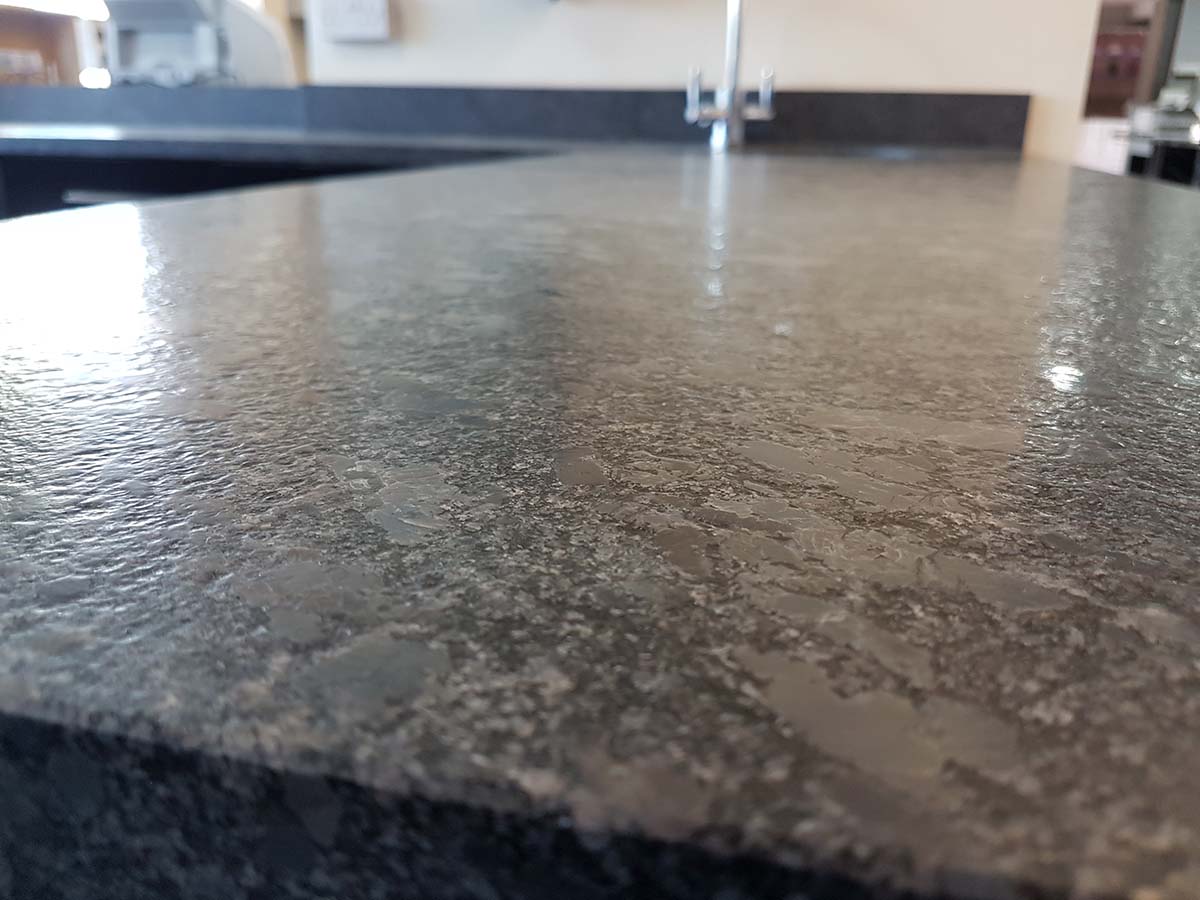
Before you start cleaning, it’s important to understand what leathered granite really is. Leathered granite is a natural stone that has been finished using diamond-tipped brushes. This process removes the polished shine and creates a textured, matte surface with tiny pits and soft ridges.
The result is a surface that looks more natural, hides fingerprints, and feels warm to the touch.
Unlike polished granite, leathered granite does not reflect light. This means stains and crumbs can sometimes be harder to see. The leathered finish also means the stone has more microscopic grooves, which can trap dust or spills if not cleaned properly. While this surface is less slippery and shows fewer smudges, it does need special attention to avoid stains and build-up.
Why Cleaning Leathered Granite Is Different
Many people assume all granite is cleaned the same way, but that’s not the case. The matte, textured surface of leathered granite holds onto dust, oils, and liquids differently than a smooth, polished slab. Polished granite can usually be wiped clean easily, but leathered granite may need a little more care.
Here are a few reasons why:
- Surface Texture: The grooves and pits can catch crumbs, oil, and dirt.
- Stain Risk: Leathered granite can be more porous if not sealed properly.
- Cleaning Products: Harsh chemicals can damage the finish or strip away sealant.
Understanding these differences is the first step to keeping your granite surfaces looking their best.
Daily Cleaning Routine
A regular cleaning routine helps prevent dirt and stains from building up on your leathered granite. This routine does not require special tools or expensive products. Instead, focus on gentle, consistent cleaning.
Supplies You Need
- Soft microfiber cloths or non-abrasive sponges
- PH-neutral stone cleaner or mild dish soap
- Warm water
- Spray bottle (optional)
- Dry towel
Avoid paper towels, as they can sometimes leave lint or scratch the surface.
Step-by-step Daily Cleaning
1. Remove Crumbs And Dust
Use a dry microfiber cloth to gently sweep away crumbs and dust. Go over the entire surface, paying special attention to corners and seams.
2. Mix Your Cleaning Solution
If you’re using dish soap, add a few drops to a bowl or spray bottle filled with warm water. For store-bought cleaners, follow the instructions on the label.
3. Wipe The Surface
Dampen your cloth or sponge with the cleaning solution. Wipe the granite in gentle, circular motions. Don’t scrub hard—this can wear down the surface over time.
4. Rinse
Wipe again with a cloth dampened with clean water to remove any soap or cleaner residue.
5. Dry Completely
Use a dry towel to buff the surface. This step is important—leaving water on granite can leave streaks or even cause mineral spots.
Many homeowners skip the drying step, but it’s crucial for preventing water marks and keeping your granite looking fresh.
Deep Cleaning Leathered Granite
Even with daily cleaning, your leathered granite will need a more thorough clean from time to time—usually once a week or when you notice greasy spots or grime.
When To Deep Clean
- After heavy cooking or food prep
- If you see oily fingerprints or stubborn smudges
- When the surface feels sticky or gritty
Deep Cleaning Process
1. Clear The Countertop
Remove all items—appliances, containers, and utensils—from the surface.
2. Dust And Wipe
Use a dry microfiber cloth to sweep away loose debris.
3. Apply A Ph-neutral Cleaner
Spray or spread the cleaner over the surface. Let it sit for a minute or two on sticky spots, but don’t let it dry.
4. Scrub Gently
For tough spots, use a soft-bristle brush or a non-abrasive sponge. Work in circles to clean the textured grooves.
5. Rinse Thoroughly
Wipe with a clean, damp cloth to remove all cleaner and dirt.
6. Dry And Buff
Use a dry, clean towel to remove all moisture. Buffing with a microfiber cloth can help restore the natural sheen.
Common Mistakes During Deep Cleaning
- Using harsh or acidic cleaners (like vinegar, ammonia, or lemon)
- Scrubbing with steel wool or abrasive pads
- Letting cleaner dry on the surface
Each of these can damage the sealant or roughen the stone.
Cleaning Up Spills And Stains
Leathered granite is more stain-resistant than some surfaces, but not stain-proof. Quick action is your best defense.
How To Handle Fresh Spills
1. Blot, Don’t Wipe
Use a soft cloth to blot up liquids. Don’t rub, as this can spread the spill.
2. Rinse The Area
Use a damp cloth to remove residue.
3. Dry Immediately
Always dry the spot to prevent water marks.
Treating Stubborn Stains
If you notice a stain that won’t wipe away, try these steps:
1. Make A Baking Soda Paste
Mix baking soda with water (for oil stains) or hydrogen peroxide (for water-based stains) to make a thick paste.
2. Apply To The Stain
Spread the paste over the stain, cover with plastic wrap, and tape the edges.
3. Let It Sit
Leave for 6–8 hours, or overnight for tough stains.
4. Wipe And Rinse
Remove the paste and clean the area with a damp cloth. Dry thoroughly.
Example: Removing Oil Stains
Oil can soak into the tiny grooves of leathered granite. If you spill cooking oil, act fast. Blot up as much as you can. If an oily mark remains, the baking soda paste method above can pull the stain out.
Non-obvious Tip
Stains can sometimes appear hours after a spill. Check your counters in good light at the end of the day, especially after cooking with oil or sauces.
How To Handle Tough Residue And Sticky Build-up
Sometimes, sticky residues from syrups, honey, or greasy foods get trapped in the textured surface.
Steps For Removing Sticky Residue
1. Soften The Residue
Place a warm, damp cloth over the spot for a few minutes. This helps loosen the sticky material.
2. Use A Soft Brush
Gently scrub with a soft-bristle brush in a circular motion.
3. Clean With Ph-neutral Cleaner
Spray the area and wipe as usual.
4. Rinse And Dry
Finish with a clean, damp cloth and dry towel.
Avoid scraping with metal tools or knives, as this can scratch the granite.
Best Cleaning Products For Leathered Granite
Choosing the right cleaning products makes a big difference. Leathered granite is tough, but it’s also sensitive to acidic or abrasive chemicals.
What To Use
- PH-neutral stone cleaners: These are specially made for granite and won’t damage sealant.
- Mild dish soap: Used in small amounts, this is safe for daily cleaning.
- Soft microfiber cloths or non-abrasive sponges
What To Avoid
- Bleach or ammonia-based products
- Vinegar, lemon juice, or other acidic cleaners
- Scouring powders or abrasive pads
- Wax or oil-based products (these can create a sticky film)
Popular Stone Cleaners
Here’s a quick comparison of common cleaners for leathered granite:
| Brand/Product | pH Level | Safe for Leathered Granite? | Notes |
|---|---|---|---|
| Granite Gold Daily Cleaner | Neutral | Yes | Leaves no streaks |
| Method Daily Granite Cleaner | Neutral | Yes | Plant-based, pleasant scent |
| Generic Dish Soap | Neutral | Yes | Use sparingly and rinse well |
| Vinegar Solution | Acidic | No | Can damage sealant and finish |
| Bleach Cleaner | Alkaline | No | Harsh and damaging to stone |
Choosing a good cleaner is one of the most important steps for long-term granite care.
How To Clean Leathered Granite Floors
While countertops are most common, some homes feature leathered granite on floors. The cleaning process is similar, but there are a few extra things to consider.
Floor Cleaning Steps
1. Sweep Or Vacuum
Use a soft broom or vacuum with a hard floor setting to remove dirt and grit.
2. Mop With Care
Mop with warm water and a small amount of pH-neutral cleaner. Avoid soaking the floor—too much water can seep into seams.
3. Dry Immediately
Go over the floor with a dry mop or towel to prevent water spots.
Pro Tip
Don’t use steam mops or harsh floor cleaners. The intense heat or chemicals can weaken the granite’s sealant.
Sealing Leathered Granite: Why And How
One step that many people miss is sealing their leathered granite. Even though granite is a strong stone, leathered finishes are more porous than polished ones. Sealing helps protect against stains and makes cleaning much easier.
How Often To Seal
Most experts recommend sealing leathered granite every 6–12 months. If your kitchen sees heavy use, do it every 6 months.
How To Test If Sealing Is Needed
- Sprinkle a few drops of water on the granite.
- Wait 10–15 minutes.
- If the water darkens the stone or soaks in, it’s time to reseal.
Sealing Steps
1. Clean The Surface Thoroughly
Make sure all dust, dirt, and residue are gone.
2. Apply Granite Sealer
Use a product specifically made for natural stone. Pour or spray onto the surface and spread with a clean cloth.
3. Let It Absorb
Allow the sealer to sit for 10–20 minutes (check product instructions).
4. Wipe Off Excess
Buff with a clean, dry cloth.
5. Let It Cure
Avoid using the surface for a few hours, or as directed by the manufacturer.
Table: Polished Vs. Leathered Granite Sealing Needs
| Finish Type | Porosity | Sealing Frequency | Ease of Cleaning |
|---|---|---|---|
| Polished | Low | Every 1–2 years | Very Easy |
| Leathered | Medium–High | Every 6–12 months | Moderate |
Sealing is often skipped by homeowners, but it makes daily cleaning much simpler and prevents costly stains.
Preventative Care: Keeping Leathered Granite Looking New
Cleaning is only part of granite care. Preventing damage is just as important. Here are some practical habits to protect your leathered granite and keep it in top shape.
Use Coasters And Trivets
Even though granite is heat resistant, it’s smart to use coasters for drinks and trivets for hot pots. This prevents heat marks, water rings, and accidental scratches.
Wipe Up Spills Quickly
Don’t let liquids sit on the surface. Acidic drinks like wine, juice, or coffee can stain if left too long.
Avoid Dragging Heavy Objects
The textured surface can catch and scratch if you slide heavy appliances or pots across it.
Use Cutting Boards
Never cut directly on granite. It dulls your knives and can scratch the stone.
Limit Contact With Oil
Cooking oils can seep into the stone’s pores if not wiped quickly.
Place Mats Under Appliances
Small appliances like toasters or blenders can vibrate and scratch. A mat or thin cloth underneath helps prevent this.
Don’t Overdo The Cleaner
Too much cleaner, even if it’s safe, can leave residue in the stone’s grooves. Use only what you need and rinse well.

Credit: www.reddit.com
Dealing With Common Issues
Even with the best care, sometimes you’ll encounter problems unique to leathered granite. Here’s how to handle them.
Water Marks Or Rings
If you notice water spots, they can usually be buffed out with a dry microfiber cloth. For stubborn marks, use a bit of stone cleaner and polish gently.
Dull Patches
Areas that lose their luster may just need a deep clean and buffing. If the dullness remains, it may be time to reseal.
Sticky Or Greasy Spots
Often found near cooking areas, these can be removed with a small amount of rubbing alcohol on a cloth, followed by a rinse with clean water.
Light Scratches
Small scratches are rare, but if they appear, try gently rubbing with a damp cloth. Deeper scratches may require professional attention.
Mold Or Mildew
If granite is in a damp area (like bathrooms), watch for mold in the textured surface. Clean with a mix of pH-neutral cleaner and water. Never use bleach.
Table: Common Problems And Solutions
| Problem | Cause | Solution |
|---|---|---|
| Water marks | Water left to air dry | Buff with dry cloth |
| Oil stains | Oil left on surface | Baking soda paste overnight |
| Dull areas | Build-up or worn sealant | Deep clean & reseal |
| Sticky residue | Syrup, honey, etc. | Warm, damp cloth + pH-neutral cleaner |
| Scratches | Dragging heavy items | Professional repair |
Myths And Misconceptions About Leathered Granite Cleaning
There’s a lot of advice online, but not all of it is correct. Here are some common myths:
- “You can use any kitchen cleaner.”
Not true—many contain acids or abrasives that will damage granite.
- “Leathered granite never needs sealing.”
False—the textured finish is actually more porous.
- “Vinegar is safe for all stone.”
No—vinegar can etch and dull granite.
- “Scrubbing harder cleans better.”
Over-scrubbing can wear down the surface and ruin the finish.
- “Oil brings out the color.”
Oil may darken the stone, but it can also attract dirt and become sticky.
Knowing the facts will save you time, money, and headaches.
Credit: www.gvdrenovationsinc.com
Professional Maintenance: When To Call An Expert
Most cleaning and care can be handled at home, but there are times when you should hire a professional:
- Deep stains or etching that don’t respond to home remedies
- Large cracks or chips
- Resealing if you are unsure how to do it
- Restoring luster if the surface has become uneven or patchy
A pro can use specialized tools and products that are not available to regular consumers. It’s a smart investment if you want your granite to last for decades.
Environmental Impact Of Granite Cleaners
With more people thinking about eco-friendly choices, it’s worth noting that some granite cleaners are greener than others. Look for:
- Plant-based ingredients
- Biodegradable packaging
- No harsh chemicals
Homemade cleaners (like diluted dish soap and water) are a safe and eco-friendly option. Avoid bleach, ammonia, and petroleum-based products, which are harmful to both your granite and the environment.
For more on natural stone care and environmental safety, you can check resources like Natural Stone Institute.
Credit: www.regattagranitesindia.com
Frequently Asked Questions
How Often Should I Clean Leathered Granite Countertops?
Daily wiping is best, especially in kitchens or bathrooms. For most homes, a deep clean once a week is enough. If you cook or entertain often, you may need to clean more frequently.
Can I Use Bleach Or Vinegar On Leathered Granite?
No, both bleach and vinegar can damage the stone’s surface and destroy the sealant. Always stick with pH-neutral cleaners or mild dish soap.
What Should I Do If Oil Stains My Leathered Granite?
Act fast. Blot up the oil, then use a baking soda and water paste. Cover with plastic wrap and let it sit overnight. Wipe away, rinse, and dry the spot.
Is Sealing Absolutely Necessary For Leathered Granite?
Yes. Leathered finishes are more porous than polished ones. Sealing helps prevent stains and makes cleaning easier. Check your countertop every 6–12 months.
How Do I Restore The Shine To Leathered Granite?
Leathered granite is meant to have a matte, textured look—not a shiny finish. If the surface looks dull or dirty, try deep cleaning and resealing. If you want a glossy look, talk to a professional about refinishing, but remember this will change the original texture.
Taking care of leathered granite is simple once you know what to do. With daily care, the right products, and a few smart habits, your granite can look stunning for decades. Not only will you enjoy its natural beauty, but you’ll also avoid costly repairs and replacements. Invest a little time in regular cleaning and your leathered granite will reward you with lasting durability and style.