
Cleaning the oven is a task many people avoid. Grease, burnt food, and sticky stains can make it feel impossible. However, using ammonia overnight can make this job much easier. If you have never tried this method, you might be surprised by how effective it is. This guide will show you, step by step, how to clean your oven with ammonia overnight safely and thoroughly. You will also learn why ammonia works, what to avoid, and tips to keep your oven clean for longer.
Why Use Ammonia For Oven Cleaning?
Oven cleaning products come in many forms. Some are sprays, gels, or powders, but many have strong chemicals with harsh smells. Ammonia is different. It’s a common household chemical that has been used for cleaning for generations. Its power comes from its ability to break down baked-on grease and food residue without much scrubbing.
When you use ammonia, especially overnight, the fumes loosen the grime. This makes it simple to wipe away what was almost impossible before. It saves time, energy, and often, money since ammonia is cheap and widely available.
Is Ammonia Safe For Oven Cleaning?
Many people ask if ammonia is safe for cleaning. The answer is yes, when used carefully. Ammonia is not flammable, but its fumes are strong and can be dangerous if you breathe them in directly. Always use it in a well-ventilated area and follow safety instructions.
Ammonia should never be mixed with bleach or other cleaning chemicals. Mixing can create toxic gases. For most people, wearing gloves and keeping windows open is enough to stay safe. If you have breathing problems or are sensitive to strong smells, consider using a mask or asking someone else to help.
What You Need Before You Start
To clean your oven with ammonia overnight, you need a few basic supplies. Most of these can be found at home or bought cheaply at any supermarket or hardware store.
Supplies List
- Household ammonia (clear, unscented)
- Oven-safe dish (glass or ceramic, not metal)
- Baking tray or another large heatproof dish
- Boiling water (about 2 liters)
- Rubber gloves
- Old towels or rags
- Sponge or scrub pad
- Paper towels
- Face mask (optional, for sensitive people)
- Trash bag
- Vinegar (for final wipe down, optional)
Before starting, make sure pets and children will not be near the kitchen overnight. Ammonia fumes are not safe for them.
Step-by-step: How To Clean Oven With Ammonia Overnight
This method works for most standard home ovens. For best results, follow each step carefully. Don’t skip or rush the process.
1. Prepare The Oven
Start by removing everything inside the oven. Take out racks, trays, and thermometers. If possible, clean these separately in hot soapy water.
Wipe away loose crumbs or bits of burnt food with a damp cloth. This helps the ammonia work directly on stubborn stains.
2. Heat The Oven
Preheat your oven to about 150°F (65°C). This is just warm enough to help the ammonia fumes work better, but not hot enough to be dangerous. If your oven cannot be set this low, heat it for a few minutes and then turn it off. Let it cool until it is warm but safe to touch.
3. Place Ammonia And Water
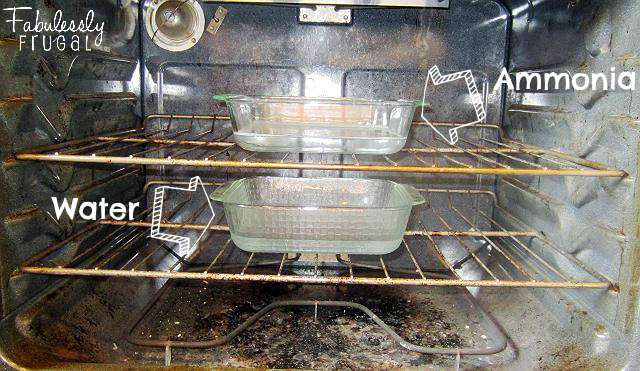
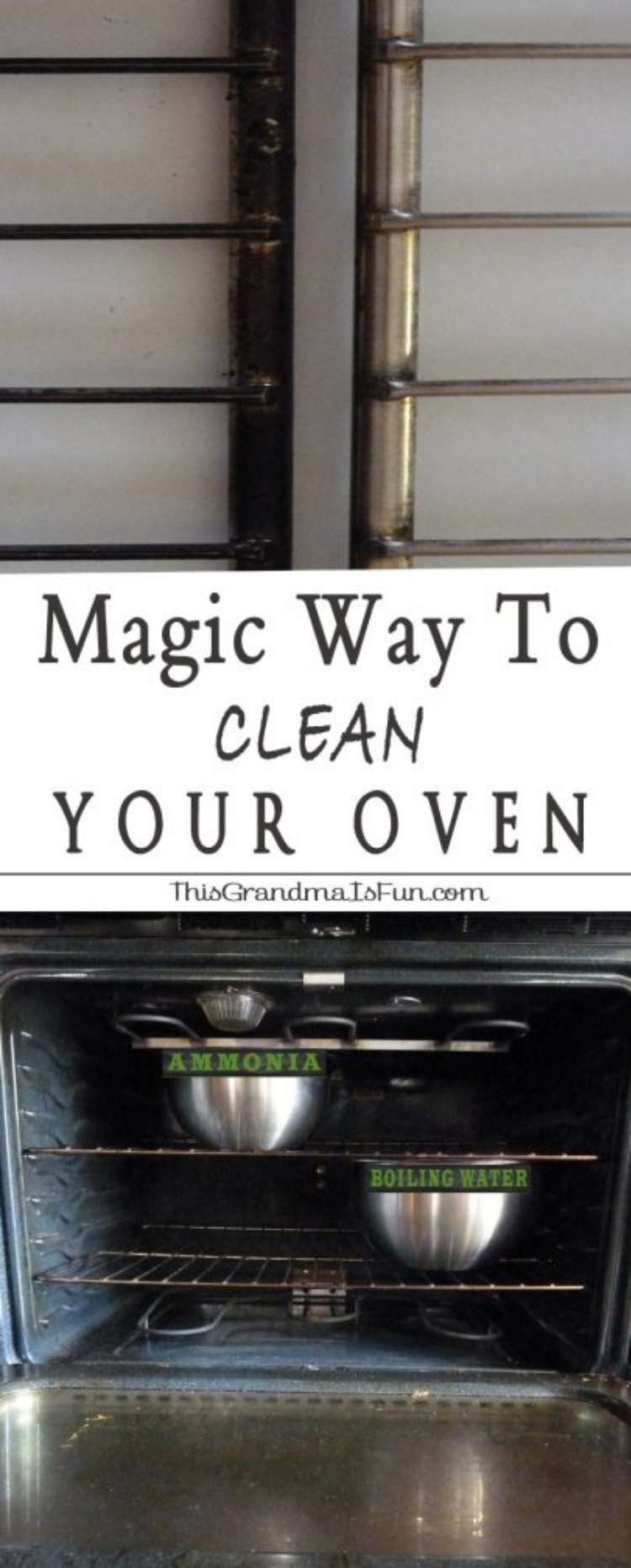
Pour about 1/2 cup (120 ml) of ammonia into an oven-safe dish. Place this dish on the top rack of your oven.
On the bottom rack, place a large tray or dish filled with about 2 liters of boiling water. The hot water helps the ammonia evaporate and spread through the oven.
4. Close The Oven And Leave Overnight
Close the oven door. Do not open it until morning. The oven must stay sealed so the ammonia fumes can work on the grime. Let it sit at least 8-12 hours, or overnight.
5. Air Out The Oven
In the morning, open the oven door slowly. Step back and let the first wave of fumes escape. Open windows if possible. Wear gloves and a mask if you are sensitive to smells.
Carefully remove the dishes of ammonia and water. Pour the used ammonia down the drain with plenty of water. Do not mix it with any other cleaning agents.
6. Wipe Away The Grime
Use a damp sponge or rag to wipe all surfaces inside the oven. Most of the grease and baked-on stains should come off easily. For tough spots, a gentle scrub pad can help.
If residue remains, dip your sponge in a mix of water and vinegar. This neutralizes any remaining ammonia and helps remove the last bits of dirt.
7. Clean The Oven Racks
If your oven racks are still dirty, wipe them with a rag dipped in the used ammonia water (wear gloves). Rinse well with hot water and dry.
8. Final Touch
Wipe the oven walls with a clean, damp cloth to remove any last traces of ammonia or grime. Leave the oven door open for a few hours before using it, to let any smells disappear.
Why This Method Works So Well
Ammonia breaks down the chemical bonds that hold grease and food residue to oven surfaces. Overnight, the fumes reach every corner, even places you cannot scrub easily. The hot water increases the effectiveness by making the air humid, which helps the ammonia work deeper.
Many people are surprised by how little scrubbing is needed. You might find that even old, burnt-on stains come off with just a sponge.
Comparing Ammonia Cleaning To Other Oven Methods
There are many ways to clean an oven. How does ammonia compare to the most popular alternatives? Here is a quick look.
| Method | Effort Required | Time Needed | Odor | Cost |
|---|---|---|---|---|
| Ammonia Overnight | Low | 8-12 hrs | Strong | Low |
| Baking Soda & Vinegar | Medium | 6-8 hrs | Mild | Low |
| Commercial Oven Cleaner | Medium-High | 2-4 hrs | Very Strong | Medium |
| Self-Cleaning Cycle | Very Low | 3-5 hrs | Very Strong/Smoky | None |
As you can see, ammonia cleaning is simple and affordable. However, it does have a strong smell, so good ventilation is important.
Safety Precautions And Common Mistakes
Cleaning with ammonia is safe if you follow some basic rules. However, many beginners make simple mistakes that can be avoided.
Key Safety Tips
- Never mix ammonia with bleach. This creates toxic gases.
- Always keep the kitchen well-ventilated.
- Wear rubber gloves to protect your skin.
- Store ammonia out of reach of children and pets.
- Do not use metal dishes for ammonia, as it can react with some metals.
- Rinse all surfaces well after cleaning.
Common Mistakes
- Not removing oven racks: Ammonia works best with racks removed.
- Forgetting to air out the oven: Always let fumes escape before wiping.
- Using too much ammonia: More is not better; 1/2 cup is enough.
- Mixing with other cleaners: Only use water and vinegar after ammonia.
- Not wiping down after: Any leftover ammonia can cause odor or taste in food later.
How Often Should You Use Ammonia To Clean Your Oven?
For most households, cleaning the oven with ammonia every 3-6 months is enough. If you cook a lot of greasy or baked dishes, you might need to do it more often. Regular wiping after each use keeps the oven cleaner for longer.
Who Should Avoid Using Ammonia?
While ammonia is safe for most people, some should avoid it:
- People with asthma or breathing problems
- Pregnant women (better to let someone else do the task)
- Homes with small children or pets who cannot be kept away
- Anyone sensitive to strong smells
For these groups, using baking soda and vinegar is a safer, milder option.
What If My Oven Is Self-cleaning?
Modern ovens often have a self-cleaning cycle. This heats the oven to a very high temperature to burn away grime. While effective, it can cause strong smoke and smells, and even damage some oven parts over time.
If your oven is self-cleaning, check your manual before using ammonia. Some manufacturers warn against using any chemicals inside a self-cleaning oven, as it can damage the surface.
Credit: hellamaid.ca
Can Ammonia Damage My Oven?
Used correctly, ammonia will not damage standard enamel or porcelain oven interiors. However, do not use ammonia on:
- Aluminum parts (it can discolor them)
- Sealed heating elements
- Electronic controls
If you are not sure about your oven type, check the manual or manufacturer’s website. Test a small spot if you are concerned.
Real-world Example: Ammonia Cleaning Results
A busy family tried the ammonia overnight method after years of using only soap and water. They found that stains that had built up over two years came off with just a wipe. The oven looked almost new, and cooking smells were gone.
The only drawback was the strong odor in the morning, which faded after a few hours with windows open.
Credit: fabulesslyfrugal.com
How To Keep Your Oven Clean Longer
After you have cleaned the oven, you want to keep it clean as long as possible. Here are some practical tips:
- Wipe up spills immediately: When food drips or spills, clean it after the oven cools.
- Use oven liners: Place a liner or tray on the lower rack to catch drips.
- Avoid overfilling dishes: This reduces the chance of spills.
- Clean racks and trays regularly: A quick wash every month prevents buildup.
- Leave the oven door open after use: This helps moisture and smells escape.
Comparing Ammonia To Baking Soda And Vinegar
Many people want to avoid chemicals and use natural cleaners. Baking soda and vinegar are popular, but how do they compare to ammonia?
| Feature | Ammonia | Baking Soda & Vinegar |
|---|---|---|
| Power on burnt stains | Very High | Medium |
| Odor | Strong | Mild |
| Safety | Needs caution | Safe |
| Time to clean | Overnight | 6-8 hrs |
| Scrubbing needed | Minimal | Some |
Ammonia is better for heavy, stuck-on grime. Baking soda and vinegar are good for regular cleaning or for people sensitive to chemicals.
Credit: www.thisgrandmaisfun.com
What To Do With Oven Windows And Doors
Oven doors and windows often get greasy too. You can use ammonia fumes to help loosen grime, but for glass, a separate wipe with vinegar and water works best. Spray the window with a mix of equal parts vinegar and water, let it sit for 10 minutes, then wipe with a paper towel.
Never pour ammonia directly on oven glass, as it can drip into the oven’s seals.
Extra Tips For Best Results
- Do not rush the overnight step. The longer the ammonia sits, the easier cleaning becomes.
- For very dirty ovens, a second overnight treatment may be needed.
- Always label the ammonia dish with “Do Not Touch” if others live in your home.
- Store leftover ammonia in a cool, dark place, tightly closed.
- If you spill ammonia, wipe up with lots of water right away.
Environmental Impact Of Using Ammonia
Ammonia, when used as described, has a lower environmental impact than many commercial oven cleaners. It breaks down quickly in water and air. However, always pour leftover ammonia down the drain with plenty of water. Never pour it outside, as it can harm plants and animals.
If you want to learn more about the chemical and its uses, you can visit the Wikipedia page on Ammonia.
Troubleshooting: What If The Oven Still Looks Dirty?
Sometimes, very old or thick grime will not come off in one night. Here is what you can do:
- Repeat the ammonia treatment for one more night.
- Use a plastic scraper (never metal) to gently lift stubborn spots.
- Try a mixture of baking soda and a few drops of water as a paste for extra scrubbing.
- For glass, use a razor scraper carefully, but only on flat, smooth glass.
If your oven is very old or damaged, some stains may be permanent. In this case, focus on keeping it as clean as possible going forward.
Frequently Asked Questions
How Long Should I Leave Ammonia In The Oven?
It’s best to leave ammonia in the oven overnight for 8-12 hours. This gives enough time for the fumes to loosen all the grime. Do not open the oven during this time.
Is It Safe To Use Ammonia In A Gas Oven?
Yes, ammonia can be used in gas ovens. Just make sure the oven is completely off and cool before placing the ammonia inside. Do not light the oven or turn it on while ammonia is inside.
What Should I Do If I Smell Ammonia After Cleaning?
If you still smell ammonia after cleaning, leave the oven door open for several hours. Wipe all surfaces with a damp cloth and let air flow in the kitchen. The smell will fade with time.
Can I Use Ammonia To Clean The Oven Racks?
Yes, you can soak oven racks in a solution of water and ammonia (outside or in a well-ventilated area). Rinse them well after soaking. Always wear gloves.
What Happens If I Mix Ammonia With Bleach By Mistake?
Never mix ammonia and bleach. If you do, leave the area immediately and get fresh air. This combination creates toxic gases that are dangerous. Call for help if you feel sick or dizzy.
Cleaning your oven with ammonia overnight is a simple, low-cost method that produces excellent results. With the right steps, a little patience, and attention to safety, you can enjoy a sparkling oven with less effort than you might think. Remember, every kitchen is different, but the basic process works for almost every home oven.
Try it once, and you may never go back to harsh scrubbing again.