
Handling raw chicken in the kitchen is a common part of cooking, but it also brings a serious risk: bacterial contamination. Pathogens like Salmonella and Campylobacter can easily spread from raw chicken to your sink, countertops, and even your hands. If your sink is not cleaned properly, these bacteria can remain and contaminate other foods and kitchen tools. This can lead to food poisoning, which is especially dangerous for children, the elderly, and anyone with a weakened immune system.
Many people believe a quick rinse with water is enough, but in reality, this does little to kill harmful bacteria. In fact, improper cleaning can spread germs further. Knowing how to clean your sink after raw chicken is not just about hygiene—it’s about keeping your family safe. This guide offers clear, step-by-step advice, practical tips, and expert insights to make sure your kitchen is not only clean but also safe. We’ll look at what products to use, how to disinfect correctly, and the common mistakes to avoid. By the end, you’ll feel confident that your sink is truly clean after handling raw chicken.
Why Cleaning After Raw Chicken Is Essential
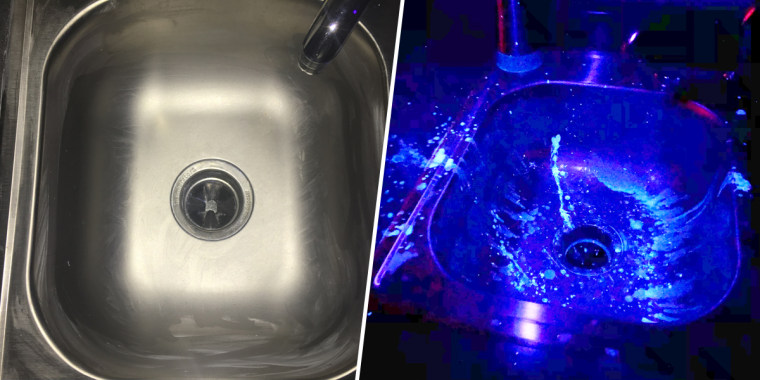
Raw chicken is a leading source of foodborne illness. According to the Centers for Disease Control and Prevention (CDC), about 1.35 million people in the United States get sick from Salmonella each year, much of it linked to poultry. Campylobacter, another common bacteria, infects even more people globally. These bacteria are invisible and can survive on surfaces for hours or even days.
When you rinse or prepare raw chicken, juices can splash onto the sink, faucet, and surrounding areas. If you then use the sink for washing fruits, vegetables, or utensils, you risk transferring these bacteria to other foods. Proper cleaning is not just about looks—it’s about breaking the chain of contamination.
What You Need Before You Start
Cleaning a sink after raw chicken requires more than just soap and water. Gathering the right supplies first makes the process quicker and more effective.
- Rubber gloves: Protect your hands from bacteria and cleaning chemicals.
- Dish soap: A degreasing type is best for removing fat and residue.
- Disinfectant: Use a product labeled as a kitchen disinfectant or a diluted bleach solution.
- Scrubbing brush or sponge: Preferably one just for cleaning the sink.
- Paper towels: For drying the sink and disposing of contaminated residue.
- Hot water: Essential for removing grease and helping disinfect.
- Old toothbrush: For scrubbing around the faucet and drain edges.
Many people skip gloves, but using them reduces the risk of bacteria entering small cuts or under your nails—a detail often missed by beginners.
Step-by-step Guide: Cleaning Your Sink After Raw Chicken
Step 1: Clear And Prepare The Sink
Before starting, remove any dishes, utensils, or food from and around the sink. Bacteria can quickly move to these items. If you have a sink mat or strainer, remove and wash it separately. Turn on the hot water and let it run for a few seconds to warm up the sink surface.
Step 2: Initial Rinse
Put on your gloves. Using hot water, rinse the sink to remove any visible chicken juice or loose debris. This step helps wash away most of the surface contamination but does not kill bacteria.
Step 3: Apply Dish Soap And Scrub
Add a few drops of dish soap to your scrubbing brush or sponge. Scrub the entire sink, including the sides, bottom, faucet, handles, and especially the drain area. Pay attention to areas where juices can collect, like seams or the base of the faucet.
For corners and tight spots, use an old toothbrush. This is a spot many people overlook, but bacteria can hide in these small spaces.
Step 4: Rinse Thoroughly
Rinse away all soap and loosened debris with hot water. Make sure no soap or residue is left, as this can reduce the effectiveness of disinfectants.
Step 5: Disinfect
This is the most important step. Use a kitchen disinfectant spray or a homemade solution (one tablespoon of unscented bleach to one gallon of water). Spray or wipe the entire sink, faucet, and drain area. Let the disinfectant sit for at least 5 minutes—this contact time is critical for killing bacteria.
Do not rush. Many cleaning products only work if they stay wet on the surface for several minutes. Check the label for the recommended time.
Step 6: Final Rinse And Dry
After disinfecting, rinse the sink again with hot water. Wipe everything dry with paper towels. Do not use kitchen towels, as these can spread bacteria to other surfaces if not washed immediately.
Dispose of the paper towels and gloves. Wash your hands with soap and water for at least 20 seconds.
Common Mistakes To Avoid
Many people make small errors that undo their cleaning efforts. Here are the most frequent mistakes and how to avoid them:
- Using the same sponge for dishes and the sink. Always keep a separate sponge just for sink cleaning.
- Skipping the disinfectant step. Soap cleans, but does not kill all bacteria.
- Not cleaning the faucet and handles. Hands often touch these during food prep.
- Drying with reusable towels. These can carry bacteria unless washed hot every time.
- Not letting disinfectant sit long enough. Wiping it off too soon reduces effectiveness.
How Long Bacteria Survive In The Sink
Bacteria from raw chicken can survive on stainless steel for hours to days. According to a study from the USDA, Salmonella can live up to 32 hours on dry surfaces and even longer in moist environments. This means a quick wipe is not enough.
Some bacteria can also form biofilms, a slimy layer that protects them from cleaning products. Regular, thorough cleaning is the only way to prevent this buildup.
Products That Work Best For Sink Disinfection
Not all cleaning products are equal. Here’s a quick comparison of common disinfectants for kitchen sinks:
| Product Type | Kills Salmonella? | Contact Time | Best For |
|---|---|---|---|
| Bleach Solution | Yes | 5 minutes | All sink types |
| Hydrogen Peroxide | Yes | 10 minutes | Stainless steel |
| Commercial Kitchen Spray | Check label | Varies | Quick cleaning |
| Vinegar & Baking Soda | No | n/a | Deodorizing only |
Bleach is the most reliable, but always rinse well to avoid residue. Hydrogen peroxide is good for those who prefer less harsh chemicals, but it takes longer. Vinegar and baking soda are not effective against dangerous bacteria.
Credit: www.nbcnews.com
Cleaning Different Sink Materials
Not all sinks are the same. The cleaning method is similar, but there are a few special tips depending on your sink’s material.
Stainless Steel
- Use non-abrasive sponges to avoid scratches.
- Rinse bleach thoroughly to prevent dulling.
- Dry after each use to prevent water spots.
Porcelain
- Avoid harsh scrubbing pads.
- Bleach is safe but rinse well.
- For stains, use baking soda paste before disinfecting.
Composite Or Granite
- Use mild cleaners; strong chemicals can damage the surface.
- Disinfect with hydrogen peroxide instead of bleach if unsure.
- Wipe dry to avoid water marks.
Copper
- Do not use bleach, as it reacts with copper.
- Use a mild dish soap and disinfect with hydrogen peroxide.
- Dry immediately after cleaning.
Disinfecting Sink Accessories
Many people forget to clean sink mats, strainers, and soap dishes. These can harbor bacteria just like the sink.
- Wash mats and strainers in hot, soapy water.
- Rinse and spray with disinfectant.
- Let them air dry completely before putting them back.
Soap dishes and dispensers should also be washed weekly. If you use a dish rack near your sink, clean it regularly as water and food particles can collect there.
How To Clean Around The Faucet And Handles
Faucet handles are touched often with dirty hands. Use a toothbrush or small brush to scrub around the base and handles with soap. Then spray with disinfectant and let sit. Wipe dry with a paper towel. This small step is often missed but is key to complete sink hygiene.
How To Prevent Cross-contamination During Cleanup
Cleaning up after raw chicken is not just about the sink. Here are extra steps to keep your kitchen safe:
- Wash hands before and after handling raw chicken.
- Clean countertops and any nearby surfaces that may have splashed.
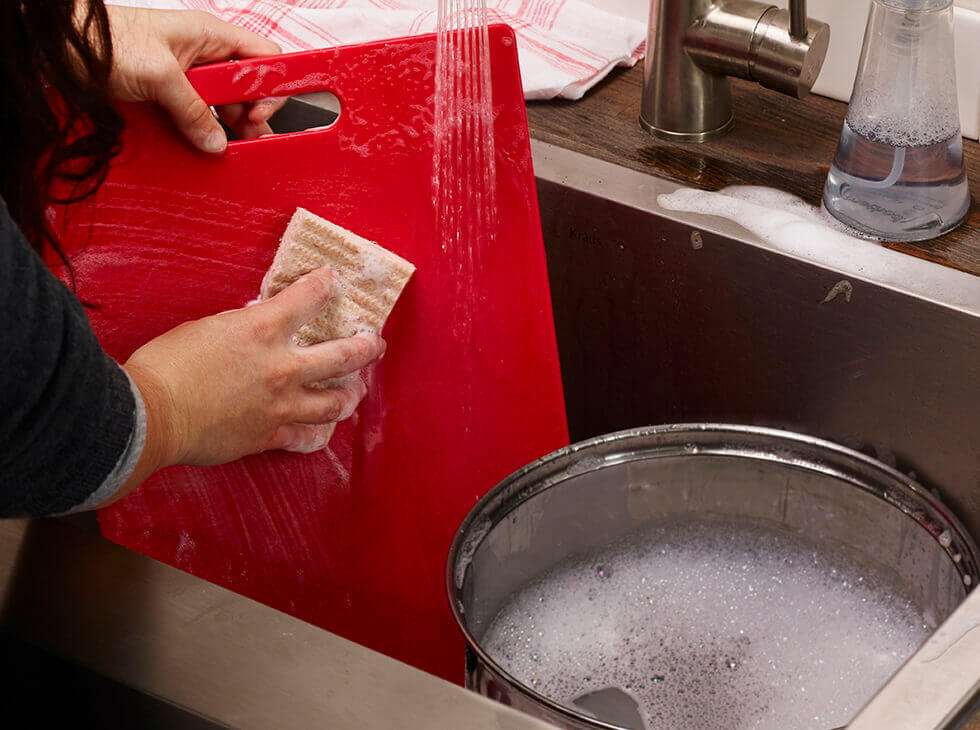
- Sanitize cutting boards and knives immediately after use.
- Use separate towels for hands and for drying dishes.
- Keep pets and children away from the kitchen during cleaning.
It’s easy to miss small splashes or drips. Shine a flashlight on the sink area to spot places you may have missed.
How Often Should You Disinfect The Sink?
If you prepare raw chicken, disinfect the sink immediately afterwards. For regular use, disinfect at least once a day. If you have a large family or cook often, twice daily is safer.
Weekly, do a deep clean: scrub all accessories, clean drains, and check for any buildup.
What To Do If You Think You Missed A Spot
If you realize you forgot a part of the sink, clean and disinfect it as soon as possible. Use hot water and disinfectant. If you’re worried about cross-contamination, wash any utensils or dishes stored in the sink area.
Comparing Sink Cleaning Methods
Sometimes you may hear about alternative methods—like using only boiling water or just vinegar. Here’s a quick side-by-side look:
| Cleaning Method | Effectiveness Against Bacteria | Ease of Use | Notes |
|---|---|---|---|
| Soap + Bleach Disinfectant | High | Moderate | Most reliable for poultry bacteria |
| Boiling Water | Medium | Easy | Not enough for deep cleaning |
| Vinegar Only | Low | Easy | Does not kill Salmonella |
| Hydrogen Peroxide | High | Moderate | Good for sensitive surfaces |
Soap and bleach are still the gold standard. Alternatives are better than nothing but do not guarantee safety after raw chicken.
Safe Disposal Of Cleaning Materials
After cleaning, it’s important to handle used items carefully:
- Throw away paper towels and disposable gloves in a covered trash can.
- Wash cleaning brushes and sponges in hot, soapy water. Disinfect them weekly.
- Replace sponges every 1-2 weeks or after cleaning up raw chicken spills.
This step is often forgotten, but using dirty tools spreads bacteria the next time you clean.

Credit: www.youtube.com
When To Replace Your Sink Cleaning Tools
A sponge or brush used for raw chicken cleanup should not be used for other kitchen tasks. Replace or disinfect these items frequently. A good tip: color code your sink cleaning tools, so they are never used for dishes or counters.
- Sponges: Replace every 2 weeks or after major raw meat cleanup.
- Brushes: Disinfect weekly and replace every 2-3 months.
- Cloths: Wash on hot with bleach after each use.
Deep Cleaning The Drain
The drain is a hidden area where bacteria can multiply. Pour a cup of boiling water down the drain after cleaning. Then scrub around the drain with a brush and disinfectant. For extra safety, remove the drain stopper and clean it separately.
A small amount of diluted bleach can be poured down the drain monthly to keep bacteria under control.
Credit: www.tyson.com
How To Clean Up After A Spill
If raw chicken juice spills beyond the sink, act fast:
- Blot up the spill with paper towels.
- Wash the area with hot, soapy water.
- Disinfect the spot and let it sit for 5 minutes.
- Rinse and dry with paper towels.
Check nearby items for splashes—bacteria can travel further than you think.
Safe Cleaning For Households With Kids Or Pets
If you have children or pets, they may touch the sink area. Use pet- and kid-safe disinfectants or rinse thoroughly to remove any chemical residue. Keep children and pets out of the kitchen during and after cleaning until all surfaces are dry.
What To Do If Someone Gets Sick
If someone in your home shows symptoms of food poisoning (vomiting, diarrhea, fever), see a doctor. Save any leftover chicken for possible testing and clean all kitchen surfaces again. Report severe or ongoing cases to your local health department.
For more details, you can read advice from the CDC.
Extra Tips For A Spotless Sink
- Use a microfiber cloth for a final polish after drying.
- Deodorize the drain with baking soda and hot water weekly.
- Leave the sink empty and dry when not in use.
- Store cleaning products nearby for quick access after handling raw meat.
- Consider a sink cover if you have young children.
Many people do not realize that even filtered water can leave behind minerals that trap bacteria. Wipe the sink dry to stop this.
Frequently Asked Questions
How Soon Should I Clean The Sink After Handling Raw Chicken?
You should clean and disinfect the sink immediately after handling raw chicken. Do not wait until later, as bacteria can multiply quickly and spread to other foods or kitchen items.
Is Hot Water Alone Enough To Disinfect The Sink?
No, hot water helps wash away grease and residue, but it does not kill all harmful bacteria from raw chicken. You must use a disinfectant to ensure your sink is safe.
Can I Use Vinegar Or Baking Soda To Disinfect After Raw Chicken?
Vinegar and baking soda are good for cleaning and removing odors, but they do not kill Salmonella or Campylobacter effectively. Use a product labeled as a disinfectant for best results.
Is It Safe To Use Bleach In A Stainless Steel Sink?
Yes, bleach is safe for most stainless steel sinks if you dilute it properly and rinse thoroughly after use. Do not let bleach sit too long, and always dry the sink afterwards to prevent spots.
How Can I Tell If My Sink Is Really Clean?
The sink should look and smell clean, but visual checks are not enough. Only proper cleaning with soap and a disinfectant will remove dangerous bacteria. If you’re not sure, repeat the disinfection step.
Keeping your kitchen safe after handling raw chicken is not difficult, but it does require careful steps. Make sink cleaning a habit, use the right products, and pay attention to small details. Your health—and your family’s—depends on it.