
A well-cooked meal on a Traeger grill delivers a smoky flavor that’s hard to beat. Yet, behind those perfect ribs or brisket is a part of your pellet grill that many owners forget: the fire pot. This small chamber is the heart of your Traeger, where pellets burn and heat is created. Over time, ash, grease, and debris can build up in the fire pot, causing problems like temperature swings, ignition failure, or even dangerous flare-ups. Cleaning your Traeger fire pot properly is essential for both food quality and grill longevity.
If you are new to pellet grilling, you might think cleaning is a boring chore. But keeping your fire pot clean is not hard once you know how. By following the right steps, you’ll prevent most common issues and get the most from your Traeger investment.
Why The Fire Pot Matters In Your Traeger Grill
Every Traeger grill uses a fire pot to burn wood pellets and create heat. The fire pot sits inside the cooking chamber, under the drip tray, and is fed by an auger. The hot rod ignites the pellets in the fire pot, producing both heat and smoke.
If the fire pot is dirty or blocked, several problems can occur:
- Poor ignition – Ash can smother the hot rod, making ignition slow or causing failure.
- Uneven heat – A blocked fire pot makes temperature control difficult, leading to cold spots.
- Flare-ups – Grease or ash buildup can catch fire, damaging the grill.
- Strange flavors – Old ash and grease can add bad tastes to your food.
For all these reasons, regular cleaning of the fire pot is essential. It isn’t just about hygiene—it’s about protecting your grill and your food.
Signs Your Traeger Fire Pot Needs Cleaning
Many grill owners wait until something goes wrong before cleaning their fire pot. Instead, watch for these common signs that cleaning is needed:
- Hard to start: The grill takes longer to ignite, or fails to start.
- Temperature swings: The grill can’t hold a steady temperature, or fluctuates widely.
- Smoke issues: You see more white smoke (from smoldering pellets) instead of thin blue smoke.
- Strange smells: Burnt, greasy, or acrid odors appear during cooking.
- Pellet overflow: Unburned pellets pile up in the fire pot after shutdown.
- Visual ash buildup: You see a thick layer of ash when you look into the fire pot.
Catching these signals early saves you time and prevents bigger problems.
Tools And Supplies You’ll Need
Before you start, gather these items:
- Shop vacuum (with hose and small nozzle)
- Small brush (nylon or brass)
- Putty knife or scraper
- Paper towels or rags
- Mild degreaser (optional, for stubborn grease)
- Disposable gloves
- Flashlight (for better visibility)
- Bucket or trash bag (for debris)
- Screwdriver (for removing panels, if needed)
Using the right tools makes the job faster and prevents accidental damage.
Safety Precautions Before Cleaning
Safety should always come first with any grill maintenance. Before you start, follow these steps:
- Power off: Unplug your Traeger grill from the electrical outlet.
- Cool down: Make sure the grill and fire pot are completely cool—wait at least 30-60 minutes after cooking.
- Remove pellets: Empty the hopper and burn off remaining pellets, or scoop them out to avoid spills.
- Work outside: Clean in a well-ventilated, outdoor area to avoid inhaling dust or fumes.
- Wear gloves: Protect your hands from sharp edges, ash, and grease.
Never attempt to clean a hot or plugged-in grill.

Credit: www.youtube.com
Step-by-step: How To Clean Your Traeger Fire Pot
Cleaning the fire pot is simple if you follow a logical order. Here’s a clear, detailed process:
1. Disassemble The Cooking Chamber
Start by removing parts that block access to the fire pot:
- Open the grill lid.
- Lift out the grill grates and set them aside.
- Remove the drip tray and heat baffle (the angled metal plate above the fire pot).
- If needed, use a screwdriver to loosen any holding screws.
This gives you clear access to the fire pot for thorough cleaning.
2. Inspect The Fire Pot
Shine a flashlight into the fire pot. Check for:
- Excess ash (more than ¼ inch)
- Clumps of unburned pellets
- Grease residue or sticky buildup
- Signs of rust or corrosion (rare, but check)
A quick inspection helps you see where to focus your cleaning.
3. Remove Ash And Debris
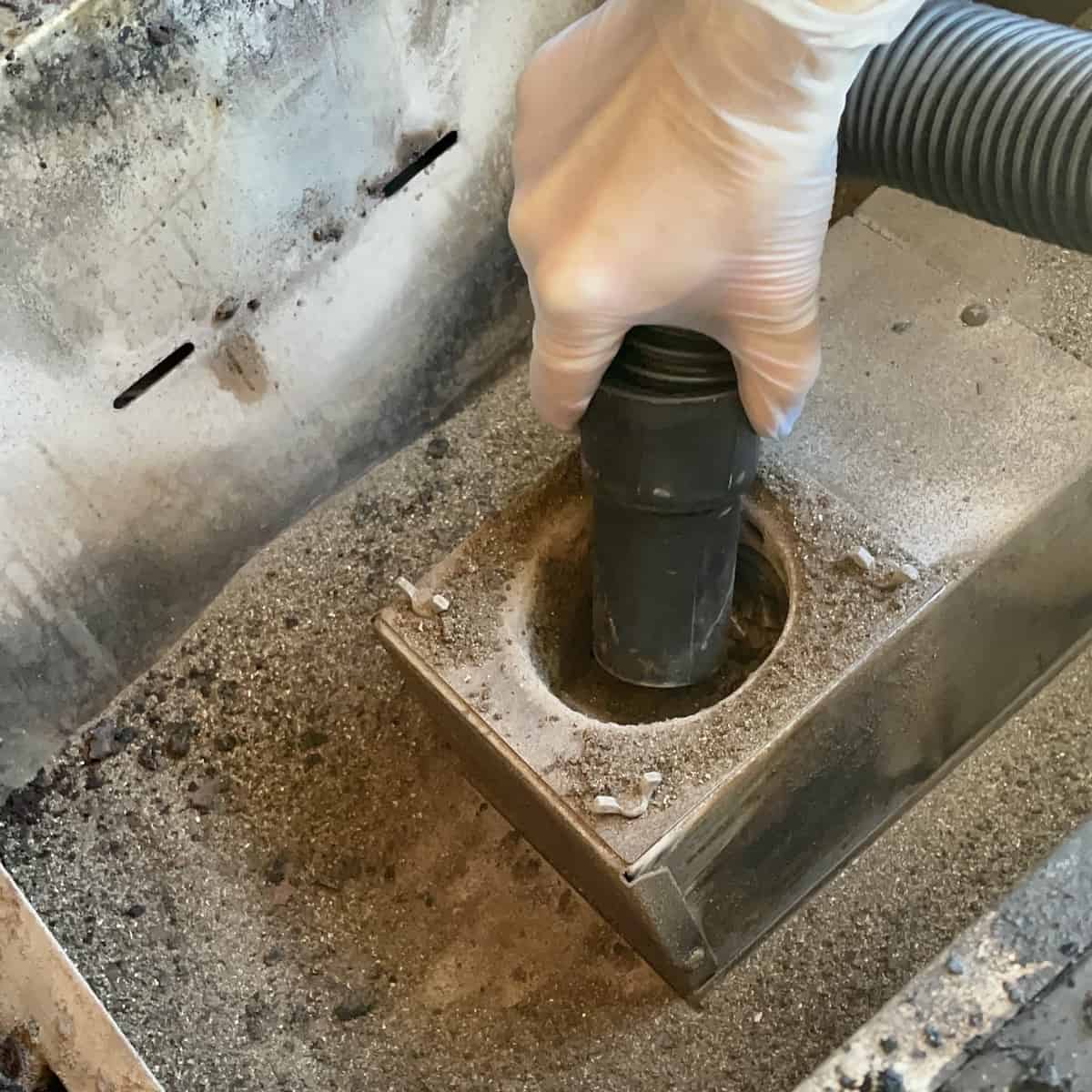
Use your shop vacuum with a narrow nozzle to carefully suck out all loose ash and pellets from the fire pot. Be gentle to avoid damaging the hot rod or sensors.
- Move the vacuum slowly around the pot edges.
- If you don’t have a vacuum, use a small brush or scoop.
- Avoid blowing ash—this spreads dust everywhere.
For stubborn bits, gently scrape the sides with a putty knife.
4. Clean The Hot Rod And Sensors
The hot rod is a metal bar that ignites the pellets. If it’s covered with ash or grease, ignition will be weak.
- Use a dry brush to gently sweep ash off the hot rod.
- Do not use water or harsh chemicals.
- Wipe sensors or wires with a dry cloth only.
If you notice any damage to the hot rod, consider replacing it.
5. Scrape Out Stubborn Buildup
Sometimes grease or carbon sticks to the fire pot walls. Use your putty knife or scraper to loosen thick deposits.
- Avoid scraping too hard—don’t gouge or bend the metal.
- For sticky spots, a little mild degreaser on a rag can help.
- Wipe the area clean with a dry paper towel.
Never let water collect in the fire pot—it can cause rust and damage.
6. Reassemble Your Grill
Once the fire pot is clean:
- Replace the heat baffle and drip tray.
- Put the grill grates back in position.
- Make sure all parts fit snugly and nothing is left loose.
Check for leftover tools or rags before closing the lid.
7. Test For Proper Operation
Plug the grill back in and run a short “smoke” cycle to make sure pellets ignite and smoke is normal.
- Watch for even smoke and quick ignition.
- If the grill struggles to start, double-check for leftover ash or debris.
A clean fire pot should produce thin blue smoke and stable heat.
How Often Should You Clean The Traeger Fire Pot?
Cleaning frequency depends on how often you use your Traeger:
- Light use (1-2 cooks/month): Clean the fire pot every 2-3 months.
- Moderate use (weekly): Clean every 4-5 cooks, or once a month.
- Heavy use (multiple cooks/week): Clean every 2-3 cooks.
Always check the fire pot after long or very greasy cooks—pork butts, brisket, or fatty foods make more ash and drips.
A good habit is to vacuum the fire pot every time you deep-clean the grill.
Credit: fancyaproncooking.com
What Happens If You Don’t Clean The Fire Pot?
Some owners skip cleaning, thinking it’s not important. Here’s what can go wrong:
- Ignition failures: Ash can block the hot rod, making starts unreliable.
- Fire pot overflow: Unburned pellets pile up and smother the flame, causing the grill to shut down or send error codes.
- Temperature swings: The fire can’t breathe, leading to wild temperature changes.
- Back burns: Pellets can ignite back into the auger, risking damage.
- Grease fires: Built-up grease catches fire, damaging the grill and risking safety.
Not cleaning the fire pot will shorten your grill’s life and ruin your cooking experience.
Cleaning The Fire Pot Vs. Cleaning The Whole Grill
You might wonder if cleaning the fire pot is enough, or if you should clean the whole grill every time. Here’s a quick comparison:
| Cleaning Task | How Often | Why It Matters |
|---|---|---|
| Fire Pot | Every 2-5 cooks | Prevents ignition and heat problems |
| Drip Tray | Every 4-6 cooks | Avoids grease fires and flare-ups |
| Grill Grates | After every cook | Keeps food clean, prevents sticking |
| Hopper/Auger | Every 2-3 months | Prevents jams and moisture problems |
You don’t need to deep clean the whole grill every time, but the fire pot needs regular attention.
Different Traeger Models: Are There Cleaning Differences?
Traeger makes many grill models, from the Pro Series to the Ironwood, Timberline, and portable models. The basic cleaning steps are the same, but here are a few model-specific tips:
- Pro Series: Standard fire pot design. Easy to access after removing grates and drip tray.
- Ironwood/Timberline: May have extra insulation or a slightly different baffle. Check the manual for part removal.
- Tailgater/Ranger: Smaller fire pot, but cleaned the same way. Use a small brush for tight spaces.
- Older models: Some require a screwdriver to remove the heat baffle.
If you’re unsure, check your model’s manual for diagrams and part names.
Common Mistakes When Cleaning A Traeger Fire Pot
Even experienced owners make cleaning mistakes. Avoid these to keep your grill working its best:
- Forgetting to unplug: Always cut power before cleaning to avoid electric shock.
- Cleaning while hot: Hot ash and metal can burn you—wait for full cool-down.
- Using water: Water can damage the hot rod and cause rust. Use dry brushes and vacuums only.
- Ignoring the hot rod: If ash builds up here, ignition will fail.
- Rushing: Skipping small areas leads to buildup and future problems.
- Damaging sensors: Be gentle around wires and electronic parts.
- Leaving tools inside: Double-check before reassembling the grill.
Take your time—the few extra minutes will save hours of frustration later.
Tips For Easier Fire Pot Cleaning
You can make future cleaning faster and simpler by following these tips:
- Vacuum regularly: A quick vacuum every few cooks prevents buildup.
- Burn off after greasy cooks: Run a high-heat cycle for 15 minutes to burn off extra grease.
- Line the drip tray: Use Traeger liners or heavy-duty foil to catch grease and reduce mess.
- Store pellets dry: Wet pellets make more ash and can clog the fire pot.
- Inspect after long cooks: Large briskets or pork butts create more ash—check the fire pot after each big cook.
Many owners find that a little frequent cleaning takes less time than fixing big problems later.
How To Handle Difficult Buildup Or Grease
Sometimes, you’ll find hard carbon or sticky grease in the fire pot. Here’s what to do:
- Scrape gently: Use a putty knife to loosen thick deposits.
- Degrease safely: For stubborn grease, spray a small amount of mild degreaser on a rag (not directly in the fire pot) and wipe.
- Repeat as needed: Don’t force it—repeat gentle cleaning rather than scraping too hard.
- Let dry completely: Before reassembling, make sure all cleaned parts are dry.
Never use strong chemicals or soak the fire pot—this can damage the metal or electronics.
How To Tell If Your Fire Pot Needs Replacement
A fire pot can last many years, but sometimes it must be replaced. Look for these signs:
- Heavy rust or pitting that can’t be cleaned
- Cracked or warped metal
- Hot rod won’t ignite even after cleaning
- Large holes or corrosion
Replacement fire pots are available online and are easy to install—just follow your grill’s manual.
Comparing Home Cleaning To Professional Grill Cleaning Services
Some grill owners hire professionals for deep cleaning. How does this compare to DIY?
| Cleaning Method | Cost | Effort | Quality |
|---|---|---|---|
| DIY Home Cleaning | Low (free to <$20) | Moderate (1-2 hours) | Very good (if done carefully) |
| Professional Service | High ($100+ per visit) | None | Excellent (deep clean, more detail) |
Most owners can do a great job at home with simple tools. Professionals are a good option if you’re short on time or the grill is very dirty.

Credit: www.reddit.com
Ash Disposal: Safe And Responsible Methods
After cleaning, you’ll have a pile of ash and debris. Here’s how to dispose of it safely:
- Let it cool: Ash can stay hot for hours. Store it in a metal container for 24 hours before disposal.
- Bag it: Once cold, bag ash and put it in your regular trash.
- Garden use: Wood pellet ash (free of chemicals) can be sprinkled sparingly in gardens as a soil amendment—but only in small amounts.
- Never dump hot ash: Hot ash can cause fires if disposed of too soon.
Always check your local waste disposal guidelines for ash.
Extra Maintenance Tips For A Reliable Traeger
Cleaning the fire pot is just one part of grill care. Here are a few extra maintenance habits that make a big difference:
- Check the pellet hopper: Remove old or wet pellets every few weeks.
- Inspect the auger: Make sure it turns smoothly and isn’t jammed.
- Clean the chimney: A blocked chimney affects smoke flow.
- Wipe exterior surfaces: Keeps your grill looking new and prevents rust.
Regular maintenance is the secret to great food and long grill life.
Troubleshooting: If Your Grill Still Has Issues After Cleaning
Sometimes, even after a full fire pot cleaning, your Traeger may have problems. Here’s what to check:
- Hot rod: If the grill won’t ignite, the hot rod may be worn out.
- Pellet quality: Old or damp pellets make poor smoke and more ash.
- Fan operation: The internal fan must blow air for good combustion—listen for it during startup.
- Controller settings: Double-check your temperature settings and grill mode.
- Error codes: If your Traeger shows an error, check the manual for solutions.
If you’ve cleaned the fire pot and checked all of these, contact Traeger support for help.
The Value Of Regular Fire Pot Cleaning
A clean fire pot means:
- Reliable ignition every time
- Steady, controllable heat
- Perfect smoke flavor without bitterness
- Longer grill life
- Fewer repairs and errors
Many grill owners are surprised how much difference this small task can make. Your Traeger will thank you—and so will your taste buds.
Frequently Asked Questions
How Often Should I Clean My Traeger Fire Pot?
For most users, clean the fire pot every 2-5 cooks, or at least once a month. Heavy users or those cooking fatty meats should clean more often. Regular cleaning prevents most common grill problems.
Can I Use Water To Clean The Fire Pot?
No, never use water in the fire pot. Water can damage the hot rod and cause rust. Use a dry brush, vacuum, or mild degreaser (on a rag only) for stuck grease.
What If I See Unburned Pellets After Cooking?
Unburned pellets in the fire pot usually mean poor combustion, often caused by ash buildup. Clean the fire pot, check your pellet quality, and run a short smoke cycle to ensure proper operation.
Is It Safe To Vacuum Out Hot Ash?
No, always wait for ash to cool completely before vacuuming. Hot ash can damage the vacuum or cause a fire. Unplug and let the grill cool for at least 30-60 minutes after cooking.
Where Can I Get More Help Or Replacement Parts?
For detailed guides, replacement fire pots, and troubleshooting, visit the official Traeger website. They offer diagrams, videos, and customer support for all models.
A little regular fire pot cleaning is a small investment with big rewards. With a clean Traeger, every meal is a success—delicious, reliable, and safe. Happy grilling!