
Keeping your Traeger grates clean is not just about food safety—it’s about flavor, performance, and even the life of your grill. Many Traeger owners love the rich, smoky taste these pellet grills create, but few realize how much a dirty grate can change that. Grease build-up, carbonized food, and even old ash can affect every meal. If you want your next barbecue to taste as good as the first, learning how to clean Traeger grates properly is essential. This guide walks you through each step, tools you need, mistakes to avoid, and even answers common questions. Whether you’re new to pellet grills or a seasoned cook, you’ll find tips here that make cleaning easier and more effective.
Why Cleaning Traeger Grates Matters
Many grill owners clean only when there’s a problem. However, regular cleaning offers many benefits you might not expect.
A clean grate gives you better heat transfer, which means your food cooks more evenly. It also prevents sticking, so your steaks and burgers release easily. Grease and residue can cause flare-ups, which are dangerous and can ruin the taste of your food.
There’s another factor: smoke flavor. When grates are dirty, burnt-on bits can create bitter smoke that overpowers your wood pellets’ true aroma. In severe cases, heavy build-up can attract pests or even mold if the grill is unused for a while.
Finally, routine cleaning helps your grill last longer. Rust and corrosion often start where grease and moisture linger. By keeping grates clean, you protect your investment and avoid expensive repairs.
Understanding Traeger Grates: Materials And Challenges
Not all grill grates are the same. Traeger offers a few different types:
- Porcelain-coated steel: These are common on most Traeger models. They resist rust and are easy to clean, but can chip if scrubbed with metal tools.
- Stainless steel: Found on premium models, these grates are tough and resist rust, but can discolor with high heat.
- Cast iron: Less common, but some owners upgrade for better heat retention. They need oiling and careful cleaning to avoid rust.
Knowing your grate type is important because the wrong cleaner or tool can cause damage. For example, metal brushes can scratch porcelain, and soap can strip seasoning from cast iron. Always check your user manual if you’re not sure.
Here’s a quick comparison:
| Material | Cleaning Difficulty | Heat Retention | Rust Resistance | Common Issues |
|---|---|---|---|---|
| Porcelain-coated steel | Easy | Medium | High (unless chipped) | Chipping, scratching |
| Stainless steel | Moderate | Medium | High | Discoloration |
| Cast iron | Hard | High | Low (if not seasoned) | Rusting |
Understanding these differences helps you choose the right tools and cleaning method.
Essential Tools And Supplies
You don’t need expensive gear to clean your Traeger grates, but a few basic items make the job much easier:
- Grill brush: Use a nylon or soft-bristled brush for porcelain, a stainless steel brush for stainless grates, or a gentle scraper for cast iron.
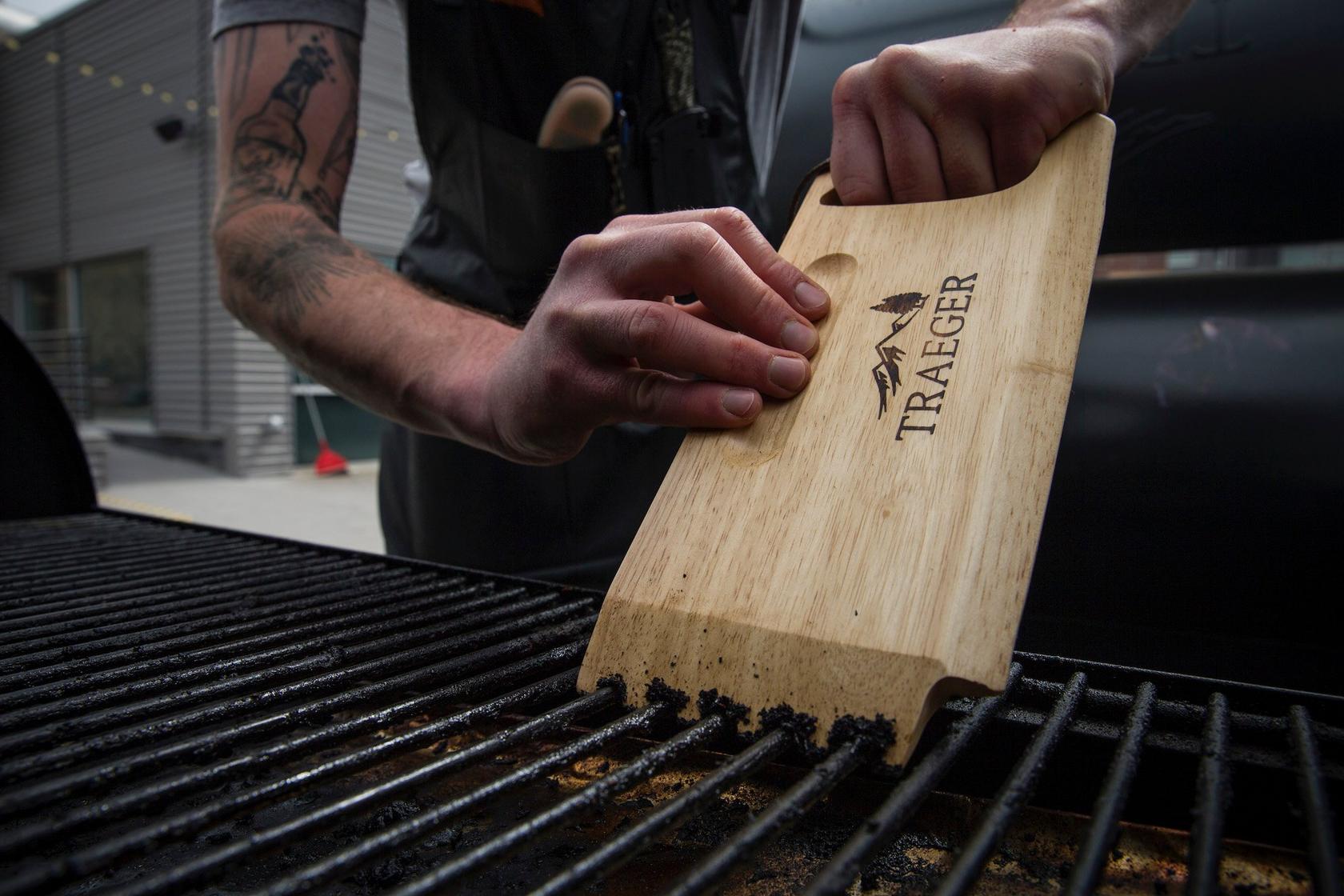
- Grate scraper: Helps remove stubborn debris without scratching.
- Mild dish soap: Breaks down grease without damaging finishes.
- Bucket of warm water: For soaking and rinsing.
- Microfiber cloth or sponge: Wipes away residue.
- Vegetable oil: For seasoning cast iron grates.
- Gloves: Protect your hands from grease and chemicals.
- Vacuum or shop vac: Useful for cleaning ash under the grates.
- Spray bottle: Mix water and vinegar or soap for spot cleaning.
Avoid using wire brushes with loose bristles, as these can break off and stick to the grates, creating a food safety hazard.
Step-by-step: How To Clean Traeger Grates
Cleaning your Traeger grates can be divided into routine cleaning (after each use) and deep cleaning (every few cooks or after heavy use). Here’s how to do both safely and effectively.
Routine Cleaning (after Each Use)
This process keeps your grates in great shape and takes just a few minutes.
- Preheat the grill: After cooking, turn the heat to high (about 450°F) for 10-15 minutes. This burns off most food residue.
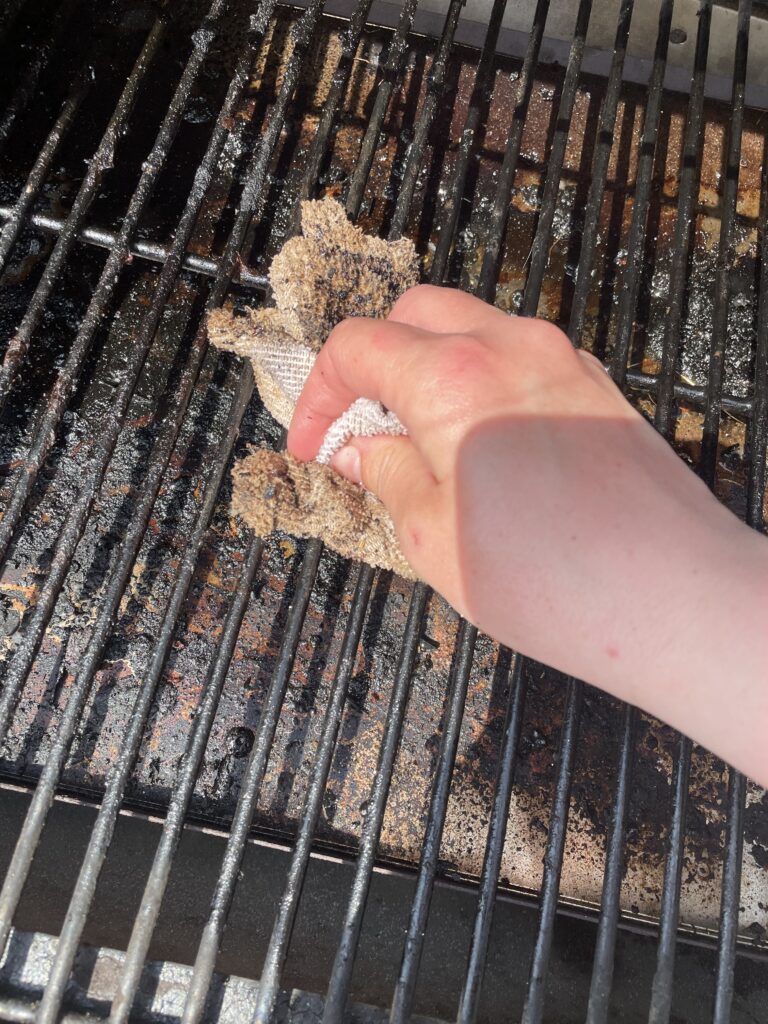
- Brush the grates: While the grates are still warm (but not too hot to touch), use your grill brush or scraper to remove any remaining bits.
- Wipe with a damp cloth: If there’s still residue, use a damp cloth or paper towel to wipe it away.
- Let cool: Allow the grill to cool with the lid open to prevent steam and condensation.
Deep Cleaning (every 3-5 Cooks Or Monthly)
Deep cleaning removes grease, carbon, and ash that accumulate over time.
- Turn off and unplug the grill: Safety first. Make sure the unit is cool and disconnected from power.
- Remove grates: Take the grates out and set them on a flat surface.
- Soak grates: Fill a bucket or large container with warm, soapy water. Let the grates soak for 15-30 minutes to loosen stubborn debris.
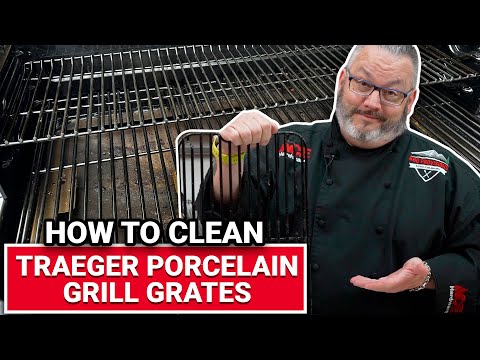
- Scrub gently: Use your brush or scraper to remove stuck-on food. For porcelain grates, avoid metal tools.
- Rinse well: Use clean water to wash away soap and debris.
- Dry completely: Wipe the grates with a dry towel. Leaving grates wet invites rust, especially for cast iron.
- Clean the grill interior: While grates are out, vacuum ash and wipe grease from the drip tray, firepot, and walls.
- Reinstall grates: Put the grates back in place.
- Season if needed: For cast iron, rub a thin layer of vegetable oil on the grates, then heat the grill for 10 minutes to set the seasoning.
Special Cleaning For Stubborn Build-up
Sometimes, regular cleaning isn’t enough. Here’s what to do if you have heavy carbon or grease build-up:
- Baking soda paste: Mix 3 parts baking soda with 1 part water. Spread on the grates, let sit for 20 minutes, then scrub and rinse.
- Vinegar spray: Fill a spray bottle with equal parts white vinegar and water. Spray on cool grates, let sit for 5 minutes, then wipe clean.
- Commercial grill cleaner: Only use cleaners labeled safe for your grate material. Rinse thoroughly after use.
Never use oven cleaner on porcelain or cast iron—it can ruin the surface.
Seasoning And Protecting Grates After Cleaning
After cleaning, it’s important to protect your grates to prevent rust and sticking. This is especially true for cast iron, but even stainless steel and porcelain benefit from a light oiling.
- Apply oil while warm: Use a paper towel or brush to apply a thin layer of vegetable oil to the grates after drying. This helps create a non-stick surface.
- Heat to set: Turn the grill to medium-high for 10-15 minutes. The oil will bond to the metal, improving performance and flavor.
- Repeat as needed: For new or recently deep-cleaned grates, you may need to season them a few times for best results.
Many people skip this step, but it makes a big difference in both food quality and grate lifespan.
Cleaning Other Parts Of Your Traeger Grill
While the grates are the focus, the rest of your Traeger also needs regular cleaning. Ignoring these parts can lead to smoke issues, poor heating, and mechanical problems.
Drip Tray And Grease Management
The drip tray catches grease and food drippings. If it gets clogged, you risk grease fires and poor smoke flow.
- Line the tray with aluminum foil for easy cleaning.
- Remove and wipe the tray during deep cleans.
- Check the grease bucket and empty it regularly.
Firepot And Ash
Pellet grills create ash with every cook. Too much ash can choke the fire and cause temperature swings.
- Use a shop vac to remove ash from the firepot and grill bottom.
- Do this every 2-3 cooks or when you notice uneven heat.
Exterior Surfaces
A clean exterior not only looks good, but it also prevents rust and wear.
- Wipe down with a damp cloth and mild soap.
- Dry thoroughly to keep the paint and finish in good shape.
How Often Should You Clean Traeger Grates?
Cleaning frequency depends on how often you use your grill, what you cook, and even the weather. Here are some general guidelines:
- After every cook: Quick brush and wipe-down.
- Every 3-5 cooks: Deep clean grates and remove ash.
- Monthly: Clean drip tray, grease bucket, and interior surfaces.
- Seasonally: Full inspection and cleaning, including all parts and the exterior.
If you grill fatty foods like ribs or burgers often, you may need to clean more frequently to prevent grease fires.
Common Mistakes To Avoid
Many Traeger owners make small errors that create big problems later. Here are some common pitfalls:
- Using metal brushes on porcelain grates: This can chip the surface, leading to rust.
- Skipping seasoning: Especially for cast iron, not oiling after cleaning leads to rust and sticking.
- Letting grates stay wet: Always dry thoroughly to prevent corrosion.
- Neglecting the firepot and drip tray: Grease and ash build-up can cause performance issues or even fires.
- Using harsh chemicals: Oven cleaners and strong degreasers can damage the finish and leave residues that affect taste.
- Not checking the user manual: Each Traeger model is a little different. Always review the manual before using new products or tools.
Advanced Cleaning Tips For Best Results
If you want your Traeger to perform like new, try these less obvious techniques:
- Reverse burn-off: After a deep clean, run the grill at high heat with the lid closed for 10-15 minutes. This sterilizes the grates and burns off leftover oil or moisture.
- Lemon and salt scrub: For stubborn spots, cut a lemon in half, dip it in salt, and scrub the cool grates. The acid and abrasion remove build-up naturally.
- Steam cleaning: Place a tray of water inside the preheated grill for 15 minutes. The steam helps loosen grease, making it easier to wipe away.
Many professionals use these tricks for a final polish that keeps their grills in top condition.
When To Replace Traeger Grates
Even with the best cleaning, grates won’t last forever. Here are signs it’s time for a replacement:
- Deep rust that doesn’t brush off
- Large chips or cracks in porcelain coating
- Warped or bent grates
- Metal fatigue or holes
If you notice food sticking more than usual, uneven heating, or visible damage, new grates can restore performance and safety.
Replacement grates are available through Traeger and many grill retailers. Always match the size and material to your grill model.
Safety Tips During Cleaning
Cleaning can be messy, but safety should always come first:
- Always unplug or turn off the grill before cleaning.
- Wear gloves to protect your hands from grease and sharp edges.
- Clean in a well-ventilated area to avoid inhaling fumes from cleaners or burnt-on food.
- Dispose of grease and cleaning water properly—never pour down outdoor drains.
If you use commercial cleaners, read the label carefully and rinse all surfaces before cooking again.
Environmental Considerations
Grill cleaning can create waste, but you can reduce your impact with a few changes:
- Use biodegradable soaps and cleaners.
- Recycle aluminum foil and properly dispose of grease.
- Avoid single-use brushes; choose tools with replaceable heads.
- Consider composting food scraps removed from the grates.
Responsible cleaning keeps both your grill and the environment in good shape for future cookouts.
Credit: aqueenathekitchen.com
Troubleshooting Cleaning Problems
Sometimes, things don’t go as planned. Here are solutions for common cleaning issues:
Grease Won’t Come Off
Try a baking soda paste or vinegar spray, as described above. For stubborn spots, repeat the soak and scrub process.
Grates Look Dull After Cleaning
This is common, especially for stainless steel. Lightly oil and heat to restore shine and create a non-stick surface.
Grates Rust After Cleaning
Ensure you’re drying thoroughly and applying oil. If rust is severe, consider using a specialty grate restorer or replacing the grates.
Food Still Sticks After Cleaning
Season the grates with oil and run the grill at medium-high heat for 15 minutes. This creates a better non-stick surface.
Comparing Traeger Grate Cleaning To Other Grill Brands
You might wonder how cleaning Traeger grates compares to other popular brands. Here’s a quick look:
| Brand | Grate Material | Cleaning Difficulty | Special Requirements |
|---|---|---|---|
| Traeger | Porcelain, stainless, cast iron | Easy-Moderate | Vacuum ash, avoid metal on porcelain |
| Weber | Porcelain, stainless, cast iron | Easy-Moderate | Similar to Traeger |
| Char-Broil | Porcelain, stainless | Easy | More frequent cleaning for gas |
| Green Mountain | Stainless, porcelain | Moderate | Frequent ash removal |
Traeger grates are straightforward to clean, especially compared to some charcoal or gas grills that require more frequent maintenance.
Credit: www.youtube.com
Real-world Example: A Complete Cleaning Routine
Let’s walk through a real scenario. Imagine it’s the end of summer, and you’ve used your Traeger every weekend. Here’s how you’d do a full clean:
- Unplug and cool down: Safety first.
- Remove grates and soak: Use a large plastic tub and warm, soapy water.
- Scrub: Use a nylon brush for porcelain grates, scrubbing each bar.
- Rinse and dry: Lay the grates out in the sun or use towels.
- Vacuum ash: Open the grill and use a shop vac to remove ash from the firepot and bottom.
- Wipe interior: Use a damp cloth to clean the drip tray, inside walls, and grease chute.
- Oil grates: Apply vegetable oil, then heat the grill for 10 minutes.
- Clean exterior: Use soap and water, then dry.
- Inspect all parts: Check for rust, cracks, or other damage.
- Reassemble: Place everything back and your grill is ready for the next cookout.
This process might take an hour, but it’s worth it for safety, taste, and grill life.
Expert Insights: What Most Beginners Miss
Even experienced grillers sometimes overlook these points:
- Consistent cleaning is easier: Small, regular cleanings are much easier than letting grime build up for months.
- Grate temperature affects cleaning: Warm grates (not hot!) Are much easier to clean than cold ones. The heat softens grease and makes it easier to brush away.
- Check the firepot: Many people forget to clean the firepot, which is key for even heating and smoke.
Credit: www.traeger.com
Frequently Asked Questions
How Do I Clean Traeger Grates Without Removing Them?
You can clean grates in place by heating the grill to high for 10-15 minutes, then using a grill brush or scraper to remove residue. For deeper cleaning, wipe with a damp cloth and let cool. For best results, remove grates occasionally for a full soak and scrub.
Can I Put Traeger Grates In The Dishwasher?
Most Traeger grates are not dishwasher safe, especially porcelain-coated or cast iron. The harsh detergents and water jets can damage the coating or cause rust. Always clean grates by hand with mild soap and water.
What’s The Safest Grill Brush For Traeger Grates?
A nylon brush is safest for porcelain-coated grates, while a stainless steel brush works for stainless steel grates. Avoid wire brushes with loose bristles, as they can break off and stick to food. Scrapers or pumice stones are also a good alternative.
How Do I Prevent Rust On Traeger Grates?
Always dry grates thoroughly after cleaning, and apply a thin layer of oil. Store your grill covered and out of the rain. For cast iron grates, regular seasoning is essential to prevent rust.
Where Can I Find Official Cleaning Tips From Traeger?
The official Traeger website offers detailed cleaning guides and videos. For the latest recommendations, visit Traeger Grill Maintenance.
Grilling is about more than just great food—it’s about caring for your equipment and making every meal memorable. With the right cleaning routine, your Traeger will deliver perfect results for years to come. Whether you grill every weekend or just a few times a year, these cleaning steps will keep your food tasting delicious and your grill working like new.