
Cooking on a wood burning stove is more than just preparing food—it’s a return to traditional skills, resourcefulness, and a unique flavor experience. Many people today want to learn this method, whether for off-grid living, emergency preparedness, or simply to enjoy the warmth and nostalgia.
But for beginners, it can feel confusing. How do you control the heat? What cookware should you use? Is it safe? This guide will explain every step, from starting your fire to serving your meal, so you can cook confidently on a wood burning stove.
You’ll discover practical tips, common mistakes to avoid, and even a few secrets that most newcomers miss.
Understanding Your Wood Burning Stove
Before you cook, you need to know your stove. There are several types, each with strengths and limitations. Some are simple cast iron boxes, while others have ovens, water tanks, or glass doors. The way you use them can change depending on their design.
How A Wood Burning Stove Works
A wood burning stove creates heat when you burn wood inside a firebox. The heat rises, warming the stove’s surface and sometimes an attached oven or hot water tank. Air flow is managed by dampers (small levers or wheels), which control how fast the fire burns.
More air means a hotter, faster fire; less air keeps it slow and steady.
Key Stove Parts For Cooking
- Firebox: Where the wood burns. Most direct heat comes from here.
- Stovetop: The main cooking surface. Heat is hottest directly above the firebox, cooler at the edges.
- Oven (if present): Some stoves have a built-in oven for baking.
- Warming shelves: Small ledges or racks above or beside the stove for keeping food warm.
Knowing these parts helps you place pots and pans in the right spot for boiling, simmering, or keeping food warm.
Types Of Wood Burning Stoves
Here’s a quick comparison of common types:
| Stove Type | Main Use | Cooking Options | Pros | Cons |
|---|---|---|---|---|
| Box Stove | Heating, basic cooking | Stovetop only | Simple, affordable | No oven, limited space |
| Cookstove | Cooking, baking, heating | Stovetop, oven, warming shelf | Versatile, classic design | Bulky, higher cost |
| Modern Wood Stove | Heating, emergency cooking | Stovetop only (sometimes small oven) | Efficient, clean burn | Cooking space can be small |
Insight: Many beginners think you need a special cookstove to cook well. In fact, you can use almost any wood stove with a flat surface—it just takes a little practice to find the right heat zones.
Essential Tools And Cookware
Cooking on a wood burning stove works best with the right equipment. Regular kitchen pots can work, but some materials and tools will give you better results and make your life easier.
Must-have Cookware
- Cast iron skillets and Dutch ovens are the top choice. They hold heat well, can handle high temperatures, and last for generations.
- Stainless steel pots are also good, especially for boiling or simmering.
- Enamelware is light, easy to clean, and works well for coffee or soups.
- Griddle: A flat cast iron or steel griddle is great for pancakes, eggs, or flatbreads.
- Kettle: For boiling water or making tea.
Helpful Tools
- Long-handled utensils: Wood or metal spoons that keep your hands safe from heat.
- Lid lifter: For safely checking on food in Dutch ovens.
- Thick oven mitts: Protect your hands.
- Trivet or heat diffuser: Raises pots above the hottest area, useful for simmering or slow cooking.
- Fire poker and tongs: For moving wood and adjusting the fire.
Cookware Comparison
Here’s a side-by-side look at popular cookware materials:
| Material | Heat Retention | Durability | Best For | Notes |
|---|---|---|---|---|
| Cast Iron | Excellent | Very High | All cooking | Heavy, needs seasoning |
| Stainless Steel | Good | High | Boiling, simmering | Can scorch if too hot |
| Enamelware | Moderate | Medium | Soups, drinks | May chip if dropped |
| Aluminum | Low | Low | Quick heating | Not for very high heat |
Tip: Avoid thin, non-stick pans—they can warp or release fumes at high heat.
Choosing And Preparing Wood
The type of wood you use matters as much as your cookware. Good wood gives steady heat and a clean fire; poor wood makes cooking difficult and can fill your room with smoke.
Best Woods For Cooking
- Hardwoods like oak, maple, hickory, and beech burn hotter and longer. They are the best for steady cooking.
- Fruitwoods (apple, cherry) add a subtle flavor to food but are usually mixed with hardwoods for more heat.
- Softwoods (pine, fir) burn fast and make good kindling, but produce more soot and should not be your main fuel.
How To Prepare Wood
- Split logs to 3–4 inch diameter. Smaller pieces burn faster and hotter, which helps control your fire.
- Season your wood: Let wood dry for at least 6-12 months. Well-seasoned wood has cracks on the ends and feels light.
- Store wood off the ground and covered, but with open sides for air flow.
Insight: Many new users burn wood that’s too wet (“green” wood). This makes starting and controlling the fire much harder, and causes more smoke and creosote.
Signs Of Good Firewood
- Light in weight (not waterlogged)
- Dry ends with visible cracks
- Makes a hollow “clunk” sound when knocked together
If your fire smokes a lot or your food tastes sooty, check your wood first.
Building And Controlling The Fire
The heart of cooking on a wood burning stove is managing the fire. It’s not like turning a knob on a gas stove. You need to build the fire, let it develop, and adjust it as you cook.
Starting The Fire
- Open the damper fully so air can flow.
- Place crumpled newspaper or fire starters on the firebox floor.
- Add a layer of small, dry kindling (thin sticks).
- Lay 2-3 small logs on top.
- Light the paper from several spots.
Wait until the fire is burning well and the first logs are mostly turned to coals. This can take 20–40 minutes. Only then should you add bigger logs and start cooking.
Adjusting The Fire For Cooking
- For boiling or frying, you want a hot, fresh fire with active flames.
- For simmering or slow cooking, wait until you have a bed of glowing coals and very little flame.
You control the heat by:
- Moving pots around: Center is hottest, edges cooler.
- Adding or removing wood: More wood = more heat.
- Opening/closing dampers: More air speeds up the fire.
Heat Zones On The Stove
Think of your stovetop like a range with different burners:
- Directly above the firebox: Highest heat, good for boiling.
- Edges or corners: Medium heat, good for simmering.
- Warming shelves or back of stove: Low heat, for keeping food warm or proofing bread.
Common mistake: Rushing to cook before the fire is ready. If you start cooking over raw flames, you’ll get soot, uneven heat, and burned food.
Cooking Techniques On A Wood Burning Stove
You can do almost any style of cooking on a wood burning stove—boiling, frying, baking, roasting, and even toasting. Each method has its tricks.
Boiling And Simmering
Boiling water or soup is simple. Place the pot directly over the hottest part of the stove. For simmering (gentle bubbling), move the pot to the edge or use a trivet to lift it off the hottest spot.
- Tip: Bring food to a boil, then move to a cooler area to simmer and avoid burning.
Frying And Sautéing
Use a heavy skillet for frying eggs, bacon, or vegetables. Preheat the pan over medium heat (not directly over the hottest part), add oil, then food. Move the pan as needed if things cook too fast.
- Tip: Cast iron holds heat, so once hot, it stays hot for a long time.
Baking
If your stove has an oven, you can bake bread, cakes, or casseroles. Heat the oven by keeping a steady fire for 30–60 minutes. Use an oven thermometer for accuracy—wood stove ovens can have hot spots.
If you don’t have an oven, a Dutch oven with a lid can bake bread or stews directly on the stovetop. Place coals on the lid for even heat.
Roasting
Roasting meats or vegetables works best in a Dutch oven. Brown meat on the stovetop first, then cover and move to a cooler area or into the oven if your stove has one.
Toasting And Grilling
Lay bread or sandwiches on a griddle or use a grill rack over the firebox. Watch closely, as things can burn quickly.
Non-obvious insight: Many people forget to rotate or turn food often. Wood stove heat is not as even as electric or gas, so check and move your food frequently.
Sample Meals And Recipes
To help you get started, here are a few classic meals that work well on a wood burning stove.
Hearty Vegetable Soup
- 2 tablespoons oil
- 1 onion, chopped
- 2 carrots, sliced
- 2 potatoes, diced
- 1 celery stalk, sliced
- 1 can diced tomatoes
- 4 cups broth or water
- Salt, pepper, herbs to taste
- Heat oil in a large pot over medium heat. Add onion, cook until soft.
- Add carrots, potatoes, celery. Cook for 5 minutes, stirring.
- Add tomatoes, broth, salt, and herbs.
- Bring to a boil over the hottest part of the stove, then move to a cooler spot to simmer for 30–40 minutes.
Skillet Cornbread
- 1 cup cornmeal
- 1 cup flour
- 1 tablespoon sugar
- 1 tablespoon baking powder
- 1/2 teaspoon salt
- 1 cup milk
- 2 eggs
- 1/4 cup melted butter
- Mix dry and wet ingredients separately, then combine.
- Grease a cast iron skillet, pour in batter.
- Place skillet on the stovetop, cover with a lid.
- Cook on medium heat for 15–20 minutes, rotating skillet for even browning.
Dutch Oven Beef Stew
- 1 lb beef chunks
- 2 tablespoons oil
- 2 carrots, sliced
- 2 potatoes, diced
- 1 onion, chopped
- 2 cups broth
- Salt, pepper, herbs
- Brown beef in oil in Dutch oven.
- Add vegetables and broth.
- Bring to boil, then cover and move to cooler area to simmer for 1–2 hours.
Serving size: Each recipe serves 4 people.
Practical tip: If you want to bake or roast and your stove doesn’t have an oven, put a trivet in your Dutch oven to keep food off the bottom and create more even heat.

Credit: www.capecodtimes.com
Safety Tips And Common Mistakes
Cooking on a wood burning stove is safe if you use common sense, but mistakes can happen. Here’s how to avoid them.
Fire Safety
- Never leave the stove unattended while cooking.
- Keep flammable items (cloths, paper, oil) away from the stove.
- Use thick gloves or mitts to handle hot cookware.
- Install a carbon monoxide detector in your cooking area.
Stove Maintenance
- Clean out ashes regularly—too much ash can block air flow and make cooking difficult.
- Check your chimney for creosote buildup, especially if burning softwood or green wood.
Common Cooking Mistakes
- Using the wrong wood: Wet or softwood causes smoke, soot, and poor heat.
- Poor heat management: Not waiting for a good bed of coals, leading to uneven cooking.
- Improper cookware: Thin pans burn food; use heavy-duty pots.
- Neglecting to rotate food: Food cooks unevenly if left in one spot.
- Forgetting about residual heat: The stove stays hot for hours after the fire dies down—don’t touch surfaces or let children near it.
Non-obvious insight: If the room feels smoky or your food tastes odd, check your door gaskets and chimney—air leaks or a blocked flue can cause problems.
Advanced Tips For Better Cooking
Once you master the basics, try these techniques to make your meals even better.
Creating Multiple Heat Zones
Place pots at different spots on the stove to use high, medium, and low heat at the same time. You can boil soup, fry bacon, and keep coffee warm all at once.
Using The Oven For Proofing Dough
If your stove has a warming shelf or a slightly warm oven, it’s perfect for letting bread or rolls rise. The gentle heat helps yeast work faster.
Saving Time With Batch Cooking
Since it takes time to build a good fire, cook several meals or large batches at once. Reheat leftovers on the edge of the stove later.
Cooking In Emergencies
A wood burning stove works during power outages. Keep canned goods, pasta, and rice on hand for quick meals, and always have dry kindling ready.
Adding Wood Smoke Flavor
Add a few pieces of fruitwood to your fire for a subtle smoky flavor in roasted meats or vegetables.
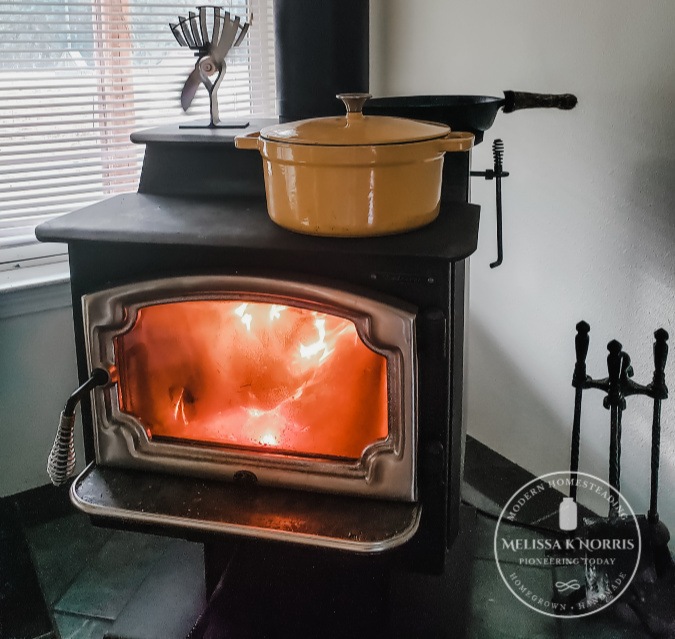
Pro tip: Keep a fire log or journal. Write down which wood, cookware, and techniques worked best. Over time, you’ll develop your own system for perfect meals.
Credit: melissaknorris.com
Cleaning Up After Cooking
Cleaning is different from regular stoves. Here’s how to do it efficiently:
- Let all cookware cool before cleaning.
- Wipe cast iron with a paper towel, then a little oil to prevent rust.
- Wash enamelware with hot water and mild soap—avoid harsh scrubbing.
- Sweep ash from the stove after it’s completely cold.
- Clean stovetop with a dry cloth to avoid rust.
Avoid water on hot cast iron—it can crack from thermal shock.
Cooking For Large Groups
Wood burning stoves are great for family gatherings or parties. Plan ahead:
- Use the largest pots you have.
- Make stews, soups, or casseroles that serve many people.
- Stagger meal times: Cook breakfast while heating water for washing up.
- Assign someone to manage the fire, so the cook can focus on food.
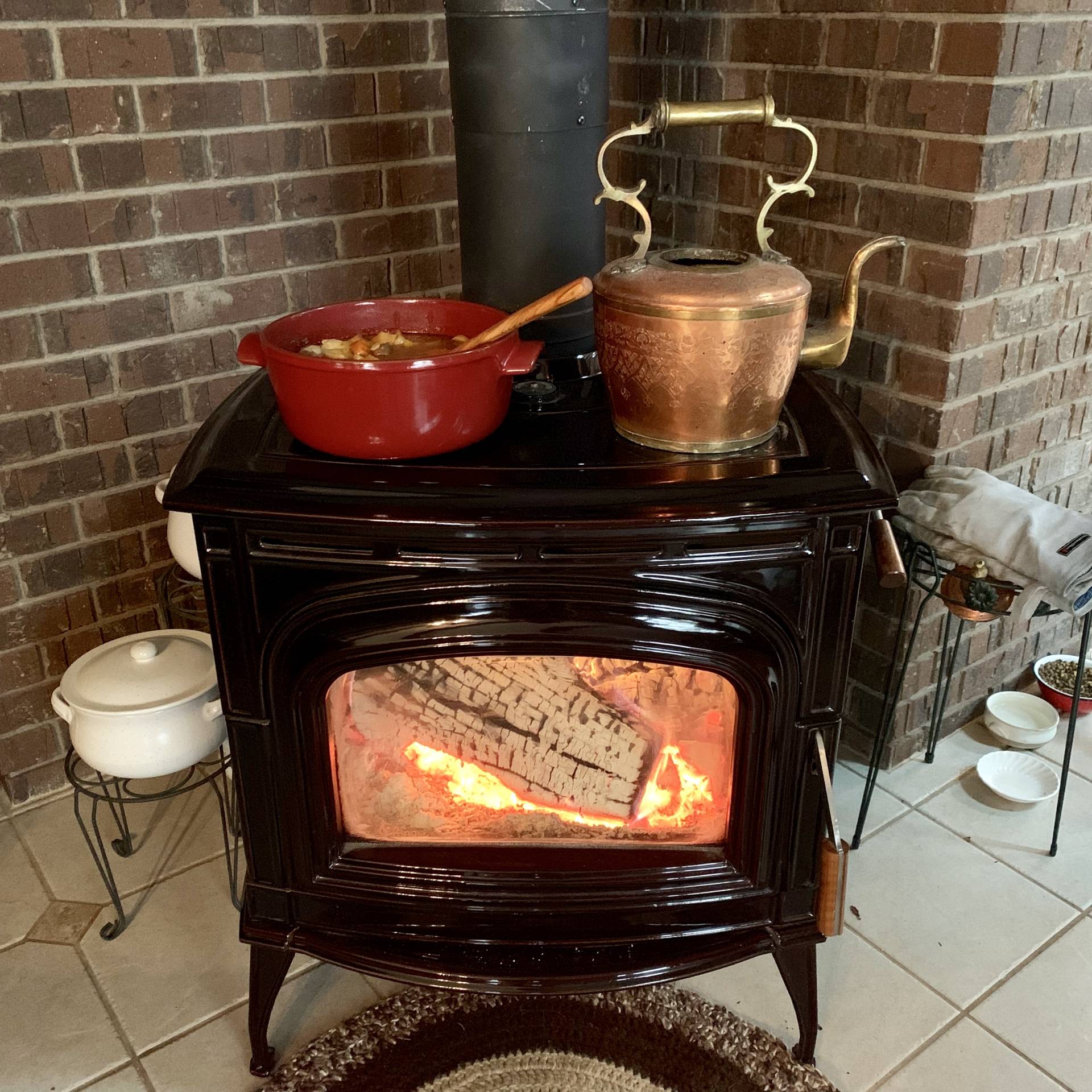
Insight: For big meals, pre-cook some parts (like beans or grains) the night before and reheat them as needed.
Credit: chocolateboxcottage.tv
Troubleshooting: Solving Common Problems
Even experienced cooks have challenges. Here’s how to fix common issues:
Food Cooks Too Fast Or Burns
- Move the pot to a cooler area or use a trivet.
- Use less wood, close the damper slightly.
- Check if your cookware is too thin.
Food Cooks Too Slowly
- Add more dry wood for a hotter fire.
- Open the damper to increase airflow.
- Make sure your firewood isn’t damp.
Uneven Cooking
- Rotate pots and pans often.
- Stir food more frequently.
- Use an oven thermometer if baking.
Too Much Smoke
- Burn only seasoned wood.
- Open the damper for more airflow.
- Clean out ash and check for a blocked chimney.
Practical tip: If you have trouble with baking, try smaller batches or flatbreads—they cook faster and are less likely to burn.
The Joy Of Cooking On A Wood Burning Stove
Cooking this way connects you with traditions and your food in a unique way. It’s slower, but the results are rewarding—flavorful meals, a warm house, and the pleasure of mastering a craft. Over time, you’ll learn to “read” your fire and adjust by sight, sound, and smell, just like cooks did a century ago.
If you’d like to learn more about the history and science of wood stoves, check out this resource: Wikipedia on Wood-burning Stoves.
Frequently Asked Questions
How Do I Control The Temperature On A Wood Burning Stove?
You control temperature by moving your pots to different parts of the stove, adding or removing wood, and adjusting the damper. For higher heat, add more wood and open the damper. For lower heat, let the fire burn down and move pots to the edge or onto a trivet.
What Is The Best Type Of Cookware For A Wood Burning Stove?
Cast iron is the best choice because it handles high heat and cooks evenly. Stainless steel also works for boiling and simmering. Avoid thin, non-stick pans—they can warp or release fumes at high heat.
Is It Safe To Cook Directly On The Stovetop?
Yes, as long as you use heavy-duty cookware and keep flammable items away. Always use oven mitts and never leave the stove unattended while cooking. Install a carbon monoxide detector in your cooking area.
Can I Bake Bread On A Wood Burning Stove Without An Oven?
Yes. You can use a Dutch oven with a lid directly on the stove. Put a trivet inside to keep the bread off the bottom, and place a few hot coals on the lid for even heat. Rotate the Dutch oven for best results.
How Do I Avoid Getting Smoke In My Kitchen?
Use only well-seasoned wood, open the damper, and keep the chimney clean. If you see a lot of smoke, check for air leaks in the stove door or blocked chimney. Never burn wet or green wood.
Cooking on a wood burning stove takes patience and a bit of practice, but once you master it, you’ll enjoy delicious meals, a cozy home, and a self-sufficient skill few people have today.