
Drying fresh rosemary in the oven is a simple way to keep the flavor of your herb garden alive all year. If you often buy rosemary or grow it at home, you probably know how quickly those fragrant green sprigs can wilt and lose their punch.
With the right oven method, you can capture the essence of rosemary and use it in your kitchen for months. Many home cooks avoid drying herbs because they worry about losing flavor or making mistakes. The good news? Oven-dried rosemary keeps its aroma and is easy to store, once you know the steps.
This guide walks you through every detail, from choosing the best sprigs to storing them for maximum freshness.
Why Dry Rosemary In The Oven?
Fresh rosemary is wonderful in cooking, but it doesn’t last long. When you dry rosemary, you make it last for months without needing a fridge or freezer. Oven drying is a fast and efficient way to do this at home.
Unlike air drying, which can take weeks, the oven method is quick—often under an hour. You also avoid mold, which sometimes happens with slow drying, especially in humid climates. Some people use a microwave or a dehydrator, but ovens are available in almost every kitchen.
The main benefit of oven drying is that it locks in flavor quickly, so your rosemary stays aromatic and tasty.
Choosing And Preparing Fresh Rosemary
Before drying, start with the right rosemary. Not every sprig is equal. For the best results, follow these tips:
- Pick fresh, healthy sprigs. The needles should be deep green, not yellow or brown. Avoid any that are wilted or spotted.
- Harvest in the morning, after dew has dried but before the sun is strong. This is when the oils are most concentrated.
- If you buy rosemary, check for a strong aroma when you rub the leaves. Weak-smelling rosemary loses flavor during drying.
Washing And Drying
Cleanliness is key. Dust or soil can ruin dried herbs. Here’s how to prepare your rosemary:
- Gently rinse sprigs under cool running water.
- Shake off excess water and lay them on a clean towel.
- Pat dry with paper towels, then let air dry until no moisture remains. Wet rosemary can steam instead of dry in the oven, which hurts flavor.
Pro tip: Even a little moisture slows drying and can cause uneven results.
Tools And Equipment You Need
Drying rosemary in the oven does not require special gadgets, but a few simple tools make the process smooth:
- Oven: Any standard home oven works. Even toaster ovens can handle small batches.
- Baking sheet: Use a rimmed sheet for easy handling.
- Parchment paper: Keeps sprigs from sticking and makes cleanup easier.
- Tongs: Useful for turning the herbs if needed.
- Airtight container or glass jar: For storing dried rosemary.
If you plan to dry herbs often, a digital oven thermometer is helpful. Oven temps can be inaccurate, and herbs are sensitive to heat.
Step-by-step: How To Dry Fresh Rosemary In The Oven
The process is straightforward, but each step matters for a perfect result.
1. Preheat The Oven
Set your oven to a low temperature, between 170°F and 200°F (about 75°C to 95°C). Lower temperatures are better. High heat can burn the oils, making rosemary taste bitter. If your oven’s lowest setting is higher, prop the door open slightly with a wooden spoon to let heat escape.
2. Arrange The Rosemary
Lay a sheet of parchment paper on the baking tray. Spread the rosemary sprigs in a single layer, not overlapping. This helps air move around each sprig. If you have a lot to dry, use two trays rather than crowding one.
3. Drying Time
Place the tray in the oven. Let the rosemary dry for 30 to 60 minutes. The exact time depends on:
- The size and thickness of sprigs
- How much moisture is left after washing
- Your oven’s actual temperature
Check after 30 minutes. The rosemary is done when the needles are brittle and crumble easily between your fingers.
4. Cool And Strip The Leaves
Remove the tray from the oven and let the rosemary cool for 10 minutes. Once cool, hold each sprig by the top and run your fingers down the stem to strip off the needles. Discard woody stems or save for flavoring soups.
5. Storage
Put the dried needles in a clean, airtight glass jar or container. Label with the date. Store away from heat and light.
Non-obvious insight: If you plan to grind your rosemary into powder, wait until just before use. Whole dried needles keep aroma longer than ground rosemary.
Oven Drying Vs. Other Methods
Many people wonder if oven drying is the best way. Here’s a look at how it compares to other common methods:
| Method | Time Needed | Flavor Quality | Risk of Mold | Equipment Needed |
|---|---|---|---|---|
| Oven Drying | 30-60 min | High | Low | Oven, tray |
| Air Drying | 1-2 weeks | High | Medium/High | String, space |
| Microwave | 1-3 min | Medium | Low | Microwave, plate |
| Dehydrator | 1-4 hours | High | Low | Dehydrator |
Oven drying is fast, reliable, and requires no special equipment. Air drying is traditional but risky in humid areas. Microwaves can heat unevenly, sometimes burning herbs. Dehydrators give great results but are not common in every kitchen.
Common Mistakes And How To Avoid Them
Drying rosemary is simple, but a few mistakes can spoil your efforts. Here are some errors beginners make and how to fix them:
- Using high heat: Rosemary dries best at low temperatures. High heat destroys the essential oils that give flavor.
- Leaving too much moisture: Not drying the sprigs well before oven time causes steaming, not drying. Always pat dry and air dry before you begin.
- Overcrowding the tray: If rosemary overlaps, it dries unevenly. Spread in a single layer.
- Not checking often: Herbs can go from perfect to burnt quickly. Check every 10 minutes after the first half hour.
- Storing before fully cooled: Warm rosemary gives off steam, which leads to mold in storage. Cool completely before putting in containers.
Non-obvious insight: Don’t open the oven door too often. Each time you do, you lose heat and slow the process. Instead, use the oven light to check progress.
How To Use Dried Rosemary
Once you have a jar of fragrant dried rosemary, the uses are almost endless. Here are some popular ways to use it:
- Cooking: Add to roasted potatoes, meats, stews, or bread dough.
- Seasoning blends: Mix with thyme, oregano, or sage for your own herb mix.
- Infused oils: Steep in olive oil for a simple salad or dipping sauce.
- Tea: A pinch of dried rosemary makes a warming herbal tea.
- Crafts: Use in homemade potpourri or sachets for a lovely scent.
Dried rosemary is more concentrated than fresh. Use about one-third the amount you would use if fresh. For example, if a recipe calls for 1 tablespoon fresh, use 1 teaspoon dried.
How To Test For Doneness
Knowing when rosemary is fully dry is important. Underdried herbs can mold, and overdried ones can lose flavor. Here’s a simple test:
- Take a small sprig and pinch a few needles between your fingers.
- If they crumble easily and feel crisp, they’re ready.
- If they bend or feel soft, return to the oven for another 5–10 minutes.
Sometimes, thick sprigs dry slower than thin ones. Remove the ones that are done and leave the rest to finish.

Credit: www.youtube.com
Storing Dried Rosemary The Right Way
Proper storage keeps your dried rosemary flavorful for months. Here are the best practices:
- Use airtight glass jars. Plastic can hold moisture or odors.
- Keep away from sunlight, heat, or humidity. A dark pantry is ideal.
- Label with the date so you remember when you made it.
For best flavor, use within one year. After that, it’s still safe, but the taste may fade.
Comparing Storage Options
Here’s how different storage options affect rosemary’s shelf life:
| Storage Method | Shelf Life | Flavor Retention |
|---|---|---|
| Glass jar, dark pantry | 6-12 months | High |
| Plastic bag, pantry | 3-6 months | Medium |
| Freezer, airtight | 12-18 months | High |
Grinding And Crumbling Dried Rosemary
Whole dried needles are best for long-term storage, but most recipes need ground rosemary. Here’s how to prepare it:
- By hand: Place dried needles in a plastic bag and crush with a rolling pin.
- With a mortar and pestle: For finer texture, grind in small batches.
- Spice grinder: For powder, pulse a few times.
Extra tip: Don’t grind all your rosemary at once. Ground herbs lose flavor faster.
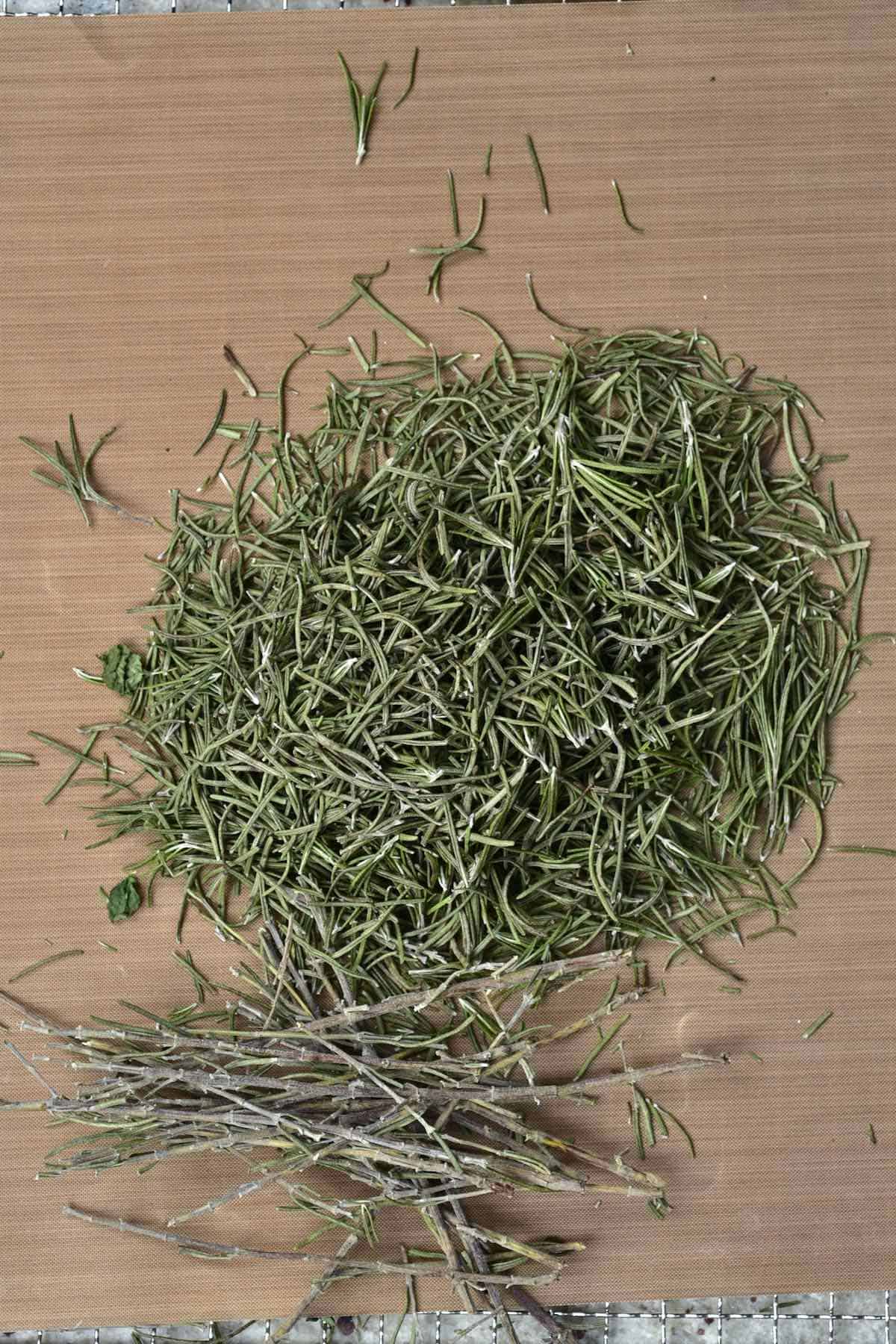
Credit: www.alphafoodie.com
How To Tell If Dried Rosemary Has Gone Bad
Dried rosemary doesn’t spoil quickly, but it can lose potency. Here’s how to check:
- Color: Should stay green. If it’s gray or brown, flavor is probably gone.
- Aroma: Crush a needle. If it doesn’t smell strong and piney, it’s time for a new batch.
- Taste: If it’s bitter or bland, don’t use it.
If you see mold or an off smell, throw it away.
Safety And Health Benefits
Rosemary is more than a kitchen staple. It’s rich in antioxidants and may help with digestion and focus. Dried rosemary keeps many of the healthy compounds found in fresh sprigs.
Use with care if you have allergies. Rosemary can interact with some medications. For more details on health uses, visit the National Center for Complementary and Integrative Health.
Creative Ways To Use Oven-dried Rosemary
Oven-dried rosemary is not just for food. Here are a few ideas that go beyond the basics:
- Homemade bath salts: Mix dried rosemary with Epsom salt and a few drops of essential oil.
- Herbal sachets: Fill small cloth bags with rosemary and lavender to freshen drawers.
- Fireplace bundles: Tie sprigs together and add to the fire for a fragrant smoke.
You can even use dried rosemary as a natural cleaning scrub (mixed with baking soda) for kitchen surfaces.
Troubleshooting: When Drying Doesn’t Go As Planned
Sometimes, things go wrong. If your rosemary is not drying well or doesn’t taste right, here’s how to fix common problems:
- Still soft after an hour: Oven was too cool or sprigs were too wet. Dry again for another 10–20 minutes.
- Flavor is weak: Sprigs were old or oven was too hot. Use more in recipes, or start with fresher rosemary next time.
- Burnt needles: Reduce oven temperature and check more often.
- Uneven drying: Make sure sprigs are same size and spaced out on tray.
Sustainability And Saving Money
Drying your own rosemary is eco-friendly. You avoid plastic packaging and reduce waste. Buying fresh rosemary can cost $2–$3 per small bunch, but a single plant in your garden can supply herbs for years. Drying at home also means you know exactly what’s in your spice jar—no fillers or chemicals.
Can You Dry Other Herbs In The Oven?
The oven method works for more than rosemary. Try it with thyme, oregano, sage, or mint. Each herb may need different drying times—thicker leaves take longer. Always dry similar herbs together, so they finish at the same time.
For example:
| Herb | Oven Temp | Drying Time |
|---|---|---|
| Rosemary | 170°F (75°C) | 30-60 min |
| Thyme | 170°F (75°C) | 20-40 min |
| Sage | 170°F (75°C) | 40-60 min |
| Mint | 170°F (75°C) | 15-30 min |
When To Dry More Rosemary
You don’t need to dry rosemary every week. The best times are:
- End of summer, before the first frost (if you grow your own)
- When you have leftover sprigs from recipes
- After a big harvest or sale at the market
Drying in small batches is better than huge ones. This keeps your supply fresh and flavorful.
Frequently Asked Questions
How Long Does Oven-dried Rosemary Last?
Properly dried and stored rosemary lasts 6 to 12 months. Keep it in an airtight glass jar, away from light and heat, for best flavor. After a year, the taste may fade but it’s still safe to use.
Can I Dry Rosemary In The Oven With Other Herbs?
Yes, you can dry multiple herbs at once if they need similar times and temperatures. Check each herb for doneness separately, as some dry faster than others.
Do I Need To Remove The Leaves From Stems Before Drying?
No, dry the whole sprigs first. After drying, strip the needles from the stems. This protects the leaves during drying and makes handling easier.
Is Oven-dried Rosemary As Good As Store-bought?
Oven-dried rosemary is often better than store-bought, as it is fresher and contains no additives. Store-bought herbs may sit on shelves for months before you buy them.
What If My Oven Doesn’t Go Below 200°f (93°c)?
If your oven’s lowest setting is higher than ideal, prop the door open slightly with a wooden spoon. This lets heat escape and keeps the temperature safe for drying herbs.
Drying fresh rosemary in the oven is a simple skill with big rewards. With just a little time and care, you’ll have a supply of fragrant, flavorful rosemary to use in your favorite dishes all year. The process is easy, and once you try it, you may never buy dried rosemary again.
Whether you cook often or just want to save your garden’s harvest, mastering oven drying gives you an edge in the kitchen. Enjoy your homemade dried herbs and the rich flavors they bring to your table.
:max_bytes(150000):strip_icc()/__opt__aboutcom__coeus__resources__content_migration__serious_eats__seriouseats.com__images__2015__03__20150317-drying-herbs-storage-5-b0cefcf9b2654648a42eb72463b90fb9.jpg)
Credit: www.seriouseats.com