
Finding a buried well pressure tank can feel like searching for a needle in a haystack, especially if you have just moved into a home with a private well system or lost the documentation about your property’s water infrastructure. Many homeowners face the same challenge: water pressure drops or stops, but the well pressure tank is nowhere to be seen. Maybe the previous owner buried it for aesthetics, or the tank was installed below the frost line to prevent freezing. Whatever the reason, knowing how to locate a buried well pressure tank is crucial. This article walks you through each step, from understanding your system to using advanced detection methods, so you can confidently track down your tank and avoid costly mistakes.
Why Well Pressure Tanks Get Buried
Most well pressure tanks are located inside homes, basements, or utility rooms. But in some regions, especially where temperatures get very cold, tanks are sometimes buried outside to prevent freezing. Others might be hidden underground for landscaping reasons, or to comply with local codes.
Sometimes, an old tank is left buried when a new one is installed elsewhere.
Buried tanks are usually found in rural properties, older homes, or locations where there isn’t enough indoor space. If you’re dealing with unreliable water pressure or suspect a leak, finding the tank is the first step toward a solution.
Understanding Your Well System
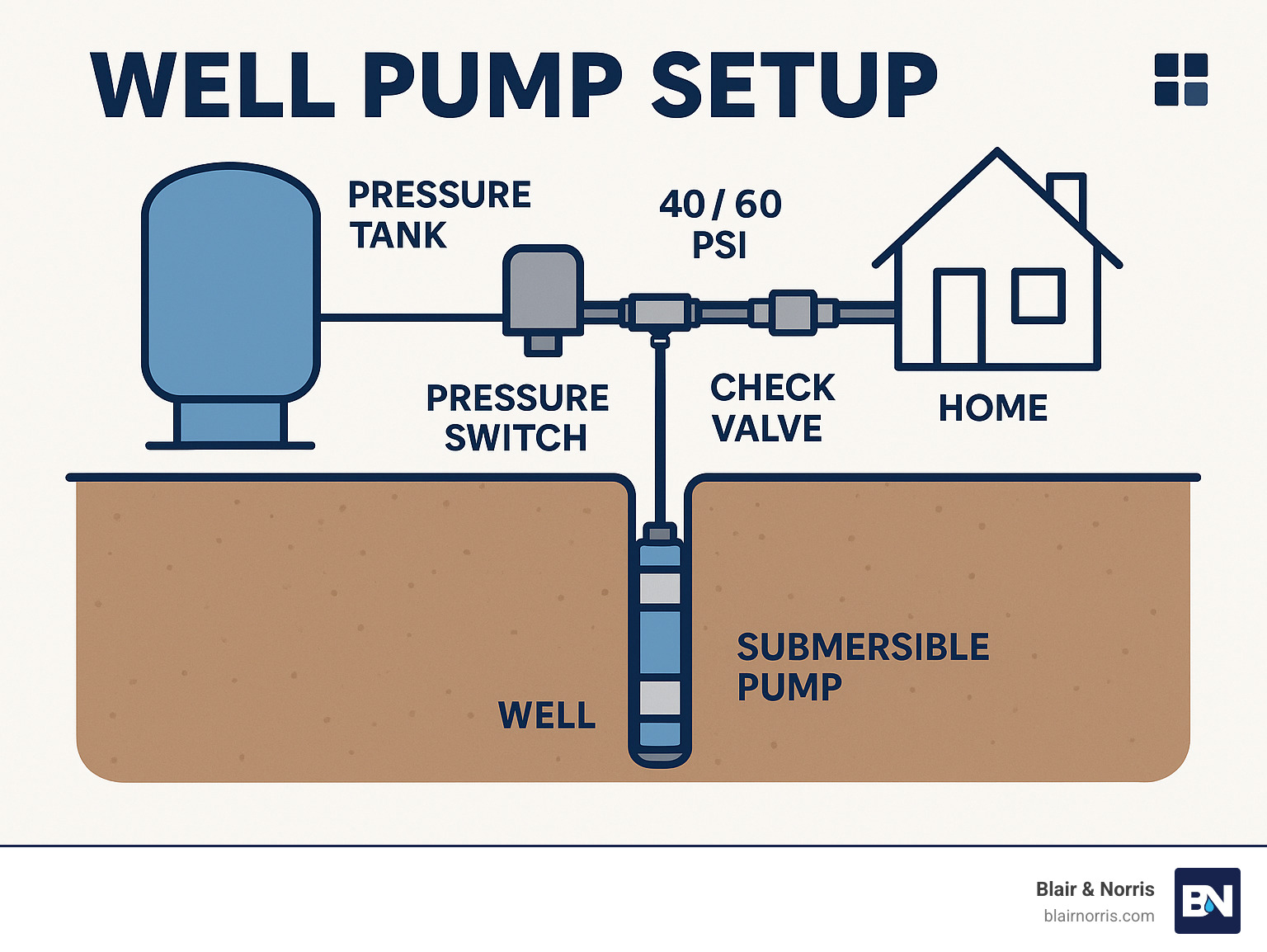
Before you start searching, it helps to know how a well system works. The pressure tank stores water and maintains consistent pressure in your home. It acts as a buffer between the well pump and your plumbing, reducing pump cycles and extending the pump’s life.
A typical well system has:
- A well (casing and pump)
- Electrical controls (pressure switch)
- A pressure tank
- Plumbing connections to your house
If the pressure tank is buried, it is usually connected by underground pipes, and there may be an access cover, vent, or pipe visible above ground. Sometimes, the only clue is a patch of ground that looks different from its surroundings.
Clues That Point To A Buried Tank
Finding a buried pressure tank is rarely straightforward, but you can look for certain signs:
- Unusual Mounds or Depressions: The ground above a buried tank may settle or bulge.
- Metal or Plastic Access Covers: These are sometimes flush with the ground or hidden under grass, mulch, or gravel.
- Above-Ground Pipes or Vents: A vent pipe or pressure gauge may stick up above the lawn.
- Historical Records: Old property plans, inspection reports, or construction permits may show the tank’s location.
- Nearby Wellhead: Tanks are often buried near the well casing, but not always.
- Unexplained Utility Lines: Tracing pipes or electrical wires outside can lead to the tank.
Reviewing Property Documents
Start your search by checking your property’s well records. These can include:
- Well completion reports
- Water system diagrams
- Previous home inspection reports
- Septic system maps (sometimes tanks are shown for reference)
If you didn’t receive these at closing, your county’s environmental health department or building office may have copies. Well drillers and local plumbers sometimes keep archives, too.
Credit: blairnorris.com
Talking To Previous Owners And Neighbors
Don’t underestimate the value of local knowledge. If possible, contact the previous owner and ask where the tank is. Neighbors with similar properties may know common installation practices in your area.
Visual Inspection: First Steps
Walk around your yard and look for anything out of place. Pay special attention to:
- Slightly raised or sunken areas
- Unusual grass growth (greener or sparser patches)
- Metal or plastic lids (sometimes painted to blend in)
- Exposed pipes, caps, or electrical boxes near the house or well
Bring a shovel or probe, but avoid digging until you have a good idea of the tank’s location. Most tanks are at least 2-4 feet underground.
Following The Water Line
If your pressure tank isn’t in the basement or crawlspace, trace the main water line as it enters your house. This line usually comes from the well, and the tank is often installed along this path. Look for:
- Entry points where pipes pass through the foundation
- Ground-level access boxes or covers outside
If you have a crawlspace, the water line may be visible and can help you estimate where it runs outdoors. If you see a capped pipe sticking out of the ground, it could be connected to the tank or a vent.
Using Tools To Detect The Tank
Sometimes, a buried tank is invisible to the naked eye. Here are some practical tools to help:
Metal Detectors
Most pressure tanks are made of steel, which is detectable with a standard metal detector. Sweep the detector in a grid pattern in areas you suspect. Note that rebar, pipes, and other buried metal can give false signals, so use this as a guide, not proof.
Soil Probes
A soil probe is a long, narrow rod you can push into the ground. When you hit something solid but not rocky, it could be the tank. Push carefully to avoid damaging pipes or the tank shell.
Infrared Cameras
If the tank is leaking or the soil is warmer or cooler around it, an infrared camera can sometimes reveal a temperature difference. This method works best in cold or hot weather, not mild conditions.
Pipe Locators
Professional plumbers use electronic pipe locators that send a signal through the water line. By following the signal, they can pinpoint where the pipe (and possibly the tank) runs underground.
Ground Penetrating Radar (gpr)
For the most difficult cases, ground penetrating radar can map underground objects. GPR units are expensive but can be rented, and some plumbing companies offer this service.
Here’s a quick comparison of common detection tools:
| Tool | Best For | Cost (approx.) | Skill Needed |
|---|---|---|---|
| Metal Detector | Steel tanks, shallow depths | $50-$300 (buy/rent) | Beginner |
| Soil Probe | Plastic/steel tanks, shallow depths | $30-$80 | Beginner |
| Infrared Camera | Detecting leaks, temperature changes | $200-$500 (buy/rent) | Intermediate |
| Pipe Locator | Following buried water lines | $100-$400 (rent) | Intermediate |
| GPR | Deep or hidden tanks, complex sites | $500-$1,500 (rent/pro) | Professional |
Digging Safely
Once you have a likely spot, it’s time to dig. But safety comes first.
- Call Before You Dig: In the US and many other countries, you must call a utility locating service before digging. This helps avoid hitting gas, electric, or communication lines.
- Hand Dig First: Use a shovel, not heavy equipment, especially near suspected tanks. Pressure tanks and pipes can be damaged by force.
- Check for Water or Gas: If you smell gas or see water immediately, stop and call a professional.
- Dig Slowly and Evenly: Remove dirt in thin layers. Stop if you hit metal, plastic, or anything that feels manmade.
Identifying The Tank
When you uncover something, make sure it’s actually the well pressure tank. Here’s what to look for:
- Shape: Most tanks are cylindrical, 2-4 feet tall, and 12-24 inches in diameter.
- Material: Usually steel (magnetic) or fiberglass (non-magnetic).
- Labels/Markings: Sometimes old tanks have a manufacturer’s plate or sticker.
- Connections: Look for water pipes and possibly a pressure gauge or air valve.
If you find a large, round, concrete or plastic structure, it could be a septic tank or cistern instead. Never open a large unknown tank without knowing what it is—it could be dangerous.

Credit: forum.nachi.org
What To Do After Finding The Tank
Once you find your buried well pressure tank, inspect it for problems:
- Rust or Corrosion: Steel tanks rust over time and can leak.
- Leaks: Water pooling nearby is a sign of trouble.
- Frozen Parts: In cold climates, make sure pipes and fittings are insulated.
- Loose Connections: Wiggle pipes and check for movement.
- Pressure Gauge: If present, see if the gauge works.
If you’re not sure about the tank’s condition, call a licensed plumber or well contractor.
Common Mistakes To Avoid
- Digging Without Checking for Utilities: Hitting a gas or power line is dangerous and expensive.
- Assuming the Tank Is Near the Wellhead: Some tanks are installed far from the well, especially on large properties.
- Confusing Tanks: Septic tanks and cisterns look similar but serve different purposes.
- Damaging the Tank: Probing or digging too aggressively can crack or puncture the tank.
- Ignoring Local Codes: Some areas have strict rules about well and tank location, access, and repairs.
When To Call A Professional
Not every buried tank search is a DIY job. Call a well contractor or plumber if:
- You can’t find the tank after reasonable effort
- The ground is frozen or waterlogged
- You suspect leaks or contamination
- You find old, corroded, or damaged equipment
- You’re not comfortable working near underground utilities
Professionals have advanced locating tools and experience with local well systems. They can save you hours of searching and prevent costly accidents.
How Professionals Find Buried Tanks
Here’s how experts usually approach the job:
- Review property records and system diagrams
- Interview the owner about past repairs and installations
- Use pipe locators and GPR to scan the yard
- Mark suspected locations with flags or paint
- Carefully excavate with shovels or air tools
They may also test water pressure and check for leaks before and after digging. Sometimes, they’ll install an access riser or marker so you or future owners can find the tank easily next time.
Maintaining A Buried Well Pressure Tank
If you have a buried tank, regular maintenance is important. Here’s what you should do:
- Check for Leaks Annually: Walk the area above the tank and look for wet spots or sinking ground.
- Test Water Pressure: If pressure fluctuates, the tank or switch could be failing.
- Insulate Pipes: In cold climates, make sure all above-ground and shallow pipes are insulated.
- Keep Access Clear: Don’t plant trees or build structures over the tank.
- Record the Location: Write down the tank’s coordinates or draw a map for future reference.
Failing to maintain a buried tank can lead to water quality problems, expensive repairs, or even total system failure.
Special Considerations For Old Or Abandoned Tanks
Sometimes, you may find an old, unused tank. These tanks should be properly decommissioned—drained, removed, or filled with sand—according to local rules. Abandoned tanks can collapse, contaminate groundwater, or present safety hazards.
If you suspect a tank is no longer in use, consult your local health department or a licensed well company.
Cost And Time Estimates
How long will it take to find and uncover a buried well pressure tank? Costs and timing depend on your property, tools, and whether you hire help.
| Method | Estimated Time | Cost (DIY) | Cost (Professional) |
|---|---|---|---|
| Document Review & Visual Search | 1-3 hours | $0 | $0 |
| Metal Detector/Probe | 1-2 hours | $30-$300 | $100-$200 |
| GPR/Locator Service | 1-2 hours | $500 (rent) | $300-$800 |
| Hand Digging | 2-6 hours | $0-$50 | $200-$500 |
Non-obvious insight: Sometimes, the cost of finding and fixing a buried tank is higher than installing a new, above-ground tank. If your tank is very old or inaccessible, ask a professional if replacement makes more sense.
Examples Of Buried Tank Locations
Properties vary, but here are some common places tanks are buried:
- Near the Wellhead: Within 10-20 feet of the well, often to minimize pipe length.
- Beside the House Foundation: Close to where the water line enters the building.
- Under a Utility Box or Cover: Sometimes disguised under an irrigation or electrical box.
- Edge of Driveway or Path: Tanks placed for easy vehicle access for maintenance.
- In a Utility Pit: A covered hole with enough space to work around the tank.
If you’re unsure, look for areas that have been disturbed or repaired in the past.
How To Mark The Tank For Future Reference
Once you’ve found your tank, make it easier to find next time. Here’s how:
- Install a Marker: Use a small sign, stake, or metal marker above the tank.
- Draw a Map: Sketch your yard and note the tank’s location relative to permanent features (house corners, trees, fences).
- Take Photos: Pictures from multiple angles can help future owners or service workers.
- Update Property Records: If possible, add this info to your well log or water system documents.
- Tell Family or Neighbors: Share the location with anyone who might need to know.
Environmental And Legal Issues
Local laws may control where tanks can be buried, how deep, and how they must be accessed. Some regions require a permit for installation or repair. Always check with your local health or building department before starting work.
Environmental tip: Leaking tanks can pollute groundwater. If you find a leak, act quickly to prevent contamination.
Alternative Solutions If You Can’t Find The Tank
If you’ve tried everything and still can’t find the tank, consider these options:
- Hire a well contractor with advanced locating tools.
- Use GPR or pipe tracing services.
- Replace the system with a new, above-ground tank if the old one is obsolete.
- Abandon the old well and tank properly and drill a new one.
Remember, sometimes “giving up” and starting fresh is safer and more cost-effective than endless searching and digging.
Real-world Example
Sarah bought a rural home in Minnesota and found her water pressure dropped every winter. She checked her basement—no tank. She called the previous owner, who remembered a “green lid” by the garden. Sarah used a metal detector and found the lid under a flower bed.
Digging carefully, she found the steel tank, which was leaking at a connection due to rust. She called a plumber, who replaced the tank with a new insulated unit and added a permanent marker above the new location. Sarah’s water pressure is now reliable, and she knows exactly where her tank is.
Key Takeaways
- Buried well pressure tanks are often hidden for practical or aesthetic reasons.
- Start your search with property documents, then inspect the yard for clues.
- Use tools like metal detectors, probes, and GPR for difficult cases.
- Always dig safely and check for utilities before breaking ground.
- Once found, mark the tank’s location for future ease and keep up with maintenance.
- When in doubt, call a professional to avoid costly mistakes.
For more on well pressure systems and tank safety, you can check resources from the U.S. Environmental Protection Agency.
Frequently Asked Questions
What Does A Buried Well Pressure Tank Look Like?
A buried well pressure tank is usually a steel or fiberglass cylinder about 2-4 feet tall and 1-2 feet wide. It has water pipes, sometimes a pressure gauge, and maybe an air valve. The tank is often buried 2-4 feet underground and may have a plastic or metal lid or vent pipe at the surface.
Is It Legal To Bury A Well Pressure Tank?
In some areas, burying a pressure tank is allowed, especially in cold climates. However, local codes may require certain depths, access points, or insulation. Always check with your local health or building department before installing or modifying a buried tank.
How Do I Know If My Pressure Tank Is Leaking Underground?
Signs of a leaking pressure tank include wet or muddy patches above the tank, low or fluctuating water pressure, air in your taps, or a pump that runs too often. If you suspect a leak, dig carefully to inspect or call a licensed well contractor.
Can I Move A Buried Pressure Tank Above Ground?
Yes, you can replace a buried pressure tank with an above-ground model. This usually requires re-routing pipes and possibly upgrading the tank. Many homeowners switch to above-ground tanks for easier maintenance and inspection.
What Should I Do If I Can’t Find My Buried Tank?
If you can’t locate the tank after checking records, inspecting the yard, and trying basic detection tools, hire a professional with pipe locators or GPR. Sometimes, replacing the old system with a new, accessible tank makes more sense than endless searching.
Finding a buried well pressure tank takes patience, the right tools, and a careful approach. With the steps in this guide, you’re much more likely to succeed—and keep your water flowing smoothly for years to come.

Credit: www.youtube.com