
A gurgling kitchen sink can be more than just an annoying sound—it often means there’s a problem hiding in your plumbing. Many homeowners ignore these early warnings, but acting quickly can save you from bigger troubles like slow draining, unpleasant smells, or even water damage.
If you’ve ever wondered why your kitchen sink makes that gurgling noise, or how to stop it, this guide is for you.
You’ll find that fixing a gurgling sink is not only possible, but often easier than you think. By understanding the causes, using the right tools, and following step-by-step methods, you can restore silence and proper function to your kitchen. Let’s dive into what causes that “glug-glug” sound—and what you can do to fix it today.
Why Does A Kitchen Sink Gurgle?
The gurgling sound comes from air trapped in your pipes. When water flows down the drain, it should move smoothly, with air moving freely through your plumbing vent system. If something blocks the water or air, you get gurgling.
Common reasons for gurgling include:
- Clogged or partially blocked drains
- Blocked or broken vent pipes
- Improper plumbing installation
- Grease, food, or debris buildup
- Aging or damaged pipes
Most often, the problem starts with a slow buildup—food scraps, oil, and soap mix and stick to the sides of your pipes, narrowing the passage for water and air. In some cases, a blocked vent prevents air from escaping, causing suction and those odd noises.
How To Diagnose The Problem
Before you fix anything, it’s important to understand what’s causing your sink to gurgle. Rushing in with random solutions can waste time, money, and effort.
Listen And Observe
Start by listening carefully:
- Does the gurgling happen only when you use the kitchen sink, or do you hear it when using other drains?
- Is the sound loud, or just a faint bubbling?
- Do you notice slow draining or standing water?
Check for other signs:
- Bad smells (could be a sign of a clog or vent issue)
- Water backing up into the sink
- Gurgling when using the dishwasher or washing machine
Try Simple Tests
1. Fill And Drain Test
Fill the sink with water, then pull the plug. Does it drain smoothly, or does it gurgle loudly?
2. Check Other Drains
Flush a nearby toilet or run another sink. If the kitchen sink gurgles in response, the issue might be further down the main drain or in the vent.
3. Inspect The Vent
If safe, check your roof vent (usually a small pipe sticking up on the roof). Is it blocked by leaves, a bird’s nest, or debris?
Note Patterns
Write down when the gurgling happens. For example, does it only occur after large meals, when using the garbage disposal, or after heavy rain? These clues can point to the real issue.
Tools And Supplies You May Need
Having the right tools makes any repair easier and safer. Here’s what you might use for fixing a gurgling kitchen sink:
- Plunger (cup or sink type)
- Plumber’s snake (drain auger)
- Bucket and rags
- Adjustable wrench
- Screwdriver
- Plumbing tape or putty
- Baking soda and vinegar
- Flashlight
- Protective gloves
- Drain cleaning brush
- Wet/dry vacuum (optional)
- Step ladder (for roof vent inspection)
You don’t need every tool for every problem, but having a few basics on hand can help you handle most home plumbing fixes.
Step-by-step Solutions For A Gurgling Kitchen Sink
1. Clear The Sink Drain
Most gurgling starts with a clogged or partially blocked drain. Here’s how to clear it:
Use Hot Water
Boil a kettle of water and slowly pour it down the drain. Hot water can melt and flush away grease or soap scum. Wait a few minutes, then run cold water to solidify any remaining grease, helping it move down the pipe.
Try Baking Soda And Vinegar
Pour half a cup of baking soda into the drain, followed by one cup of white vinegar. Cover the drain with a plug and wait 10-15 minutes. The fizzing helps break down organic material. Finish with a kettle of boiling water.
Use A Plunger
- Fill the sink with enough water to cover the plunger’s cup.
- Position the plunger over the drain and create a firm seal.
- Pump up and down quickly, then pull up sharply.
- Repeat if needed.
If you have a double-bowl sink, block the other drain with a wet rag or stopper.
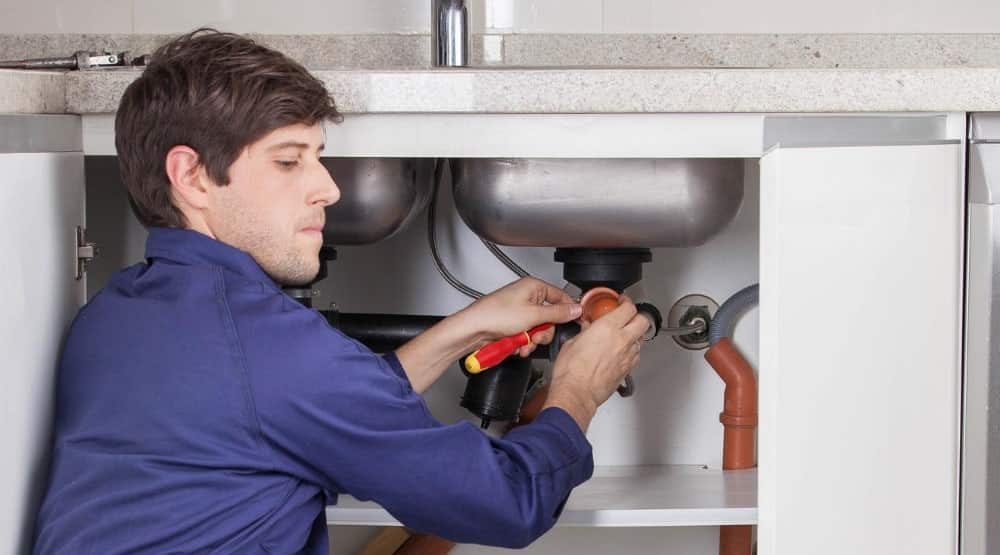
2. Clean The P-trap
The P-trap is the curved pipe under your sink. It catches debris and stops sewer gases from coming back up. Over time, it can clog and cause gurgling.
Steps to clean the P-trap:
- Place a bucket under the trap to catch water.
- Use a wrench to loosen the slip nuts holding the trap.
- Remove the trap and empty its contents into the bucket.
- Rinse the trap with hot water and scrub away buildup.
- Reattach the trap, checking for leaks.
Many people skip this step, but a clogged P-trap is a very common cause of slow drains and gurgling.
3. Use A Drain Snake
If the clog is further down the pipe, a plumber’s snake can reach what plungers and hot water can’t.
How to use it:
- Insert the snake into the drain or cleanout.
- Push and twist until you feel resistance (the clog).
- Rotate the handle to break up or grab the clog.
- Pull out the snake, wipe off debris, and repeat if needed.
- Run water to check if the gurgle is gone.
Snaking can help with stubborn grease or food clogs that home remedies can’t reach.
4. Check The Plumbing Vent
A blocked vent pipe interrupts airflow in your plumbing, leading to gurgling as air is sucked through the water trap.
How to check and clear a vent:
- Use a ladder to safely access the roof (never do this in bad weather).
- Locate the vent pipe.
- Shine a flashlight down the pipe. Look for leaves, nests, or debris.
- Use a garden hose to flush out minor blockages, or a plumber’s snake for stubborn clogs.
If you aren’t comfortable climbing onto the roof, consider calling a professional.
5. Inspect For Improper Installation Or Damage
Sometimes, gurgling comes from a plumbing design issue or damaged pipes:
- The vent may be too small or installed in the wrong place.
- Pipes may be cracked, sagging, or leaking.
Look for:
- Water stains under the sink or along walls.
- Unusual pipe angles or “DIY” repairs.
- Pipes that move or shake when you use the sink.
Improper installations are best handled by a licensed plumber.
6. Use Enzyme Cleaners
For organic clogs, enzyme-based drain cleaners are safer than harsh chemicals. These products use natural bacteria to eat away hair, grease, and food.
- Pour the recommended amount into the drain.
- Let it sit overnight.
- Flush with hot water.
Enzyme cleaners are gentle on pipes and good for regular maintenance.
7. Address Garbage Disposal Issues
If you have a garbage disposal, it may be the source of your gurgling. Over time, food particles and grease can clog the disposal or the connected pipes.
How to fix:
- Turn off the disposal and unplug it.
- Check for stuck objects using tongs (never your hand).
- Run cold water and turn the disposal on for 30 seconds.
- If still gurgling, clean the disposal with ice cubes and a bit of rock salt (this sharpens the blades and scrubs the chamber).
8. Check The Air Admittance Valve (aav)
Some homes use an air admittance valve instead of a roof vent. If this valve fails, it can cause gurgling.
- Locate the AAV (usually under the sink or near the trap).
- Unscrew it and check for debris or damage.
- Replace if necessary (they are inexpensive and easy to install).
A failed AAV is a common but often overlooked cause of gurgling.
9. Flush The Main Drain Line
If multiple drains gurgle, the main sewer line may be blocked. This is a bigger job.
- Locate the main cleanout (outside or in a basement).
- Remove the cap (be careful—sewage may spill out).
- Use a large drain snake or call a plumber.
A main line clog can cause backups and damage if left untreated.
10. Prevent Future Problems
Once you’ve fixed the gurgle, keep your pipes healthy:
- Avoid pouring grease or oil down the drain.
- Use sink strainers to catch food and debris.
- Run hot water after each use.
- Clean the P-trap every few months.
- Consider regular enzyme treatments.
- Schedule a professional inspection every few years.
Comparing Solutions: Diy Vs. Professional Help
Sometimes, tackling a gurgling sink yourself is safe and easy. Other times, you need a plumber. Here’s a side-by-side look:
| Solution | DIY | Professional |
|---|---|---|
| Plunging | Simple, low-cost, quick | Rarely needed |
| Snaking drain | Works for minor clogs | Needed for deep or stubborn clogs |
| Vent inspection | Possible if safe access | Recommended for high or complex roofs |
| Main line blockage | Risky, limited tools | Best choice for sewer issues |
| P-trap cleaning | Easy, minimal tools | Only if trap is hard to reach or damaged |
As a rule, if you smell sewage, see water leaks, or have repeated gurgling, call a licensed plumber.
Common Mistakes To Avoid
Many people unknowingly make their sink problems worse. Watch out for these mistakes:
1. Using Chemical Drain Cleaners Too Often
They can damage pipes and are harmful to the environment.
2. Forgetting To Block The Second Drain
In double sinks, always seal the other side before plunging.
3. Ignoring Slow Drains
A slow drain is a warning—fix it before it gets worse.
4. Pouring Grease Down The Drain
Grease hardens and traps debris, leading to clogs.
5. Removing The P-trap Without A Bucket
You’ll make a mess, and water damage can follow.
6. Forcing A Snake
If the snake won’t go through, don’t force it—pipes can crack.
7. Climbing On The Roof Unsafely
Vent cleaning is important, but not worth risking a fall.

Credit: www.youtube.com
How To Identify Serious Plumbing Problems
A gurgling sink is often a simple fix, but sometimes it signals a larger issue. Here’s how to tell the difference:
- Multiple drains are gurgling: Main sewer line may be blocked.
- Water backs up into other fixtures: Indicates a blockage further down.
- Foul smells or sewage odors: Possible vent or sewer problem.
- Recurring gurgling after cleaning: May be a vent or installation issue.
- Visible leaks or water stains: Pipes may be cracked or loose.
If you spot these signs, don’t wait—call a professional to prevent serious damage.
Typical Costs Of Fixing A Gurgling Sink
Understanding costs helps you plan and avoid surprises. Here’s a quick comparison of common fixes:
| Repair Type | DIY Cost (USD) | Professional Cost (USD) |
|---|---|---|
| Plunging | 5 – 20 | 60 – 150 |
| P-trap cleaning | 0 – 10 | 80 – 200 |
| Snaking drain | 20 – 50 | 100 – 300 |
| Vent clearing | 0 – 30 | 120 – 350 |
| Main line repair | Risky | 250 – 800+ |
DIY is often cheaper, but professional help can save you money in the long run by preventing bigger problems.

Credit: mitchclemmonsplumbing.com
Real-world Example: Fixing A Gurgling Sink
Let’s look at a typical situation. Maria notices her kitchen sink gurgles after she runs the dishwasher. The water drains slowly, and there’s a faint smell.
Here’s what Maria does:
- She pours hot water down the drain—no change.
- Next, she tries baking soda and vinegar—still gurgling.
- Maria removes the P-trap, finds a lump of grease and food, cleans it, and reattaches the trap.
- She tests the drain—no more gurgling! The water drains quickly and quietly.
Later, Maria starts using a sink strainer and avoids pouring oil down the drain. The problem doesn’t return.
Insight: Many kitchen sink issues come from everyday habits. Small changes can prevent big headaches.
How To Keep Your Kitchen Sink Silent
Prevention is often easier than repair. Here’s how to avoid future gurgling:
- Run cold water after using the garbage disposal.
- Scrape plates into the trash, not the sink.
- Flush with hot water weekly.
- Clean strainers regularly.
- Inspect under the sink for leaks or drips.
- Listen for changes in draining sounds.
These simple steps keep pipes clear and prevent most gurgling problems.
When To Call A Plumber
If you’ve tried the steps above and the gurgling continues, or if you notice bad smells, leaks, or water backing up, it’s time to call a professional. Plumbers have specialized tools, like video inspection cameras and high-pressure water jets, to handle tough clogs and hidden issues.
Don’t wait for a small problem to become a major repair. Professional help is especially important for:
- Repeated gurgling
- Sewage smells
- Multiple clogged drains
- Old or complex plumbing systems
A good plumber will diagnose the problem and offer solutions tailored to your home.
Additional Resources
For more details about plumbing systems and maintenance, you can check Wikipedia’s Drain-Waste-Vent System article. It offers in-depth information about how household drainage works and why proper venting is so important.
Credit: mytrustedexpert.com
Frequently Asked Questions
Why Does My Kitchen Sink Gurgle After Using The Dishwasher?
When you run the dishwasher, a lot of water enters the drain quickly. If the kitchen drain or vent is partially blocked, the sudden rush of water can trap air, causing a gurgling sound. Cleaning the drain and P-trap usually solves this issue.
Is It Safe To Use Chemical Drain Cleaners?
Most experts recommend avoiding chemical drain cleaners. They can damage pipes, harm the environment, and sometimes make clogs worse. Instead, use plungers, plumber’s snakes, or enzyme cleaners for safer results.
How Often Should I Clean My Kitchen Sink Drain?
For best results, clean your drain monthly. Use hot water, baking soda, and vinegar to keep pipes clear. Inspect and clean the P-trap every 3-6 months, or more often if you notice slow draining or gurgling.
Can A Gurgling Sink Cause Health Problems?
A gurgling sound itself is not dangerous, but it may be a sign of drainage problems. If gurgling is caused by sewer gas or mold, it can affect indoor air quality and health. Fixing the problem quickly is best for your safety.
How Do I Know If My Vent Pipe Is Blocked?
Signs of a blocked vent include gurgling sounds, slow draining in multiple fixtures, and sewer odors. If you suspect a vent issue, check the vent pipe on your roof for debris or call a plumber for inspection.
A gurgling kitchen sink isn’t something to ignore. With the right steps, tools, and a little know-how, you can silence the noise and keep your kitchen running smoothly. Regular maintenance and quick action make a big difference—leaving you with peace of mind and a trouble-free sink.