
If your dishwasher’s soap dispenser door latch isn’t working, you probably notice dishes aren’t coming out clean or that soap remains stuck in the compartment. This small part plays a big role, and a broken latch can ruin your dishwasher’s performance.
Many people think repairing this means a costly service call or buying a new appliance. But with the right steps, you can solve most latch problems yourself—even without much technical experience.
This guide will walk you through everything you need to know about fixing a dishwasher soap dispenser door latch. You’ll learn how the latch works, why it fails, how to diagnose problems, what tools you need, and how to fix common latch issues step by step. You’ll also see how different dishwasher brands compare, and get answers to questions most beginners never ask. By the end, you’ll have the confidence to tackle this repair and restore your dishwasher’s cleaning power.
Why The Soap Dispenser Door Latch Matters
A dishwasher’s soap dispenser is designed to release detergent at the right moment in the wash cycle. The door latch keeps the compartment sealed until the machine is ready. If the latch sticks, breaks, or won’t close, several issues can happen:
- Detergent stays in the compartment and dishes don’t get clean.
- Soap leaks out too early, washing away before it can clean.
- The dispenser door jams and won’t open at all.
A faulty latch might seem like a small annoyance, but it can waste water, soap, and electricity. If not fixed, it can lead to bigger problems with the dishwasher’s control system or motor, since the cycle may not complete correctly.
How The Soap Dispenser Door Latch Works
The soap dispenser latch is a simple but clever mechanism. In most dishwashers, you load soap into a small compartment and close the dispenser door. When you start a cycle, the latch holds the door shut. At the right moment, the dishwasher sends a signal to release the latch—usually with a spring or solenoid—so the door pops open and detergent drops into the water.
There are a few main types of latches:
- Mechanical latches: Work with springs and levers, triggered by a timer or cam.
- Electrical latches: Use a small electric coil (solenoid) that pulls the latch open.
- Magnetic latches: Use magnets to hold and release the door.
Knowing which type your dishwasher uses helps you find the right fix. Most home models use mechanical or electrical latches.
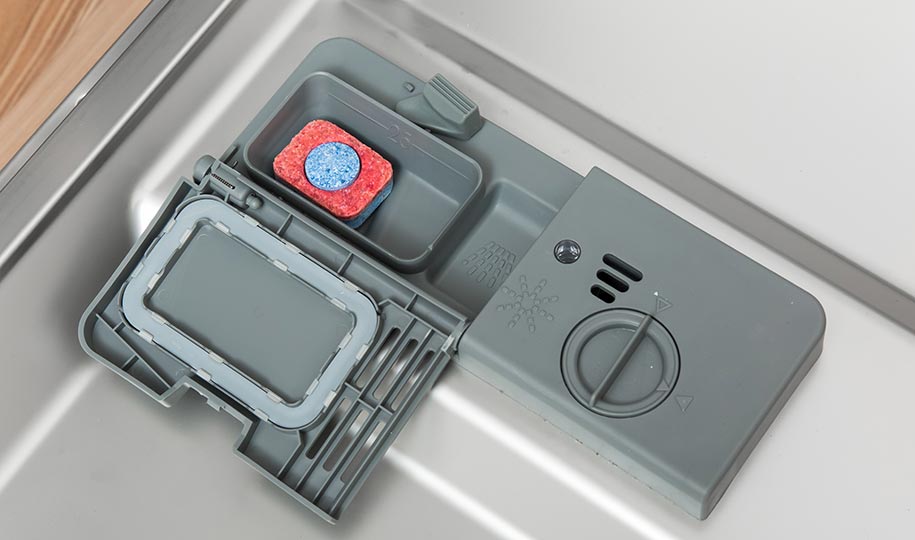
Credit: homewarranty.firstam.com
Common Reasons The Latch Fails
Understanding why your latch isn’t working is the first step to fixing it. Here are the most common causes:
- Soap build-up: Detergent residue or hard water minerals can clog the latch.
- Broken spring: The tiny spring that pops the door open may snap or lose tension.
- Damaged latch catch: The hook or plastic piece that holds the door may wear out.
- Electrical failure: If your latch is powered, a burnt-out solenoid or loose wire can prevent it from working.
- Misaligned door: If the dispenser door isn’t fitting correctly, the latch won’t engage.
- Warped dispenser cover: Heat or old age can bend the plastic, stopping the latch from closing.
- Foreign objects: Small food scraps or debris can jam the latch.
Non-obvious insight: Sometimes, a dishwasher detergent pod that’s too large can keep the door from closing or opening. Always check the size and shape of detergent tablets.
Signs Your Soap Dispenser Door Latch Is Broken
You might notice several signs if the latch is the problem:
- Soap or tablet remains in the compartment after a cycle.
- The dispenser door never opens during the wash.
- The door is hard to close or pops open immediately.
- You hear a weak click or no sound when trying to close the dispenser.
- Dishes come out dirty even after a full wash.
A quick visual check usually reveals the problem. Open your dishwasher and look for any visible damage or stuck residue around the dispenser.
Safety And Tools You’ll Need
Before you start, always unplug your dishwasher or turn off the circuit breaker. Water and electricity together are dangerous. Also, turn off the water supply if you need to remove the appliance from the cabinet.
Here’s a list of basic tools for most repairs:
- Phillips and flathead screwdrivers
- Needle-nose pliers
- Small brush or old toothbrush
- Soft cloth or sponge
- Replacement latch kit (if needed)
- Multimeter (for electrical latches)
- Plastic scraper or toothpick
Some dishwashers require a Torx screwdriver or special star-shaped bit. Check your model’s manual for details.
Step-by-step Guide: How To Fix A Dishwasher Soap Dispenser Door Latch
1. Diagnose The Problem
First, test the latch by opening and closing the door a few times. Does it stick, not click, or feel loose? Run a short cycle without dishes, and check if the soap releases. If not, the latch is likely the culprit.
If your dishwasher has a display, look for error codes. Some machines will show a “soap door” or “detergent” warning.
2. Clean The Dispenser And Latch
Soap and hard water residue are the easiest problems to fix. Here’s how:
- Open the dispenser and use a damp cloth or old toothbrush to scrub all around the latch, hinges, and compartment.
- Use a plastic scraper or toothpick to remove any stubborn build-up.
- Wipe dry, and test the latch again.
- If the latch moves freely, try a wash cycle. Sometimes, simple cleaning solves the issue.
Pro tip: Soak a cloth in vinegar and wipe the dispenser area. Vinegar breaks down mineral deposits that block the latch.
3. Check For Physical Damage
Look closely for:
- Cracks in the plastic latch or dispenser cover.
- A bent or missing spring.
- Loose or broken metal parts.
If anything looks damaged, you’ll need to replace the broken part. Most latches can’t be glued or taped and must be swapped out.
4. Remove The Dispenser Assembly
If cleaning doesn’t work, you’ll likely need to open the inner door panel. Most dispensers are held by a few screws on the inside of the dishwasher door.
Steps:
- Unplug the dishwasher.
- Open the dishwasher door fully.
- Remove screws around the inner door (usually 6–10 screws).
- Carefully lift off the inner panel to reveal the back of the dispenser.
- Unclip or unscrew the dispenser assembly.
Keep all screws in a cup so you don’t lose them. Take a photo before disconnecting any wires for easy reassembly.
5. Replace Or Repair The Latch
If the spring is broken, swap it with a new one from a latch repair kit. For a damaged latch catch or plastic piece, replace the whole latch. If you have an electrical latch, check the solenoid coil with a multimeter for continuity.
If it’s dead, replace the solenoid.
- Use needle-nose pliers to remove old springs or parts.
- Snap in the new latch or spring.
- Reattach the dispenser assembly to the door.
Common mistake: Forgetting to reconnect wires. Always double-check connections before reassembly.
6. Reassemble The Door
Reverse the steps:
- Place the inner panel back on the door.
- Insert all screws and tighten evenly.
- Test the dispenser door before closing the dishwasher.
7. Test The Fix
Plug the dishwasher back in, add a small amount of soap, and run a short cycle. Watch to see if the door opens and soap releases. If it works, you’ve solved the problem.
If not, review your steps or check for other issues (such as a faulty timer or control board).
Comparing Latch Designs By Brand
Different dishwasher brands use different latch types and dispenser designs. Here’s a comparison to help you identify what you might find in your machine:
| Brand | Latch Type | Common Failure Mode | Ease of Repair |
|---|---|---|---|
| Bosch | Mechanical | Broken spring, sticky latch | Moderate |
| Whirlpool | Electrical | Failed solenoid | Easy |
| Samsung | Mechanical | Warped cover | Moderate |
| LG | Electrical | Loose wire, stuck door | Easy |
| GE | Mechanical | Soap build-up | Easy |
Notice that Bosch and Samsung often use mechanical designs, while Whirlpool and LG prefer electrical latches. Knowing your brand helps you find the right parts and repair steps.
Cost Of Repair Vs. Replacement
Is it worth fixing the soap dispenser door latch, or should you just buy a new dishwasher? Here’s a comparison to help you decide:
| Option | Estimated Cost | Time Required | Pros | Cons |
|---|---|---|---|---|
| DIY Latch Repair | $10–$30 for parts | 1–2 hours | Cheap, fast, extends life of dishwasher | Requires basic tools, some effort |
| Professional Repair | $100–$200 | 1–2 hours (plus wait time) | No hassle, expert fix | Expensive, may cost as much as new dishwasher |
| New Dishwasher | $400–$1,000+ | 2–4 hours install | Brand new, more features | High cost, installation required |
In most cases, a latch repair is the most cost-effective solution. Only consider a new dishwasher if your appliance is more than 10 years old or has multiple other problems.

Credit: www.reddit.com
Tips For Long-term Latch Health
Once you’ve fixed your soap dispenser door latch, you’ll want to keep it working smoothly. Here are some tips:
- Clean the dispenser regularly. Wipe away soap and mineral build-up every few weeks.
- Use the right detergent. Avoid oversized pods or tablets that may jam the door.
- Check for leaks or drips. Water leaks inside the door can cause corrosion and weaken the latch.
- Don’t slam the door. Close the dispenser gently to avoid bending the latch or breaking the catch.
- Run hot water before starting. Hot water helps dissolve soap and prevents residue build-up.
Non-obvious tip: Use a dishwasher cleaner once a month. These products help remove grease and soap scum from hidden parts, including the latch area.
When To Call A Professional
Some latch problems are easy to fix at home, but there are cases where you should call a repair technician:
- The dispenser is integrated with the control board and can’t be removed separately.
- Electrical latches fail despite replacing the solenoid.
- You see burnt wires, melted plastic, or a strong burning smell.
- The dishwasher is still under warranty (to avoid voiding it).
If you’re unsure, it’s better to get expert help than risk damaging your appliance further.

Credit: partsfe.com
Real-world Examples
Case 1: A homeowner with a Bosch dishwasher found the dispenser door wouldn’t pop open. After cleaning, the problem remained. She opened the inner door and found the spring had snapped. After buying a $15 replacement spring kit, she swapped the part and restored full function in under an hour.
Case 2: A Whirlpool machine’s dispenser door didn’t open. The owner discovered a burnt solenoid. He ordered a new solenoid online for $20 and replaced it. The dishwasher worked like new.
Case 3: An LG dishwasher’s latch seemed fine but stuck when using certain detergent pods. Switching to smaller pods solved the issue—no repair needed.
These stories show that many latch problems are minor and can be fixed without expert help.
What Beginners Often Miss
Many first-time DIYers overlook these details:
- Testing before full reassembly: Always check the latch function before screwing the door shut.
- Ordering the correct part: Many dishwashers have similar, but not identical, latch designs. Use your model number when buying parts.
- Checking for warranty: Repairing yourself may void the warranty on newer machines. Always check first.
Another beginner mistake is skipping cleaning. Even if a spring is broken, old soap build-up can stop a new latch from working properly.
Where To Find Parts And Instructions
Most hardware stores and online retailers sell dishwasher latch repair kits. Check your owner’s manual or the manufacturer’s website for your exact model. Look for illustrated guides or videos that match your specific dishwasher.
For trustworthy information, see this Family Handyman guide.
Environmental Impact
Repairing instead of replacing your dishwasher helps the environment by reducing electronic waste. Dishwashers are large appliances, and sending one to a landfill just for a broken latch is wasteful. Most latch repairs require only a small spring or plastic part.
Using the right detergent and cleaning regularly also reduces soap pollution in water systems, since your dishwasher will use detergent more efficiently.
Frequently Asked Questions
Why Won’t My Dishwasher Soap Dispenser Door Stay Closed?
Usually, a stuck or broken latch is to blame. Check for soap build-up, a bent spring, or a warped compartment cover. Cleaning may help, but if the latch is damaged, you’ll need to replace it.
Is It Safe To Use My Dishwasher If The Soap Dispenser Latch Is Broken?
You can run the dishwasher, but soap won’t release at the right time. Dishes may come out dirty. Long-term, running the machine with a broken latch can cause other problems. It’s best to fix the latch first.
How Do I Know Which Latch Part Fits My Dishwasher?
Find your dishwasher’s model number (usually on the door edge or frame). Use this number to order parts online or at a hardware store. Don’t guess—many latches look similar but are not interchangeable.
Can I Replace A Dishwasher Soap Dispenser Latch Without Professional Help?
Yes, most latch repairs are DIY-friendly if you follow instructions and use basic tools. Only call a professional if electrical components are damaged or if the dispenser is hard to access.
What Should I Do If The New Latch Still Doesn’t Work?
Double-check installation steps, connections, and make sure nothing is blocking the door. Test the dispenser before full reassembly. If it still fails, there may be a problem with the control board or timer, which may require expert repair.
Taking the time to understand, clean, and repair your dishwasher soap dispenser door latch saves money, avoids unnecessary waste, and keeps your kitchen running smoothly. With the right tools and a little patience, you can handle this fix yourself—and enjoy cleaner dishes every day.