
Many people enjoy having an Intex pool in their backyard. These pools are affordable and easy to set up, but the pump system sometimes causes trouble, especially when air gets trapped inside. If you notice bubbles coming from the return jets, weak water flow, or strange noises, there’s a good chance air is stuck in the pump. Knowing how to get air out of your Intex pool pump is important—not only for good water circulation but also to protect your pump from damage.
This article explains everything you need to know. You’ll learn why air gets inside the system, how to spot the problem, and step-by-step instructions to remove air safely. You’ll also discover helpful maintenance tips, common mistakes to avoid, and answers to the questions pool owners ask most.
Why Air Gets Trapped In An Intex Pool Pump
Air in the pump system can cause many issues. Before learning how to remove it, it’s good to know why it happens. Here are the main reasons air enters the pump:
- Loose connections – If the hoses or fittings are not tight, air can sneak in.
- Low water level – When the pool water drops below the skimmer, air gets sucked into the system.
- Damaged O-rings – Old or cracked O-rings in the pump lid or hose connections let air pass through.
- Clogged skimmer or suction line – Blockages make the pump work harder, creating negative pressure that pulls in air.
- Improper priming – If the pump isn’t filled with water before starting, air remains inside.
Sometimes, even a new pool setup can have air pockets. That’s why it’s important to check for air every time you start the pump.
Signs Your Intex Pool Pump Has Air Inside
How do you know if air is trapped in your pump? Watch for these signs:
- Bubbles in the pool jets – Small or large bubbles coming out mean air is mixing with water.
- Noisy pump – A pump with air makes rattling or gurgling sounds.
- Weak water flow – Air reduces the amount of water pushed through the system.
- Pump losing prime – If the pump stops moving water and sucks in air, it’s losing prime.
- Cloudy pool water – Poor circulation can make your pool water look dirty or cloudy.
If you notice any of these, act quickly to prevent damage to the pump motor.
Tools And Supplies Needed
Gather a few simple items before you start. Here’s what you’ll need:
- Screwdriver (usually Phillips head)
- Waterproof silicone lubricant
- Replacement O-rings (if the old ones are worn)
- Garden hose
- Clean towel or rag
- Bucket (for catching water)
- Owner’s manual (for your specific Intex pump model)
Having everything ready makes the process faster and helps you avoid mistakes.
Safety Tips Before You Begin
Working with water and electricity means safety comes first. Here are some important tips:
- Turn off the pump and unplug it from the power source before opening any part.
- Dry your hands and the area around electrical outlets.
- Keep children and pets away while you work.
- Wear rubber-soled shoes if the ground is wet.
These steps help prevent injury and protect your pump.

Credit: www.amazon.com
Step-by-step Guide: How To Get Air Out Of An Intex Pool Pump
Now, let’s get to the main part: removing air from your Intex pool pump. Follow these steps carefully.
1. Turn Off And Unplug The Pump
Safety always comes first. Turn off the pump using the power switch. Unplug the unit from the electrical outlet. Wait a few moments for the system to power down completely.
2. Check Pool Water Level
Look at your pool’s water level. It should be at least halfway up the skimmer opening. If it’s too low, add more water using a garden hose. Low water level is a common cause of air entering the pump.
3. Inspect Hoses And Fittings
Walk around the pool and check all hoses. Look for loose connections, cracks, or splits. Make sure the hose clamps are tight. Use a screwdriver to tighten them if needed. Replace any damaged parts.
4. Examine And Clean The Skimmer And Strainer Basket
Turn off the pump and open the skimmer or strainer basket lid. Remove leaves, debris, or anything blocking the water flow. Rinse the basket with a hose and put it back.
5. Remove Pump Lid And Check O-ring
Find the pump lid (usually clear plastic). Unscrew it carefully. Look at the rubber O-ring inside the lid. If it’s dry, cracked, or dirty, clean it with a towel and apply a thin layer of waterproof silicone lubricant. Replace the O-ring if it’s damaged.
6. Fill The Pump Housing With Water (priming)
This is a key step. With the lid still off, pour water directly into the pump housing using a garden hose or bucket. Fill it until water almost spills out. This pushes trapped air out and helps the pump start properly.
7. Reinstall Pump Lid Securely
Put the pump lid back on and screw it tightly. Make sure the O-ring sits flat and there’s no dirt. A secure lid prevents new air from entering.
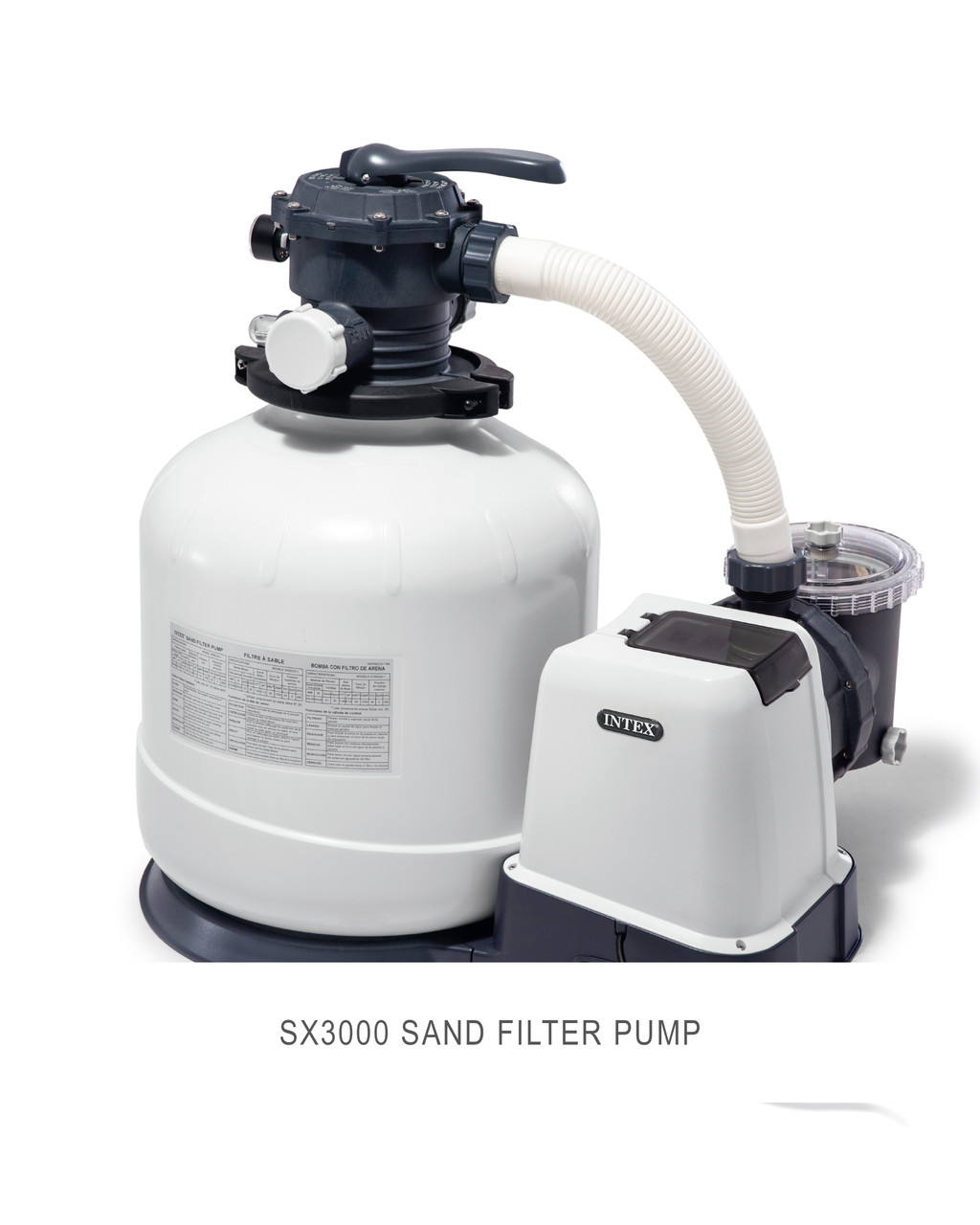
8. Open The Air Release Valve (if Present)
Some Intex pool pumps have a small air release valve (also called a bleeder valve) on top of the filter housing. Slowly turn this valve counterclockwise. You will hear air hissing out. When water starts to come out steadily, close the valve by turning it clockwise.
9. Start The Pump And Check For Leaks
Plug the pump back in and turn it on. Watch the pump and hoses closely. If you see water leaking, turn off the pump and tighten the connections. Make sure no bubbles are coming from the return jets.
10. Observe For Several Minutes
Let the pump run for at least 5–10 minutes. Watch for normal water flow and listen for a smooth, steady sound. No bubbles or noise means the air is gone.
Practical Tips To Prevent Air In Your Pump
Getting air out is important, but preventing the problem is even better. Here are some practical tips:
- Keep water level high – Check your pool every few days, especially after heavy use or rain.
- Inspect hoses monthly – Look for cracks, leaks, or loose clamps.
- Lubricate O-rings every season – This helps them seal better and last longer.
- Clean baskets weekly – Remove debris before it blocks water flow.
- Prime the pump after opening for cleaning – Always add water before restarting.
- Replace worn parts quickly – Small cracks or old O-rings can cause big problems.
Many beginners forget to check O-rings or let the water level drop after a busy pool day. These small steps save time and money in the long run.
Common Mistakes When Removing Air
Even experienced pool owners make mistakes. Avoid these errors:
- Starting the pump with a dry housing – This can burn out the motor.
- Forgetting to tighten the pump lid – A loose lid pulls in air.
- Ignoring small leaks – Even tiny drops add up to big air problems.
- Skipping O-ring lubrication – Dry rings don’t seal well.
- Not priming after cleaning – Every time you open the pump, you must re-prime.
If you’re unsure, always review your pump’s manual or ask for help at a local pool store.
Troubleshooting: If Air Keeps Coming Back
Sometimes, air comes back even after you follow all steps. Here’s how to troubleshoot:
Persistent Bubbles After Bleeding
If bubbles return, check these areas:
- Suction side leaks – Most air problems happen before the pump (skimmer, hoses, fittings).
- Hairline cracks – Look closely at all plastic parts. Use soapy water to find tiny leaks (bubbles will form where air enters).
- Pump lid not seated – Try removing and resetting the lid.
- Worn O-rings – Replace all old rings, not just the pump lid.
Pump Loses Prime Overnight
If the pump works during the day but loses water overnight, check for:
- Slow leaks – Water may drip out slowly, letting air in.
- Evaporation – Hot weather lowers water level. Top up the pool more often.
- Loose hose at the skimmer – This is a common “invisible” air entry point.
Filter Needs Cleaning
A dirty filter makes the pump work harder and can pull air into weak spots. Backwash or clean your filter as directed in the manual.
Intex Pump Models: Air Release Features Compared
Not all Intex pumps are the same. Some have a manual air release valve, others do not. Here’s a comparison of popular models:
| Model | Air Release Valve | Priming Required | Common Air Issues |
|---|---|---|---|
| Intex Krystal Clear Cartridge Filter Pump | Yes (manual) | Yes | Loose lid, low water |
| Intex Sand Filter Pump | Yes (manual) | Yes | Clogged sand, O-ring leaks |
| Intex Krystal Clear Saltwater System | No | Yes | Improper priming |
If your model does not have an air release valve, priming the pump manually is even more important.
What Happens If Air Stays In The Pump?
Letting air stay in your pump is risky. Here’s what can happen:
- Pump loses prime – Water stops flowing, so your pool doesn’t get clean.
- Pump motor overheats – Air doesn’t cool the pump, causing damage.
- Poor water circulation – Chemicals don’t mix, and algae can grow.
- Increased electricity use – The pump works harder, costing more money.
- Shorter pump life – Frequent air problems can ruin the motor.
For example, some users report that their Intex pump lasted only one summer because they ignored air problems. Replacing a pump can cost $100–$300 or more, so it’s worth fixing air leaks early.

Credit: www.youtube.com
Advanced Troubleshooting: Hard-to-find Air Leaks
If you’ve checked everything and still have air, try these advanced tips:
Pressure Test The Hoses
Disconnect the hoses and block one end with a stopper or rag. Fill the hose with water and watch for leaks. If water drips out, air can get in during normal use.
Use Soapy Water
Mix dish soap and water. Brush it onto hose connections, pump lid, and fittings. Turn on the pump and watch for bubbles forming around leaks.
Replace All O-rings
If your pump is more than two years old, replace all O-rings, not just the visible ones. Old rings can flatten out and let air slip by even if they look fine.
Upgrade To Heavy-duty Clamps
The standard plastic clamps can loosen over time. Switch to stainless steel clamps for a tighter, longer-lasting seal.
Routine Maintenance For A Healthy Pump
Regular maintenance keeps your pump running smoothly and prevents air problems.
- Weekly – Check water level, clean the skimmer basket, inspect hoses.
- Monthly – Clean the filter, lubricate O-rings, check for leaks.
- Seasonally – Replace worn parts, deep clean hoses and pump housing.
Here’s a summary of routine tasks:
| Task | Frequency | Importance |
|---|---|---|
| Check water level | Weekly | Prevents air entry |
| Clean skimmer basket | Weekly | Avoids blockages |
| Lubricate O-rings | Monthly | Maintains tight seal |
| Replace old O-rings | Annually | Stops leaks |
| Clean filter | Monthly | Improves flow |
Following this schedule prevents most air issues and keeps your pool sparkling.
Cost Of Repairs: Diy Vs. Professional Help
Fixing air problems yourself can save money, but some cases need a pro. Here’s a comparison:
| Task | DIY Cost | Pro Service Cost | Difficulty |
|---|---|---|---|
| Replace O-ring | $5–$10 | $50–$100 | Easy |
| Tighten hose clamps | Free | $50–$75 | Easy |
| Check for leaks | Free | $40–$80 | Easy |
| Replace pump | $100–$300 | $200–$500 | Moderate |
Most Intex pump owners can handle basic air removal and maintenance themselves. If you face major cracks or electrical issues, it’s safer to call a professional.
Real-life Example: Fixing Persistent Air In An Intex Pump
Sarah, a pool owner from Texas, noticed her pump making noise and weak water flow. She checked for leaks but found nothing obvious. After reading her pump’s manual, she discovered the O-ring was dry and slightly cracked. She replaced it and lubricated the new ring.
Next, she primed the pump by filling the housing with water and bled the air using the release valve. The problem disappeared.
This example shows that even experienced owners can miss small details like O-ring condition. Regular checks and following the right steps can solve most air problems.
When To Replace Your Intex Pool Pump
Sometimes, a pump is too old or damaged to fix. Here are signs it’s time for a replacement:
- Pump motor overheats often
- Cracks in the pump body
- Frequent loss of prime despite repairs
- Electrical problems or burning smells
- Pump is over 5 years old and unreliable
A new Intex pump improves water quality, energy use, and peace of mind.
Where To Find More Information
If you’re still unsure or need detailed diagrams, check the Intex official website or your owner’s manual. Many pool forums also share tips and real-life experiences. For reliable information about pool maintenance, see this SwimmingPool.com guide.
Credit: intexcorp.com
Frequently Asked Questions
How Often Should I Check For Air In My Intex Pool Pump?
Check for air every week, especially after storms, heavy pool use, or moving the pump. Regular checks help catch problems early before they cause damage.
Can I Run My Intex Pump If There Are Small Bubbles?
It’s best not to. Even small bubbles can mean air is entering the system. Running the pump with air inside can damage the motor and reduce water quality.
What Is The Easiest Way To Prime An Intex Pool Pump?
The simplest way is to fill the pump housing with water before starting. Remove the pump lid, pour water in until full, replace the lid, and open the air release valve (if present) until water flows out.
Why Does My Pump Lose Prime After Cleaning The Filter?
Cleaning the filter often lets air into the system. Always prime the pump and bleed air before restarting. Check the filter housing O-ring for cracks or dirt, as a bad seal can let air in.
Should I Use Teflon Tape On Intex Pump Fittings?
Teflon tape can help seal threaded fittings, but most Intex hoses use O-rings and clamps. Use tape only on threaded metal or hard plastic parts, not on O-ring seals.
Getting air out of your Intex pool pump may feel tricky at first, but with the right steps, anyone can do it. Regular checks, simple tools, and a bit of care keep your pump running smoothly all summer long. Enjoy your clean, clear pool!