
Getting hair stuck in a sink drain is a problem almost everyone faces at some point. One day, your bathroom or kitchen sink works perfectly. The next, water starts to drain slowly—or doesn’t drain at all. Most often, the culprit is hair clogging the drain. This issue is common in homes with long-haired family members, pets, or when shaving over the sink. While a slow drain may seem minor, ignoring it often leads to bigger plumbing problems, unpleasant odors, and expensive repairs.
Understanding how to get hair out of a sink drain can save you time, money, and stress. The good news is that you don’t always need a plumber. With the right techniques, tools, and safety steps, you can clear most hair clogs yourself.
In this article, you will learn simple and advanced methods for removing hair from a drain, how to prevent future clogs, and what to do if the blockage is too stubborn. You’ll also find practical tips, real-life examples, and answers to common questions about handling hair in sink drains.
Why Does Hair Clog Sink Drains?
Hair strands are thin but strong. When you wash or comb hair over the sink, loose strands go down the drain. These strands tangle together, catching on soap scum, toothpaste, and other debris. Over time, this mix forms a sticky mass that blocks water flow.
Even short hair can cause a clog if it builds up over weeks or months.
Long hair and pet fur cause clogs more quickly. Curly or textured hair can twist around drain parts, making blockages worse. If you shave over the sink, tiny hairs mix with shaving cream and harden inside pipes. In older homes, pipes may already have a rough surface inside, giving hair more places to stick.
Signs Your Sink Drain Is Clogged With Hair
Recognizing the warning signs early helps you act before the clog gets worse. Here are the most common symptoms:
- Slow draining water – Water pools in the sink and takes longer to empty.
- Gurgling sounds – You hear bubbling or choking noises as water drains.
- Bad smells – Trapped hair collects dirt, soap, and bacteria, causing odors.
- Standing water – If the blockage is severe, water stays in the sink.
- Overflowing water – In rare cases, water may leak from pipes below the sink.
If you notice one or more of these signs, it’s time to clean your drain.
Safety Precautions Before You Start
Before attempting any unclogging method, it’s important to stay safe. Here’s what you should do:
- Wear rubber gloves to protect your hands from bacteria or sharp objects.
- Remove any jewelry or watches that could fall into the drain.
- Keep a bucket or towel under the pipes to catch spills.
- Avoid mixing chemical cleaners, which can create dangerous fumes.
- If you have sensitive skin, wear eye protection.
Remember, never force metal objects deep into the drain. This can damage pipes or push the clog further down.
Simple Methods To Remove Hair From A Sink Drain
You don’t need special tools for most hair clogs. Start with these simple, low-cost methods. They often solve the problem quickly.
1. Remove And Clean The Drain Stopper
The drain stopper (or pop-up) is the most common place for hair to get stuck. Here’s how to clean it:
- If your stopper lifts out easily, remove it by pulling up.
- For stoppers attached with a lever, look under the sink. Loosen the nut holding the stopper rod.
- Once removed, wipe off hair and debris with a paper towel.
- Rinse the stopper with hot water before putting it back.
Sometimes, hair forms a thick mat around the stopper. Cleaning it removes most of the blockage.
2. Use A Hair Removal Tool
Plastic hair removal tools are sold in hardware stores for a few dollars. They’re long, flexible sticks with barbs. To use:
- Insert the tool gently into the drain.
- Twist and wiggle to catch hair.
- Pull out slowly. Hair and gunk will come out attached.
- Repeat until the tool comes out clean.
Dispose of the hair in the trash, not down the drain.
3. Pour Boiling Water
Boiling water can dissolve soap scum and loosen hair. Be careful with plastic pipes—use hot, not boiling, water. Here’s what to do:
- Boil a kettle of water.
- Slowly pour it down the drain in stages, letting it sit for a few seconds each time.
- Check if water drains faster.
This method works best for minor clogs or regular maintenance.
4. Baking Soda And Vinegar
This classic combination creates a fizzy reaction that breaks down clogs. It’s safe for pipes and the environment.
- Pour about 1/2 cup of baking soda into the dry drain.
- Add 1 cup of white vinegar.
- Cover the drain with a plug or cloth. Wait 15–30 minutes.
- Flush with hot water.
This method is especially good for cleaning out odors and small clogs.
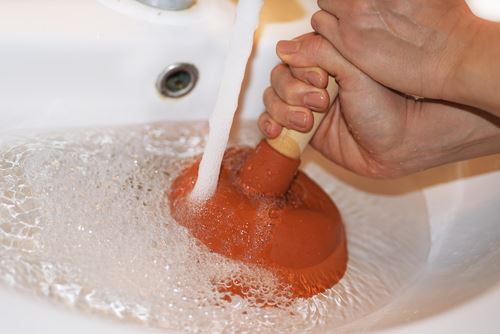
5. Use A Plunger
A small sink plunger creates suction that pulls out hair and debris. To use:
- Fill the sink with an inch of water.
- Place the plunger over the drain, making a tight seal.
- Pump up and down quickly 10–15 times.
- Remove the plunger to see if water drains.
If the clog is loose, this may clear it. If not, try other methods.
Advanced Methods For Stubborn Hair Clogs
If basic techniques don’t work, you may need stronger tools or deeper cleaning. These methods require more effort but are still safe for most people to try.
1. Use A Drain Snake Or Auger
A drain snake is a flexible metal coil that goes deeper into the pipe. Here’s how to use it:
- Remove the drain stopper.
- Insert the snake into the drain, turning the handle.
- Push until you feel resistance (the clog).
- Rotate and push gently to break up the clog.
- Pull out the snake, cleaning off hair as you go.
Repeat until the snake comes out clean and water flows freely.
2. Remove And Clean The P-trap
The P-trap is the curved pipe under the sink. Hair often gets stuck here, especially in older pipes.
- Place a bucket under the P-trap to catch water.
- Loosen the nuts at both ends of the P-trap.
- Carefully remove the trap.
- Use a wire, brush, or old toothbrush to clean out hair.
- Rinse and reattach the P-trap, tightening the nuts.
Check for leaks after reassembling.
3. Wet/dry Vacuum
If you have a wet/dry vacuum (shop vac), it can suck out hair clogs. Make sure the vacuum is set to liquids.
- Seal the drain opening with a wet cloth for a tighter fit.
- Hold the vacuum hose over the drain and turn on the power.
- Let it run for 10–20 seconds.
Check the vacuum canister for hair and debris.
4. Enzyme Drain Cleaners
Enzyme-based drain cleaners use natural bacteria to eat organic matter, including hair. They are safer than chemical cleaners, especially for regular use.
- Buy an enzyme cleaner suitable for hair clogs.
- Follow the instructions on the bottle (usually pouring into the drain and letting it sit overnight).
- Flush with hot water.
Enzyme cleaners work slowly but help keep drains clear over time.
Chemical Drain Cleaners: Are They Safe?
Chemical cleaners are widely advertised for clearing clogs. However, they can be risky. Most use strong acids or lye, which can damage pipes, harm your skin, and pollute water systems. They also release fumes that can irritate your lungs.
Use chemical cleaners only as a last resort, and never mix them with other substances. If you must use one, choose a product labeled safe for your type of pipes. Always follow the instructions and wear protective gear. If chemical cleaners don’t work, call a plumber—never pour more in.
Preventing Hair Clogs In Sink Drains
Prevention is easier than fixing a clog. With a few simple habits, you can keep your drains clear.
1. Install A Drain Cover Or Hair Catcher
Mesh drain covers or silicone hair catchers fit over or inside the drain, trapping hair before it enters pipes. Clean them regularly to keep water flowing.
2. Clean Stoppers Weekly
Wipe off hair and debris from the stopper every week. This stops buildup before it starts.
3. Avoid Washing Large Amounts Of Hair
After brushing or cutting hair, throw it in the trash instead of rinsing it down the sink.
4. Flush Drains With Hot Water
Once a week, pour hot water down the drain to melt soap scum and move small hairs through the pipes.
5. Use Enzyme Cleaners Monthly
A monthly dose of enzyme cleaner keeps hair from sticking and breaking down inside pipes.
6. Groom Pets Away From Sinks
Pet fur is a major cause of clogs. Brush pets in another area and dispose of loose fur in the garbage.
When Should You Call A Professional Plumber?
Most hair clogs are easy to fix, but sometimes you need expert help. Call a plumber if:
- The clog keeps coming back, even after cleaning.
- Water is leaking under the sink or pipes are cracked.
- You can’t reach the clog with tools.
- Chemical cleaners did not work.
- You smell strong sewage odors or see water backing up in other drains.
Professional plumbers have special equipment like motorized snakes and cameras. They can clear deep or hard-to-reach clogs without damaging pipes.
Comparing Methods For Removing Hair Clogs
To help you choose the best method, here’s a comparison of popular techniques:
| Method | Effectiveness | Cost | Safety | Best For |
|---|---|---|---|---|
| Manual Removal (Stopper/Tool) | High | Low | Very Safe | Most common clogs |
| Boiling Water | Medium | Free | Safe (if careful) | Minor clogs |
| Baking Soda & Vinegar | Medium | Low | Very Safe | Light buildup, odors |
| Plunger | Medium | Low | Safe | Loose clogs |
| Drain Snake | High | Medium | Safe (with care) | Stubborn clogs |
| Chemical Cleaners | Medium | Medium | Risky | Last resort |
| Professional Plumber | Very High | High | Safe | Severe/recurring clogs |
Tools And Products For Clearing Hair From Drains
Having the right tool makes the job easier. Here’s a look at some useful options:
| Tool/Product | Average Price (USD) | Usage Difficulty | Reusable? |
|---|---|---|---|
| Plastic Hair Removal Tool | 2–5 | Very Easy | Yes |
| Manual Drain Snake | 10–25 | Medium | Yes |
| Wet/Dry Vacuum | 50–150 | Medium | Yes |
| Enzyme Drain Cleaner | 8–15 | Easy | No |
| Chemical Cleaner | 6–12 | Easy | No |
| Drain Cover/Hair Catcher | 5–10 | Very Easy | Yes |
Credit: www.smithsplumbingservice.com
Common Mistakes To Avoid
Even experienced DIYers sometimes make errors when dealing with clogged drains. Here are mistakes to watch out for:
- Using metal tools carelessly – Metal can scratch pipes or push the clog further down.
- Pouring grease or oil down the drain – Grease mixes with hair and makes clogs worse.
- Overusing chemical cleaners – Too many chemicals can damage pipes and harm the environment.
- Ignoring slow drains – Waiting too long allows hair to build up, making removal harder.
- Not checking the stopper – Many people forget to clean the stopper, where most hair collects.
- Forgetting safety gear – Always protect your hands and eyes from bacteria and chemicals.
Real-life Example: Clearing A Family Bathroom Sink
Let’s look at how one family solved their clogged bathroom sink:
The Rodriguez family noticed their bathroom sink was draining slowly. With three long-haired daughters, hair buildup was likely. First, they removed the stopper and found a thick tangle of hair and toothpaste. They wore gloves, pulled out the hair, and rinsed the stopper.
Next, they poured boiling water down the drain. The water drained faster, but not perfectly. They tried a plastic hair removal tool, which pulled out more hair. Finally, they flushed the drain with baking soda and vinegar, followed by hot water.
The sink worked like new.
Their main insight: Cleaning the stopper and using simple tools fixed the problem without chemicals or a plumber.
Credit: www.youtube.com
Non-obvious Insights For Homeowners
- Check the overflow hole: Many sinks have a small hole near the top edge to prevent spills. Hair and gunk can collect here, too. Clean it with a pipe cleaner or small brush to ensure proper air flow.
- Regular maintenance saves money: Spending five minutes each week cleaning the drain can prevent expensive plumbing bills later.
- Not all drain cleaners are equal: Enzyme cleaners work slower but are better for your pipes and the planet compared to harsh chemical products.
- Know your pipes: Older homes may have narrow or corroded pipes that clog faster. If you have frequent issues, consider replacing old plumbing with smoother, modern pipes.
The Long-term Impact Of Hair Clogs
Ignoring hair clogs can lead to bigger problems over time. Water trapped in the drain creates a breeding ground for bacteria and mold. Odors can spread into your bathroom or kitchen. If the clog grows, pressure can build up and cause leaks, pipe bursts, or water damage to cabinets and floors.
In apartments or multi-story buildings, one clogged sink can affect other units.
Regular cleaning and preventive steps protect your home’s value and your health. If you’re unsure about handling a clog, it’s always wise to call a professional before the problem gets worse.
Credit: www.youtube.com
Frequently Asked Questions
Why Does Hair Clog Drains So Easily?
Hair is flexible and strong. It tangles together and sticks to soap, toothpaste, and other debris. Over time, this forms a thick mass that blocks water flow. Even short hair or pet fur can build up and cause clogs.
Can I Use Bleach To Clear A Hair Clog?
Bleach is not effective for hair clogs. It may kill bacteria but does not dissolve hair. Stronger chemicals are needed to break up hair, but they can damage pipes. Safer methods like a drain snake or hair removal tool work better.
How Often Should I Clean My Sink Stopper?
For best results, clean your stopper once a week. Remove hair and rinse it under hot water. This simple step stops most clogs before they start.
Is It Safe To Use A Wire Hanger As A Drain Tool?
A wire hanger can help grab clogs but may scratch pipes or push hair deeper. It’s safer to use a plastic tool designed for drains, which won’t damage plumbing.
What If None Of These Methods Work?
If you’ve tried all DIY methods and water still won’t drain, it’s time to call a professional plumber. Persistent clogs may be deep inside your plumbing or caused by a broken pipe. Experts have the right tools to fix the problem safely.
For more on safe home plumbing practices, visit Family Handyman.
Solving hair clogs in sink drains doesn’t have to be stressful. With the right techniques, regular maintenance, and a little patience, you can keep your sinks running smoothly and avoid costly repairs.