
If you have boxwood shrubs in your garden, you might already know their elegant look and dense green leaves make them a favorite for hedges and landscaping. But there’s a catch: the boxwood smell. Many people notice a strong, unpleasant odor coming from boxwoods, especially after rain or in warm weather. This scent is often compared to cat urine or musty socks, and it can be strong enough to make relaxing in your garden less enjoyable.
The good news is, you don’t have to live with this smell forever. There are practical ways to reduce or even get rid of the boxwood odor. This guide covers every angle—from quick fixes and garden design to scientific reasons for the smell and long-term strategies.
You’ll learn what works, what doesn’t, and how to make your outdoor space smell fresh again.
Let’s uncover the secrets to a sweet-smelling garden, even with boxwoods in it.
Why Do Boxwoods Smell?
Understanding the source of the boxwood smell helps you deal with it effectively. The scent comes mainly from the plant’s leaves, especially when they are crushed, wet, or heated by the sun. Some boxwood species are more pungent than others. The main chemical responsible is 2-ethylhexanoic acid, which gives off that “cat urine” aroma.
Other factors can make the smell worse:
- High humidity and rain
- Warm temperatures
- Poor air circulation around the plant
- Old or decaying leaves stuck in the shrub
Knowing these triggers is the first step to managing the odor.
Choosing The Right Boxwood Variety
Not all boxwoods smell the same. Some types barely smell at all, while others are famous for their strong scent. If you’re planning to plant new boxwoods or replace existing ones, the right variety can make a big difference.
Less Smelly Boxwood Varieties
Below is a comparison between popular boxwood types and their odor levels:
| Boxwood Variety | Odor Level | Best For |
|---|---|---|
| Buxus microphylla ‘Green Beauty’ | Very Low | Hedges, Topiaries |
| Buxus sinica var. insularis ‘Wintergreen’ | Low | Cold Climates |
| Buxus sempervirens ‘Suffruticosa’ | High | Formal Borders |
| Buxus sempervirens (American Boxwood) | Moderate | Large Hedges |
| Buxus microphylla ‘Faulkner’ | Very Low | Small Gardens |
Tip: If you haven’t planted yet, choose ‘Green Beauty’ or ‘Faulkner’ varieties. These are much less smelly and still look great in most gardens.
How To Replace Existing Boxwoods
If your current boxwoods are too smelly, you might want to replace them. This is a big step, but sometimes it’s worth it for long-term comfort. Dig up the old shrubs, improve the soil, and plant a low-odor variety. Remember, new boxwoods can take a few years to fill in, so plan your garden design accordingly.
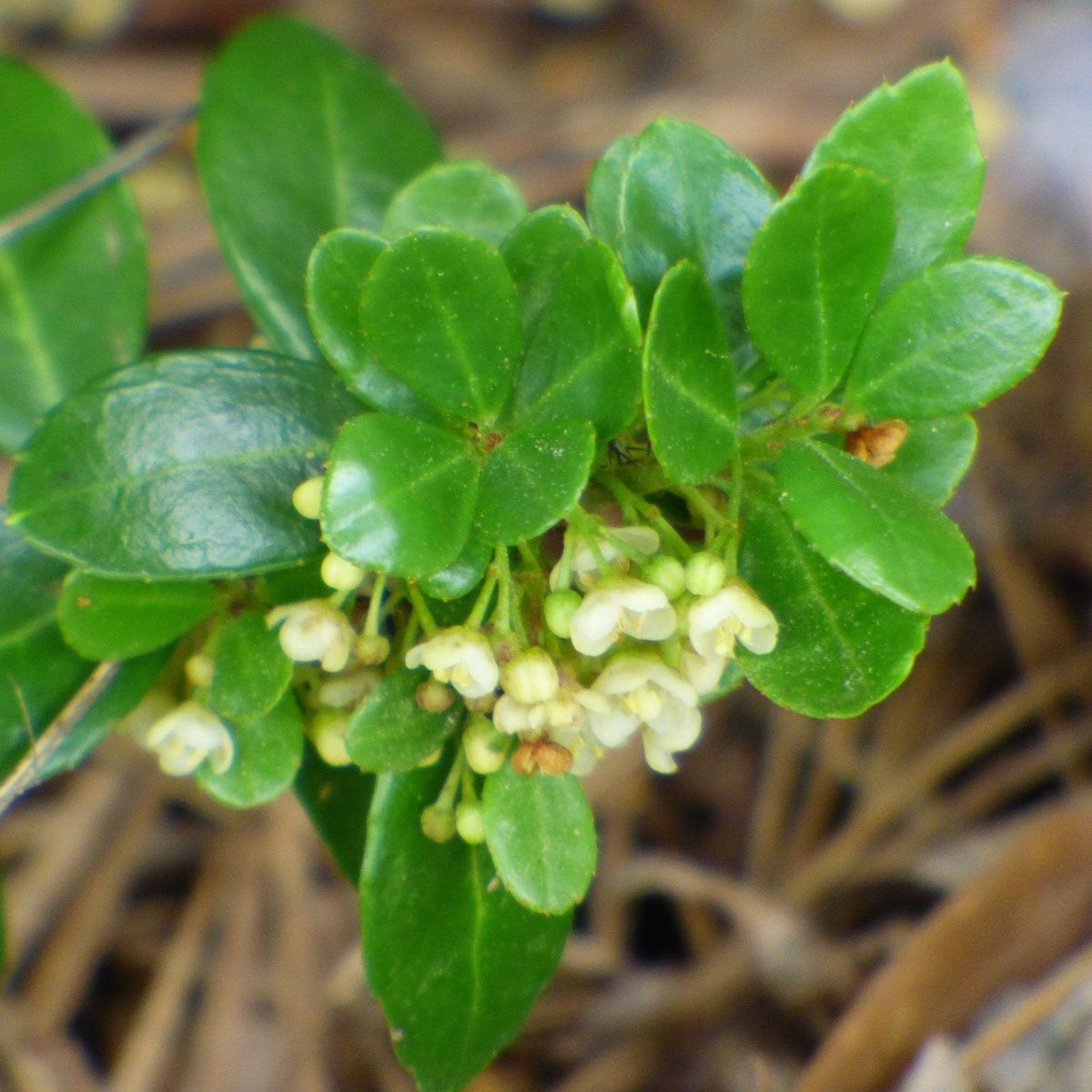
Credit: www.gardeningknowhow.com
Improving Air Circulation
One of the easiest ways to reduce boxwood smell is to improve air flow around the plants. Good air circulation helps dry the leaves and prevents the buildup of smelly compounds.
- Trim inner branches to open up the shrub
- Space boxwoods at least 2–3 feet apart
- Remove any dense ground cover or weeds around the base
- Avoid planting too close to walls or fences
If you have a dense hedge, consider thinning it slightly. You’ll notice the smell isn’t as strong when air moves freely.
Pruning And Cleaning Techniques
Boxwoods collect dead leaves and debris inside their branches. This decaying material can make the smell worse. Regular pruning and cleaning can help.
Steps For Effective Pruning
- Use clean, sharp shears to avoid damaging the plant.
- Cut away any dead or yellowing branches.
- Remove old leaves caught in the center of the shrub.
- Thin out crowded areas to let sunlight and air reach the inner parts.
- Rake and clean the soil around the base.
Insight: Many gardeners only shape the outside, but cleaning the inside is just as important. This step is often missed but makes a noticeable difference in reducing odor.
Watering Practices To Reduce Smell
How you water your boxwoods can affect how strong the smell gets. Wet leaves release more odor, especially during hot weather.
- Water early in the morning so leaves dry quickly
- Use drip irrigation or soaker hoses to keep water off the leaves
- Avoid overhead sprinklers if possible
- Don’t overwater—the roots need to breathe too
Consistent soil moisture is good, but soggy conditions lead to more smell and even root rot.
Mulching: Friend Or Foe?
Mulch keeps soil moist and helps control weeds, but it can also trap moisture and make boxwood smell worse if used incorrectly.
Good Mulching Practices
- Use a thin layer (1–2 inches) of fine bark or compost
- Keep mulch a few inches away from the base of the plant
- Replace old mulch every year to prevent fungus and mold
Heavy or wet mulch packed against the stems creates a perfect environment for bad smells. Always let the base breathe.
:max_bytes(150000):strip_icc()/box-edler-bugs-GettyImages-1219718552-e261f5fb02a7411399fed6864caf945e.jpg)
Credit: www.realsimple.com
Soil Health And Drainage
Healthy soil supports healthy plants and less odor. Boxwoods like well-drained, slightly alkaline soil.
- Test your soil pH (ideal is 6.5–7.5)
- Add lime if soil is too acidic
- Improve drainage by mixing in sand or perlite if your soil stays wet
- Avoid planting in low spots where water collects
Practical tip: If you notice puddles around your boxwoods after rain, raise the bed or create a gentle slope away from the plants.
Cleaning Boxwood Leaves
Sometimes, the smell is strongest right after rain or watering. Gently cleaning the leaves can remove some of the odor-causing substances.
- Spray the leaves with a gentle stream of water
- Let them dry fully in the sun
- For extra cleaning, mix a few drops of mild dish soap in a gallon of water and rinse the leaves, then spray with clean water
Don’t use harsh chemicals—these can harm the plant and won’t remove the natural smell.
Using Odor Neutralizers
If you need a fast fix for a special event or guests, odor neutralizers can help. These do not remove the source, but can mask the smell for a while.
Options For Odor Control
- Commercial garden odor neutralizers (safe for plants)
- DIY spray: Mix 1 part white vinegar with 3 parts water, lightly mist around (not on) the shrubs
- Activated charcoal pouches placed near the plants
Caution: Never spray strong chemicals or perfumes directly onto boxwoods. This can burn the leaves and damage the plant.
Planting Companion Plants
A smart way to hide the boxwood smell is to plant other fragrant plants nearby. These will not only distract your nose, but also add beauty to your garden.
Good Companion Plants
- Lavender – strong, pleasant scent and easy to grow
- Rosemary – aromatic and useful in the kitchen
- Gardenias – powerful floral fragrance
- Sage and thyme – herbal scents that blend well
Stagger these around your boxwoods or plant in small clusters. This natural method works year after year.

Credit: www.reddit.com
Dealing With Seasonal Smell Changes
Boxwoods often smell stronger in spring and fall, when growth is fastest and humidity is high. During these seasons:
- Prune and clean more often
- Thin out the branches for extra air flow
- Reduce watering if rain is frequent
In summer heat, the smell can spike after thunderstorms. Watch for these patterns and adjust your care as needed.
Using Physical Barriers
If you can’t remove the smell at the source, you can block it from reaching patios or windows.
- Use tall planters with fragrant flowers between your boxwoods and seating areas
- Install a low fence or trellis covered with vines
- Create a windbreak with other shrubs
These barriers won’t remove the odor, but they can redirect it so you enjoy your garden more.
Home Remedies For Boxwood Smell
Some gardeners use simple home solutions to reduce boxwood odor. While results vary, these can help in mild cases:
- Sprinkle baking soda around the base to neutralize soil odors (use sparingly).
- Place citrus peels near the shrubs—the fresh scent helps mask the smell.
- Dilute hydrogen peroxide (3%) in water (1: 10 ratio) and gently water the soil to reduce bacteria (once per season only).
Warning: Do not overuse these remedies. Too much baking soda or hydrogen peroxide can harm your plants.
Professional Solutions
If the smell is severe or you have a large garden, professional help may be needed.
- Garden consultants can test your soil, recommend new varieties, or help redesign your landscape.
- Arborists can safely thin or replace old boxwoods.
- Landscaping companies may offer odor control treatments or plant replacement services.
Professional help is a good option if you’ve tried everything else without success.
When To Remove Boxwoods
Sometimes, the smell is so strong that keeping boxwoods just isn’t worth it. Signs you should consider removal:
- The odor is noticeable year-round, even after cleaning and pruning
- Family members or guests are bothered by the smell
- You want to plant a vegetable or herb garden nearby
Removing boxwoods is a big job, but it can open up new possibilities for your landscape. If you do remove them, replace with low-odor evergreens like holly or yew.
Common Mistakes To Avoid
Many gardeners accidentally make the boxwood smell worse. Here are mistakes to watch for:
- Overwatering (leaves stay wet and smelly)
- Heavy mulch packed against stems
- Ignoring old leaves inside the shrub
- Using strong chemicals on plants
- Planting too close together
Insight: It’s not just about the plant—it’s about the whole environment. Small changes in care and placement can reduce odor much more than you think.
Comparing Solutions: What Really Works?
Here’s a quick comparison of common odor-reducing methods:
| Solution | Effectiveness | Effort Needed | Cost |
|---|---|---|---|
| Choosing low-odor boxwoods | High (permanent) | High (replanting) | High |
| Improving air circulation | Medium | Low | Low |
| Pruning and cleaning | Medium | Medium | Low |
| Odor neutralizers | Low (temporary) | Low | Low |
| Planting companion plants | Medium | Medium | Medium |
| Professional help | High | Medium | High |
How Long Does It Take To Reduce The Smell?
Results depend on your method:
- Pruning and cleaning can reduce the smell in a few days.
- Planting new varieties or improving drainage can take months.
- Odor neutralizers work instantly but only last a few hours.
For lasting results, combine several methods and keep up with regular garden care.
Real-life Example: Turning A Smelly Hedge Fresh
Emma, a homeowner in Virginia, struggled with boxwood odor for years. She tried air fresheners and even considered removing her 20-year-old hedge. After learning about less smelly varieties, she replaced her old boxwoods with ‘Green Beauty’, spaced them further apart, and planted lavender nearby. She also started cleaning out old leaves every month. The result: her garden smells fresh, and she can enjoy her patio again.
This example shows that even old gardens can be refreshed with the right changes.
Scientific Perspective On Boxwood Odor
Researchers have studied why boxwoods smell so strong. The plant produces volatile organic compounds (VOCs) as a natural defense. These help protect against insects and disease. Unfortunately, they can be unpleasant to humans.
Studies show that environmental factors—like humidity and temperature—can change how much VOCs are released. This means a boxwood may smell different in spring than in fall, or after a rainstorm.
For more details, you can check this Buxus Wikipedia page.
Are There Boxwood Alternatives?
If you want the look of boxwoods without the smell, try these alternatives:
- Japanese holly (Ilex crenata): Similar shape, no odor, evergreen.
- Dwarf yaupon holly: Dense and easy to trim, no smell.
- Euonymus: Many varieties with small leaves, low odor.
- Privet: Good for hedges, but needs regular trimming.
These plants offer the same neat, formal look for borders and hedges—without the strong scent.
Keeping Your Garden Fresh All Year
A fresh-smelling garden is about balance. Combine the right plants, good care, and a few smart tricks, and you can enjoy your outdoor space in every season.
- Trim and clean regularly, especially after rain.
- Choose plants with pleasant scents to balance the area.
- Watch for changes in smell with the weather and adjust care.
- Don’t be afraid to replace problem plants if needed.
A little planning goes a long way.
Frequently Asked Questions
Why Do Boxwoods Smell Like Cat Urine?
The odor comes from 2-ethylhexanoic acid and other natural chemicals in the leaves. These compounds act as a defense for the plant but smell unpleasant to humans, especially after rain or in warm weather.
Can I Stop Boxwoods From Smelling Completely?
You can reduce the smell with good care, choosing the right variety, and cleaning regularly. However, you can’t remove the odor 100% from all boxwoods, since it’s part of their natural makeup.
Are There Any Boxwood Varieties That Don’t Smell?
Yes, varieties like ‘Green Beauty’, ‘Faulkner’, and ‘Wintergreen’ have much less odor. Choosing these types can make a big difference.
Will Planting Flowers Nearby Really Help With The Smell?
Yes, fragrant flowers or herbs can mask the boxwood scent and create a more pleasant overall aroma in your garden. Lavender, rosemary, and gardenias are especially effective.
Is The Boxwood Smell Harmful To Humans Or Pets?
The smell is not dangerous—it’s just unpleasant. However, always keep pets from eating any garden plant, as some may have mild toxins.
A beautiful garden shouldn’t come with an unwanted scent. With the right strategies, you can control the boxwood smell and enjoy your outdoor space again. Whether you choose quick fixes or long-term changes, the power is in your hands to create a fresh, inviting landscape.