
If you open your dishwasher and see white residue on dishes, glasses, or the inside walls, you are not alone. This chalky film is a common problem. It can make your clean plates look dirty, and your glasses look cloudy. Many people wonder if their dishwasher is broken or if they are doing something wrong. The good news is, there are clear reasons why this happens—and even better, there are proven ways to fix it.
Understanding the causes behind white residue in your dishwasher will help you get rid of it for good. Sometimes, it’s about the water you use. Sometimes, it’s about the detergent or how you load the machine. Often, it’s a mix of small things that add up over time.
This article will show you exactly how to remove that stubborn residue, prevent it from coming back, and keep your dishes sparkling clean. Whether you are a new dishwasher owner or have been using one for years, these solutions are practical, easy to follow, and based on real experience.
What Causes White Residue In Dishwashers?
To solve any problem, you first need to know what causes it. White residue in dishwashers comes from a few main sources. Each one has its own solution.
Hard Water
Most white residue is caused by hard water. Hard water has a lot of minerals, mainly calcium and magnesium. When your dishwasher dries the dishes, these minerals are left behind as a chalky film.
In areas where water hardness is high, residue can build up much faster. People living in cities with hard water—like London, Los Angeles, or Dubai—notice this problem more often. Hard water also means your dishwasher has to work harder, and over time, it might shorten your machine’s lifespan.
Detergent Issues
Using too much or too little dishwasher detergent can also leave residue. Some low-quality detergents do not dissolve well or react with minerals in the water, making the problem worse.
For example, cheap detergents may have more “fillers” that do not clean but leave behind powdery residue. If you switch brands and suddenly notice more residue, the detergent could be the reason. Sometimes, even “eco” detergents, while better for the environment, do not always perform as well in areas with hard water.
Rinse Aid Problems
Rinse aid helps water slide off dishes so they dry without spots. If you do not use rinse aid or it runs out, water can dry unevenly, leaving behind both spots and residue.
Some dishwashers have a rinse aid light that shows when it’s empty. Ignoring this light can make residue appear quickly. Also, if you use a “3-in-1” detergent pod, you might think you don’t need extra rinse aid, but in hard water, the built-in rinse aid may not be enough.
Dishwasher Not Cleaning Properly
If your dishwasher is old, clogged, or not running well, it may not rinse dishes fully. Food particles, grease, and soap can build up, making residue worse.
A common sign is that residue appears even after you have tried changing detergent or rinse aid. When cleaning power drops, it often means spray arms or filters need attention. Sometimes, a slow-draining dishwasher also leaves residue, as dirty water stays inside during rinsing.
Loading Mistakes
Overloading the dishwasher or blocking the spray arms can stop water from reaching every dish. This means soap and minerals are not washed away.
If you pile bowls or stack plates too closely, the water spray cannot reach all surfaces. Cups and glasses can block detergent doors from opening fully, which means soap is not released at the right time. Always check that nothing blocks the spray arms from spinning.
High Water Temperature
If the water is not hot enough, detergent does not dissolve completely. This leaves both soap and mineral residue.
Modern dishwashers use less water to save energy, so water temperature matters even more. If you often use “eco” or short cycles, the water may not get hot enough to fully clean and rinse dishes, especially if your water heater is set low.
Salt Reservoir Issues (for Some Models)
Some dishwashers have a salt reservoir for softening water. If it’s empty or not working, hard water problems get worse.
Salt helps “trap” minerals so they do not stick to dishes. If you notice a sudden increase in residue and have a dishwasher with a salt compartment, check if it is empty or clogged. Always use special dishwasher salt, not table salt, as the wrong salt can damage the machine.
How To Identify The Type Of White Residue
Before you start cleaning, it helps to know what kind of residue you have. Here’s how to tell:
| Residue Type | Appearance | Common Cause |
|---|---|---|
| Chalky, powdery film | White, feels gritty when touched | Hard water minerals |
| Cloudy film | Hazy look, especially on glasses | Detergent not rinsed away |
| Greasy residue | Feels oily, sometimes with white streaks | Dishwasher not cleaning well, low water temp |
To test if the white film is mineral residue, rub some vinegar on the spot. If it disappears, it’s most likely from hard water. If it does not, it could be detergent or grease.
You can also try scratching the residue with your fingernail. Mineral deposits often flake off, while detergent film feels slimy when wet. Grease is sticky and can smear. Knowing this helps you use the right cleaning method.

Credit: www.reddit.com
Step-by-step: How To Get Rid Of White Residue In Dishwasher
Now, let’s look at practical steps to remove white residue from your dishwasher and dishes.
1. Clean All Affected Dishes
Start by hand-washing any dishes with stubborn residue. Use warm water and a little white vinegar. Vinegar helps dissolve mineral deposits. Rinse well after cleaning.
If residue is thick, soak glasses or plates in a basin with a 50/50 mix of warm water and vinegar for 10–15 minutes, then scrub gently with a soft cloth. This is especially useful for glassware that shows every spot.
2. Empty And Inspect The Dishwasher
Take out all racks and check inside the machine. Look for any buildup on the spray arms, filters, and walls. These are common places for residue to collect.
Run your finger along the inside walls and door. If you feel roughness or see white patches, these are signs that cleaning is needed. Check the detergent compartment, too—sometimes, leftover soap cakes up and sticks inside.
3. Clean The Dishwasher Filter
The filter traps food and debris. If it’s clogged, cleaning power drops. Remove the filter (check your manual for where it is) and rinse it under running water. Use a soft brush to remove stubborn gunk.
Non-obvious tip: Filters should be cleaned at least once a month, even if you do not see visible dirt.
For tough buildup, soak the filter in warm, soapy water for 15–20 minutes before scrubbing. If your filter is dishwasher-safe, you can run it through a short cycle on the top rack for a deeper clean.
4. Check And Clean Spray Arms
Spray arms can get blocked by food or mineral buildup. Remove the arms if possible. Use a toothpick or thin wire to clear any clogged holes. Rinse under water.
If the spray holes are blocked, water cannot reach all dishes. Hold the spray arm up to the light to check for blockages. If you see stubborn buildup inside, soak the spray arm in vinegar for 30 minutes, then rinse.
5. Run A Vinegar Wash Cycle
Pour one cup of white vinegar into a dishwasher-safe bowl. Place it on the top rack. Run the dishwasher on the hottest cycle (without dishes or detergent). Vinegar helps break down mineral and detergent residue.
Non-obvious insight: Do not use vinegar and baking soda together in the same cycle—they can cancel each other out and reduce cleaning power.
If you want a deeper clean, pause the cycle halfway and let the vinegar sit for 30 minutes before finishing. This gives the vinegar more time to work on stubborn spots.
6. Run A Baking Soda Rinse
After the vinegar cycle, sprinkle one cup of baking soda on the floor of the dishwasher. Run a short, hot cycle. Baking soda deodorizes and helps remove any remaining stains.
Baking soda is also gentle on your dishwasher’s rubber seals and metal parts. If you notice odors or persistent stains, repeat this step once a week for a month.
7. Clean The Door Seals And Edges
Wipe around the door seal, hinges, and edges with a damp cloth and a little vinegar. These places often collect residue and mold.
A toothbrush works well to clean small crevices. Leftover food or residue here can cause bad smells and even make the door leak over time.
8. Refill Rinse Aid And Salt Reservoir (if Applicable)
Make sure your dishwasher has enough rinse aid. If your model has a salt reservoir for softening water, check and refill it as needed. Follow your manual for the right type and amount.
Not all rinse aids are the same. If you notice streaks or a rainbow effect on glassware, try switching brands. For salt reservoirs, use only dishwasher salt—never table salt or sea salt, which can cause damage.
9. Check Water Temperature
Your dishwasher works best if the water is at least 120°F (49°C). Run hot water at your kitchen tap for a minute before starting the dishwasher. If your water heater is set too low, increase the temperature (but stay under 140°F/60°C for safety).
If you do not have a thermometer, touch the water at your sink—if it feels very warm but not scalding, it is probably right. Some dishwashers have built-in heaters, but starting with hot water is always helpful.
10. Try A Commercial Dishwasher Cleaner
There are special cleaners made for dishwashers. Use them every few months to remove hidden buildup. Follow the instructions on the package.
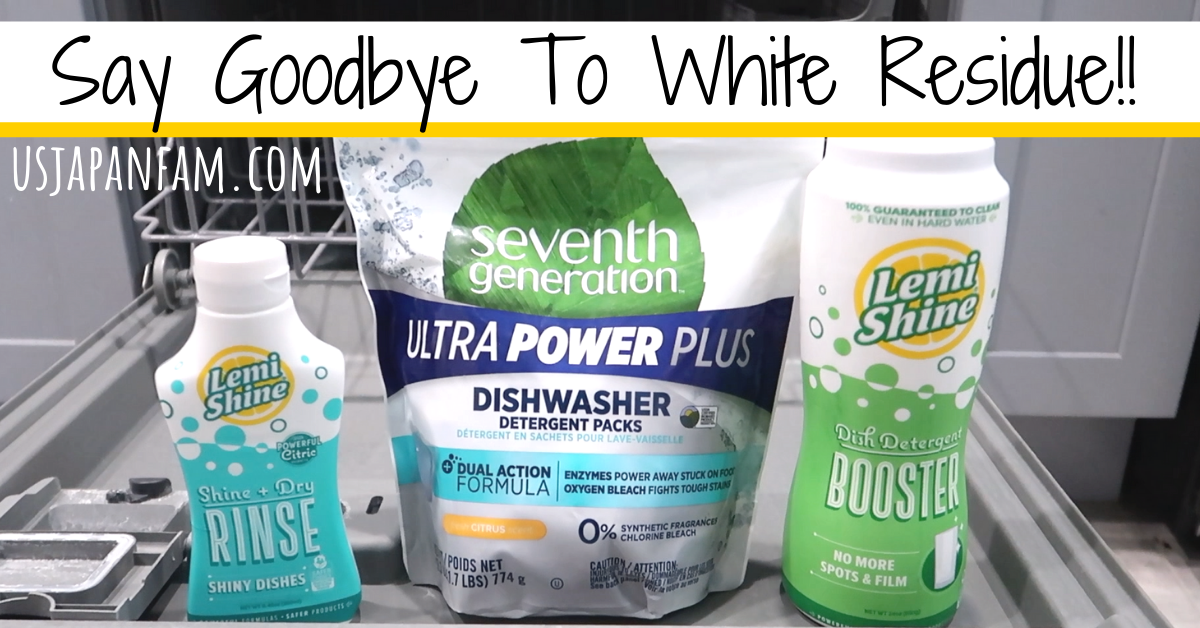
Some cleaners also help remove odors, which is an added bonus if your dishwasher smells musty. Brands like Finish, Affresh, and Lemi Shine are widely available and effective.
11. Repeat If Needed
Sometimes, heavy buildup takes two or three cleaning cycles to fully remove. Do not be discouraged if you see some residue after the first try.
For stubborn cases, alternate vinegar and baking soda cycles with a commercial cleaner for a month. If you see improvement, keep up with regular monthly maintenance.
Preventing White Residue: Habits That Work
Getting rid of residue is only part of the solution. It’s just as important to stop it from coming back.
Use The Right Detergent
Choose a detergent made for your water type (hard or soft). Some brands work better with certain dishwashers. Try a few to see which gives you the best results.
Tip: Powder detergents often perform better in hard water than gels or pods.
Read reviews from people in your area, as local water quality makes a big difference. Sometimes, a detergent that works well for your neighbor does not work for you, especially if you are on a different water supply.
Measure Detergent Correctly
More detergent is not always better. Too much can leave a film, especially with soft water. Use the amount suggested by the manufacturer.
If you notice suds left after the cycle, try using half the usual amount for a few washes. Adjust as needed until your dishes come out clean and residue-free.
Don’t Overload The Dishwasher
Leave space between plates and cups. Make sure the spray arms can spin freely and reach every dish.
If you have a lot of dishes, run two loads instead of cramming everything into one. It may use a little more water, but your dishes will be cleaner and residue-free.
Use Rinse Aid
Rinse aid helps water sheet off dishes and prevents spots and film. Refill the dispenser regularly.
If you’re sensitive to chemicals, try a natural rinse aid made from vinegar and lemon juice. Test it on a few loads to see if you like the results.
Run Hot Water Before Starting
Flush cold water from the pipes by running hot water at your sink before starting the dishwasher.
This simple habit makes a big difference, especially in winter or in homes where the water heater is far from the kitchen.
Clean Regularly
Wipe down the inside, check the filter, and run a vinegar wash once a month. This keeps buildup away.
Put a calendar reminder on your phone so you do not forget. Regular cleaning is cheaper and easier than fixing big problems later.
Check For Hard Water
If you see white residue often, test your water hardness. Water test kits are cheap and easy to use. If you have hard water, consider a water softener.
Some local water companies list water hardness on their websites. If your water measures over 7 grains per gallon (120 mg/L), you have hard water and need extra care.
Choosing The Right Dishwasher Detergent
The detergent you use makes a big difference. Here are some things to consider:
| Detergent Type | Best For | Potential Issues |
|---|---|---|
| Powder | Hard water, heavy soil | Can clump if stored in humid areas |
| Gel | Light soil, soft water | Less effective in hard water |
| Pods/Tablets | Convenience, pre-measured doses | May leave undissolved bits in short cycles |
Eco-friendly tip: Some natural detergents work well but may need more frequent cleaning to avoid buildup.
Try not to mix detergent types in the same wash, as they may react and leave more residue. Also, store detergent in a cool, dry place—moisture can make powder clump and reduce cleaning power.
How Hard Water Affects Your Dishwasher
Hard water is the main reason for white residue. Here is why it matters:
- Mineral deposits can block spray arms, filters, and pipes.
- They lower cleaning power and waste energy.
- Over time, hard water can damage your dishwasher.
Signs you have hard water:
- White spots on glasses and dishes
- Chalky buildup inside the machine
- Soap does not lather easily
If hard water is a problem in your area, you can:
- Use dishwasher salt (if your machine allows)
- Use a water softener for your whole house
- Try detergents made for hard water
Some people also notice that their clothes feel stiff after washing or their skin feels dry—these are other signs of hard water at home.
Credit: www.usjapanfam.com
Common Mistakes That Make White Residue Worse
Some habits can make residue problems much harder to solve. Watch out for these:
- Using too much detergent: Leads to more film, especially in soft water.
- Not cleaning the filter: Clogged filters reduce water flow and cleaning.
- Skipping rinse aid: Increases spotting and film.
- Overloading: Blocks water flow and leaves detergent behind.
- Ignoring water temperature: Low temps mean detergent does not dissolve.
Even people who use their dishwasher for years often miss these simple but important details.
Another common mistake: using regular dish soap instead of dishwasher detergent. This can cause too many suds and leave a sticky film on everything.
Deep Cleaning Your Dishwasher: A Full Guide
If regular cleaning is not enough, you may need a deeper clean. Here’s how:
- Unplug the dishwasher or turn off the power.
- Remove racks and utensil holders.
- Clean the spray arms by soaking them in vinegar if they are heavily clogged.
- Scrub the inside walls with warm water, vinegar, and a soft brush.
- Check the drain: Make sure nothing is blocking the flow.
- Wipe the outside and control panel with a damp cloth.
Expert tip: Every six months, check your dishwasher’s hoses and connections. Mineral buildup here can also cause problems.
If you notice water pooling at the bottom after a cycle, the drain could be partly blocked by mineral deposits or food. Cleaning this area can help avoid bigger repairs later.
When To Call A Professional
Most residue problems can be solved at home. But sometimes, the issue is bigger:
- If you see leaks or water not draining
- If the heater is not working
- If white residue returns after many cleanings
A technician can check for broken parts, worn-out seals, or deep blockages.
Also, if you smell burning or see sparks, turn off the dishwasher and call for help. Electrical problems should always be fixed by a professional.
Comparing Dishwasher Cleaners
If you’re looking for a store-bought solution, here’s how popular cleaners compare:
| Brand | Main Ingredient | Strengths | Cost (Approx.) |
|---|---|---|---|
| Finish Dishwasher Cleaner | Citric acid | Removes limescale, easy to use | $4-6 per bottle |
| Affresh Dishwasher Cleaner | Sodium carbonate | Deodorizes, good for monthly use | $5-7 per pack |
| Lemi Shine Dishwasher Cleaner | Lemon extract, citric acid | Eco-friendly, strong on minerals | $6-8 per pack |
Always follow the instructions on the label for best results.
You can find these cleaners in most supermarkets or online. If you want to avoid chemicals, vinegar and baking soda are good homemade options, but commercial cleaners are stronger for heavy buildup.
Real-life Examples: Solving White Residue
Many people have fought this problem and won. Here are some real stories:
- Case 1: Jenny, from New York, had cloudy glasses after every wash. She switched from gel to powder detergent, cleaned her filter, and started using rinse aid. The residue disappeared within two weeks.
- Case 2: Ahmed, in Dubai, faced hard water. He installed a small water softener for his dishwasher and now rarely sees white film.
- Case 3: Marta, in Spain, had buildup even after cleaning. She found her water heater was set to only 105°F. After raising it to 125°F, the problem went away.
Another example: Ben in Sydney thought his new dishwasher was faulty because of white streaks on cutlery. He learned that his “eco” cycle did not heat water enough for his hard water. Using the normal cycle fixed the issue.
These examples show that it’s usually a few small changes—not one big fix—that solve the problem.
Frequently Asked Questions
Why Do I See White Residue Only On Glassware?
Glasses show white residue more clearly because they are transparent. The minerals and detergent film reflect light, making spots and haze look worse on glass than on plates or plastic.
Can Vinegar Damage My Dishwasher?
Used correctly, white vinegar is safe for most dishwashers. Use only 1 cup on the top rack and do not pour it directly into the bottom. Avoid using vinegar with bleach, as this can create toxic fumes.
It’s also important not to use vinegar too often, as daily use can wear out rubber parts. Once a month is enough for most homes.
How Often Should I Clean My Dishwasher To Prevent Residue?
A basic clean (filter and wipe-down) should be done once a month. Deep cleaning with vinegar or a store-bought cleaner every 2-3 months will help stop buildup.
If you live in a hard water area or use your dishwasher daily, consider deep cleaning every month.
What If My Dishwasher Is New But Still Leaves Residue?
New dishwashers may need a few cycles to adjust. Make sure you use the right detergent, add rinse aid, and check water temperature. If the problem continues, your water might be hard, or your installation may need checking.
It’s also possible that the drain hose is not installed correctly, causing poor drainage and buildup.
Is There A Permanent Fix For Hard Water Problems?
The only permanent solution is to soften your water. A water softener for your home will stop hard water residue everywhere, not just in the dishwasher. For a less expensive fix, use dishwasher salt (if your machine allows) and pick detergents made for hard water. You can learn more about water hardness and solutions at Wikipedia.
Dealing with white residue in your dishwasher can be annoying, but it is almost always fixable. With the right habits, cleaning steps, and products, you can enjoy spotless dishes and a machine that runs like new. If you pay attention to water quality, detergent choice, and regular maintenance, you will keep residue away for good.

Credit: diy.stackexchange.com