
Heating your pool doesn’t have to be expensive or complicated. Many pool owners are surprised when they learn you can use something as simple as a black hose to warm up your swimming water. This method uses the sun’s energy, some basic physics, and a bit of creativity. Not only is it friendly for your wallet, but it’s also kind to the environment. If you’re searching for a low-cost, do-it-yourself way to make your pool more comfortable, you’re in the right place.
This article explains, step by step, how to heat your pool using a black hose. You’ll learn why this method works, what materials you need, how to set it up, and how to get the best results. Along the way, you’ll find practical tips, clear explanations, and answers to questions most beginners never think to ask.
Why Heat Your Pool With A Black Hose?
The idea is simple: black hoses absorb heat from the sun. When water flows through the hose, the heat transfers into the water. The longer the hose, the more time the water spends collecting heat before it returns to your pool. It’s a clever way to use solar energy without expensive solar panels or complicated plumbing.
People choose this method for a few reasons:
- Cost savings: No electricity is needed except for your pool pump.
- Easy installation: You can do it yourself with tools you probably have.
- Flexibility: You can add or remove hoses to control the temperature.
- Eco-friendly: Uses free solar energy, not fossil fuels.
How Does A Black Hose Pool Heater Work?
To understand why this method works, imagine leaving a black garden hose full of water out in the sun. After a few hours, the water inside gets very warm—sometimes even hot. This happens because black materials absorb more sunlight than lighter colors. The energy from the sun turns into heat, which the hose then transfers to the water inside.
The black hose acts as a simple solar collector. As water from your pool passes through the hose, it picks up heat before returning to the pool. The longer the hose and the more sun it gets, the more heating you’ll get. With a good setup, you can raise pool temperatures by several degrees, especially in sunny climates.
Choosing The Right Black Hose
Not all hoses are created equal. Picking the right kind can make a big difference in how well your pool heats up.
Hose Material
Most people use polyethylene irrigation hose or standard black garden hose. These are easy to find at hardware stores. Make sure the hose is:
- UV-resistant: Sunlight can break down some plastics. UV-resistant hoses last longer.
- Flexible but strong: You’ll need to coil it and move it, but it shouldn’t collapse or kink.
- Non-toxic: Only buy hoses labeled as safe for potable (drinking) water. Some hoses have chemicals that you don’t want in your pool.
Hose Size
You’ll usually see hoses in ½-inch, ¾-inch, or 1-inch diameters. A wider hose moves more water, but the water travels faster, picking up less heat per pass. A narrow hose gives water more time to heat up but reduces flow.
Most people find ¾-inch hoses are the best balance between heat gain and water flow.
Hose Length
The longer the hose, the more heating you’ll get. For an average backyard pool (10,000-15,000 gallons), 200 to 300 feet of hose works well. Some people use up to 500 feet for larger pools or faster heating.
Here’s a quick comparison:
| Hose Length (ft) | Expected Temperature Gain (°F per day) | Ideal Pool Size (gallons) |
|---|---|---|
| 100 | 2-3 | Up to 5,000 |
| 200 | 3-5 | 5,000-10,000 |
| 300 | 4-7 | 10,000-15,000 |
| 500 | 6-10 | 15,000-20,000 |
These numbers are estimates. Weather, sunlight, and setup affect actual results.
How Many Hoses Do You Need?
You can use multiple hoses in parallel if you want more heating or have a large pool. For example, two 200-foot hoses can heat faster than one 400-foot hose because water flows more quickly through each.
What You’ll Need: Materials And Tools
Getting started is simple. Here’s what you need for a basic black hose pool heater:
- Black polyethylene or garden hose (200–300 feet, ¾-inch diameter)
- Hose connectors and adapters (to attach to your pool pump and return)
- Ball valve (to control water flow into the hose)
- Teflon tape (for leak-proof connections)
- Garden stakes, zip ties, or clamps (to hold hose in place)
- A sunny area (roof, deck, or ground)
- A utility knife or hose cutter
- Rubber washers or O-rings (for tight seals)
Most of these items are available at hardware or pool supply stores. If your pool has standard hose fittings, you might already have some connectors.
Planning Your Black Hose Pool Heater
A little planning makes setup easier and more effective.
Pick The Sunniest Spot
The black hose needs direct sunlight for most of the day. Good locations include:
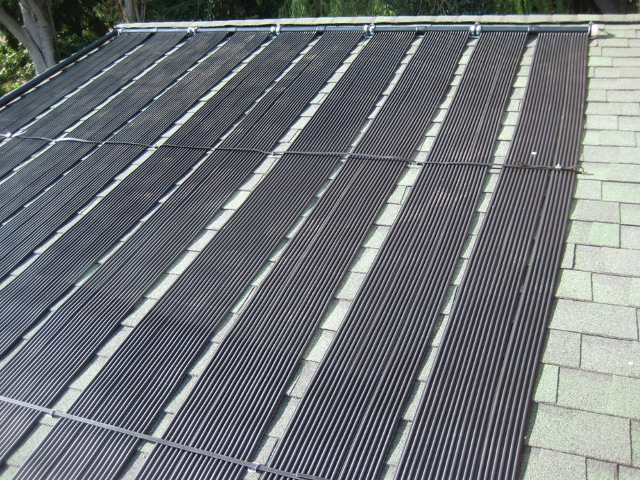
- South-facing roofs: Excellent for sunlight, but harder to access.
- Patios or decks: Easy to reach and coil hose.
- Flat ground in the yard: Simple to set up, but keep away from kids, pets, or lawnmowers.
Avoid shaded areas or spots that get blocked by trees or buildings.
Decide On Hose Layout
You can lay the hose out in different patterns:
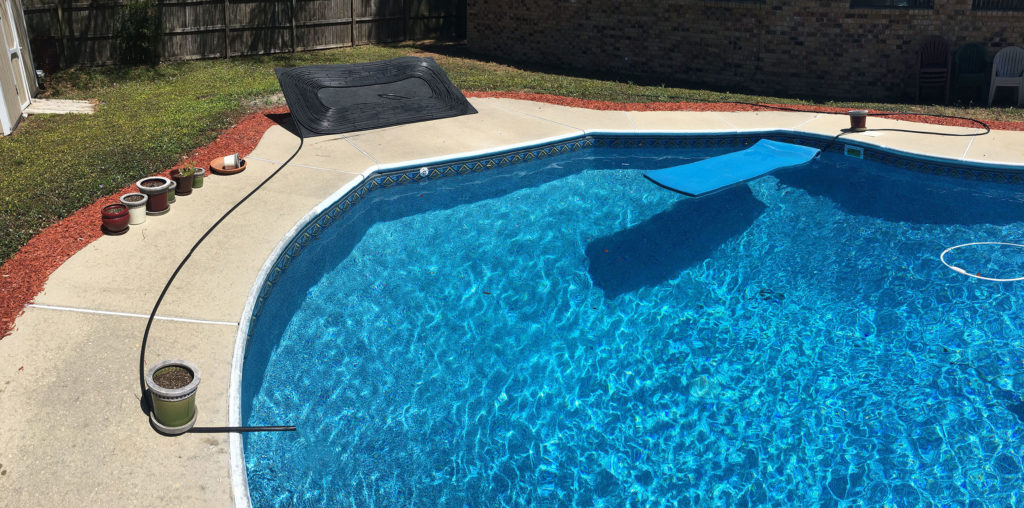
- Coiled spiral: Compact and efficient. Keeps all hose in one area.
- Serpentine (back-and-forth lines): Covers a larger area. Good if space is limited.
- Multiple coils: Use several smaller coils in parallel for faster heating.
A coiled spiral is the most popular because it maximizes sun exposure.
Where Will Water Enter And Exit?
You’ll need to connect the black hose between your pool pump’s output and the pool return. Water leaves the pump, goes through the hose, gets heated, and returns to the pool.
If you’re using an above-ground pool, you might connect the hose directly to the pump or use a “T” fitting to split the flow. For in-ground pools, you may need extra adapters.
Step-by-step: How To Install A Black Hose Pool Heater
Ready to get started? Here are the steps for a typical installation.
1. Gather All Materials
Lay out your hose, connectors, ball valve, and tools. Check for leaks, cracks, or damage in the hose.
2. Cut And Prepare The Hose
Measure the length you need. Cut the hose with a utility knife. If you’re using more than one hose, cut all pieces now.
Attach connectors to both ends. Use Teflon tape on threaded connections to prevent leaks.
3. Coil The Hose
Coil the hose tightly in a spiral or arrange it in your chosen pattern. Secure it with zip ties, garden stakes, or clamps. Make sure the hose is lying flat and gets full sunlight.
If using multiple hoses, lay them side by side and keep the coils separate.
4. Connect The Hose To Your Pool System
Turn off your pool pump. Attach one end of the hose to the output side of the pump. The other end goes to the return inlet that sends water back to the pool.
If your setup doesn’t match your hose size, use adapters. A ball valve lets you adjust how much water flows into the hose—this helps balance heating and pump pressure.
5. Check For Leaks
Turn on the pump briefly and check all connections. Tighten or adjust as needed. Watch for drips or sprays.
6. Test Water Flow And Adjust
With the pump running, make sure water moves smoothly through the hose. Adjust the ball valve to control flow. Slower flow means hotter water, but too slow may reduce pool circulation.
7. Monitor Pool Temperature
After a few hours, check your pool temperature. It may take a day or two to notice a big change, especially in larger pools. If you want more heat, add another hose or increase the hose length.
Maximizing Heat Gain: Pro Tips
Getting the most from your black hose setup is all about details. Here are some advanced tips most beginners overlook:
Use A Clear Cover
Place a clear plastic sheet or old window over the hose coil. This creates a greenhouse effect, trapping even more heat. Be careful to leave space for airflow—closed covers can overheat the hose.
Insulate The Hose Underside
If your hose sits on cold ground, you’ll lose heat. Place the hose on foam panels, old carpet, or even cardboard to keep heat from escaping downwards.
Angle Toward The Sun
Tilt the coiled hose toward the sun, especially in early spring or late fall. Even a small angle (15–30 degrees) can increase sunlight exposure.
Increase Surface Area
Spread the coils wider or use several shorter hoses instead of one long one. More hose surface means more heat absorption.
Keep The Hose Clean
Dirt, leaves, or algae can block sunlight. Clean the hose regularly for maximum efficiency.
Use A Timer
If you don’t swim every day, use a timer to run the pump only during sunny hours. This saves energy and maximizes heating.
How Much Will It Heat My Pool?
The exact temperature gain depends on several factors:
- Sunlight hours per day
- Hose length and diameter
- Flow rate
- Air temperature and wind
In strong summer sun, a 300-foot hose can raise pool water by 4–7°F (2–4°C) per day. With two or three hoses, you can get even more.
Here’s a practical example:
A 12,000-gallon pool in a sunny area, using two 200-foot hoses, raised water from 68°F to 78°F in five days during midsummer. That’s a 10°F gain with only $60 in materials and no electricity cost.
Comparing Black Hose Heaters Vs. Other Pool Heating Methods
You might wonder how the black hose method compares to other popular options. Here’s a side-by-side look:
| Heating Method | Cost to Install | Energy Cost | Temperature Gain | Maintenance |
|---|---|---|---|---|
| Black Hose | $50–$150 | Very low | 4–10°F/day | Very low |
| Gas Heater | $1,500–$3,000 | High | Quick (10–20°F/day) | Medium |
| Electric Heat Pump | $2,000–$4,000 | Medium–high | Moderate (5–10°F/day) | Low |
| Solar Panels | $2,000–$5,000 | Low | 5–15°F/day | Low |
The black hose method is the most affordable, but it works best in sunny weather. Gas or electric heaters are faster but cost much more over time.
Common Mistakes And How To Avoid Them
Many first-timers make simple mistakes that reduce heating power. Watch out for these pitfalls:
- Using too short a hose: Less than 100 feet won’t make much difference, even for small pools.
- Placing hose in shade: Trees, fences, or buildings can block sunlight for hours.
- Kinking or flattening the hose: This reduces water flow and heat gain.
- Poor connections: Leaks waste water and can damage your pump.
- Not monitoring pool chemicals: Warmer water can speed up chlorine use and algae growth. Test your water more often.
- Ignoring pump pressure: Too many hoses or too much restriction can strain your pump. Watch the pressure gauge.
Credit: www.halfasscraftsman.com
Seasonal Tips And Adjustments
Your black hose heater works best in spring, summer, and early fall. Cold winter days won’t give enough sun for good heating.
- In early spring, start heating your pool early—even before you plan to swim. It takes time for the whole pool to warm up.
- In the hottest months, you may need to reduce hose length or cover coils during heat waves to avoid overheating the pool.
- At the end of swimming season, disconnect hoses, drain them, and store inside to prevent damage from freezing.
Safety And Maintenance
A black hose heater is safe if you follow a few basic guidelines:
- Check hoses regularly for cracks, leaks, or wear.
- Secure all hoses and connectors to prevent tripping or pulling.
- Keep pets and children away from hot coils. On very sunny days, the hose surface can get hot to the touch.
- Flush hoses with clean water every few weeks to prevent algae or debris buildup.
- Monitor pool water quality—warmer water can mean faster bacteria growth.

Credit: www.youtube.com
Customizing And Scaling Up
Some pool owners want even more heat or have larger pools. Here are advanced ideas:
Use Multiple Hoses In Parallel
Split your pump’s output between two or more hoses. Each hose can be coiled in a separate sunny spot. This increases heating without reducing flow.
Add A Solar-powered Pump
For pools without a strong pump, use a small solar-powered pump to move water through the hose during the day.
Build A Solar Collector Frame
Mount your hose coil on a wooden or metal frame, tilted toward the sun. This increases exposure and keeps the hose organized.
Paint The Surface Under The Hose Black
If your hose sits on a deck or board, paint it black to absorb more heat. Every extra bit helps.
Troubleshooting: Problems And Solutions
Even simple systems can have issues. Here’s how to solve the most common problems:
Water Flow Is Too Slow
- Check for kinks or blockages in the hose.
- Make sure the pump is strong enough for the hose length.
- Try a wider diameter hose.
Water Flow Is Too Fast
- Install a ball valve to slow flow through the hose.
- Divide flow with a “T” fitting so some water goes directly to the pool.
Not Enough Heat
- Increase hose length or add a second hose.
- Move the hose to a sunnier spot.
- Add a clear cover over the coil.
- Clean the hose surface.
Leaks At Connectors
- Tighten connections and use new rubber washers.
- Add Teflon tape to threads.
- Check for cracks in the connectors.
Pool Chemistry Issues
- Test chlorine and pH more often—warm water needs more care.
- Run the pump longer to improve circulation.
Credit: rimstar.org
Real-world Examples And Success Stories
Hundreds of pool owners have shared their results online. Here are a few examples:
- Mike from Arizona: “I used three 100-foot black hoses coiled on my patio. My 14,000-gallon pool warmed from 70°F to 81°F in a week. It cost me less than $100, and the kids could swim in April!”
- Sarah in the UK: “Our above-ground pool never got above 68°F. After adding a 200-foot black hose on the garage roof, we reached 75°F even in cloudy weather.”
- Jorge in Texas: “We tried a solar panel kit, but the black hose worked just as well for much less money. Two hoses, each 250 feet long, keep our pool at 85°F all summer.”
These examples show that a simple black hose solution can work in different climates and pool sizes.
Environmental Benefits
Choosing a black hose pool heater means you’re using solar energy instead of gas or electricity. This reduces your carbon footprint and saves money.
- No emissions from burning gas or coal.
- No need for special electrical permits.
- Completely renewable—sunlight is free and clean.
For more on solar energy basics, you can check this Solar Energy overview.
Frequently Asked Questions
How Long Does It Take To Heat A Pool With A Black Hose?
It depends on the pool size, hose length, and sunlight. Most pools see a 4–7°F (2–4°C) increase per day with a 200–300 foot hose in full sun. Very large pools or cloudy days will take longer.
Can I Use More Than One Black Hose?
Yes. Using multiple hoses in parallel increases heating speed and efficiency. Make sure your pump can handle the extra flow, and split the output evenly between hoses.
Will The Black Hose Make My Pool Too Hot?
In hot climates or midsummer, you might raise the temperature more than you want. You can shorten the hose, cover the coils during heat waves, or run the system only part of the day.
Is It Safe For Kids And Pets?
The heated water is safe, but the surface of the black hose can get hot in direct sun. Keep coils out of reach of children and pets, and check for hot spots before touching.
Do I Need A Special Pump For This Setup?
Most standard pool pumps are strong enough for 200–300 feet of hose. If you add several hoses or have a very long run, check your pump’s flow rate and pressure. If needed, use a booster or solar pump for extra help.
Heating your pool with a black hose is a smart, budget-friendly project that almost anyone can do. With the right setup, a little sunlight, and these practical tips, you can enjoy warmer swims all season long—without high energy bills or complicated systems.