
Raising the oven temperature might sound simple, but it is a topic full of details that most home cooks and even experienced bakers overlook. Whether you want to bake bread with a crisp crust, roast a juicy chicken, or speed up your cooking, knowing how to increase oven temperature safely and effectively can change your kitchen results.
Let’s explore everything you need to know about adjusting and managing oven temperature, from basic steps to advanced tips, covering mistakes to avoid and troubleshooting along the way.
Why Oven Temperature Matters
The oven temperature is the heart of most recipes. Baking a cake, roasting vegetables, or broiling fish—each requires a specific heat. Too low, and food dries out or never browns. Too high, and you risk burnt edges and raw centers. What many people miss is that the oven’s real temperature often differs from what you set.
A study by the U. S. Department of Agriculture found that many home ovens can be off by 25–50°F (about 15–30°C). That gap can make or break your dish. So, increasing oven temperature is not just about turning a dial—it’s about understanding your oven, your recipe, and how heat works.
How Ovens Heat Up
Before you adjust anything, it helps to know how your oven creates heat. Most home ovens use either electric coils or gas flames. Some have convection fans to spread heat more evenly. These systems all have their own quirks.
- Electric ovens heat up slower but hold temperature better.
- Gas ovens heat up quickly but may have hot spots.
- Convection ovens cook faster due to the fan but may require lower temperature settings.
No matter the type, all ovens cycle their heating elements on and off to maintain the set temperature. This can create temperature swings, especially if the door is opened often.
When And Why To Increase Oven Temperature
There are many reasons to raise the oven’s heat:
- You want a crispier crust or faster browning.
- The recipe requires a higher temperature at the end (like finishing bread or pizza).
- You’re cooking multiple dishes and want to save time.
- Your oven is running cooler than the setting.
But it is not always about turning the knob. There are safer and smarter ways to adjust for best results.
Basic Steps To Increase Oven Temperature
Let’s start with the fundamentals. If your recipe or situation calls for a higher oven temperature, follow these steps:
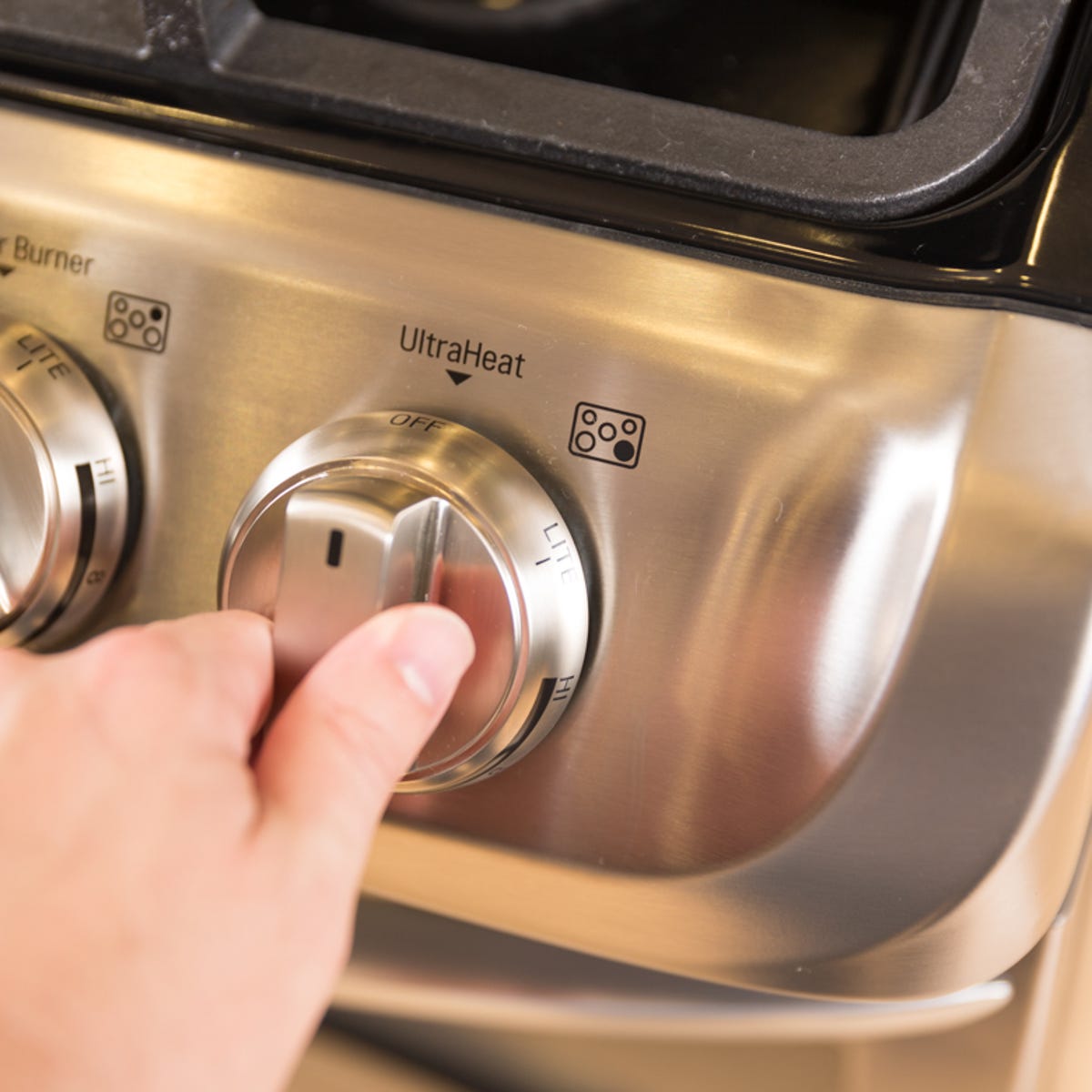
1. Check The Current Setting
Look at your oven’s control—dial, touchpad, or app. Note the current temperature.
2. Increase Gradually
Raise the temperature in small increments (25°F or 10°C at a time). This prevents overcooking and gives the oven time to adjust.
3. Wait For Preheating
Always allow the oven to reach the new temperature before putting in or continuing to cook your food. Most ovens beep or show a light when ready.
4. Monitor The Food
Higher temperatures cook faster. Check your food earlier than the original recipe suggests to avoid burning.
5. Adjust Timing If Needed
If the temperature is increased, reduce the cooking time. A general rule: for every 25°F (10°C) increase, reduce cooking time by 10–15%.
Using An Oven Thermometer For Accuracy
Most ovens are not perfectly calibrated. The number you set might not be the actual temperature inside. An oven thermometer is a cheap, essential tool to check the real temperature.
Place the thermometer in the oven center, set your desired temperature, and wait. Compare the thermometer reading to your oven setting. If there’s a difference, adjust the control up or down to reach the true temperature needed.
Example:
If your oven is set to 400°F (200°C), but the thermometer reads only 375°F (190°C), increase your setting by 25°F. Let it heat, then check again.
Calibrating Your Oven For Consistent Results
Long-term, you may want to calibrate your oven. This means adjusting the internal controls so the set temperature matches the real one. Many ovens (especially digital models) let you do this through the settings.
Read your oven’s manual for instructions. Usually, you:
- Test the oven with a thermometer at several settings.
- Note if it’s always high or low.
- Enter the oven’s calibration mode (often by pressing and holding buttons).
- Adjust the temperature offset (e.g., +15°F or -10°C).
- Save and retest.
Calibrating once a year keeps your oven reliable.
Credit: www.cnet.com
Oven Types And Their Temperature Controls
Different ovens have different ways to set and increase temperature. Here’s how they compare:
| Oven Type | Temperature Control | Typical Accuracy | Best For |
|---|---|---|---|
| Electric (Manual) | Rotary Dial | Moderate | Basic baking, roasting |
| Electric (Digital) | Touchpad/Buttons | High | Precise baking, multi-stage cooking |
| Gas | Rotary Dial | Low to Moderate | Roasting, broiling |
| Convection | Dial/Touchpad + Fan | High | Even browning, fast cooking |
| Smart Ovens | App/Touchscreen | Very High | Custom recipes, remote control |
If your oven is older, check for worn dials or faded numbers, as these can cause mistakes when raising temperature.
How Altitude And Humidity Affect Oven Temperature
Many people miss that altitude and humidity can change how your oven works. At higher altitudes, water boils at a lower temperature, and air is thinner. This means food can dry out faster, and baked goods may rise more quickly.
To adjust:
- Increase oven temperature by 15–25°F (10–15°C) at altitudes above 3,000 feet (900 meters).
- Watch for faster evaporation.
- Cover dishes if they are browning too quickly.
High humidity slows browning, so you may need to raise temperature slightly for crisp results.
Safety Tips For Raising Oven Temperature
Turning up the oven means more than just heat—it brings safety concerns. Follow these best practices:
- Never leave the oven unattended when raising temperature, especially above 450°F (230°C).
- Keep flammable items away (like dish towels or paper).
- Use oven mitts—higher heat means more risk of burns.
- Avoid opening the door too often; heat escapes, and the oven works harder to recover.
If you smell burning or see smoke, lower the temperature immediately and check your food.
When Not To Increase Oven Temperature
Not all recipes benefit from more heat. In fact, some dishes will fail if you turn up the temperature:
- Custards and cheesecakes can crack or curdle.
- Slow-cooked meats can dry out.
- Delicate pastries may burn before they rise.
If a recipe is written for a low and slow bake, respect the instructions. Only increase temperature when the technique or recipe allows.
Tricks For Faster Preheating And Temperature Increases
Home cooks often get frustrated waiting for their oven to preheat, especially when raising temperature mid-recipe. Here are some ways to speed up the process:
1. Start With An Empty Oven
Remove extra racks and unused pans. The less metal inside, the faster it heats.
2. Use The Convection Fan
If your oven has one, turn it on. It speeds up heating by circulating hot air.
3. Switch To Broil (briefly)
For a quick jump in temperature, set the oven to broil for 2–3 minutes, then return to bake. This uses the top element at full power.
4. Close The Door Quickly
Each time you open the oven, heat escapes. Open only when needed, and shut it fast.
5. Keep The Oven Clean
Grease or burnt food can absorb heat and slow preheating.
Adjusting Oven Temperature For Different Foods
Some foods need higher heat for texture or flavor. Here’s how to adjust temperature for common dishes:
Bread
Most bread recipes start hot (425–475°F / 220–245°C) for oven spring, then lower the temperature. If your crust is pale, try increasing by 25°F for the first 10 minutes.
Pizza
Pizza loves high heat. Restaurant ovens run at 700°F (370°C) or more, but home ovens can go up to 500°F (260°C). Preheat a pizza stone or steel with the oven for best results.
Roasted Vegetables
If veggies are soggy, raise the oven to 425–450°F (220–230°C). Spread them in a single layer for even browning.
Meats
Roasts may benefit from a blast of high heat at the start (450–475°F / 230–245°C) to brown, then lower to finish cooking gently.
Casseroles And Bakes
If the top isn’t browning, increase oven temperature for the final 10–15 minutes.

Credit: www.researchgate.net
How To Test If Your Oven Temperature Is Accurate
Testing accuracy is simple but revealing. Here’s how:
- Place an oven thermometer in the center rack.
- Set the oven to 350°F (175°C).
- Wait 20 minutes after the oven says it’s preheated.
- Check the thermometer reading.
Repeat at 400°F and 450°F. If you see a pattern (always 10°F low or high), adjust your settings accordingly. Some ovens may swing up and down by 20°F during cycles—this is normal, but the average should match your setting.
What To Do If Your Oven Can’t Get Hot Enough
Sometimes, you set the dial higher, but the oven doesn’t reach the temperature you want. Causes include:
- Old or weak heating elements
- Broken thermostat
- Gas supply issues (for gas ovens)
- Door not sealing well
You may notice food taking longer or not browning. If so:
- Test with a thermometer.
- Check the gasket (the rubber seal around the door) for cracks or gaps.
- For electric ovens, look at the coils—if they’re not glowing red, they may need replacement.
- For gas ovens, listen for the flame and check for a steady blue color.
If the problem continues, call a technician.
Oven Temperature Conversion Chart
Oven temperatures are given in Fahrenheit, Celsius, or sometimes as “gas marks.” Here’s a quick reference:
| Fahrenheit (°F) | Celsius (°C) | Gas Mark | Oven Setting |
|---|---|---|---|
| 225 | 110 | 1/4 | Very low |
| 250 | 120 | 1/2 | Very low |
| 275 | 135 | 1 | Low |
| 300 | 150 | 2 | Moderate |
| 325 | 165 | 3 | Moderate |
| 350 | 175 | 4 | Moderate |
| 375 | 190 | 5 | Moderate hot |
| 400 | 200 | 6 | Hot |
| 425 | 220 | 7 | Hot |
| 450 | 230 | 8 | Very hot |
| 475 | 245 | 9 | Very hot |
| 500 | 260 | 10 | Extremely hot |
This chart helps if you have a recipe from another country or an old cookbook.
Common Mistakes When Increasing Oven Temperature
Even experienced cooks make mistakes. Here are the most common ones:
- Raising temperature too fast—Food burns on the outside, raw inside.
- Not adjusting cooking time—If you use higher heat, check food earlier.
- Ignoring oven hot spots—Parts of the oven may be hotter. Rotate pans halfway through cooking.
- Forgetting to preheat—Putting food in before temperature is reached gives uneven results.
- Trusting the dial too much—Always verify with a thermometer.
A non-obvious insight: Many ovens run hotter or cooler on different racks. The top is usually hotter because heat rises. If you need a crisp top, move the rack up when increasing heat.

Credit: www.youtube.com
Using Oven Features To Boost Temperature
Modern ovens offer more than just a bake or broil setting. Learn to use these features:
- Convection: Cooks 20–30% faster at the same temperature. Reduce temp by 25°F (15°C).
- Broil: Top heat for rapid browning or finishing.
- Preheat Boost: Some new ovens have a “fast preheat” setting.
- Steam Injection: High-end ovens use steam for bread—this can be simulated by adding water to a hot pan on the oven floor.
Using the right feature can make a big difference when you need more heat.
How To Maintain And Improve Oven Performance
A well-maintained oven heats up faster and holds temperature better. Here’s what to do:
- Clean regularly—Grease and crumbs trap heat and cause smoke.
- Check door seals—Replace if they’re cracked or loose.
- Replace worn parts—Heating elements and thermostats wear out over time.
- Level the oven—If your oven is tilted, heat and food will move unevenly.
- Check for software updates—For smart ovens, updates can fix bugs or improve temperature control.
A surprising tip: If your oven is slow to heat, check your home’s voltage (for electric ovens). Low voltage means weak heating.
Troubleshooting: What If Food Still Isn’t Cooking Right?
If you’ve increased the temperature, but food still isn’t right, consider:
- Oven rack position: Higher for browning, lower for slow cooking.
- Pan material: Dark pans absorb more heat, shiny pans reflect it.
- Crowded oven: Too many pans block airflow.
- Recipe errors: Some online recipes are not tested for all ovens.
Try one change at a time. Track results in a notebook. Over time, you’ll learn exactly what works in your kitchen.
How To Increase Oven Temperature Without Ruining Food
The key is balance. When you raise the temperature, watch for signs of overcooking—dark edges, bubbling sauce, or shrinking meat. Use these techniques:
- Cover dishes with foil if tops brown too fast.
- Lower the rack to keep tops from burning.
- Reduce the time—set a timer for 5–10 minutes less than the recipe says.
If you’re experimenting, start with small changes. A 10–15% increase is usually safe.
Real-life Example: Fixing A Soggy Crust
Imagine baking a pie, and the bottom stays pale and soggy, even after the top is browned. The solution:
- Preheat a baking sheet or pizza stone in the oven at a high temperature (450°F/230°C).
- Place the pie on the hot surface to finish the last 15 minutes.
- If the top browns too fast, cover with foil.
This method lets you boost bottom heat without burning the rest.
How To Tell If Your Oven Needs Professional Service
If you’ve tried all adjustments and your oven can’t reach or hold higher temperatures, it may need a repair. Signs include:
- Ovens that take much longer than normal to preheat
- Foods consistently undercooked or overcooked, no matter the setting
- Visible damage to heating elements or gas flame problems
- Error codes or warning lights on digital ovens
Contact a licensed technician or check your manufacturer’s website for support.
Myths About Increasing Oven Temperature
There are a few myths worth clearing up:
- Myth: Turning up the oven always cooks food faster.
Fact: Some foods, especially thick cuts of meat, need time for heat to reach the center. Too much heat can burn the outside while leaving the inside raw.
- Myth: All ovens are the same.
Fact: Even two ovens from the same brand can have different temperature behaviors.
- Myth: You can trust the preheat beep.
Fact: Many ovens beep when the air is hot, but not the walls or racks. Wait an extra 10 minutes for full heat.
Final Tips For Mastering Oven Temperature
- Always use a thermometer to check accuracy.
- Make small adjustments, not big jumps.
- Keep notes on what works in your oven.
- Use oven features (convection, broil, preheat boost) wisely.
- Maintain your oven for top performance.
If you want more details on oven technology and calibration, check out the Wikipedia Oven page.
Raising oven temperature is more than just a number—it’s an art and a science. When you understand your oven, adjust with care, and watch your results, you’ll unlock a new level of kitchen skill.
Frequently Asked Questions
Why Does My Oven Take So Long To Reach Higher Temperatures?
Older ovens, dirty heating elements, or a worn door seal can slow down preheating. Make sure your oven is clean, remove unused pans, and check for damaged parts. Some ovens are just slower by design, especially large or older models.
How Can I Tell If My Oven Is Actually At The Temperature I Set?
Use an oven thermometer placed in the center of the oven. Wait for 10–20 minutes after the preheat signal. Compare the thermometer to your oven setting. If there’s a gap, adjust your dial or digital input until the thermometer reads the correct temperature.
Is It Safe To Increase The Oven Temperature Above The Recipe’s Recommendation?
Sometimes, especially for browning or crisping. But be careful: not all foods handle higher heat well. Delicate baked goods or slow-cooked meats can dry out or burn. Adjust timing and monitor food closely.
What Should I Do If My Oven Can’t Reach The Highest Temperature Setting?
Check for common problems: broken elements, gas issues, or a faulty thermostat. Clean the oven, check the door seal, and try again. If it still won’t heat properly, call a technician. Sometimes, the only fix is a repair or replacement.
Does Using Convection Change How I Should Increase Oven Temperature?
Yes. Convection ovens cook more efficiently. If a recipe is for a regular oven, reduce the temperature by about 25°F (15°C) when using convection. Food may also cook faster, so check it early.
Unlocking the power of your oven is about more than heat—it’s about control, safety, and understanding your kitchen tools. With these steps and tips, you can master how to increase oven temperature for better, tastier results.