
Lighting wood pellets for a pizza oven can seem tricky at first, but once you learn the right steps, it becomes almost automatic. The smell of wood smoke, the crackling sound of the fire, and the taste of pizza cooked at high heat—these are some of the joys that make using a pellet-fired pizza oven so special.
Whether you are new to outdoor pizza ovens or you want to make sure you’re getting the most out of every cook, understanding how to light pellets efficiently is key for both safety and results.
Many people struggle with pellets that won’t catch fire, flames that die out too soon, or ovens that don’t reach the right temperature. These problems often come from small mistakes in lighting technique, using the wrong materials, or not understanding how air flow affects combustion.
If you want to master your pizza oven, it’s important to know the science and practice behind lighting pellets the right way.
This guide will walk you through every step, from choosing the right pellets to troubleshooting common issues. You’ll also find practical tips, useful comparisons, and answers to frequent questions. By the end, you’ll feel confident lighting pellets for your pizza oven every time.
Understanding Pellets And Pizza Ovens
Before lighting your pizza oven, it helps to know what makes wood pellets special and how pizza ovens use them.
Pellets are small, compressed cylinders made from sawdust and wood shavings. They are highly efficient because they burn hot and clean, producing less ash than regular wood. Their uniform size and low moisture content make them ideal for consistent heat. For pizza ovens, this means you can reach and maintain the high temperatures needed for crispy, Neapolitan-style pizza—usually between 400°C to 500°C (750°F to 930°F).
Most pellet pizza ovens have a burn tray or fire box where you add pellets. They use natural convection and ventilation, drawing in air to keep the fire burning. Some ovens have a chimney for better airflow, while others have adjustable vents.
Types Of Pizza Ovens That Use Pellets
- Portable ovens: Lightweight, often made of stainless steel, easy to move. Great for backyards or camping.
- Built-in ovens: Fixed installations, larger capacity, often found in outdoor kitchens.
- Hybrid ovens: Can use pellets, wood, or gas, giving more flexibility.
Each type may require slight adjustments in how you light and maintain the fire.
Choosing The Right Pellets
Selecting the right wood pellets is one of the most important steps. Not all pellets are created equal.
Key Factors When Choosing Pellets
- Food-grade pellets: Always use pellets made for cooking. Heating pellets (for stoves) often contain chemicals or binders not safe for food.
- Hardwood vs softwood: Hardwood pellets (like oak, hickory, apple) burn hotter and longer, giving a better flavor. Softwood burns faster and may not add much taste.
- Moisture content: Lower is better. Good pellets have less than 8% moisture.
- Size and shape: Should be uniform for consistent burning.
Popular Pellet Flavors
- Oak: Neutral, strong heat, versatile.
- Apple: Mild, slightly sweet smoke, great for pizza.
- Cherry: Adds color and a mild sweetness.
- Hickory: Strong, smoky flavor, classic for BBQ.
Using the right pellets not only helps with lighting but also impacts the final flavor of your pizza.

Credit: www.love-logs.com
Tools And Materials You Need
Lighting pellets for a pizza oven is much easier if you have the right tools on hand.
- Pellets: Food-grade, dry, hardwood preferred.
- Fire starter: Natural firelighters, wood wool, or food-safe fire starter cubes.
- Long matches or a long-reach lighter: Keeps your hands safe from flames.
- Tongs or a small scoop: For adding pellets to the tray.
- Heat-resistant gloves: Protection from burns.
- Small kindling (optional): For stubborn fires.
- Metal brush: For cleaning the burn tray.
Avoid using lighter fluid, petrol, or anything with chemicals—not only is it unsafe, but it will also ruin the pizza’s taste.
Step-by-step Guide To Lighting Pellets
Here’s a proven process to get your pizza oven burning clean and hot every time.
1. Prepare The Oven
- Remove any old ash or debris from the burn tray.
- Make sure all vents and the chimney (if present) are open. Good airflow is essential for fire.
- Place the oven on a stable, heat-resistant surface outdoors.
2. Load The Pellets
- Add enough pellets to cover the bottom of the burn tray, about 1 to 1.5 cups for most portable ovens.
- Don’t overfill—too many pellets can block airflow and smother the fire.
- Create a small mound in the center for easier lighting.
3. Add The Fire Starter
- Place a natural firelighter or wood wool on top of the pellet mound.
- Make sure the fire starter is touching several pellets to help the flames spread.
4. Light The Fire Starter
- Use a long match or lighter to ignite the fire starter.
- Let the flames grow and catch the pellets around it.
- Wait for 2-3 minutes, watching to make sure the pellets begin to burn.
5. Allow Flames To Build
- Close the oven door if your model requires it, but keep vents open.
- Do not add more pellets too soon—let the first batch fully catch fire.
- After 5-10 minutes, you should see strong flames and some glowing embers.
6. Gradually Add More Pellets
- Once the fire is established, add more pellets slowly using tongs or a scoop.
- Each time, add a small amount, letting flames recover before adding more.
- This helps prevent smothering the fire and keeps heat building steadily.
7. Monitor And Adjust Air Flow
- Use vents and chimney to control how much air enters the oven.
- More air means a hotter, faster-burning fire. Less air means slower burn.
- Watch for thick smoke (a sign of poor combustion)—open vents if needed.
8. Reach Cooking Temperature
- Most pizza ovens reach 400°C (750°F) in 15-20 minutes.
- Use a thermometer to check the stone and air temperature inside the oven.
- Wait until the oven is fully preheated before adding pizza.
9. Maintain The Fire
- Add small amounts of pellets regularly to keep temperature steady.
- Don’t let the fire die down—keep an eye on the flames, especially during long cooking sessions.
- Use gloves when handling the burn tray or adding pellets.
Pro Tip: Many beginners add too many pellets at once, causing the fire to smother and produce smoke instead of heat. Always feed the fire slowly.
Common Mistakes And How To Avoid Them
Lighting a pellet pizza oven is simple, but small errors can make a big difference.
Adding Too Many Pellets
It’s tempting to add a large batch at the start, but this reduces airflow and makes it hard for the fire to spread. Always start with a small amount, then add more as needed.
Using Damp Pellets
Moist pellets won’t catch fire easily and produce excess smoke. Store your pellets in a dry, sealed container and avoid leaving them outside.
Blocking Air Vents
If vents or the chimney are blocked, the fire won’t get enough oxygen. Always check that all airways are clear before lighting.
Igniting From The Wrong Place
Lighting pellets from below or from the side may not spread the flame well. Always place your fire starter on top of the pellet mound for best results.
Not Waiting For Full Ignition
If you add more pellets before the first batch is fully burning, you’ll create lots of smoke and little heat. Patience is key during the first 10 minutes.
Using Unsafe Fire Starters
Never use lighter fluid, gasoline, or chemicals. These create dangerous fumes and can ruin the taste of your food.
Comparing Pellet Types For Pizza Ovens
Choosing the right pellet can make a big difference in both lighting and flavor. Here is a quick comparison of popular pellet woods:
| Wood Type | Burn Temperature | Flavor Profile | Best For |
|---|---|---|---|
| Oak | High | Neutral, mild smoke | All types of pizza |
| Apple | Medium | Sweet, fruity | Vegetarian, Margherita |
| Cherry | Medium | Mild, sweet, colorful | Pepperoni, BBQ pizza |
| Hickory | High | Strong, smoky | Meat toppings, BBQ |
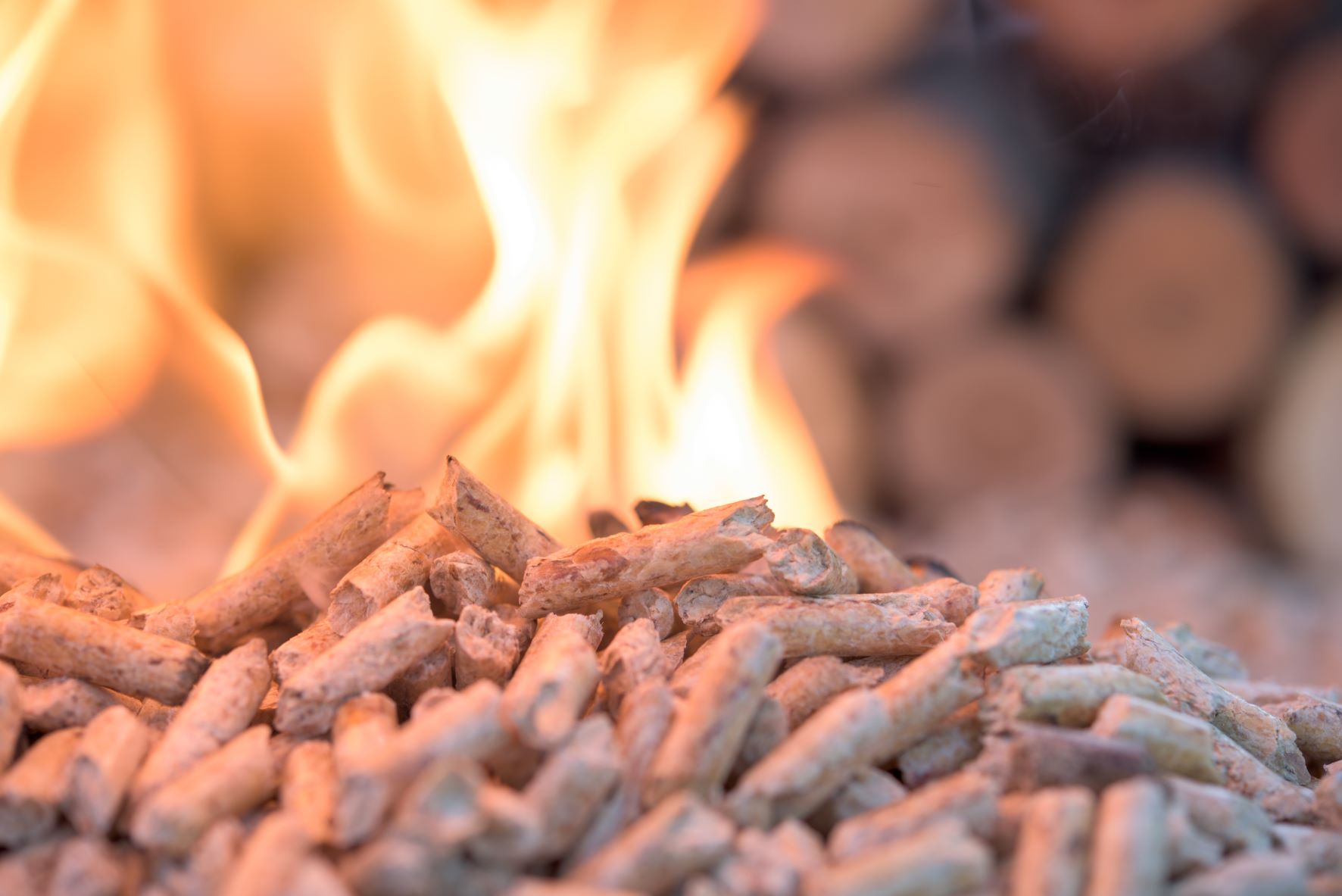
Credit: balcasenergy.com
How Pellet Pizza Ovens Compare To Other Fuel Types
Many people wonder whether pellets are better than wood chunks or gas for pizza ovens. Here’s a simple comparison:
| Fuel Type | Heat Control | Flavor | Startup Time | Cleanup |
|---|---|---|---|---|
| Pellets | Good, steady | Wood-smoked | 10-20 min | Low ash |
| Wood logs | Variable | Strong wood flavor | 20-40 min | More ash |
| Gas | Excellent | No wood flavor | 5 min | Very clean |
Pellets offer a good balance between flavor, heat, and convenience.
Troubleshooting Lighting Problems
Even when following the steps, sometimes things don’t go as planned. Here’s how to fix common lighting issues:
Pellets Won’t Catch Fire
- Check if pellets are dry.
- Try adding a second fire starter.
- Make sure the vents are open.
- Clean out old ash that might block airflow.
Fire Starts But Dies Quickly
- Airflow may be blocked—open vents wider.
- Don’t add more pellets too soon.
- Check for dampness in pellets.
Too Much Smoke, Not Enough Heat
- Fire may be starved for air—open chimney or vents.
- Use fewer pellets until a hot core develops.
- Avoid using paper as a fire starter; it can smother the fire.
Flames Are Too Small
- Use a small piece of kindling to help the fire grow.
- Add more pellets gradually as flames build up.
- Consider changing to a higher-quality pellet.
Oven Takes Too Long To Heat
- Preheat with the oven door closed but vents open.
- Start with a larger fire starter or more kindling.
- Use a thermometer to check actual oven temperature.
Advanced Tips For Consistent Lighting
After you master the basics, try these advanced strategies to improve your results:
Use A Pellet Chimney Starter
Some pizza oven owners use a small pellet chimney starter (like a mini charcoal chimney). You fill it with pellets, light from the bottom, and after 10 minutes, pour the hot, burning pellets into the oven tray. This gives a hot base right from the start.
Preheat The Pellets
If you’re cooking in cold weather, pellets can be hard to light. Leave them in the sun for 30 minutes before use or bring them indoors overnight.
Layer Fire Starters
For extra reliability, especially in windy conditions, use two smaller firelighters layered between pellets. This ensures a longer burn and better ignition.
Monitor With A Laser Thermometer
A laser thermometer lets you check the pizza stone and interior temperature accurately. You’ll know exactly when the oven is ready, avoiding undercooked pizza.
Rotate The Pizza Frequently
Pellet ovens can have hot spots. Use a pizza peel to rotate your pizza every 20–30 seconds for even cooking.
Cleaning And Maintenance After Lighting
Keeping your pizza oven clean is important for both safety and performance.
- Remove ash after every cooking session, once the oven is cool.
- Use a metal brush to scrape the burn tray and stone.
- Check vents and chimney for blockages.
- Store your oven and pellets in a dry place to prevent moisture buildup.
- Once a month, do a deep clean of all removable parts.
Regular cleaning makes lighting easier and extends the life of your oven.

Credit: www.love-logs.com
Safety Tips When Lighting Pellets
Working with fire always requires caution. Here are some safety reminders:
- Always light pellets outdoors, away from flammable materials.
- Use heat-resistant gloves when handling hot trays or adding pellets.
- Keep children and pets away from the oven while in use.
- Have a fire extinguisher nearby for emergencies.
- Let the oven cool fully before cleaning or moving it.
- Never use chemical fire starters or accelerants.
Real-world Example: Lighting Pellets In A Popular Pizza Oven
Let’s look at a step-by-step example using the Ooni Fyra 12, one of the most popular pellet pizza ovens.
- Clean out old ash from the burn tray.
- Pour in 1 cup of dry hardwood pellets, forming a small mound in the tray.
- Place a natural firelighter on top of the mound.
- Light with a long match and let the flames spread for 2-3 minutes.
- Slide the tray into the oven and open all vents.
- Wait until the initial pellets are burning well, then add a second scoop of pellets.
- Preheat for 15 minutes, checking temperature with a laser thermometer.
- Add pellets gradually to maintain strong flames.
- Bake your pizza, rotating every 20 seconds for even cooking.
If you follow these steps, you’ll get a hot, clean-burning fire ready for authentic pizza.
Pellet Lighting Myths Debunked
Many myths exist about lighting pellets for pizza ovens. Let’s clear up a few:
“you Need Lighter Fluid For A Strong Fire.”
False. Lighter fluid is dangerous and unnecessary. Good pellets and a proper fire starter are all you need.
“pellets Don’t Add Flavor.”
Wrong. While they burn cleaner than logs, hardwood pellets still give a pleasant, wood-fired taste.
“pellets Are More Expensive Than Wood.”
Not always. Pellets are efficient, produce less waste, and require less storage space. Over time, the cost difference is minimal.
Environmental Impact Of Using Pellets
Pellets are often seen as an eco-friendly choice. They are made from sawdust and wood scraps, reducing waste. Because they burn efficiently, they produce less smoke and ash. If you use food-grade pellets without chemicals, your impact is even lower.
For more on the sustainability of wood pellets, you can check resources like Wikipedia.
Frequently Asked Questions
How Many Pellets Do I Need For One Pizza Cooking Session?
For a typical 12-inch pizza oven, 2 to 3 cups of pellets are enough for 1 to 1. 5 hours of cooking. This covers preheating, cooking, and maintaining the fire for several pizzas. If you’re cooking back-to-back, keep extra pellets close by to top up as needed.
Can I Use Heating Pellets From The Hardware Store?
No. Only use food-grade pellets for pizza ovens. Heating pellets might contain chemicals, glue, or impurities not safe for cooking. Always check the packaging for “food-safe” certification.
Why Does My Pizza Taste Bitter Or Ashy?
This usually happens if you use too many pellets at once, causing incomplete combustion and excess smoke. Make sure your fire is burning hot and clean, and avoid damp or low-quality pellets. Clean out ash between sessions to prevent buildup.
How Do I Store Pellets To Keep Them Dry?
Store pellets in a sealed, airtight container in a cool, dry place. Humidity is the main enemy—moist pellets are hard to light and burn poorly. Never leave your pellet bag outdoors or open to the elements.
My Oven Won’t Reach High Temperatures. What Should I Do?
Check for three things: dry, high-quality pellets; open vents for good airflow; and a clean burn tray. If the fire still struggles, try using a larger fire starter or preheating the oven longer before cooking.
Lighting pellets for a pizza oven doesn’t have to be complicated. With the right pellets, proper technique, and regular care, you’ll enjoy delicious, wood-fired pizza every time. The process becomes easier and more rewarding as you practice, and soon you’ll be sharing perfect pizza with friends and family, cooked just the way you like it.