
Opening a pressure cooker might seem simple, but if you do it wrong, you can get hurt or ruin your meal. Many people use pressure cookers because they cook food faster and keep more nutrients in your food. But, the high pressure inside can be dangerous if you do not open it the right way. This guide will show you the safe steps to open any type of pressure cooker. You will also learn about different models, safety tips, and what to do if things go wrong. Whether you use a stovetop pressure cooker or an electric pressure cooker, you will finish this article knowing exactly what to do, why it matters, and how to avoid common mistakes.
Why Pressure Cookers Need Special Care
Pressure cookers work by trapping steam inside a sealed pot. As the steam builds up, it increases the pressure and the temperature. This cooks your food much faster than normal pots. But, that high pressure means there is a lot of energy inside.
If you open the cooker too soon or the wrong way, the hot steam can shoot out quickly. This can burn your skin or face, and sometimes, food can even spray out.
Most modern pressure cookers have safety features. Still, you must follow the right steps. Even experienced cooks sometimes make mistakes because they are in a hurry or do not understand their cooker well. Knowing exactly how to release pressure and open the lid safely is important every time you cook.
Types Of Pressure Cookers
Before you learn how to open a pressure cooker, you need to know which kind you have. The steps can be a little different for each type.
Stovetop Pressure Cookers
These are the classic metal pots you use on a stove. They usually have a locking lid and a pressure valve on top. You control the heat directly with your stove. Some have a weight that jiggles (called a “jiggler”), and some have a spring valve.
Electric Pressure Cookers
These are newer and often called multi-cookers or Instant Pots. They plug into the wall and have many settings, like slow cook, rice, and yogurt. They control the pressure automatically. The lid usually has a steam release valve or button.
Pressure Canner
A pressure canner looks like a stovetop model but is bigger. People use these for canning food in jars. They have strong safety locks because the pressure is higher.
Older Models Vs. Modern Cookers
Older pressure cookers may not have as many safety features. If you have an older model, you must be extra careful and follow instructions closely.
How Pressure Builds Up And Releases
When you cook with a pressure cooker, water turns to steam. The lid is locked, so the steam cannot escape. This makes the pressure rise inside. For example, a normal stovetop pressure cooker usually reaches 15 psi (pounds per square inch) above normal air pressure.
This makes the boiling point of water go from 100°C (212°F) to about 121°C (250°F). That is why your food cooks faster.
But when you finish cooking, you must let the pressure go back to normal before opening. If you open while there is still high pressure, the lid can fly off or the hot steam can burn you.
Basic Steps To Open A Pressure Cooker Safely
Opening a pressure cooker is not just about turning the lid. There are important steps:
- Turn Off the Heat: When your cooking time is done, turn off the stove or unplug the cooker.
- Release the Pressure: This is the most important part. There are different ways to do this (see below).
- Check the Pressure Indicator: Most modern cookers have a small pin or button that drops when the pressure is gone.
- Open the Lid Away from You: When you are sure the pressure is released, unlock the lid and tilt it so the steam goes away from your face and hands.
Let’s look at each step more closely, and see how it works for different types of cookers.
Methods To Release Pressure
There are three main ways to let the pressure out of your cooker. The right method depends on your recipe, what you are cooking, and your cooker model.
1. Natural Release
This means you do nothing. Just turn off the heat and let the pressure drop on its own. It can take 10–30 minutes, depending on how much food and liquid are inside.
When to use: Best for soups, beans, meats, or recipes that need gentle cooking.
How to do it:
- Turn off the heat.
- Leave the cooker alone.
- The pressure will slowly drop as the cooker cools.
- The pressure indicator will fall when it is safe to open.
Benefits: Safer, less chance of food splattering. Keeps meat juicy and tender.
2. Quick Release (manual Release)
This means you force the steam out quickly by moving the valve or pressing a button.
When to use: Good for vegetables, pasta, or food that can get mushy if cooked longer.
How to do it:
- Use a long spoon or wear an oven mitt.
- Carefully turn the valve or press the steam release button.
- Hot steam will shoot out—keep your hands and face away.
- Wait until the steam stops and the pressure indicator drops.
Risks: If the pot is very full, food or liquid can spit out. Do not use this method for foods that foam (like beans or grains).
3. Cold Water Release
This is only for stovetop cookers. You put the whole cooker under cold water (not the valve).
When to use: When you want to stop the cooking very fast. Not for electric models.
How to do it:
- Take the cooker to the sink.
- Run cold water over the lid (not the valve).
- The pressure will drop quickly.
- When the indicator drops, it is safe to open.
Caution: Never force the lid or put water on the valve. Do not use this for glass cooktops or electric pressure cookers.
Opening Different Pressure Cooker Models
Now, let’s look at how to open the main types, step by step.
Opening A Stovetop Pressure Cooker
- Turn off the stove and let the cooker sit. Choose natural, quick, or cold water release as your recipe allows.
- Wait for the pressure indicator (if there is one) to drop. If not, wait until steam stops escaping.
- Unlock the lid by turning it (usually counterclockwise). Do not force it.
- Lift the lid away from you so steam escapes in the other direction.
Opening An Electric Pressure Cooker (like Instant Pot)
- Unplug the cooker or press ‘Cancel’.
- Choose the release method (natural or quick) as shown in your recipe.
- For quick release, move the steam valve to ‘Venting’ using a long spoon or a towel.
- Wait for the float valve (pressure indicator) to drop.
- Turn the lid to unlock, and open away from your face.
Opening A Pressure Canner
- Let the pressure drop to zero (natural release only).
- Remove the weight or open the petcock (depending on your model).
- Wait a few minutes for extra steam to escape.
- Unlock and lift the lid carefully.
What If The Lid Won’t Open?
If your lid is stuck, do not force it. Sometimes, a little pressure remains. Wait a few more minutes or gently move the valve to release any leftover steam. For older models, check the manufacturer’s instructions.
Common Mistakes And How To Avoid Them
Pressure cookers are safe if you use them correctly. But mistakes can happen. Here are some common ones:
- Forcing the Lid: Never try to open the lid if you feel resistance. The pressure is not fully released.
- Using Quick Release with Foamy Foods: Beans, grains, and pasta can foam and block the valve. Use natural release for these foods.
- Standing Over the Steam Valve: Always keep your face and hands away from the steam vent. The steam is hotter than boiling water.
- Not Checking the Pressure Indicator: Wait until the pin drops or the pressure gauge reads zero.
- Using Cold Water Release on Electric Cookers: Only use this method for stovetop models.
Non-obvious insight: Sometimes, food particles can clog the pressure valve or indicator. Clean these parts after every use to make sure they work properly.
Safety Features On Modern Pressure Cookers
Most new pressure cookers have special safety systems. They help you avoid accidents, but you still need to use them correctly.
- Lid Lock: Prevents you from opening the cooker while pressure is high.
- Pressure Indicator: Shows if there is pressure inside.
- Steam Release Valve: Lets you control how fast the pressure drops.
- Backup Safety Valves: If the main valve clogs, an extra valve will release the pressure.
- Gasket Release System: If all else fails, the gasket may let steam escape at the edge.
Older cookers may not have all these. If your cooker is more than 10 years old, check the manual or think about upgrading for safety.

Credit: www.wikihow.com
Table: Comparison Of Pressure Release Methods
Here is a clear look at the three main release methods and when to use each.
| Release Method | Time Needed | Best For | Risks | Cooker Types |
|---|---|---|---|---|
| Natural Release | 10–30 min | Meat, beans, stews | Food keeps cooking | All types |
| Quick Release | 1–2 min | Veggies, pasta | Hot steam, splatter | All types |
| Cold Water Release | 1–2 min | Delicate foods, fast stop | Not for electric models | Stovetop only |
Step-by-step: Opening A Pressure Cooker
Let’s break down the process with clear steps you can use every time.
Before Cooking
- Check the gasket (rubber seal) for cracks or wear.
- Make sure the lid and valve are clean and not blocked.
- Never fill the pot more than 2/3 full (or 1/2 for foods that foam).
During Cooking
- Monitor the pressure indicator.
- Do not leave the cooker unattended for long.
After Cooking
- Turn off the heat or unplug the cooker.
- Choose the right release method for your food.
- Wait for the indicator to show zero pressure.
- Unlock and open the lid away from you.
Example: Cooking And Opening For Soup
Suppose you make chicken soup in an electric cooker.
- When the timer beeps, press ‘Cancel’.
- Let the pressure release naturally for 15 minutes.
- If the indicator is still up, use quick release to finish.
- Open the lid away from you.
Non-obvious insight: For thicker foods, like chili, pressure can stay inside longer because steam escapes slowly. Be patient.
What To Do If Steam Keeps Escaping
Sometimes, the pressure release valve lets out steam for a long time, even after you use quick release. This can mean:
- The pot is too full.
- Food is blocking the valve.
- The gasket is old or damaged.
Turn off the heat and wait. Clean the valve and gasket before using again.
Table: Electric Vs. Stovetop Pressure Cookers
Let’s see the main differences for opening these two types.
| Feature | Electric Cooker | Stovetop Cooker |
|---|---|---|
| Pressure Control | Automatic | Manual (stove heat) |
| Pressure Indicator | Float valve | Pin or weight |
| Release Methods | Natural, quick | Natural, quick, cold water |
| Safety Features | More | Fewer (older models) |
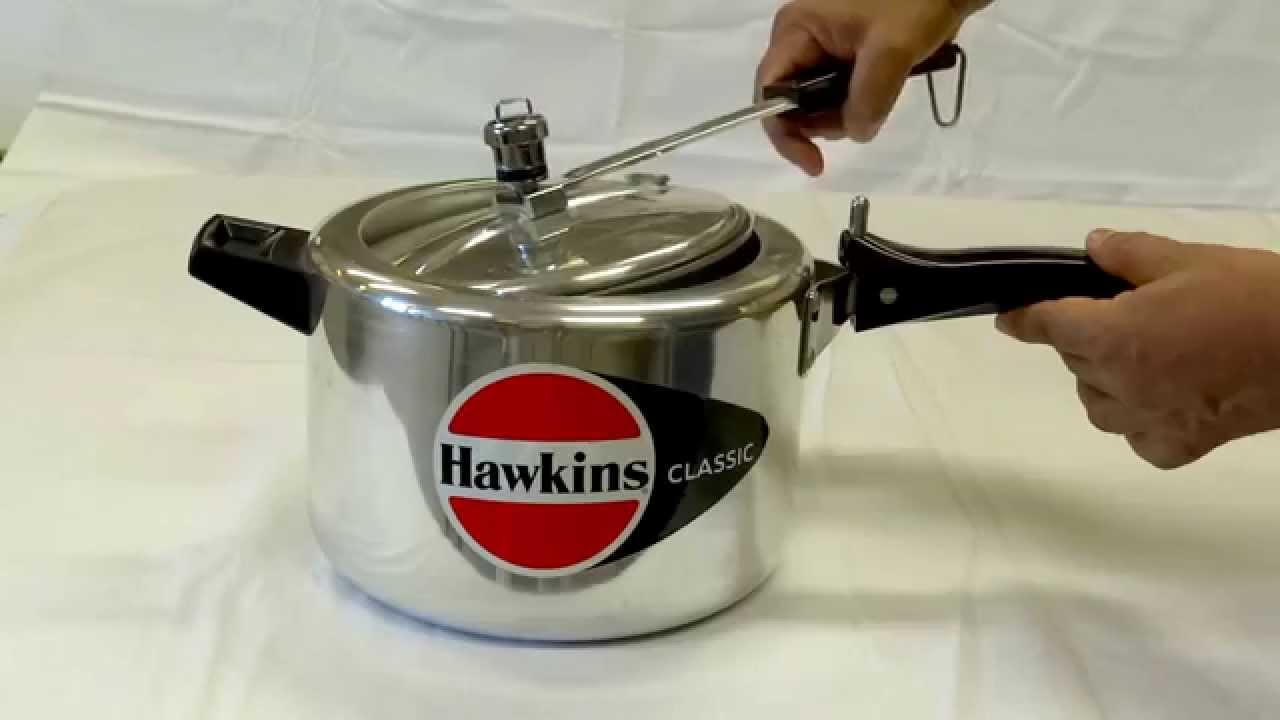
| Common Models | Instant Pot, Ninja Foodi | Presto, Hawkins |
Credit: www.hawkinscookers.com
Cleaning And Maintenance After Opening
Keeping your pressure cooker clean helps it work better and last longer.
- Wash the lid, gasket, and valve after every use.
- Check for food stuck in the steam valve or pressure indicator.
- Wipe the rim of the cooker before closing the lid next time.
- Replace the gasket every 1–2 years, or if you see cracks.
If the lid does not seal well, check for food or wear on the gasket.
Special Tips For Beginners
- Always read your manual: Each cooker has small differences. The manual tells you about your model’s indicators and locks.
- Do not rush the process: Pressure cooking is fast, but opening safely takes patience.
- Start with simple recipes: Try soup or stew before you make beans or grains.
- Keep kids and pets away: The steam can cause burns.
- Use oven mitts or a towel: The lid and valve can get very hot.
Table: Foods And Best Release Methods
Here’s a quick guide for common foods.
| Food | Best Release Method | Reason |
|---|---|---|
| Beans | Natural | Prevents foaming, splatter |
| Rice | Natural or quick | Gentle finish |
| Vegetables | Quick | Stops cooking fast, keeps color |
| Meat Stew | Natural | Keeps meat tender |
| Pasta | Quick | Prevents mushy texture |
| Chicken | Natural or quick | Depends on recipe |
What To Do If There Is A Problem
Sometimes, things do not go as planned. Here are steps to take:
- If the lid is stuck: Wait longer, check the pressure indicator, and gently move the valve.
- If steam is leaking from the sides: The gasket may be worn or not fitted well.
- If food sprays from the valve: You may have used quick release with a foamy food. Next time, use natural release.
- If the cooker does not reach pressure: Check the amount of liquid. Most recipes need at least 1 cup (250 ml) of water.
Pro tip: Write down what went wrong so you remember next time.
Advantages Of Opening The Right Way
Why does it matter so much to open your pressure cooker correctly?
- Safety: You avoid burns and accidents.
- Better food: The texture of your food is better when you use the right release method.
- Less mess: Food does not spray or splatter.
- Longer cooker life: Careful opening protects seals and parts.
Real-world Example
Maria, a beginner cook, tried to make lentil soup. She finished cooking and used quick release. The soup sprayed from the valve, making a mess. She learned to use natural release for beans and soups. Now, she always checks the recipe for the right method.
Myths About Pressure Cookers
Some people think pressure cookers are dangerous. In fact, modern cookers are very safe if you follow the rules. Others believe you can open the lid as soon as cooking is done. This is not true—always wait for the pressure to drop.
Another common myth: adding oil to the water prevents foaming. Oil does not help and can sometimes make things worse.
Where To Learn More
For more details about pressure cooking safety and science, you can check the Wikipedia page on Pressure Cooking.

Credit: polienvasestransparentes.com
Frequently Asked Questions
How Do I Know When It Is Safe To Open My Pressure Cooker?
Check the pressure indicator. On most cookers, this is a pin or float valve that drops when the pressure is gone. If you see or hear steam coming out, wait longer. The lid should unlock easily—never force it.
What Happens If I Open The Lid Too Soon?
If you open before the pressure is gone, hot steam or food can shoot out. This can cause burns or a kitchen mess. Always wait until the cooker cools down and the indicator shows zero pressure.
Can I Use Cold Water Release With An Electric Pressure Cooker?
No. Only use cold water release with stovetop pressure cookers. Electric models have sensors and electronics that can be damaged by water.
Why Does Food Sometimes Spray Out When I Use Quick Release?
Foods that foam or expand (like beans, pasta, or oatmeal) can block the valve and spray out. For these foods, use natural release to avoid mess and burns.
How Often Should I Replace The Pressure Cooker Gasket?
Check the gasket every few months. If it has cracks, is sticky, or does not seal well, replace it. Most people need a new gasket every 1–2 years, depending on use.
Opening a pressure cooker the right way is easy with practice. Just remember: patience and safety come first. With the right steps, you can enjoy fast, delicious meals without worry.