
Recycling a Keurig machine is not as simple as tossing it in the trash or even the regular recycling bin. These popular coffee makers are a mix of plastic, metal, wiring, and electronic parts. If you throw them away, they end up in landfills, causing pollution and wasting valuable materials.
But when you recycle a Keurig machine the right way, you help the planet and maybe even get a little cash back. Most people don’t know the correct steps, and some important details are easy to miss. This guide walks you through everything, from deciding if your Keurig is ready for recycling to finding the best place for its parts.
You’ll also learn how to avoid common mistakes and discover tips that make the process smoother. Whether your Keurig stopped working or you’re upgrading to a newer model, this article explains the complete process for responsible and easy recycling.
Why Recycle A Keurig Machine?
Keurig machines have become very common in homes and offices. Many people use them for their quick and simple coffee brewing. But when these machines break or become outdated, you need to think about what happens next. Recycling is not just about cleaning up your house.
It protects the environment and saves valuable resources.
Keurig machines contain plastic, metal, small circuit boards, and wires. When left in a landfill, these materials can leak harmful chemicals into the soil and water. Also, many of the metals inside can be reused to make new products. By recycling, you reduce waste and support the reuse of these materials. In some areas, throwing away electronics is even illegal. Responsible recycling also protects your personal data if your machine has any smart features.
When Should You Recycle A Keurig Machine?
Knowing when to recycle is important. Here are common situations:
- The machine is broken and not fixable.
- You upgraded to a newer model.
- Parts are missing or damaged, and replacement costs are too high.
- Your local rules require recycling electronics.
Many people try to fix their Keurig first. That’s smart, because repairing is even better than recycling. If you can’t repair it, or you no longer want it, recycling is the next best thing.
What Makes Keurig Machines Hard To Recycle?
Keurigs are not like regular bottles or cans. Here’s why:
- They use mixed materials (plastic, metal, electronics).
- Some parts are glued or sealed, so taking them apart takes effort.
- Not all recycling centers accept small appliances.
- Some Keurig models have lithium batteries for smart features.
This means you can’t just put your Keurig in the curbside recycling bin. You need a special process.
Step-by-step Guide: How To Recycle Your Keurig Machine
1. Unplug And Prepare
Safety comes first. Unplug your Keurig machine and let it cool down. Remove any water left inside the reservoir. Take out any pods, filters, or accessories. Wipe the outside and inside to remove coffee grounds and dust.
2. Check For Repair Or Donation
Before you recycle, ask: Can someone else use it? Many machines are thrown away when they can still be fixed or used.
- If your machine works, donate it to a local charity, thrift store, or school.
- If it’s broken, see if a local repair shop wants it for parts.
- Some companies take working appliances for trade-in or resale.
This step is often skipped, but it can help others and reduce waste even more.
3. Remove Reusable Or Recyclable Parts
Disassembling helps recycling centers process your Keurig easily. Here’s how:
- Take off the water tank (reservoir) and lid.
- Remove the drip tray and pod holder.
- If possible, unscrew and separate any obvious pieces.
- Cut off the power cord (recycling centers often handle these separately).
If your Keurig has a battery (rare, but some smart models do), look for instructions on safe removal. Batteries need special recycling.
4. Sort Parts By Material
Sorting makes recycling easier:
- Plastic parts: Reservoir, drip tray, outer shell (look for recycling codes like #5 or #7).
- Metal parts: Screws, heating element, internal tubing.
- Electronics: Circuit boards, wiring, display panels.
- Power cord: Copper and plastic.
Put each type in a separate bag or box if possible.
5. Find A Certified E-waste Recycler
Keurig machines are considered e-waste (electronic waste). Not all recycling centers accept e-waste. Find a certified recycler near you. Here’s how:
- Search online for “e-waste recycling near me.”
- Use websites like the Environmental Protection Agency (EPA) or Earth911 to find drop-off locations.
- Many cities hold e-waste collection events a few times a year.
Some big stores, like Best Buy and Staples, accept small appliances for recycling. Call first to check their rules.
6. Drop Off Your Machine
Bring the separated parts to your chosen location. If the recycler wants the Keurig as a whole, bring it assembled. Some may give you a receipt for tax purposes, especially if you donate a working unit.
7. Ask About Special Programs
Keurig Green Mountain, the company behind Keurig, sometimes runs mail-back programs or partners with recyclers. Check their website for the latest info. Some coffee pod brands also offer recycling for both pods and machines.
8. Recycle The Pods (optional But Important)
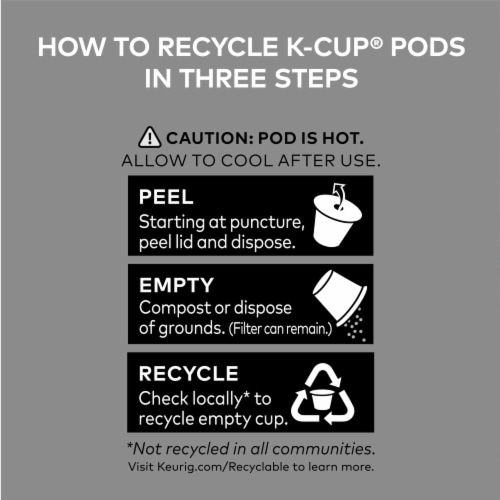
While you recycle your Keurig, also think about the pods. Most single-use K-Cups are not recyclable in regular bins. Some companies, like Keurig, now make recyclable pods. Look for the recycling symbol and follow instructions.
What To Do With Old Keurig Machines: Other Options
Sometimes, recycling is not your only choice. Here are other responsible options:
Donate For Reuse
If your Keurig still works, donation helps:
- Schools or community centers may want it for staff rooms.
- Thrift shops resell them cheaply.
- Some charities repair and give them to families in need.
Sell For Parts
Online marketplaces like eBay or Facebook Marketplace are good places to sell broken Keurig machines for parts. People fixing their own machines often need spare pieces.
Upcycle For Creative Projects
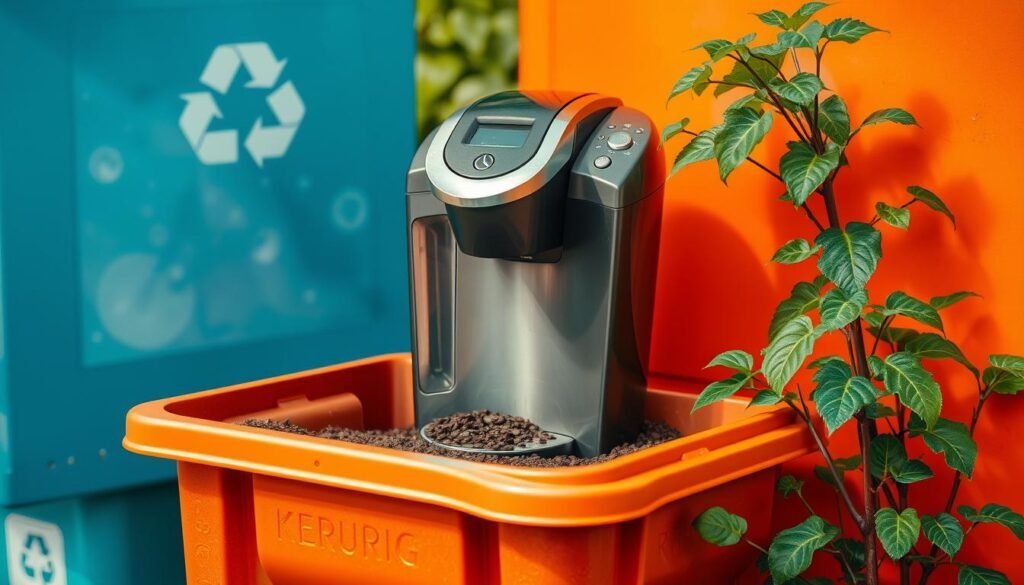
Some people turn old Keurigs into planters, storage boxes, or art projects. The water reservoir is good for holding pens or small tools. This approach takes creativity but keeps the machine out of the landfill.
Common Mistakes When Recycling A Keurig Machine
Even with the best intentions, people often make mistakes:
- Throwing the machine in the trash: This is illegal in some areas and bad for the environment.
- Not removing batteries or cords: These require separate handling and can damage recycling equipment.
- Mixing electronics with regular recycling: Most curbside bins can’t process e-waste.
- Leaving coffee or water inside: This can cause leaks or mold during transport.
- Forgetting about data: Smart models with Wi-Fi can hold your network info—always reset or wipe them if possible.
Credit: jiantaimachine.com
How Keurig Recycling Compares To Other Small Appliances
Keurig machines are a bit unique, but it helps to see how they compare to recycling other small appliances.
| Appliance | Main Materials | Recycling Difficulty | Special Handling Needed? |
|---|---|---|---|
| Keurig Coffee Maker | Plastic, metal, electronics | Medium | Yes (e-waste) |
| Toaster | Metal, plastic | Low | No |
| Blender | Plastic, glass, metal | Medium | Sometimes (e-waste if digital) |
| Microwave Oven | Metal, glass, electronics | High | Yes (e-waste, sometimes special drop-off) |
Keurigs are in the middle range—more complex than a toaster, but simpler than a microwave.
Where To Recycle A Keurig: Options And Tips
You have several choices for recycling. Here are the most common:
Local E-waste Recycling Centers
These are the best option. Certified centers can handle all parts, including electronics and batteries. Some charge a small fee.
Retail Store Drop-offs
Stores like Best Buy, Staples, and Home Depot may accept small appliances. Policies change, so check first.
Municipal Collection Events
Many cities have e-waste days where you can drop off electronics for free. These events often accept Keurig machines.
Manufacturer Take-back Programs
Sometimes, Keurig or other brands run special programs. They may offer prepaid shipping labels for old machines.
Scrap Metal Yards
Some metal recyclers accept small appliances. Remove as much plastic as possible first.
Comparison: Recycling Location Options
Here’s a look at the pros and cons of each option:
| Option | Cost | Accepts All Parts? | Convenience |
|---|---|---|---|
| E-waste center | Usually free or low fee | Yes | High |
| Retail store drop-off | Free | Usually | Medium |
| Municipal event | Free | Yes | Low (rare events) |
| Scrap yard | May pay you or charge fee | No (usually metals only) | Medium |
Credit: www.woolyyarn.com
What Happens To A Keurig After Recycling?
Many people wonder where their old machine ends up. Here’s the journey:
- Collection: The machine arrives at a recycling center.
- Sorting: Workers separate parts by material—plastic, metal, electronics.
- Shredding: Large machines break down the Keurig into smaller pieces.
- Material recovery: Magnets and chemical processes separate metals, plastics, and other materials.
- Reuse: Cleaned materials are sold to manufacturers to make new products—sometimes even new coffee makers!
A small percentage of material may still end up as waste, but recycling dramatically reduces the environmental impact.
Environmental Impact: Why Every Keurig Counts
Each Keurig machine weighs about 10-12 pounds. If millions are thrown away each year, that’s tens of thousands of tons of waste. Electronics can contain lead, cadmium, and other toxins. By recycling, you help:
- Reduce pollution: Fewer chemicals in landfills and water.
- Save energy: Recycling metals uses less energy than mining new ones.
- Lower carbon footprint: Less waste means less greenhouse gas.
One non-obvious insight: Recycling electronics like Keurigs also helps recover rare earth metals (used in electronics), which are hard to mine and often cause environmental damage.
How To Prepare A Keurig For Recycling: Detailed Steps
Many people just drop off their machine as-is, but a little preparation helps:
- Clean the machine: Remove coffee, water, and mold.
- Reset smart features: If your Keurig connects to Wi-Fi, do a factory reset to erase any personal info.
- Label the bag or box: If you disassemble, note “Keurig parts—e-waste” on the container.
- Check for recalls: Rare, but some old Keurigs were recalled for safety issues. If yours is, contact Keurig for special instructions.
What Parts Of A Keurig Are Most Valuable For Recycling?
Some parts are more useful to recyclers:
- Copper wiring: Found in the power cord and internal parts. Copper is valuable and easy to recycle.
- Heating element: Contains metal alloys that can be reused.
- Plastic shell: If marked with a recycling code, it’s easier to process.
- Printed circuit board: Contains small amounts of precious metals like gold and silver.
Pro tip: Don’t try to remove circuit boards or heating elements yourself if you’re not familiar—they can be sharp or contain small amounts of hazardous material.
Legal And Safety Issues
Many states and cities have laws about e-waste. In California, for example, it’s illegal to put electronics in the regular trash. Fines can be high. Some countries, like those in the EU, have strict e-waste rules, too. Always check local rules before you recycle.
Safety is another key point. Don’t open sealed or glued areas unless you know what’s inside—some machines have pressurized parts or small batteries.
Recycling Programs By Keurig And Other Brands
Keurig Green Mountain sometimes offers recycling help:
- Mail-back programs: You fill out a form, they send a shipping label.
- Pod recycling: Some K-Cups can be mailed to special centers.
Other brands, like Nespresso, also offer recycling for their machines. Always check the brand’s website for the latest updates.
For more about e-waste recycling standards, the U.S. Environmental Protection Agency offers helpful advice.
How To Recycle Keurig Accessories And K-cup Pods
Don’t forget about the extras! Here’s how to handle them:
- Reusable K-Cup filters: These are usually made of plastic and metal mesh. If broken, recycle with other plastic and metal parts.
- Water filters: Some can be recycled with plastics, but check the number.
- K-Cup pods: Newer pods are made with recyclable plastic. Peel off the foil, compost the coffee grounds, and recycle the plastic shell.
Older K-Cups are often not recyclable. Look for brands that use eco-friendly materials.
How To Find E-waste Recycling Events
Many cities and counties host e-waste recycling days. Here’s how to find one:
- Check your city’s or county’s website.
- Search for “e-waste event” plus your city name.
- Ask at local electronics stores.
These events are often free and accept a wide range of electronics, including Keurig machines.
Credit: www.woolyyarn.com
The Future Of Keurig Recycling
More people want green options, so companies are improving their recycling programs. Keurig now makes recyclable pods, and some new machines are easier to take apart. In the future, expect more buy-back programs and better labeling for recycling.
A non-obvious tip: Write to Keurig or your city about recycling options. When companies and governments see demand, they often expand programs.
Frequently Asked Questions
How Do I Know If My Keurig Machine Is E-waste?
If your Keurig has any electronic controls, circuit boards, or a power cord, it is considered e-waste. Most modern Keurigs fall into this category. Always treat it as e-waste to be safe.
Can I Put My Keurig In The Curbside Recycling Bin?
No, you should not put your Keurig in regular recycling bins. Most curbside programs do not accept electronics or small appliances. Use a certified e-waste recycler or a special drop-off event.
Are There Any Risks If I Just Throw Away My Keurig?
Yes, throwing away a Keurig can cause environmental harm and may be illegal in some areas. Electronics can leak chemicals that damage soil and water. You may also face fines if your city bans e-waste in regular trash.
What Should I Do With Leftover K-cup Pods?
Check if your K-Cup pods are marked as recyclable. If yes, peel off the foil, compost the coffee grounds, and recycle the plastic shell. If not, look for a brand that uses recyclable materials or a mail-back program.
Does Keurig Offer A Recycling Program?
Keurig sometimes has mail-back programs for machines and recyclable pods. Visit the Keurig website or contact customer service for the latest information.
Recycling your Keurig machine may take a little extra effort, but it’s worth it for the planet and your community. By following these steps, you make sure every part is handled the right way—and you set a good example for others.