
If you enjoy rice with your meals, you might often have leftovers. Many people find reheating rice tricky—it can end up dry, hard, or even burned. But did you know you can use your rice cooker, not just for cooking fresh rice, but also for reheating it?
This gentle, even-heating method brings back the soft texture you love, making your rice taste almost like it’s just been cooked.
Rice cookers are popular in many kitchens because they are easy to use and deliver consistent results. They are designed to cook rice perfectly, but their ability to reheat rice is often overlooked. Reheating rice in a rice cooker is simple, safe, and can prevent food waste. In this article, you’ll discover detailed steps, helpful tips, safety facts, and answers to common questions about reheating rice in a rice cooker. You’ll also see how this method compares to other reheating methods and learn how to keep your rice tasty and safe.
Why Reheat Rice In A Rice Cooker?
Reheating rice might seem straightforward, but the method you use matters. Microwaves can dry out the rice, and stovetops may cook it unevenly. The rice cooker, however, is designed to cook and heat rice gently, so the grains remain moist and fluffy.
Benefits Of Using A Rice Cooker
- Even heating: Rice cookers heat from all sides, so every grain warms up the same way.
- Moisture control: Most rice cookers use a sealed lid, keeping the rice from drying out.
- Simple operation: Usually, you just press one button.
- No need to watch: You can walk away, and the rice won’t burn.
- Large batches: Perfect if you need to reheat rice for several people.
Common Problems With Other Methods
- Microwave: Can make rice dry or rubbery; uneven heating.
- Stovetop: Needs constant attention; can stick or burn at the bottom.
- Oven: Takes longer and may dry rice out.
Rice cookers solve most of these problems, especially for people who want consistent results without much effort.
Preparing Leftover Rice For Reheating
Before reheating, it’s important to store your leftover rice properly. This step is often missed, but it affects both the taste and safety of your reheated rice.
How To Store Leftover Rice
- Cool quickly: After cooking, let rice cool to room temperature as fast as possible. Spread it out on a tray or plate.
- Use airtight containers: Store in small, shallow containers with a tight lid.
- Refrigerate soon: Put rice in the fridge within an hour after cooking.
- Eat within 1–2 days: The fresher, the better.
Why Storage Matters
Rice can grow Bacillus cereus bacteria if left at room temperature too long. This bacteria survives even after reheating and can cause food poisoning. Always store rice safely to avoid this risk.
Step-by-step: How To Reheat Rice In A Rice Cooker
Reheating rice in a rice cooker is simple, but a few small steps make a big difference. Here’s a practical, detailed guide.
1. Prepare The Rice Cooker
- Clean the inner pot: Make sure there are no old rice grains or residue.
- Plug in the cooker: Check the power source and settings.
2. Add The Leftover Rice
- Break up clumps: Use a fork or your fingers to separate the grains. This helps even heating.
- Add rice to the pot: Spread it out in a thin, even layer. Avoid piling up in one spot.
3. Add Moisture
This is the most important step for fluffy, soft rice.
- Sprinkle water: For every cup of rice, add about 1–2 tablespoons of water. Use your hand or a spoon to sprinkle evenly.
- Optional flavor: You can add a few drops of broth or a small pat of butter for extra flavor.
4. Start The Reheating Process
- Close the lid: This traps steam and moisture.
- Select “Warm” or “Cook”: If your rice cooker has a “Reheat” or “Warm” function, use it. If not, use the “Cook” setting but watch carefully.
- Wait 8–15 minutes: Most rice will be ready in this time, but thicker layers or cold rice may need a few extra minutes.
5. Check And Fluff
- Open and check: Use a spoon to check the temperature and texture.
- Fluff the rice: Gently stir the rice to mix the moisture and separate the grains.
6. Serve Or Keep Warm
- Serve hot: Rice is best served immediately.
- Keep warm: If not serving right away, leave it on “Warm” for up to 30 minutes. Longer than this can dry out or overcook the rice.
Example: Reheating 2 Cups Of Rice
- Place 2 cups of cold, cooked rice in the rice cooker.
- Add 4 tablespoons (1/4 cup) of water.
- Set to “Warm” and cover.
- Wait 10–12 minutes.
- Fluff and serve.
How Much Water Should You Add?
The right amount of water depends on the rice’s dryness and amount. Too much water can make rice soggy; too little leaves it dry.
| Amount of Leftover Rice | Recommended Water | Result |
|---|---|---|
| 1 cup | 1–2 tablespoons | Soft, separate grains |
| 2 cups | 2–4 tablespoons | Fluffy, moist rice |
| 4 cups | 4–8 tablespoons (1/4–1/2 cup) | No dryness in center |
Tip: If your rice is very hard or clumped, sprinkle a bit more water and break up the rice before reheating.
Which Types Of Rice Can Be Reheated In A Rice Cooker?
Almost every type of rice can be reheated this way, but the results will vary.
Short-grain Vs. Long-grain Rice
- Short-grain rice (like sushi rice) becomes stickier when reheated, so use a little less water.
- Long-grain rice (like basmati or jasmine) stays separate and fluffy; add a bit more water for best results.
Special Rice Types
- Brown rice: Needs a touch more water and reheating time because it’s denser.
- Wild rice: Add more water and stir halfway through.
- Sticky/glutinous rice: Use very little water and check often.
Table: Adjustments For Different Rice Types
| Rice Type | Water Adjustment | Extra Tips |
|---|---|---|
| White long-grain | Standard amount | Fluffs easily |
| Brown rice | +1 tablespoon/cup | Needs more time |
| Sticky/sushi | -1 tablespoon/cup | Check early |
| Wild rice | +2 tablespoons/cup | Stir once |
Reheating Rice With Add-ins
Leftover rice sometimes includes vegetables, meat, or sauce. When reheating in a rice cooker, you can still get good results.
Tips For Add-ins
- Vegetables: Cut large pieces into smaller ones for even heating.
- Meat: Make sure it’s pre-cooked. Break up chunks.
- Sauce: Add a little less water, as sauce adds moisture.
- Eggs (like fried rice): Reheat with the rice, but avoid leaving on “Warm” for long.
Credit: www.yummy.ph
How Long Should You Reheat Rice In A Rice Cooker?
Timing depends on the amount, type, and temperature of the rice.
| Amount of Rice | Temperature (from fridge or room) | Approximate Time |
|---|---|---|
| 1–2 cups | Refrigerator-cold | 8–12 minutes |
| 3–4 cups | Refrigerator-cold | 12–18 minutes |
| 1–2 cups | Room temperature | 5–8 minutes |
| 3–4 cups | Room temperature | 8–12 minutes |
Always check and fluff the rice after the minimum time, then continue if it’s not hot enough.
Safety Tips For Reheating Rice
Rice can be risky if not handled properly. Food safety should always be a priority.
Key Safety Rules
- Don’t reheat more than once: Each reheating increases bacteria risk.
- Heat thoroughly: Make sure all rice is steaming hot (at least 75°C or 165°F).
- Store quickly after cooking: Don’t leave rice at room temperature for long.
- Use within two days: Discard rice older than this.
Why Rice Can Be Risky
Unlike many foods, rice contains spores from Bacillus cereus, which can survive cooking. If rice cools slowly or sits out, these spores grow into bacteria that produce toxins. These toxins can cause food poisoning, and reheating won’t destroy them. Fast cooling and proper storage are your best defenses.
Common Mistakes When Reheating Rice In A Rice Cooker
It’s easy to make mistakes that affect the taste or safety of your rice. Here are some to watch out for:
1. Skipping Moisture
Not adding water leaves rice dry and hard. Even a small amount of water is important.
2. Reheating Large Clumps
Big lumps don’t heat evenly. Always break up rice before reheating.
3. Using Too Much Water
Adding too much water turns rice mushy. Measure carefully.
4. Leaving On “warm” Too Long
Rice dries out and can even burn if left too long. Serve soon after reheating.
5. Ignoring Add-ins
Large meat or vegetable pieces may stay cold. Cut them smaller and stir before serving.
6. Not Cleaning The Cooker First
Leftover bits can burn or add old flavors. Always start with a clean inner pot.
7. Reheating Old Rice
Rice more than two days old can be unsafe, even if it looks and smells fine.
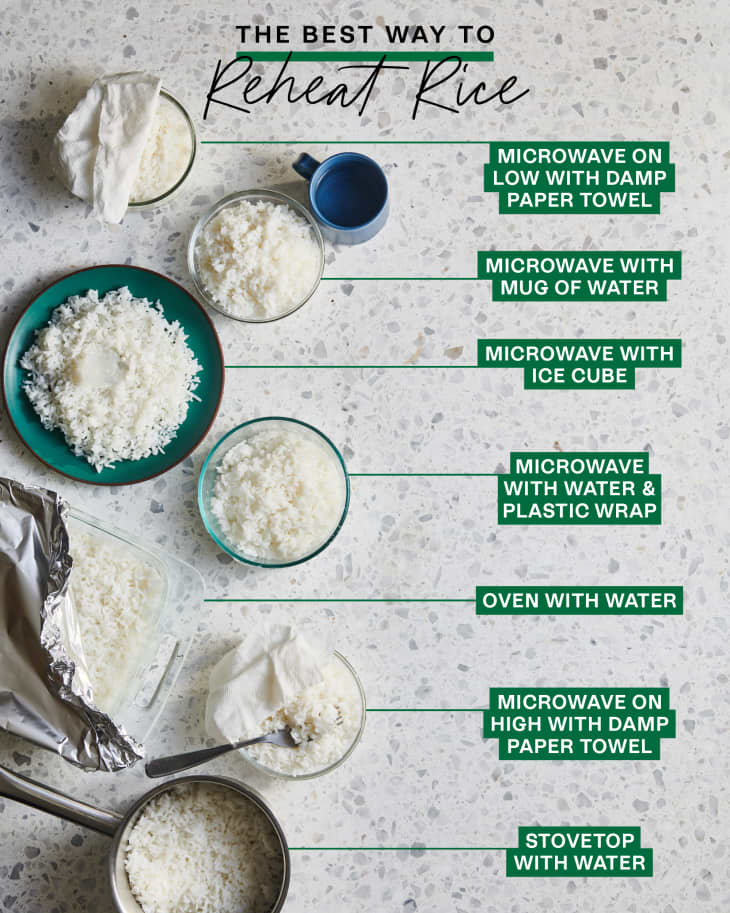
Comparing Rice Cooker Reheating With Other Methods
Many kitchens have a microwave or stovetop, so how does a rice cooker compare?
Advantages Over Microwave
- More even heating: No cold or hard spots.
- Better moisture: Sealed environment keeps rice soft.
- No need to stir halfway through.
Advantages Over Stovetop
- Easier: No need to watch or stir constantly.
- Less risk of burning: Direct heat on stovetop can scorch rice.
When Not To Use A Rice Cooker
- If you only have a tiny amount (less than 1 cup), a microwave may be faster.
- If you want crisp or fried rice, use a pan instead.
Practical Tips For Best Results
Here are some expert tricks to make your reheated rice even better:
1. Cover With A Damp Cloth
For extra moisture, place a clean, damp kitchen towel over the rice (under the lid). This helps steam the rice evenly.
2. Add Flavors
Add a little chicken broth, vegetable stock, or even a dash of soy sauce for more taste.
3. Mix In Fresh Herbs
After reheating, stir in chopped green onions, parsley, or cilantro for a fresh kick.
4. Use Leftover Rice For New Dishes
Reheated rice works well in fried rice, rice pudding, or rice salads.
5. Avoid Plastic Utensils
Use a wooden or silicone spoon to fluff rice. Metal can scratch the cooker, and plastic can melt if it gets too hot.
What If My Rice Cooker Has A “reheat” Or “steam” Function?
Some modern rice cookers offer special functions for reheating or steaming.
- Reheat function: Use as directed. Usually, you just press the “Reheat” button.
- Steam function: Place rice in a heat-proof bowl, add water to the cooker base, and set on “Steam.” This is useful for delicate or sticky rice.
Always check your rice cooker’s manual for special features and instructions.
How To Reheat Frozen Rice In A Rice Cooker
Sometimes you store rice in the freezer for longer periods. You can reheat frozen rice in your rice cooker, too.
Steps For Frozen Rice
- Thaw first: For best results, thaw in the fridge overnight.
- Break up rice: If still frozen, tap the container gently to separate chunks.
- Add water: Use the same amounts as with cold rice, but add 1 extra tablespoon per cup.
- Reheat: Set the cooker to “Warm” or “Cook” and reheat for 15–20 minutes.
- Fluff and check: If not fully hot, continue for a few more minutes.
Note: Reheating from frozen takes longer and may need a bit more water to prevent drying.
How To Clean Your Rice Cooker After Reheating
Keeping your rice cooker clean is important for taste and hygiene.
Cleaning Steps
- Unplug and cool: Never clean while hot or plugged in.
- Remove inner pot: Wash with warm, soapy water. Use a soft sponge.
- Wipe the lid: Some lids are removable; if not, wipe with a damp cloth.
- Clean the heating plate: Wipe gently with a dry cloth.
- Dry completely: Let all parts dry before reassembling.
Tip: Never submerge the main cooker body in water.
Credit: www.thekitchn.com
Using Leftover Reheated Rice: Creative Ideas
Don’t let reheated rice go to waste. Here are some dishes you can make:
- Fried rice: Add eggs, vegetables, and soy sauce for a quick meal.
- Rice salad: Mix with chopped veggies, herbs, and a light dressing.
- Soup thickener: Stir into soups for extra texture.
- Rice pudding: Add milk, sugar, and cinnamon for dessert.
- Rice wraps: Use with lettuce and cooked meat for healthy wraps.
Reheating rice is just the start—you can turn leftovers into something new and delicious.
Data: Rice Cooker Usage And Food Safety
Did you know that in many Asian countries, over 80% of households use rice cookers daily? According to a study by the International Rice Research Institute, rice cookers are among the safest ways to cook and reheat rice, thanks to their even temperature control. The World Health Organization also reports that food poisoning from rice is most often due to poor storage, not reheating, making safe storage the most important step ([see research](https://www.who.int/news-room/fact-sheets/detail/food-safety)).
Troubleshooting: Why Didn’t My Rice Reheat Well?
If your rice is too dry, mushy, or uneven after using the rice cooker, these are likely causes:
- Too little water: Add more next time.
- Too much water: Use less next time.
- Large clumps: Always break up rice first.
- Old rice: Very old rice won’t recover well.
- Not enough time: Leave for a few more minutes and check again.
Making small adjustments each time helps you find the perfect method for your favorite rice.
Frequently Asked Questions
Can I Reheat Rice In A Rice Cooker More Than Once?
It’s best to only reheat rice once. Every time rice cools and reheats, bacteria risk increases. If you have leftovers after reheating, discard them for safety.
What’s The Best Way To Keep Rice From Drying Out When Reheating In A Rice Cooker?
The key is to add a small amount of water before reheating and to fluff the rice as soon as it’s hot. Covering the rice with a damp cloth under the lid can also help keep moisture in.
Can I Reheat Rice With Vegetables Or Meat In The Rice Cooker?
Yes, but make sure all add-ins are pre-cooked and cut into small pieces. This ensures even heating and safe eating.
How Long Can I Keep Reheated Rice In The Rice Cooker?
After reheating, keep rice on the “Warm” setting for up to 30 minutes. Leaving it longer can dry it out or create a risk for bacteria growth.
Is It Safe To Reheat Rice In A Rice Cooker?
Yes, as long as you store rice quickly after cooking, reheat only once, and make sure it’s steaming hot before serving. Always use rice within two days of original cooking for best safety.
Reheating rice in a rice cooker is simple, safe, and brings back the rice’s natural texture and flavor. With these tips and clear steps, you can enjoy leftover rice that tastes almost fresh-cooked, while keeping your kitchen safe and your meals enjoyable. Whether you eat rice every day or just occasionally, this method saves time, reduces waste, and adds convenience to your routine. For more details on rice cooking and safety, you can visit the World Health Organization’s food safety page. Enjoy your rice, every time!

Credit: www.youtube.com