
If you love making pancakes, burgers, or grilled cheese, you know how important a clean griddle is. But after cooking, you might notice a sticky layer that doesn’t wash off easily. This sticky residue can ruin your next meal, make your griddle smoke, and even create unwanted flavors.
If left alone, it can become stubborn and hard to remove, making your griddle look old and worn. Many people struggle with this problem, but with the right approach, you can get your griddle back to its best.
This guide will show you everything you need to know about removing sticky residue from your griddle. You’ll learn what causes the residue, how to clean it step by step, mistakes to avoid, and tips for keeping your griddle in top shape. Whether you use a flat top, cast iron, electric, or stainless steel griddle, you’ll find solutions here. You’ll also discover some cleaning methods that beginners often miss, plus answers to common questions. With clear instructions and practical advice, you’ll never worry about sticky messes again.
Why Does Sticky Residue Build Up On Griddles?
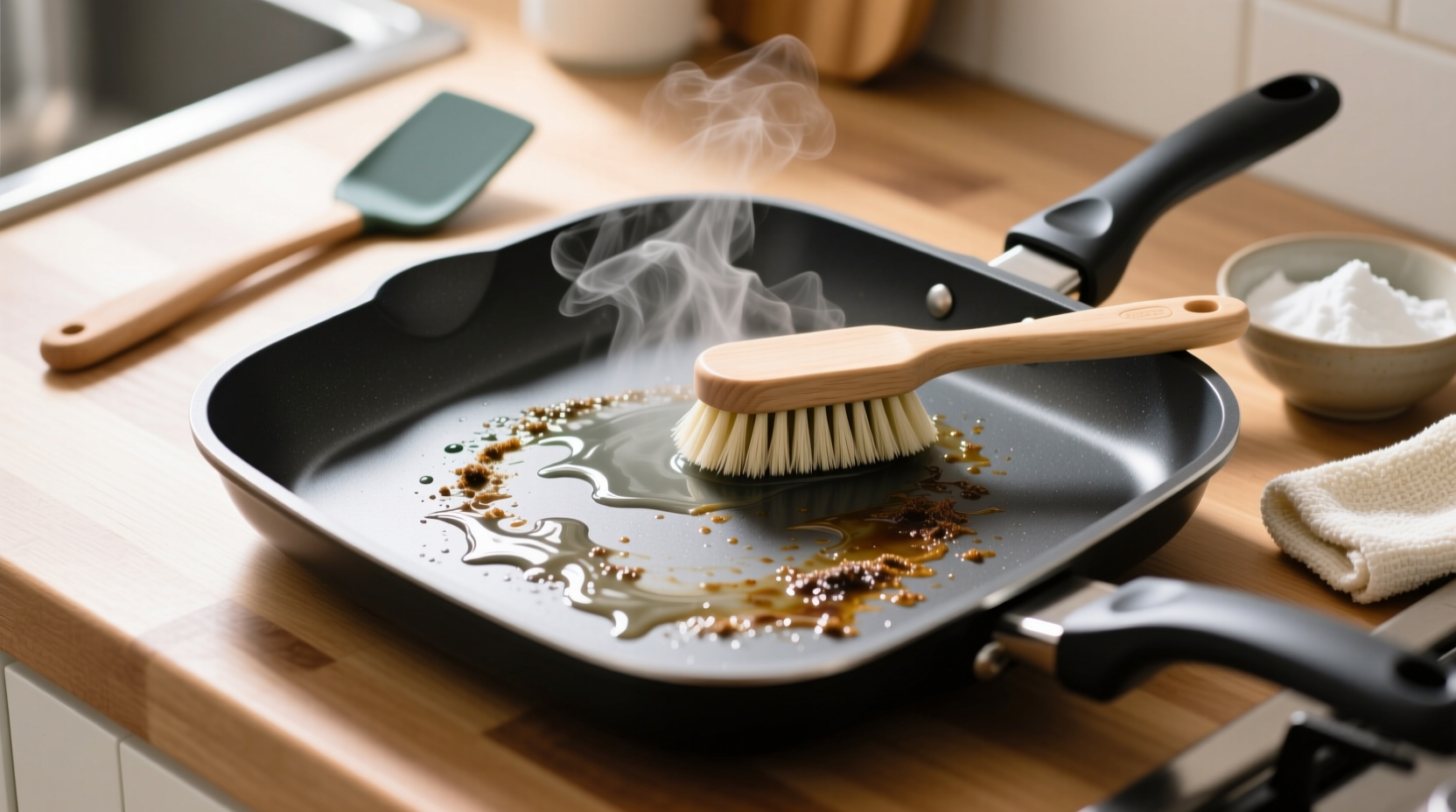
Sticky residue is more than just leftover oil. It’s a mix of cooked-on grease, burnt food particles, and sometimes even soap. Understanding the source helps you choose the best way to clean.
Common Causes
1. Excess Oil Or Grease
Using too much oil, or not wiping it off after cooking, lets it collect and build up. Over time, it hardens and becomes sticky.
2. Improper Seasoning
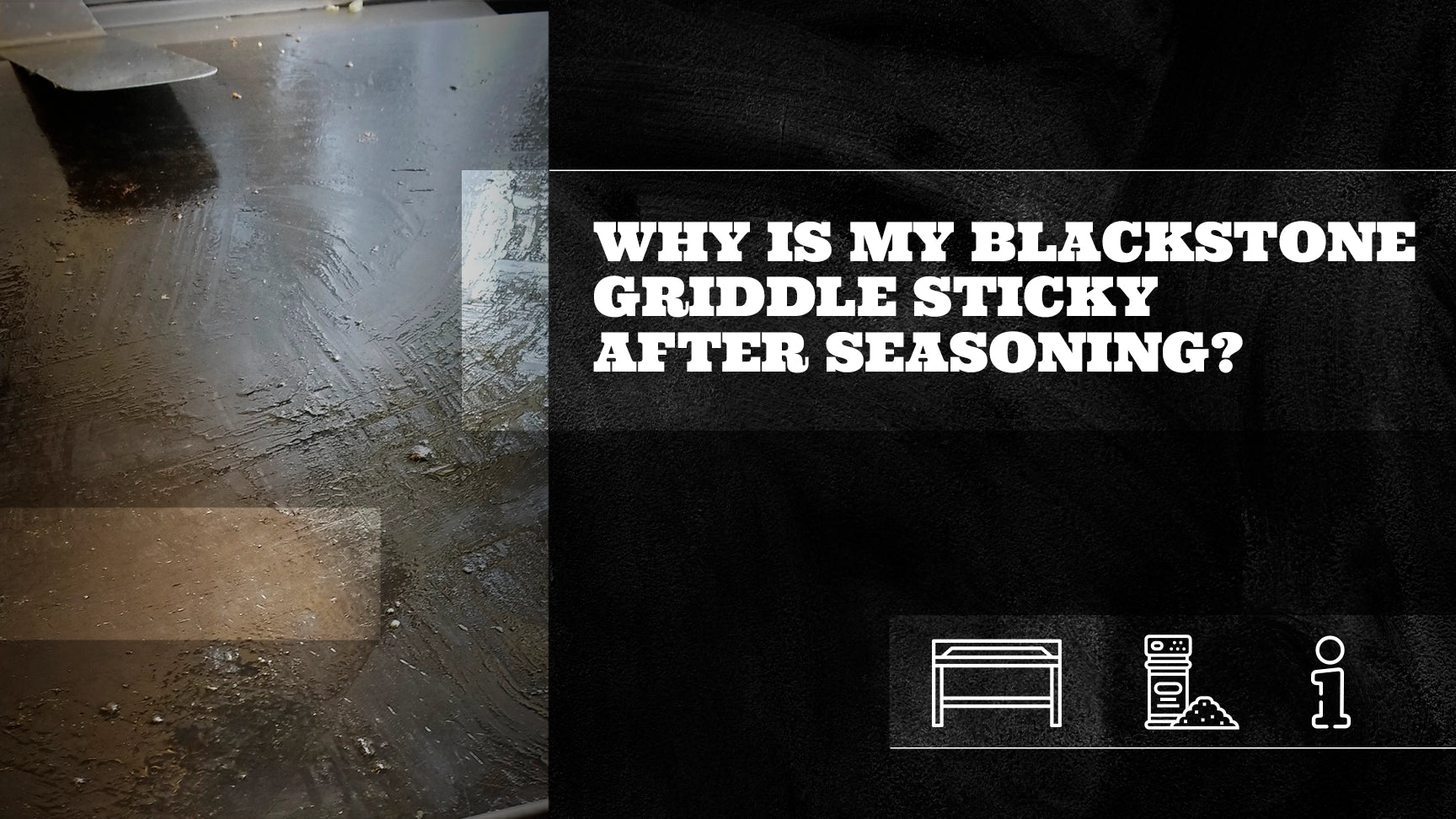
For cast iron or carbon steel griddles, seasoning is key. If the oil layer is too thick or heated unevenly, it turns sticky instead of forming a smooth, hard coating.
3. Sugary Or Saucy Foods
Foods with sugar, like teriyaki chicken or BBQ sauce, leave behind caramelized spots that stick fast.
4. Not Cleaning After Each Use
Skipping quick clean-ups lets grease and food pile up. Each time you cook, the mess gets worse.
5. Using The Wrong Cleaner
Some soaps or sprays leave a film. Others react with the griddle’s surface, causing tacky spots.
Non-obvious Insight
Many people think more seasoning oil is better. In reality, thin, even layers are best. Thick oil doesn’t bond and instead turns sticky. Also, hard water can leave behind minerals that mix with grease, making residue harder to remove.
Types Of Griddles And How Residue Behaves
Different griddles can react in their own way. Let’s look at how sticky residue forms on the most common types.
| Griddle Type | Main Material | Residue Behavior | Special Precautions |
|---|---|---|---|
| Cast Iron | Iron | Sticky if over-oiled or not seasoned well | Avoid soaking; dry quickly to prevent rust |
| Stainless Steel | Stainless steel | Oil and burnt food stick, but no seasoning layer | Use non-abrasive scrubbers |
| Electric Nonstick | Nonstick coating | Residue builds up from burnt oil; can damage coating | Never use metal tools or harsh cleaners |
| Chrome | Chromed steel | Sticky film forms from sugar and grease | Avoid acidic cleaners; rinse thoroughly |
| Carbon Steel | Steel | Similar to cast iron; seasoning mistakes cause stickiness | Dry and oil after cleaning |
Knowing your griddle type helps you pick the right cleaning method and avoid damage.
Credit: lifetips.alibaba.com
Essential Tools And Supplies For Removing Sticky Residue
Before you start, gather a few basic items. Using the right tools makes cleaning faster and safer.
- Plastic scraper: Removes stuck-on bits without scratching.
- Griddle cleaning pad or sponge: Choose non-abrasive for nonstick surfaces.
- Paper towels or microfiber cloth: For wiping oil and residue.
- Mild dish soap: Cuts through grease without harming surfaces.
- Baking soda: Safe, gentle abrasive for stubborn spots.
- White vinegar: Helps dissolve greasy films.
- Warm water: Softens residue.
- Cooking oil: For re-seasoning after cleaning (cast iron and carbon steel).
- Spray bottle: For applying water, vinegar, or cleaner evenly.
- Grill stone or pumice (optional): For heavy build-up on metal griddles only.
Avoid steel wool, metal spatulas, or harsh chemicals, especially on nonstick or chrome griddles. These can scratch or remove the finish.
Step-by-step: How To Remove Sticky Residue From A Griddle
Cleaning a sticky griddle isn’t hard, but the right order matters. Here’s a clear process you can follow.
1. Let The Griddle Cool Slightly
Never clean a hot griddle, but don’t let it go completely cold. A warm surface (just cool enough to touch safely) softens sticky residue, making it easier to remove.
2. Scrape Off Excess Residue
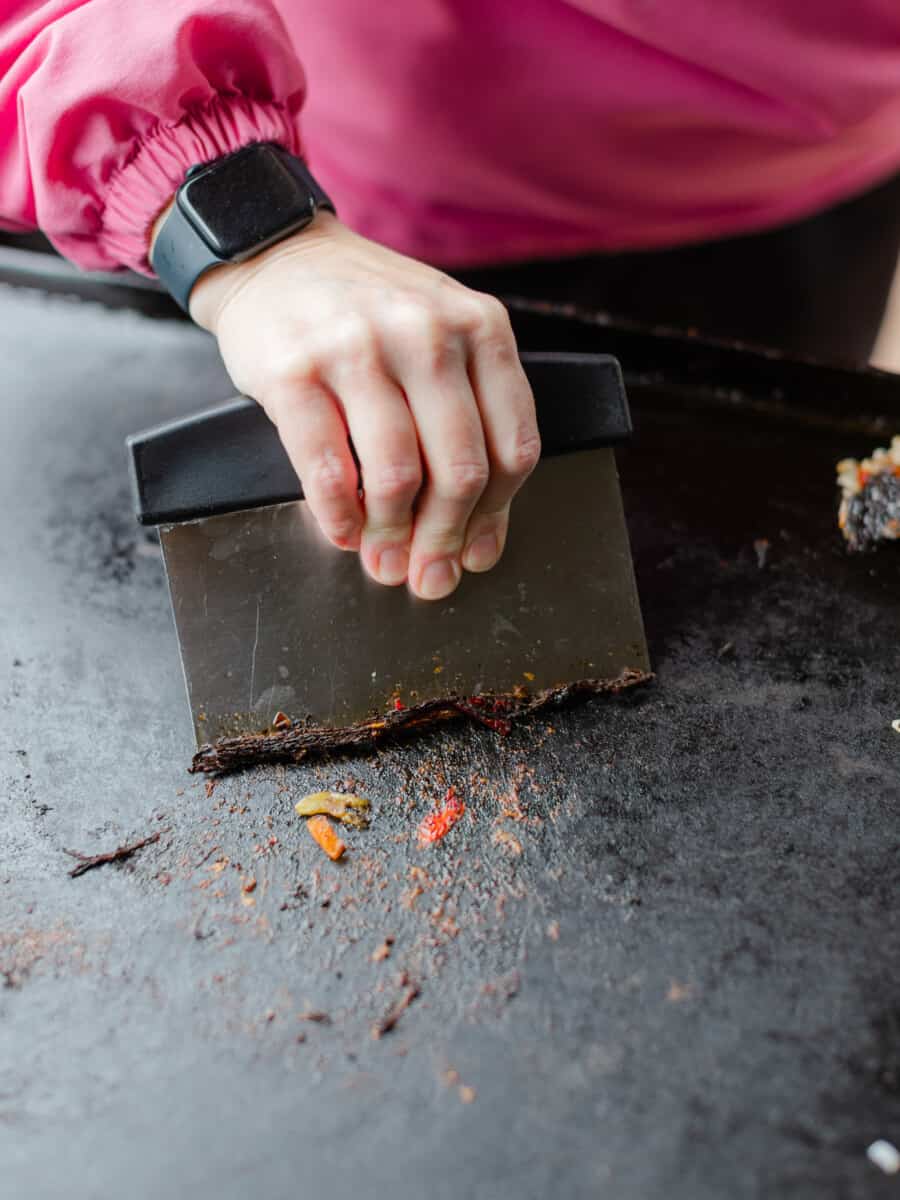
Use a plastic scraper or spatula to gently push off thick, sticky layers. Hold the tool at a shallow angle and work in small sections. Avoid using metal, which can scratch.
3. Apply Warm Water
Pour or spray a thin layer of warm (not boiling) water over the sticky area. Let it sit for 2–3 minutes. This loosens dried grease and burnt food.
For electric griddles, unplug and use a damp (not wet) cloth instead. Never immerse the base in water.
4. Use Baking Soda For Stubborn Spots
Sprinkle baking soda over sticky patches. Add a few drops of water to make a paste. Scrub gently with a sponge or pad. Baking soda is safe for most surfaces and helps lift grease.
If you have a nonstick griddle, use only a soft cloth or sponge.
5. Degrease With Vinegar (if Needed)
For very stubborn residue, spray a mix of equal parts white vinegar and water. Let it bubble for 1–2 minutes. Wipe clean with a paper towel. Vinegar breaks down sticky films, especially from sugar or burnt sauces.
Avoid vinegar on chrome-plated or aluminum griddles unless the manufacturer says it’s safe.
6. Wash With Soap And Water
Add a drop of mild dish soap to a wet sponge. Wipe the griddle surface, focusing on sticky areas. Rinse with clean water and wipe dry with a towel.
7. Dry Completely
Use a clean towel to remove all moisture. For cast iron or carbon steel, heat the griddle for a minute or two on low to evaporate water (this prevents rust).
8. Re-season If Needed
If your griddle is cast iron or carbon steel, add a few drops of cooking oil. Rub it in with a paper towel while the surface is still warm. Heat for a few minutes, then wipe off excess oil.
Example: Removing Sticky Residue From A Cast Iron Griddle
Suppose you made bacon and pancakes, and now your cast iron griddle is sticky. Let it cool until warm, scrape off the thickest bits, sprinkle with baking soda, and scrub. Spray lightly with vinegar, wipe, then wash with soapy water.
Dry on the stove and rub with a thin layer of oil. Your griddle will look and feel smooth.
Special Methods For Different Griddle Types
Some griddles need extra care. Here’s how to adapt the cleaning steps for your specific model.
Cast Iron And Carbon Steel
- Never soak in water; rust forms fast.
- Always dry and oil after cleaning.
- If residue is very bad, heat the griddle until the sticky oil turns dark, then scrape and clean as above.
- For deep cleaning, use a grill stone or kosher salt as a scrubber.
Stainless Steel
- Use more water and a bit of vinegar if needed.
- Avoid abrasive pads that can scratch.
- For heavy residue, try a stainless steel cleaner recommended by the maker.
Electric Nonstick Griddles
- Unplug first.
- Use only soft sponges—never anything rough.
- Don’t soak the griddle or get water into the electrical parts.
- For sticky spots, use a baking soda paste and gently wipe.
Chrome Griddles
- Avoid acids like vinegar unless the maker says it’s okay.
- Use only water, a mild cleaner, and a non-abrasive pad.
- Rinse and dry well to prevent spotting.
Comparing Cleaning Methods: What Works Best?
Each cleaning method has pros and cons. Here’s a quick comparison to help you choose.
| Method | Best For | Pros | Cons |
|---|---|---|---|
| Baking Soda Paste | All griddle types | Safe, non-toxic, effective on grease | May need elbow grease for thick residue |
| Vinegar Solution | Stainless steel, cast iron | Dissolves sticky films, deodorizes | Not safe for chrome or some nonstick |
| Commercial Degreaser | Stainless steel, heavy-duty messes | Very powerful, fast | May be harsh or unsafe for some griddles |
| Grill Stone | Cast iron, carbon steel | Removes thick build-up quickly | Can scratch if used too hard; not for nonstick |
| Soapy Water | All except seasoned cast iron/carbon steel | Gentle, easy, accessible | May not remove burnt-on residue |
Tips To Prevent Sticky Residue
The best way to deal with sticky residue is to stop it before it starts. Here’s how:
1. Wipe After Each Use
After cooking, while the griddle is still warm, wipe off grease and crumbs with a paper towel.
2. Season Correctly
Apply a thin, even layer of oil (not too much) and heat until it just smokes, then wipe off excess.
3. Avoid Sugary Marinades
If you cook with sauces, clean up right after—sugar burns fast and sticks hard.
4. Use The Right Amount Of Oil
Too much oil leads to build-up. For seasoning, less is more.
5. Don’t Let Residue Sit
Sticky messes get worse as they cool and harden.
6. Choose The Right Cleaner
Only use soaps or sprays recommended for your griddle’s material.
Non-obvious Insight
Many people think wiping with a wet cloth is enough. In reality, water alone can spread grease or push it into small scratches, making residue worse. Always use a degreaser or mild soap, then dry well.
Common Mistakes To Avoid
Even experienced cooks make errors when cleaning griddles. Here’s what to watch out for:
- Using steel wool or metal tools: These scratch the surface and remove seasoning.
- Over-oiling during seasoning: Thick oil layers never bond and will always be sticky.
- Letting water sit on cast iron or carbon steel: This causes rust and makes cleaning harder next time.
- Using harsh chemicals: Some griddles (especially nonstick and chrome) can be damaged by strong cleaners.
- Not drying completely: Damp griddles can attract dust and leave spots that feel sticky later.
Credit: frommichigantothetable.com
How To Deep Clean A Neglected Griddle
If your griddle hasn’t been cleaned in weeks or months, sticky residue may be thick and tough. Here’s how to tackle a deep clean:
1. Heat The Griddle
Warm it to medium-high. This softens old oil.
2. Scrape Off Build-up
Use a grill stone or plastic scraper to remove as much as possible.
3. Apply Baking Soda And Vinegar
Sprinkle baking soda, then spray with vinegar. Let it bubble and sit for 10–15 minutes.
4. Scrub With A Cleaning Pad
Work in circles, adding water as needed.
5. Wash With Soapy Water
Rinse off all residue.
6. Dry And Re-season
Always re-season after a deep clean, especially for cast iron or carbon steel.
If residue still remains, repeat the process. For very old griddles, you may need to strip and re-season completely.
How To Know When Your Griddle Is Truly Clean
A clean griddle feels smooth and looks evenly colored (for seasoned cast iron/steel) or shiny (for stainless or chrome). There should be no sticky, greasy, or rough spots. If you wipe with a paper towel and it comes away clean, you’ve done the job right.
Check for these signs:
- No sticky feeling when you run your hand across the surface.
- No dark or oily residue on a clean towel after wiping.
- Food releases easily when cooking.
If any stickiness remains, repeat a gentle cleaning cycle. Don’t rush—the extra effort means better cooking next time.
Credit: beardedbutchers.com
How Often Should You Remove Sticky Residue?
For most home cooks, a quick clean after every use prevents sticky build-up. A deeper clean (with baking soda or vinegar) is needed every few weeks, or anytime you notice food sticking more than usual.
If you cook with a lot of oil or sweet sauces, clean more often. For commercial griddles, daily deep cleaning is standard.
When Should You Re-season Your Griddle?
Any time you scrub off sticky residue with baking soda, vinegar, or a grill stone, you may also remove seasoning. Re-season if:
- The griddle looks dull or grey.
- Food sticks more than normal.
- Water does not bead on the surface.
A good rule: If in doubt, add a thin layer of oil and heat. Too much seasoning is never a problem—too little is.
How To Re-season After Cleaning
- Heat the griddle to medium.
- Add a small amount of oil (vegetable, canola, or flaxseed are best).
- Use a paper towel to rub oil evenly over the surface.
- Heat until the oil just begins to smoke, then wipe off excess.
- Let it cool.
This restores the nonstick layer and prevents future sticky residue.
How To Clean Commercial Griddles
In restaurants or cafes, griddles get heavy use. Sticky residue builds up fast. Most commercial kitchens use a special griddle scraper and a grill brick or stone daily, plus a food-safe degreaser. Always follow local health codes and manufacturer advice.
A pro tip: Use a small amount of ice water on a hot commercial griddle to steam-clean and loosen sticky spots, then scrape and wipe dry.
For more on commercial cleaning, the WebstaurantStore guide offers useful tips.
Real-life Examples And Case Studies
Example 1: Sticky Cast Iron After Too Much Oil
Maria tried to season her cast iron griddle but used too much oil. It stayed sticky even after baking. She cleaned with baking soda and hot water, dried it, and re-seasoned with a thin layer of oil. The stickiness vanished, and her pancakes stopped sticking.
Example 2: Nonstick Electric Griddle With Burnt Syrup
Kevin’s kids made French toast and left syrup on the nonstick griddle. He unplugged it, wiped with a damp cloth, then used a baking soda paste. The sticky spot came off without damaging the coating.
Example 3: Stainless Steel Griddle In A Diner
At a small diner, the stainless steel flat top got sticky from burgers and onions. Staff used a commercial degreaser, scrubbed with a non-abrasive pad, rinsed, and dried. The griddle looked new and cooked evenly.
Frequently Asked Questions
Why Does My Griddle Stay Sticky After Cleaning?
If your griddle still feels sticky, it’s likely that a thin layer of oil or soap film remains. Try cleaning again with a baking soda paste or vinegar solution, then rinse and dry well. For cast iron, over-seasoning (too much oil at once) is a common cause—strip and re-season with a thinner layer.
Can I Use Metal Tools To Scrape Off Sticky Residue?
Avoid metal scrapers or steel wool unless your griddle is pure stainless steel and you don’t care about scratches. For cast iron, carbon steel, chrome, or nonstick, use plastic scrapers or non-abrasive pads to avoid damage.
Is It Safe To Use Commercial Degreasers?
Most commercial degreasers are safe for stainless steel, but always check the label. Never use harsh cleaners on nonstick, chrome, or seasoned griddles. Rinse thoroughly and follow the manufacturer’s instructions.
How Often Should I Deep Clean My Griddle?
Deep clean whenever you notice sticky build-up, food sticking, or uneven coloring. For home use, every few weeks is enough if you clean lightly after each use. For commercial griddles, deep cleaning is often done daily.
What Oil Is Best For Re-seasoning After Sticky Residue Removal?
Choose oils with a high smoke point, like vegetable, canola, or flaxseed oil. Apply a very thin, even layer and heat until it just smokes. Avoid olive oil or butter, which burn and become sticky faster.
A clean, smooth griddle makes cooking more enjoyable and your food tastes better. With these tips and methods, you’ll be ready to handle sticky residue and keep your griddle in top condition for years to come.