
Replacing the heating element in a dishwasher might sound complicated, but with the right steps and safety, it is within reach for most handy homeowners. The heating element is a critical part for washing and drying dishes, and when it fails, your dishwasher cannot clean effectively or dry properly.
Many people rush to call a repair service, but learning to replace this part yourself can save money and give you a sense of achievement. This guide will walk you through everything you need to know, from identifying the problem to the final test run.
If you follow each step carefully, you will have your dishwasher running like new in no time.
Understanding The Dishwasher Heating Element
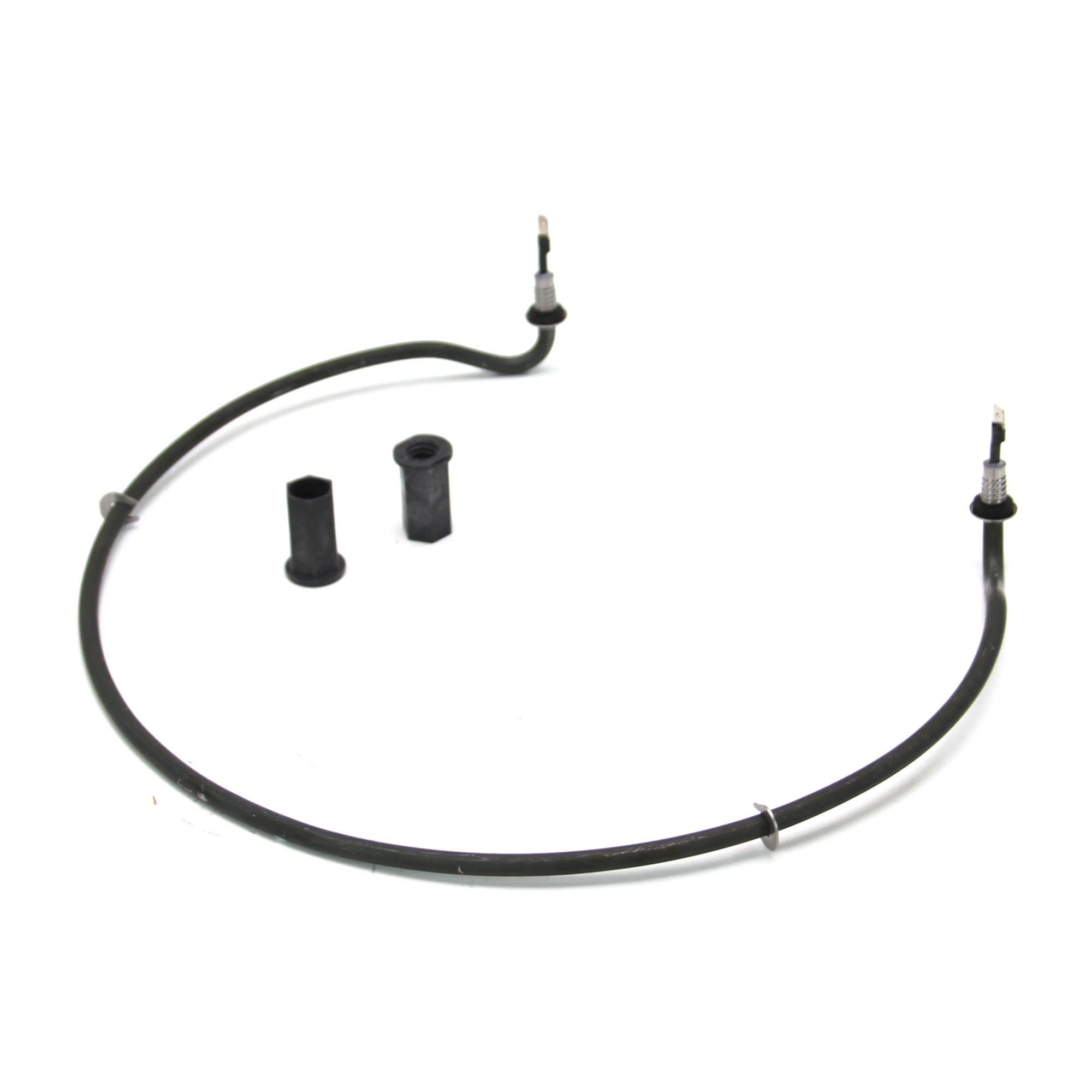
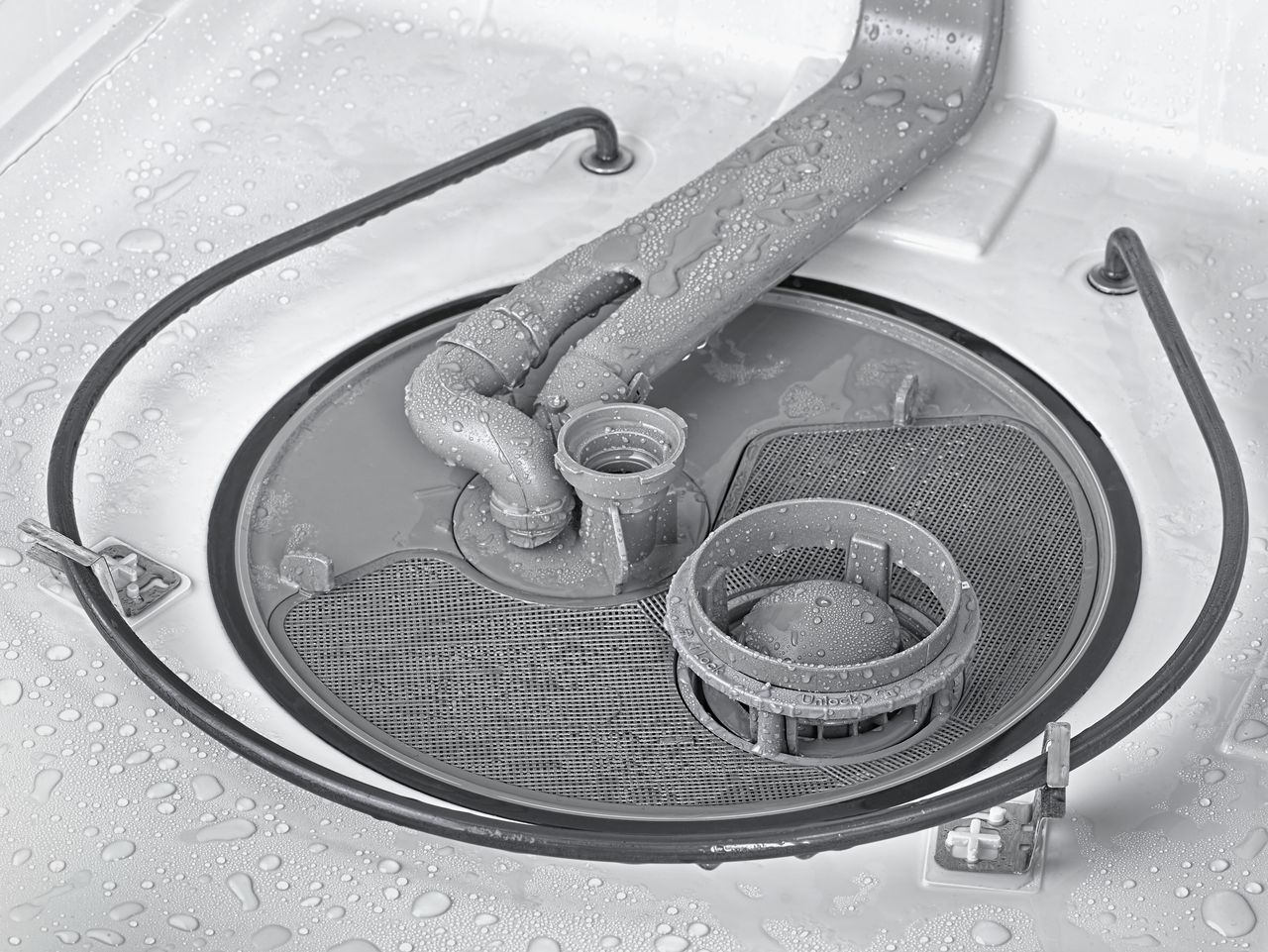
Before starting, let’s get clear on what the heating element does. In most dishwashers, you will see a thick metal tube at the bottom of the tub. This is the heating element. It gets hot during the wash and dry cycles, helping to heat water and dry dishes after washing.
There are two main ways the heating element works in dishwashers:
- Heating Wash Water: Raises the temperature of water to improve cleaning.
- Drying Dishes: Heats the air inside after washing, drying your dishes quicker.
Signs of a bad heating element include:
- Dishes are still wet after a full cycle.
- Water does not get hot during washing.
- Dishwasher shows an error code related to heat.
If you see these signs, replacing the heating element is likely needed.
Should You Replace The Heating Element Yourself?
Some people worry about working with electric appliances. While safety is important, changing a dishwasher heating element is not as risky as it seems if you follow the steps. You do not need special plumbing skills, but you must be comfortable with basic hand tools and reading instructions.
Benefits of DIY replacement:
- Save money: Professional repairs can cost $150–$300, while the part itself is often $20–$50.
- Quick fix: You can finish the job in about 1–2 hours.
- Learn new skills: Gain confidence with home repairs.
However, if your dishwasher is still under warranty, check before opening it. You could void the warranty.
Credit: www.searspartsdirect.com
Tools And Materials Needed
Gather all tools and parts before starting. This prevents delays or safety risks during the process.
You will need:
- New heating element (model-specific)
- Screwdriver (Phillips and flathead)
- Adjustable wrench or socket set
- Needle-nose pliers
- Nut driver (usually 1/4” or 5/16”)
- Towel or sponge (for small water leaks)
- Work gloves
- Multimeter (for testing continuity)
- Bucket (to catch any water)
- Dishwasher manual (helpful for model-specific steps)
Pro tip: Always buy the right heating element for your model. Check the brand, model number (inside the dishwasher door), and compare the old and new parts before starting.
Step-by-step Guide To Replacing The Heating Element
Let’s break down the process into easy steps. Take your time, and do not skip safety checks.
1. Turn Off Power And Water
Safety first. Unplug your dishwasher from the wall or switch off the circuit breaker. Dishwashers use 120V or 240V power, which can be dangerous. Also, turn off the water supply valve, usually found under the sink.
Extra tip: After cutting the power, try turning on the dishwasher to confirm it does not start.
2. Remove The Bottom Rack And Access The Heating Element
Open the dishwasher door and slide out the lower rack completely. This gives you space to work.
You will see the heating element—a thick metal rod—looping around the bottom. Take a photo for reference before removing it. This helps you remember the correct position later.
3. Disconnect The Dishwasher (if Needed)
In many cases, you must pull the dishwasher out from under the counter to reach the heating element connections at the back.
- Remove screws securing the dishwasher to the countertop.
- Carefully slide the dishwasher out, just enough to access the rear or bottom panel.
- If your water and power connections are short, have someone help move the dishwasher.
4. Locate And Disconnect Heating Element Wires
Look under the dishwasher, where the heating element passes through the tub. There are usually two terminals with wires connected by slip-on connectors.
- Take another photo for wiring reference.
- Use needle-nose pliers to gently pull off the connectors.
- If the connectors are tight, wiggle them carefully. Do not pull the wires themselves.
Tip: Some models may have nuts holding the terminals. Use a nut driver to remove them.
5. Remove The Old Heating Element
Go back inside the dishwasher. Unscrew or unclip any fasteners holding the heating element in place. In most models, you can simply lift the element, guiding the ends through the holes at the bottom.
- If the element is stuck, gently twist it.
- Check for rubber gaskets or seals—save these if they are in good shape.
Caution: Some water may drip out—use a towel or bucket.
6. Compare Old And New Heating Elements
Before installing, lay the old and new elements side by side.
- Check the shape and length.
- Ensure the terminals are identical.
- If the new element includes new gaskets or nuts, use them.
Insight: Some generic elements fit several models but may need small bends for a perfect fit. Do not force them.
7. Install The New Heating Element
Guide the new element’s terminals through the holes at the bottom of the tub. Make sure it sits flat and matches your reference photo.
- If your model uses clips or brackets, attach them now.
- Reinstall any screws or fasteners.
- Go under the dishwasher and reconnect the wires to the correct terminals.
Mistake to avoid: Do not overtighten nuts or clips—this can crack the tub.
8. Reconnect Water And Power
If you moved the dishwasher, carefully slide it back into place.
- Reattach the mounting screws to the countertop.
- Turn the water valve back on.
- Plug in the dishwasher or switch on the circuit breaker.
9. Test The New Heating Element
Run a short wash cycle to check for leaks and proper heating.
- Open the door halfway through the cycle: Is the water hot?
- At the end, are dishes warmer and drier?
If everything works, you have completed the repair.

Credit: www.youtube.com
Common Problems During Replacement
Even with care, some issues can pop up. Here are practical solutions:
Problem 1: Dishwasher leaks after replacement
- Check if the element is seated properly.
- Tighten the nuts gently.
- Replace rubber gaskets if old ones look cracked.
Problem 2: Dishwasher does not heat up
- Use a multimeter to check element continuity.
- Double-check wire connections.
Problem 3: Error codes appear
- Reset the dishwasher by unplugging for 5 minutes.
- Consult your manual for code meaning.
Problem 4: Element does not fit
- Compare the part numbers.
- Sometimes, you must bend the element gently—never force it.
Problem 5: Water remains at the bottom
- Check for blockages in the filter, not just the heating element.
How To Test A Dishwasher Heating Element
If you are unsure whether the element is bad, use a multimeter:
- Disconnect the element’s wires.
- Set multimeter to the lowest Ohms (Ω) setting.
- Touch both probes to the terminals.
- A good element reads 10–50 ohms. Infinite or zero means it’s faulty.
This step is crucial if your dishwasher’s heating is inconsistent.
Types Of Dishwasher Heating Elements
Not all dishwashers use the same element. Understanding your model helps with ordering and installation.
| Type | Appearance | Common Brands | Special Notes |
|---|---|---|---|
| Exposed Coil | Visible metal rod at tub base | Whirlpool, GE, Kenmore | Easy to replace, common in older models |
| Hidden Element | Under a metal plate or hidden | Bosch, KitchenAid | Quieter, harder to access, may need more disassembly |
| Dual Purpose | Heats water and air | Samsung, LG | Extra wiring, check manual for special steps |
Always check your manual or look up your dishwasher’s model number online for the correct type.
Safety Tips For Replacing Heating Elements
Working with electricity and water always needs caution.
- Always cut power and water before you start.
- Wear gloves to protect your hands from sharp edges.
- Do not use power tools near water.
- If you see burnt wires, call a professional.
- Double-check connections before turning on power.
Important: If you feel unsure at any step, it is better to pause and get help.
Cost Comparison: Diy Vs Professional Repair
Many people wonder if they are really saving money by doing it themselves. Here’s a quick comparison:
| Repair Option | Average Cost | Time Required | Pros | Cons |
|---|---|---|---|---|
| DIY Replacement | $25–$60 (part only) | 1–2 hours | Low cost, learn new skill | Some risk, warranty issues |
| Professional Repair | $150–$300 (parts & labor) | 1–3 days (booking time) | Less stress, guaranteed work | Expensive, waiting time |
| Buy New Dishwasher | $400–$1,000+ | 2–4 hours (install) | Latest features, new warranty | High cost, not always needed |
DIY is the best choice for dishwashers less than 8–10 years old and in otherwise good condition.
Mistakes To Avoid When Replacing The Heating Element
Even experienced DIYers can make errors. Here are common mistakes and how to avoid them:
- Not cutting the power: Always turn off electricity at the breaker.
- Using the wrong part: Double-check part numbers and shapes before installing.
- Forgetting to check for leaks: Run a test cycle before pushing the dishwasher back in place.
- Rushing the job: Take your time, especially when disconnecting wires.
- Overtightening nuts: This can crack the tub and cause leaks.
Hidden insight: Some heating elements come with high-temperature limit switches. If your dishwasher has one, check if you need to transfer it from the old part to the new.
How To Find The Right Replacement Heating Element
Buying the right part is critical. Here’s how to make sure you get the correct one:
- Find your dishwasher’s model number: Usually on a sticker inside the door.
- Search online or visit a local appliance parts store.
- Compare the old part with the new one in store or with product photos.
- Read reviews for compatibility issues.
Extra tip: Many manufacturers offer “exploded view” diagrams on their websites. These show every part and help with identification.
When Should You Call A Professional?
While replacing a heating element is usually straightforward, there are times when calling an expert is smarter:
- The dishwasher is leaking heavily or has electrical burning smells.
- The wiring looks damaged or melted.
- The heating element is corroded and stuck.
- Your home electrical system is old or unreliable.
- You feel uncomfortable with any part of the process.
There’s no shame in asking for help—especially with electricity and water involved.
How To Make Your Dishwasher Heating Element Last Longer
Once you have replaced the heating element, a few habits can help it last longer:
- Run hot water at the sink before starting the dishwasher. This reduces heating time.
- Clean the filter every month to prevent debris from burning on the element.
- Use dishwasher-safe detergents only.
- Avoid overloading the dishwasher, which can cause uneven heating.
- Descale the dishwasher with vinegar every few months, especially in hard water areas.
Non-obvious insight: If your water heater is set too low (under 120°F/49°C), the element works harder and wears out faster.
Environmental Impact Of Replacing Vs Repairing
Many people do not think about the environmental benefit of repairing instead of replacing. By fixing your dishwasher, you prevent an appliance from going to a landfill and reduce the need for new parts and manufacturing.
Heating elements are small and recyclable. If you remove the old part, take it to a metal recycling center if possible.
What To Do With The Old Heating Element
Once you have removed the old heating element, don’t just throw it in the trash.
- Recycle: Most scrap metal facilities accept heating elements.
- Dispose safely: If recycling is not possible, wrap the ends to prevent injury and put with household waste.
- Never burn or try to cut the element—it can release toxic materials.
How Often Do Dishwasher Heating Elements Fail?
Heating elements are designed to last many years. On average, they last 7–12 years depending on dishwasher use and water quality.
Factors that shorten lifespan:
- Hard water (mineral buildup)
- Frequent heavy cycles
- Poor maintenance
Pro insight: If the element fails within a few years, check your water quality or cleaning habits.
Comparing Different Brands’ Heating Elements
Not all dishwashers use the same quality heating elements. Here’s a quick comparison:
| Brand | Average Lifespan | Replacement Difficulty | Average Cost |
|---|---|---|---|
| Whirlpool | 8–12 years | Easy | $25–$50 |
| Bosch | 10–15 years | Medium–Hard | $35–$70 |
| GE | 7–12 years | Easy | $20–$45 |
| Samsung | 7–10 years | Medium | $35–$60 |
If you are choosing a new dishwasher, consider both the cost of parts and ease of repair.
How To Tell If Your Dishwasher Has Other Problems
Sometimes, heating issues are not just about the element. Other parts can cause similar symptoms:
- Thermostat failure: The dishwasher may not get a signal to heat.
- Control board issues: The cycle may skip heating steps.
- Wiring faults: Broken wires stop current from reaching the element.
If a new element does not fix the problem, these are the next things to check.
Resources For Extra Help
If you get stuck, there are resources available:
- YouTube: Many repair channels show step-by-step replacements for different brands.
- Manufacturer websites: Offer diagrams and FAQs.
- Online forums: Other DIYers can answer questions.
- Official manuals: Download from the brand’s site by model number.
- Professional repair services: For complex problems.
A helpful external resource for diagrams and part lookup is the Sears PartsDirect website.
Frequently Asked Questions
How Long Does It Take To Replace A Dishwasher Heating Element?
Most people can finish the job in 1 to 2 hours. If it’s your first time, plan for extra time to check the manual and move the dishwasher carefully.
Can I Use My Dishwasher If The Heating Element Is Broken?
Yes, but dishes may not be clean or dry. Cold water does not remove grease well, and you risk bacteria if water does not get hot enough.
Is It Dangerous To Replace A Heating Element Myself?
If you disconnect power and water first and follow instructions, it is safe for most people. If you see damaged wires or feel unsure, call a professional.
Do All Dishwashers Have A Heating Element?
Most do, but some modern European models use a heat pump instead. Always check your manual or look for the metal rod at the tub’s base.
What Should I Do If The New Heating Element Does Not Work?
First, check wire connections and test the element with a multimeter. If it still does not work, the problem could be the thermostat, control board, or wiring.
Replacing a heating element is a practical, cost-saving repair that extends the life of your dishwasher. Take your time, follow each step, and you’ll enjoy clean, dry dishes for years to come.
Credit: twincitiesappliance.com