
Seasoning wooden utensils is one of those kitchen rituals that often gets skipped or misunderstood. Many people just rinse their new wooden spoons or spatulas and start using them right away. But without seasoning, your utensils won’t last as long, and you might end up with cracks, stains, or even bad smells in your favorite tools.
If you want your wooden utensils to stay smooth, strong, and even look better over time, learning how to season them is essential.
You might think it’s complicated, but seasoning wooden utensils is actually simple. Anyone can do it at home, and it only takes a little time and the right oil. In this guide, you’ll discover why seasoning matters, how to choose the right oil, step-by-step instructions, and tips from kitchen pros.
We’ll also clear up myths, answer common questions, and help you avoid mistakes that can ruin your wooden tools.
Let’s dive in so you can keep your wooden utensils looking beautiful and working perfectly for years.
Why Season Wooden Utensils?
Wooden utensils have a natural beauty and warmth that metal or plastic tools can’t match. But raw wood is porous. That means it can soak up water, food stains, and even bacteria if not cared for properly.
Seasoning—sometimes called conditioning—is the process of treating wood with oil or wax. This creates a protective barrier. Here’s why it matters:
- Prevents cracking and splitting: Dry wood is more likely to crack, especially after washing and drying.
- Repels water and stains: Seasoning fills tiny pores, so liquids and food colors don’t soak in.
- Reduces odors: Oily protection keeps strong smells from sticking.
- Extends utensil life: Well-cared-for tools can last for decades.
- Improves appearance: Oiled wood looks richer and feels smoother.
Many people don’t realize that seasoning isn’t just for new utensils. Regular maintenance keeps old favorites in top shape.
Understanding The Wood: What You’re Working With
Not all wooden utensils are the same. Different woods have unique properties that affect how often you should season and which oils work best.
Common Woods Used
- Beech: Light, strong, and affordable. Needs regular oiling.
- Maple: Durable and less porous. Stays smooth with less work.
- Olive wood: Dense and naturally oily, but still benefits from seasoning.
- Bamboo: Technically a grass. Harder and less absorbent, but still needs oiling.
- Teak: Contains natural oils, so seasoning is less frequent.
Denser woods like maple and teak need less frequent oiling. Softer woods or cheaper utensils may need extra care.
How To Tell If Your Utensil Needs Seasoning
- Dry look: If the wood looks pale or chalky, it’s thirsty.
- Rough texture: Sandpaper feeling means it’s drying out.
- Soaks up water: Water doesn’t bead on the surface after washing.
If you see any of these signs, it’s time to season.
Choosing The Right Oil
The oil you use is the most important part of seasoning. Not all oils are safe or effective.
Safe Oils For Seasoning
- Food-grade mineral oil: The most popular choice. It’s tasteless, odorless, and doesn’t go rancid.
- Fractionated coconut oil: Stays liquid at room temperature and doesn’t spoil. Avoid regular coconut oil, which can go rancid.
- Walnut oil: Penetrates wood well, but avoid if you have nut allergies.
- Pure linseed oil (food safe): From flaxseed, but be careful—some linseed oil is for hardware, not food.
Oils To Avoid
- Vegetable oils (canola, olive, sunflower): These can go rancid and make your utensils smell bad.
- Butter or animal fats: Go rancid quickly and attract bacteria.
- Non-food-safe oils or finishes: Can be toxic.
The best overall choice for most people is food-grade mineral oil. It’s widely available and inexpensive.
Commercial Wood Conditioners
You’ll also find products labeled as “wood butter” or “wood conditioner.” These often combine mineral oil with beeswax for extra protection. They’re a great option for extra shine and waterproofing.
What You Need To Season Wooden Utensils
Before you begin, gather these supplies:
- Clean, dry wooden utensils
- Food-grade mineral oil (or your preferred oil)
- Lint-free cloth or paper towels
- A soft brush (optional, for waxes)
- Mild dish soap (for pre-cleaning)
- Fine sandpaper (optional, for rough utensils)
- Beeswax (optional, for extra sealing)
Step-by-step: How To Season Wooden Utensils
Seasoning doesn’t need fancy tools. Here’s how to do it right.
1. Wash And Dry Thoroughly
Wash your utensils with mild soap and warm water. Scrub off any food debris. Never soak wooden utensils for long—this can cause swelling and warping. Rinse well.
Dry with a towel, then let them air dry fully. Oil and water don’t mix, so wood must be completely dry before you start.
2. (optional) Smooth The Surface
If your utensil feels rough, gently sand with fine-grit sandpaper (220 grit is good). Always sand in the direction of the grain. Wipe off any dust with a dry cloth.
3. Apply The Oil
Pour a small amount of oil onto a clean, lint-free cloth. Rub the oil generously over the entire utensil—front, back, handle, edges. Make sure oil gets into all crevices.
For spatulas or spoons, don’t forget the bowl and the back.
4. Let The Oil Soak In
Lay the utensil on a sheet of parchment or a dry towel. Let it rest for at least 20-30 minutes. For very dry wood, leave it overnight.
The wood will absorb as much oil as it needs.
5. Wipe Off Excess Oil
Buff the utensil with a clean, dry cloth. Remove any oil sitting on the surface. The wood should feel smooth, not greasy.
6. Repeat If Needed
For brand new or very dry utensils, repeat steps 3-5 up to three times. This builds up a good protective layer.
7. (optional) Add A Wax Finish
For extra water resistance and shine, rub a small amount of melted beeswax (mixed with mineral oil) onto the utensil. Let it cool and buff well. This step isn’t required but adds an extra layer of protection.
How Often Should You Season Wooden Utensils?
There’s no strict rule. How often depends on:
- Type of wood
- How often you use and wash the utensil
- Kitchen humidity and climate
A good rule: Season once a month or whenever the wood looks dry. If you use the utensil daily and wash it often, you may need to oil it every two weeks. Some pros check their wooden tools weekly.
Bamboo and teak need less frequent oiling, but still benefit from occasional treatment.

Credit: www.amazon.com
Common Mistakes To Avoid
People often make simple mistakes when caring for wooden utensils. Here’s what to watch out for:
- Using the wrong oil: Vegetable or olive oil can go rancid, creating bad smells.
- Skipping drying: Applying oil to damp wood traps moisture and leads to mold.
- Soaking utensils: Long soaks can cause swelling, cracking, or splitting.
- Forgetting the entire surface: Missed spots leave areas unprotected.
- Not wiping off excess oil: Leaves a sticky, dirt-attracting surface.
- Using harsh soaps or dishwasher: These strip the wood of its natural oils.
- Ignoring signs of dryness: Waiting until cracks appear can shorten the utensil’s life.
Avoiding these mistakes makes seasoning more effective and your utensils last longer.
What Happens If You Don’t Season?
Unseasoned wooden utensils are more likely to:
- Crack or split, especially at the ends or bowl of spoons
- Absorb food colors and strong smells (like onion or garlic)
- Develop rough, splintery surfaces
- Grow mold or bacteria in deep pores
- Warp or change shape after repeated washing
Many cooks regret skipping seasoning when their favorite spoon suddenly splits or starts to smell. Regular seasoning is a simple way to avoid these problems.
How Seasoning Affects Cooking
Seasoned utensils don’t just look better—they perform better too.
- Less sticking: Oiled surfaces are smoother, so food is less likely to stick.
- No flavor transfer: Protection keeps last night’s curry from flavoring your oatmeal.
- Gentler on cookware: Smooth, well-oiled wood is less likely to scratch nonstick or delicate surfaces.
- Easier to clean: Food and sauces don’t soak in, so cleaning takes less effort.
A well-seasoned wooden spoon will last for years, even decades. Some chefs use the same spoon for twenty years or more.
Data: Comparing Oiling Methods And Results
Here’s a practical comparison of common oils used for seasoning and their effects.
| Oil Type | Rancidity Risk | Penetration | Food Safety | Cost |
|---|---|---|---|---|
| Mineral Oil | None | Excellent | High | Low |
| Fractionated Coconut Oil | Very Low | Good | High | Moderate |
| Walnut Oil | Low | Excellent | High (unless allergic) | Higher |
| Olive Oil | High | Moderate | High | Low |
| Vegetable Oil | High | Poor | High | Low |
As you can see, mineral oil offers the best balance of safety, effectiveness, and cost.
Seasoning Old Versus New Wooden Utensils
Brand New Utensils
New utensils often come dry from the factory. Season these before first use:
- Oil 2-3 times, letting each layer soak in.
- If the wood feels rough, a quick sanding smooths it.
Old, Dry, Or Damaged Utensils
Older utensils can be brought back to life:
- Sand to remove stains or roughness.
- Wash thoroughly and dry completely.
- Oil several times, letting each soak overnight if possible.
Badly stained or dark utensils may not return to “like new,” but will feel smoother and last longer.
Deep Cleaning Before Seasoning
Sometimes utensils need more than just a quick wash before seasoning, especially if they’re sticky or stained.
To Deep Clean:
- Mix a paste of baking soda and water (or lemon juice for extra cleaning).
- Scrub with a soft cloth or brush.
- Rinse well and air dry completely.
Never use bleach or harsh chemicals—these damage the wood.
After deep cleaning, season as usual.

Credit: www.nytimes.com
Using Beeswax: Why And How
Beeswax isn’t required for seasoning, but it adds extra protection.
- Seals the surface, making it water-resistant
- Adds shine and a silky feel
How To Apply
- Melt 1 part beeswax with 4 parts mineral oil.
- When cool but still liquid, rub onto the utensil.
- Let sit for 20-30 minutes.
- Buff with a dry cloth.
Beeswax blends are especially good for utensils used with wet foods.
How Seasoning Wooden Utensils Compares To Other Kitchen Tools
You may wonder why only wooden utensils need seasoning. Here’s a comparison:
| Utensil Material | Needs Seasoning? | Why/Why Not |
|---|---|---|
| Wood | Yes | Porous; absorbs water and stains |
| Bamboo | Sometimes | Less porous but benefits from oiling |
| Plastic | No | Non-porous; doesn’t absorb |
| Metal | No | Non-porous; doesn’t need protection |
| Silicone | No | Doesn’t absorb liquids or odors |
Wood is unique in its need for regular oiling. Other materials don’t absorb water or odors, so they don’t need seasoning.
Real-world Examples And Insights
Many chefs and home cooks swear by a well-seasoned wooden spoon or spatula. Some even pass down utensils as family heirlooms.
- Chef’s tip: “I season my wooden spoons every two weeks,” says one professional chef. “They last for years, and food never sticks.”
- Home baker’s experience: A home baker found that after regular oiling, her old, stained spatula not only looked better but also felt smoother and didn’t hold onto dough or batter.
Non-obvious insight: New utensils often develop small rough patches as the grain raises with first few washes. Sanding lightly and re-oiling solves this and makes the tool last longer.
Another tip: If a wooden utensil develops a persistent smell (like garlic or onion), rub it with lemon juice and salt, rinse, dry, and then season.
Environmental Impact Of Seasoning
Using wooden utensils and maintaining them by seasoning is also eco-friendly. Wooden utensils can last decades with care, reducing waste compared to plastic tools that end up in landfills. Choosing food-safe oils (often plant-based) and beeswax is better for your health and the planet.
Buying Pre-seasoned Utensils: Are They Worth It?
Some utensils are sold as “pre-seasoned. ” This means they’ve been oiled or waxed at the factory.
- Pros: Ready to use, less initial work
- Cons: You don’t know what oil or wax was used, and it may not be food-safe
Even if a utensil is labeled as pre-seasoned, it’s smart to wash and oil it yourself for peace of mind.
Caring For Wooden Utensils After Seasoning
Seasoning is just the start. Keep your utensils in top shape with these habits:
- Hand wash only—never put in the dishwasher
- Dry immediately after washing
- Store in a dry place, away from heat or sunlight
- Re-oil when the wood looks dry or pale
- Sand out stains or rough spots as needed
With care, your utensils will improve with age.
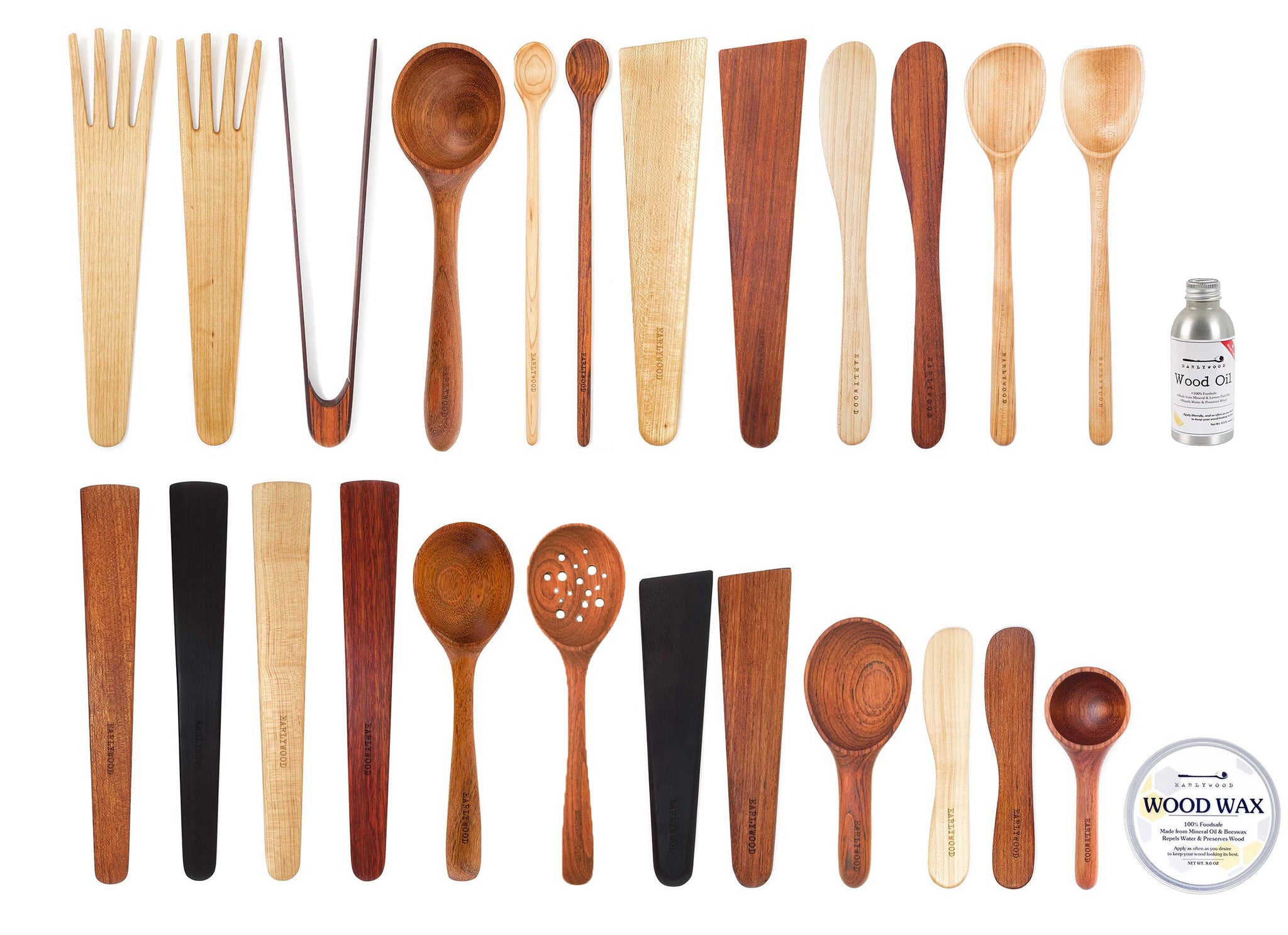
Credit: www.earlywooddesigns.com
Quick Reference: Seasoning Wooden Utensils
Here’s a summary for easy reference:
- Wash and dry utensils completely.
- Sand if rough.
- Rub with food-grade mineral oil.
- Let soak 20-30 minutes (or overnight if very dry).
- Wipe off excess oil.
- Repeat if needed.
- (Optional) Finish with beeswax blend.
Where To Buy Seasoning Oils And Conditioners
Most kitchen stores, big box retailers, and online shops carry food-grade mineral oil and wood conditioners. Look for products labeled “food-safe. ” Avoid anything labeled for “hardware” or “industrial” use.
For more information on food-safe oils, check the Wikipedia page on mineral oil.
Frequently Asked Questions
How Do I Know When My Wooden Utensil Needs To Be Seasoned?
If the wood looks dry, pale, or feels rough, it’s time to season. Water should bead on the surface after washing. If it soaks in, the wood needs oil.
Can I Use Olive Oil Or Coconut Oil For Seasoning?
It’s best to avoid olive oil or regular coconut oil, as these can go rancid and create bad smells. Use food-grade mineral oil or fractionated coconut oil, which stays fresh.
Is Beeswax Necessary For Seasoning Wooden Utensils?
Beeswax is optional but adds extra water resistance and shine. Mineral oil alone is enough for most utensils, but a wax finish is a nice upgrade.
How Do I Remove Stains Or Smells From Wooden Utensils?
Scrub with a paste of baking soda and water, or rub with lemon juice and salt. Rinse and dry completely, then re-season. Persistent smells may need a few treatments.
Can I Season My Utensils Less Often If I Don’t Use Them Much?
Yes. If you use your utensils rarely, oil them every few months or when they look dry. More frequent seasoning is needed for daily-use tools.
Seasoning wooden utensils is a simple act that pays off every time you cook. With the right oil and regular care, your favorite wooden tools will stay beautiful, safe, and a joy to use for years to come.