
Splitting your home into separate heating zones can transform how you experience comfort, save money on energy bills, and even increase your property’s value. Many people find that some rooms are always too hot, others too cold, and the thermostat seems to never get it right. With more than one zone, you control the heat where you want it, when you want it. But how do you actually split heating zones? And is it worth the effort and cost? This guide will walk you through everything you need to know, from the basics to advanced options, so you can make smart decisions for your home.
What Is A Heating Zone?
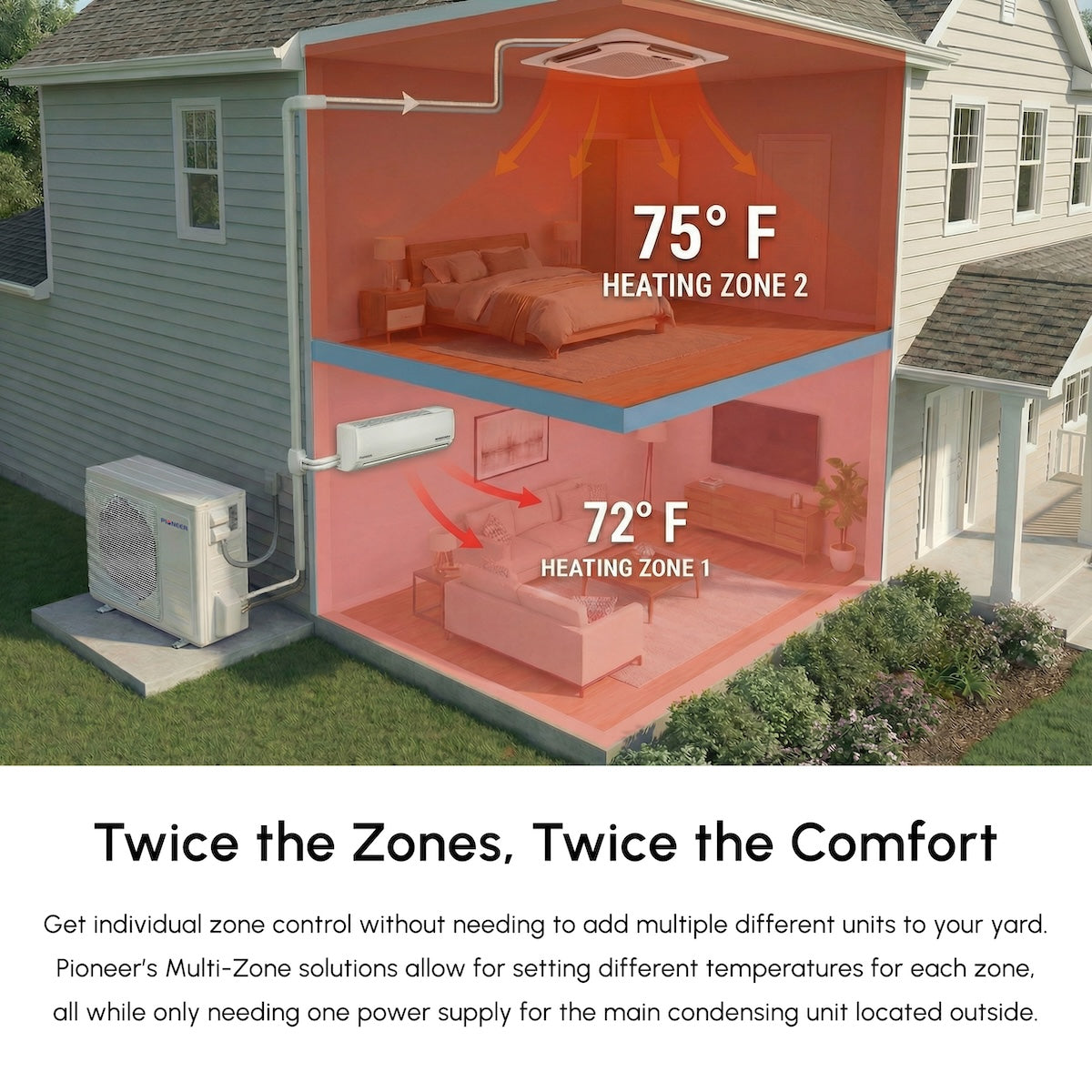
A heating zone is an area of your house with its own thermostat and control. Instead of having one temperature for the whole house, you can set different temperatures for each zone. For example, you might want your living room warm in the evening but your bedrooms cooler until bedtime. When you split heating zones, you create a more personalized comfort and save energy by not heating empty spaces.
Why Split Heating Zones?
Most homes use a single thermostat to control the whole heating system. This “one size fits all” approach rarely works well. Here are the main reasons people split heating zones:
- Energy savings: Only heat the rooms you use. This can reduce energy bills by 20–30% according to the U.S. Department of Energy.
- Comfort: Different rooms can have different temperatures based on need and use.
- Solving hot/cold spots: Old homes or homes with big windows often have areas that are always the wrong temperature.
- Personal preference: People in the same house often want different temperatures.
Can Your Home Be Zoned?
Before you start, it’s important to know if your heating system can be zoned. Most modern forced air and hydronic (hot water) systems can be zoned, but not all. Here’s what matters:
- Forced air systems (ductwork and vents): Easy to zone with special dampers and controls.
- Hydronic systems (radiators or baseboard heat): Zoning is possible with special pumps or valves.
- Electric baseboard heaters: Each unit is already a “zone” with its own thermostat.
- Radiant floor heating: Can be zoned, but may require more complex plumbing.
Always check your system’s type and age before planning.
Planning Your Heating Zones
Splitting heating zones is not just about installing hardware—it’s about smart planning. Here’s how to start:
- Analyze your home: Which rooms get used at the same time? Where are hot/cold spots?
- Think about schedules: Bedrooms and living rooms may need different schedules.
- Consider insulation: Poor insulation can make zoning less effective.
- Budget: More zones mean higher installation costs, but also bigger savings.
Many homeowners choose 2 to 4 zones for the best balance.
Credit: www.pioneerminisplit.com
Methods To Split Heating Zones
There are several ways to split heating zones, depending on your heating system and budget. The main methods are:
1. Zone Dampers In Forced Air Systems
If your home uses ductwork for heating (usually with a furnace), you can split zones by installing zone dampers inside the ducts. Dampers are like valves that open or close to let warm air into certain parts of the house.
How it works:
- Each zone gets a thermostat.
- When a zone needs heat, the damper opens, and the furnace sends air only to that zone.
- A zone control panel links the thermostats to the dampers and furnace.
Pros:
- Works well with existing forced air systems.
- Can add 2 or more zones.
Cons:
- Ductwork must be accessible.
- Installation can be tricky in finished homes.
2. Multiple Thermostats With Hydronic (water-based) Systems
Hydronic systems use hot water to heat your home through radiators or baseboards. Zoning here is done with zone valves or circulator pumps.
How it works:
- Each zone has its own thermostat.
- When heat is needed, a valve opens (or a pump turns on) to send hot water only to that zone.
- The boiler fires up as needed.
Pros:
- Very precise control.
- Great for homes with radiant heat.
Cons:
- Plumbing work can be complicated.
- More expensive than duct dampers.
3. Smart Thermostats And Controls
Smart thermostats can control multiple zones and even “learn” your schedule. Some systems use wireless sensors to create “virtual” zones, even if your home’s ducts or pipes can’t be easily split.
How it works:
- Place wireless sensors in different rooms.
- The smart thermostat adjusts temperature based on where you are.
- Some systems work with existing single-zone setups.
Pros:
- Minimal installation.
- Lower cost than full zoning.
Cons:
- Not true zoning (if air or water cannot be physically directed).
- Works best in smaller homes.
4. Ductless Mini-split Systems
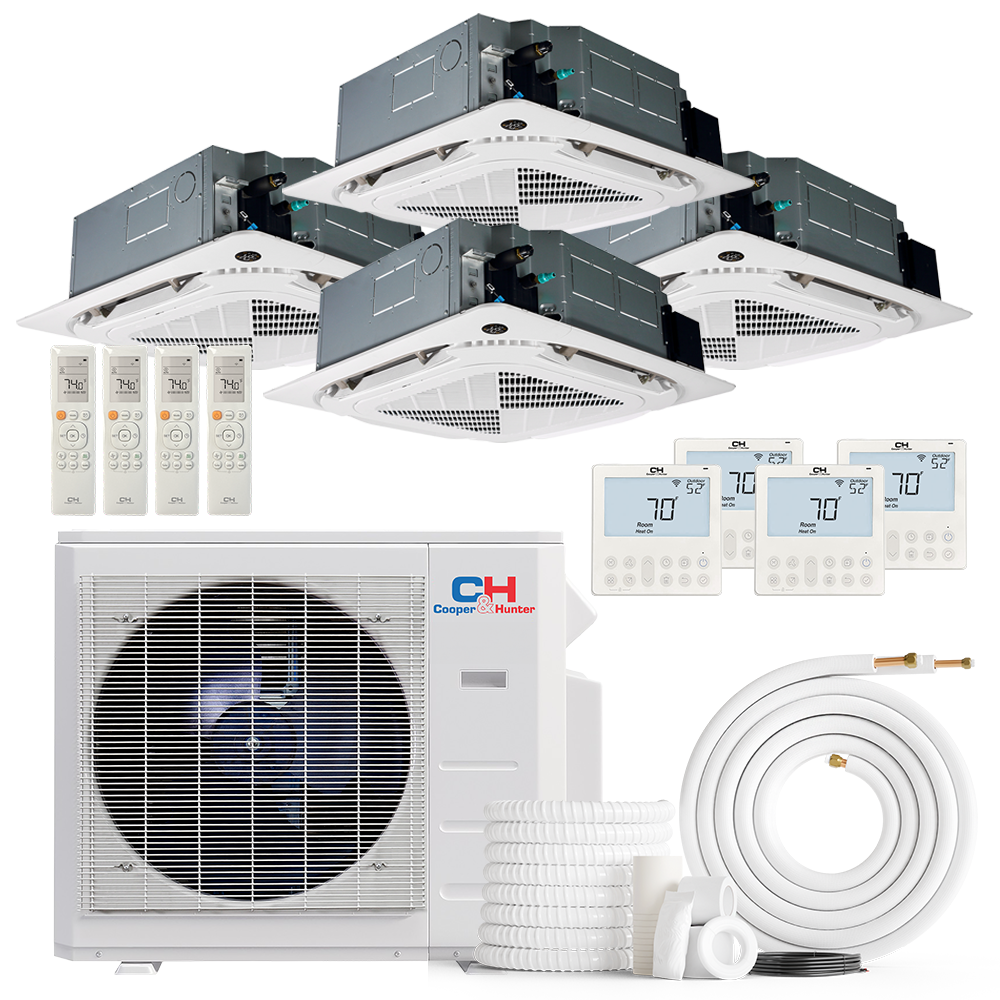
A mini-split is a type of heat pump with indoor units for each room or zone. Each unit has its own remote control or thermostat.
How it works:
- Outdoor compressor connects to 1–8 indoor units.
- Each unit heats (or cools) its own space.
Pros:
- No ductwork needed.
- Very flexible for additions or old homes.
Cons:
- Higher upfront cost per unit.
- May look less “built-in” than central systems.
5. Electric Baseboard And Room Heaters
If you use electric heat, each baseboard or wall heater usually has its own thermostat. This is already a zoned system.
Tip: Upgrade to programmable thermostats for even more control.
How Many Zones Should You Have?
Too many zones can make your system complicated and expensive; too few zones miss the benefits. Most homes do best with:
- 2 zones: Living areas and sleeping areas.
- 3 zones: Living, sleeping, and basement/bonus rooms.
- 4+ zones: Larger homes, multi-level homes, or special cases.
Think about how you use each space. For example, a guest room that is rarely used may be a separate zone.
Step-by-step: How To Split Heating Zones In A Forced Air System
Let’s walk through a typical process for splitting heating zones in a home with forced air:
- Consult an HVAC professional. Zoning requires system design and sometimes permits.
- Decide on zones. Usually, you’ll split by floor or area (e.g., upstairs/downstairs).
- Install zone dampers. These go inside the main ducts leading to each zone.
- Install thermostats. One for each zone, placed in a central location for that area.
- Wire in a zone control panel. This connects the thermostats, dampers, and furnace.
- Test the system. Make sure each zone works independently and the furnace operates safely.
- Fine-tune thermostat settings. Adjust for comfort and efficiency.
A good HVAC contractor will balance the airflow and may add bypass dampers to prevent pressure problems.
Step-by-step: How To Split Heating Zones In A Hydronic System
If you have hot water heat (radiators or baseboards), here’s the zoning process:
- Consult a licensed plumber or HVAC tech.
- Plan the zones. Each zone will need its own piping loop.
- Install zone valves or pumps. These are placed on the supply pipes for each zone.
- Install thermostats. Each thermostat controls its valve or pump.
- Connect the control panel. This coordinates the boiler and valves.
- Bleed and test the system. Remove air from pipes and check for leaks.
- Adjust settings for each zone.
Hydronic zoning is often added during renovations or when replacing a boiler.
Credit: southminisplits.com
Comparing Zoning Methods
Choosing the right method depends on your home’s system, layout, and budget. Here’s a side-by-side look:
| Method | Best For | Difficulty | Cost | Flexibility |
|---|---|---|---|---|
| Zone Dampers (Forced Air) | Homes with ducts | Medium | $$ | High |
| Zone Valves/Pumps (Hydronic) | Homes with hot water heat | High | $$$ | High |
| Smart Thermostats | Any home | Low | $ | Medium |
| Mini-Splits | No ducts, additions | Low | $$$ | Very High |
Key Equipment Needed
When splitting heating zones, you’ll need several main parts:
- Thermostats: One for each zone.
- Zone dampers or valves: Control the flow of air or water.
- Zone control panel: Coordinates signals.
- Wiring: To connect thermostats and controls.
- Sensors (for smart systems): Measure room temperature.
Most people hire a qualified HVAC professional for installation. DIY is possible for some smart thermostats but not for duct or pipe work.
Costs And Savings
Cost is a big concern when splitting heating zones. Prices depend on your system and how many zones you want.
Average installation costs:
- Forced air dampers: $2,000–$4,000 for 2–3 zones.
- Hydronic valves/pumps: $2,500–$5,000 for 2–3 zones.
- Smart thermostat with sensors: $250–$800 per zone.
- Mini-split system: $3,000–$5,000 per zone.
But the energy savings can be big. The U.S. Department of Energy reports that heating and cooling use nearly half of home energy. Zoning can cut these costs by 20–30% in most cases.
Common Mistakes To Avoid
Many homeowners make errors when splitting heating zones. Here are a few to watch for:
- Too many zones: More zones mean more cost and complexity. Most homes need only 2–4.
- Poor placement of thermostats: A thermostat near a drafty window or in sunlight will give false readings.
- Ignoring insulation: Zoning can’t fix a home with poor insulation or air leaks.
- DIY duct or plumbing work: Mistakes can damage your system or cause safety issues.
- Not balancing airflow: In forced air systems, unbalanced air can make some rooms noisy or uncomfortable.
Advanced Zoning: Smart Systems And Home Automation
Smart home technology is making zoning even better. Modern systems can:
- Learn your schedule and adjust temperatures automatically.
- Use occupancy sensors to heat only rooms being used.
- Control zones from your phone, even when away.
- Integrate with other home systems (lights, security, etc. ).
Some smart thermostats use geofencing (detecting your phone’s location) to pre-heat zones as you arrive home.
Real-life Example: Zoning In A Two-story Home
Let’s say you have a two-story house and find the upstairs is always too warm. By splitting your home into two zones:
- Zone 1: Downstairs (living room, kitchen, dining)
- Zone 2: Upstairs (bedrooms, bathrooms)
You can set the upstairs cooler during the day and warmer at night. Your furnace only heats the zones you need, so you save energy and stay more comfortable.
Is Zoning Worth It?
For most homes, the answer is yes—especially if you have uneven temperatures or want to save on energy bills. Zoning pays off fastest in:
- Large homes
- Multi-story homes
- Homes with additions or finished basements
- Families with different comfort needs
But for small apartments or well-insulated, open-plan houses, it may not save as much.
How To Maintain Zoned Systems
Maintenance is vital for reliable performance. Here’s what to do:
- Check dampers or valves yearly. Make sure they open/close smoothly.
- Test thermostats. Replace batteries if needed.
- Clean ducts or radiators. Dust can block airflow or heat transfer.
- Schedule annual HVAC service. A pro will check all controls and safety features.
Ignoring maintenance can cause zones to work incorrectly and waste energy.
Table: When To Choose Each Zoning Method
To help decide, here’s a simple guide:
| Home Type | Best Zoning Method | Why Choose It? |
|---|---|---|
| Modern forced-air | Zone dampers | Easy ductwork access |
| Older hydronic/radiator | Zone valves/pumps | Precise water flow control |
| No existing ducts | Mini-split system | Flexible, add anywhere |
| Small apartment | Smart thermostat | Affordable, minimal install |
Non-obvious Insights For Beginners
- Zoning doesn’t solve insulation problems. If your home loses heat through walls, windows, or the attic, zoning won’t save much money. Always seal and insulate before investing in a new zoning system.
- Thermostat location changes everything. Where you put your thermostat can make a zone work perfectly—or not at all. Never place it near windows, vents, or direct sunlight. Instead, choose a spot with average temperature and airflow.
- Bypass dampers may be needed. When closing off zones in a forced air system, air pressure can build up in ducts, possibly damaging your system. A bypass damper relieves this pressure, but must be installed and adjusted carefully.
- Manual dampers are not zoning. Some homes have levers on ducts to adjust airflow. While these help a little, true zoning uses automatic dampers connected to thermostats.
- Zoning can help allergies. By closing off unused rooms, you can reduce dust, pet dander, and allergens from circulating.
Environmental And Health Benefits
Splitting heating zones doesn’t just save money—it also benefits the planet and your health:
- Lower energy use means fewer carbon emissions.
- Better air quality because you don’t overheat unused rooms.
- Reduced noise since your system runs less often.
If you care about sustainability, zoning is a smart upgrade.
When To Hire A Professional
While smart thermostats and sensors are DIY-friendly, most zoning projects need a professional. Here’s when to call one:
- Cutting or modifying ducts.
- Adding zone valves or new pipes.
- Wiring control panels.
- Troubleshooting pressure or airflow problems.
A skilled HVAC contractor will design, install, and balance your system for maximum comfort and safety.

Credit: www.amazon.com
Frequently Asked Questions
How Much Does It Cost To Split Heating Zones?
The price depends on your system and home size. For most homes, expect $2,000–$5,000 for a professional installation with 2–3 zones. Smart thermostats are cheaper, while mini-split systems cost more per zone. Always get multiple quotes.
Can I Split Heating Zones Myself?
You can install smart thermostats or sensors yourself, but installing dampers, valves, or new pipes should be left to professionals. DIY mistakes can lead to leaks, safety issues, or damage to your system.
Will Zoning Really Lower My Energy Bills?
Yes, if you use it wisely. By only heating the rooms you use, you can cut heating costs by 20–30%. However, if you keep all zones at the same temperature all the time, you won’t save much.
Does Splitting Zones Work For Cooling Too?
Yes! Most zoning methods (dampers, mini-splits, smart thermostats) work for both heating and cooling. This means you can save money and stay comfortable all year.
Where Can I Find More Technical Details About Zoning?
For deeper technical information, check out this U.S. Department of Energy guide on programmable thermostats and zoning.
Creating separate heating zones gives you more control, better comfort, and real savings. Whether you’re updating an old system or building a new home, zoning is a smart investment for your wallet and your well-being. With the right plan and equipment, you can enjoy a home that feels just right—no matter where you are.