
Storing baby carrots in the fridge may sound simple, but keeping them fresh, crisp, and safe to eat is an art many overlook. Carrots are one of the most popular vegetables worldwide because they are easy to snack on, full of vitamins, and can last a long time if stored properly.
Yet, people often find their baby carrots turning slimy, dry, or even sprouting mold faster than expected. If you’ve ever wondered how supermarkets keep baby carrots looking perfect, or why your own carrots sometimes spoil too soon, you’re in the right place.
This guide unlocks everything you need to know about how to store baby carrots in the fridge. You’ll discover not just the basic method, but also expert tips, the science behind carrot freshness, and small but crucial steps that make a big difference. Whether you buy them in bulk or in snack-size packs, understanding the right storage techniques can save you money, reduce food waste, and keep your snacks safe and tasty. Let’s explore all you need to know to keep your baby carrots in the best possible condition.
Why Proper Storage Matters For Baby Carrots
Many people think baby carrots are just tiny versions of regular carrots. But most baby carrots sold in stores are actually cut from larger carrots and processed to be snack-sized. This means their outer protective skin is often removed, making them more vulnerable to drying out or going bad. Improper storage can lead to:
- Texture changes: Carrots can become rubbery or slimy.
- Flavor loss: Poor storage causes carrots to taste bland or bitter.
- Food safety risks: Mold and bacteria grow quickly on wet carrots.
When you store baby carrots correctly, you keep them sweet, crunchy, and safe to eat. This is especially important if you pack them for lunches, use them in meal prep, or have young children who love healthy snacks. Storing carrots the right way can extend their shelf life by days, or even weeks.
Understanding The Enemies Of Fresh Carrots
Baby carrots may seem tough, but they have natural enemies in your fridge. Knowing these helps you avoid common mistakes.
Moisture
Too much moisture makes carrots slimy and encourages mold. But too little moisture causes them to dry out and become soft or even shriveled.
Air Exposure
Oxygen in the fridge can dry out carrots or speed up spoilage. Storing carrots in open bags or containers is a common mistake.
Temperature
Cold temperatures slow down bacteria and mold, but carrots can be damaged if frozen or kept too warm. The sweet spot is usually between 32°F and 40°F (0°C to 4°C).
Ethylene Gas
Some fruits like apples and bananas release ethylene, a gas that causes other foods to ripen and spoil faster. Carrots are sensitive to ethylene, so storing them near these fruits is a mistake.
Choosing The Right Storage Container
The container you use is more important than most people realize. It controls air flow, moisture, and even protects carrots from being crushed.
Best Options For Storage
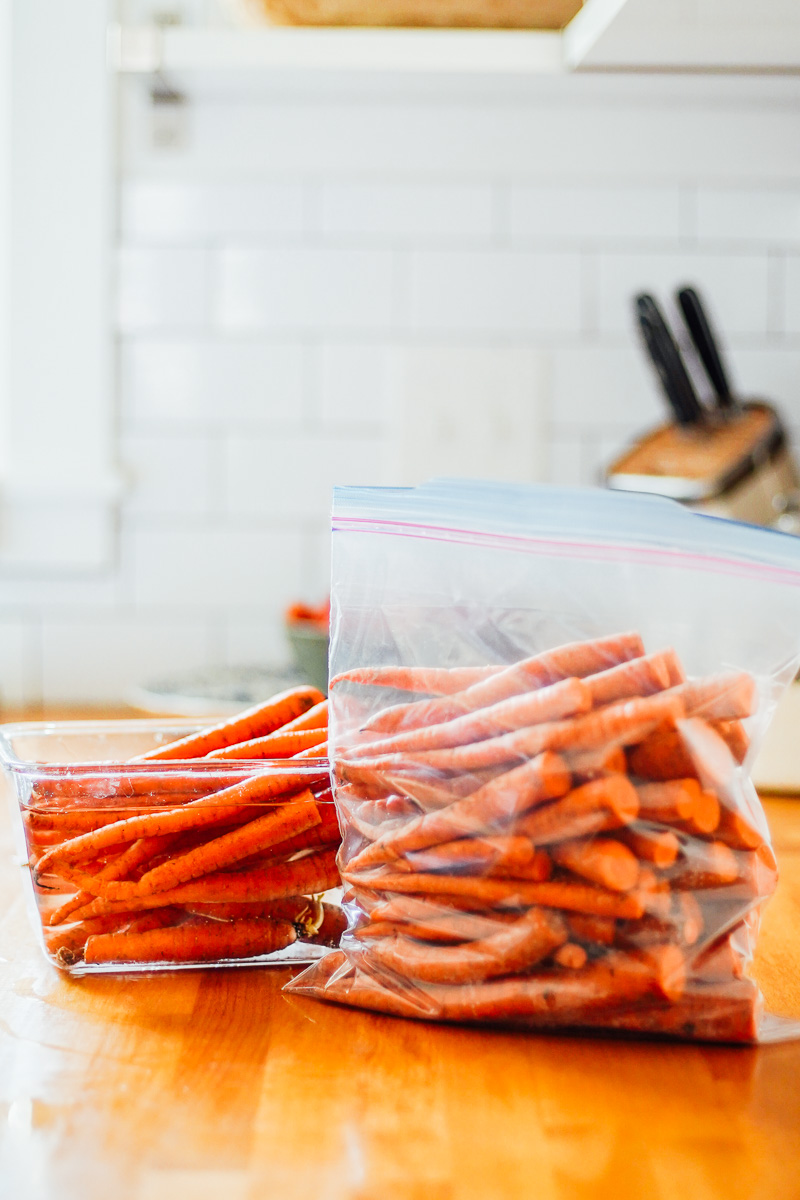
1. Resealable Plastic Bags
These are common and convenient. Squeeze out excess air before sealing to limit oxygen.
2. Airtight Plastic Or Glass Containers
These offer strong protection from air and moisture changes. Glass is less likely to absorb odors.
3. Original Packaging
If you buy baby carrots in a bag, you can keep them in this. But once opened, it’s best to reseal or transfer to a better container.
4. Produce Storage Bags
Special bags for vegetables often have tiny holes that balance humidity and air flow.
Container Comparison
To help you decide, here is a quick comparison:
| Container Type | Air Control | Moisture Control | Protection Level |
|---|---|---|---|
| Plastic Bag | Medium | Low | Medium |
| Airtight Container | High | High | High |
| Produce Storage Bag | Balanced | Balanced | Medium |
Step-by-step: How To Store Baby Carrots In The Fridge
Let’s walk through the most effective method for storing baby carrots in your fridge.
1. Inspect And Sort
Before storing, check your carrots for any that are soft, slimy, or showing mold. Remove these immediately. One bad carrot can spoil the whole batch.
2. Dry Off Excess Water
If your baby carrots look wet or you’ve rinsed them, pat them dry with a clean paper towel. Excess surface water encourages bacteria and mold.
3. Choose The Right Container
Pick from the containers above. For best results, use an airtight container with a piece of dry paper towel at the bottom. This towel absorbs moisture and helps maintain ideal humidity.
4. Add A Paper Towel
Lay a clean, dry paper towel at the bottom of your container or bag. Place the carrots on top in a single layer if possible. Add another towel on top before sealing.
5. Seal And Store
Close your bag or container tightly. Try to remove as much air as possible if using a bag. Store in the vegetable crisper drawer of your fridge, which is designed to keep produce fresh.
6. Check Every Few Days
Every 2-3 days, open your container, check for any soft or moldy carrots, and change the paper towel if it’s damp. This small step can greatly extend freshness.
Special Tips For Longer Freshness
Most people stop after the basic steps above, but you can do more for even better results.
Use Cold Water Storage
Some people swear by storing baby carrots in cold water. Place carrots in a bowl, cover with cold water, and cover loosely. Change the water every 2 days. This keeps carrots firm, but you must change the water to avoid bacteria.
Use A Produce Saver
There are products like produce saver containers with special vents and humidity controls. These can add a few extra days to freshness, especially if you buy in bulk.
Add A Slice Of Bread
Placing a thin slice of bread in the container can help absorb moisture and prevent sliminess. Replace the bread every 2 days.
Avoid Odor Absorption
Carrots can absorb strong smells from onions or garlic. Store them away from these foods if possible.
Do Not Freeze Raw Baby Carrots
Freezing raw baby carrots changes their texture. They become mushy when thawed. Only freeze if you plan to cook them later.
Common Mistakes When Storing Baby Carrots
Even experienced cooks sometimes make these errors:
- Washing Before Storage: Washing adds moisture. Only wash right before eating.
- Storing with Ethylene-Producing Fruits: Apples, pears, and bananas cause carrots to spoil faster.
- Leaving in Open Bags: This dries out carrots or exposes them to fridge odors.
- Ignoring Damp Paper Towels: Wet towels can become a breeding ground for bacteria.
- Stacking with Other Vegetables: Heavy vegetables can crush carrots, leading to bruising.
Awareness of these mistakes will help you avoid wasting food and money.
How Long Do Baby Carrots Last In The Fridge?
Shelf life depends on how you store them. Here’s what you can expect:
| Storage Method | Estimated Freshness |
|---|---|
| Unopened Store Bag | 2-3 weeks |
| Opened Bag with Paper Towel | 1-2 weeks |
| Container with Water | 1 week (change water often) |
| Open in Fridge (no protection) | 3-5 days |
If you see white spots or the carrots become soft, it’s time to throw them away.
Signs That Baby Carrots Have Gone Bad
Storing carrots well helps, but knowing when to toss them is just as important. Look for:
- Sliminess: A slippery or sticky feel is a sure sign of spoilage.
- Soft or Mushy Texture: Fresh carrots should snap, not bend.
- Mold: White, green, or black spots mean bacteria or fungus are growing.
- Bad Odor: A sour or off smell means they are no longer safe.
Never eat baby carrots that show these signs, even if only a few carrots are affected.
Credit: livesimply.me
The Science Behind Carrot Freshness
Carrots are about 88% water, and their crispness comes from water held in plant cells. When stored right, carrots keep their water inside. But if the air in your fridge is too dry, or if there’s excess moisture, the balance is lost:
- Dry air: Water leaves the carrot cells, making them limp.
- Too much humidity: Water encourages bacteria, leading to rot.
A paper towel helps keep the humidity just right by absorbing excess but not making the air too dry.
What About Pre-peeled Or Packaged Baby Carrots?
Most baby carrots in stores are already peeled and may even be washed with a mild chlorine solution for safety. This process makes them slightly more perishable than unpeeled carrots. Pre-packaged carrots are safe, but follow these extra steps:
- After opening, always transfer to a new sealed container.
- If the bag has excess water, dry the carrots before storing.
- Never trust the “best by” date alone—use your senses.
:max_bytes(150000):strip_icc()/GettyImages-1158202429-2000-bccba093595d42f9abc404b7cc5000d8.jpg)
Credit: www.allrecipes.com
How To Store Baby Carrots For Meal Prep
Meal prepping with baby carrots is popular because they’re easy to portion. Here’s how to keep them fresh:
- Divide into small, airtight containers for each meal.
- Add a dry paper towel to each portion.
- Store in the coldest part of the fridge, but not the freezer.
- Eat prepped portions within 5-7 days.
This way, each snack or meal stays as fresh as possible.
Can You Store Baby Carrots With Other Vegetables?
It’s tempting to toss all your veggies in one drawer, but not all vegetables are friends. Carrots store best away from:
- Tomatoes
- Bananas
- Apples
- Pears
These produce ethylene gas, which causes carrots to spoil faster. If you must share space, use a separate, sealed container.
Do Organic Baby Carrots Store Differently?
Organic baby carrots are not treated with preservatives. They spoil a bit faster and may have a shorter shelf life. Store them the same way as regular baby carrots, but check them more often for signs of spoilage.
Can You Revive Limp Baby Carrots?
If your carrots are only slightly soft but not slimy or moldy, you can try to refresh them:
- Place carrots in a bowl of ice water.
- Soak for 30-60 minutes.
- Dry thoroughly and store as usual.
This works because the cells reabsorb water, making carrots crisp again. However, if they’re slimy or smell bad, throw them away.
The Role Of Temperature In Carrot Storage
Carrots last longest at the right temperature. Too warm, and bacteria grow. Too cold, and the texture changes. Most fridges are set between 35°F and 38°F (1.6°C to 3.3°C), which is perfect. Avoid placing carrots near the fridge door, where temperature changes more often.
Storing Baby Carrots For Different Uses
How you plan to use your carrots can affect how you store them.
For Snacking
Keep in small, grab-and-go containers. Always add a dry paper towel.
For Cooking
If you plan to cook within a few days, you can store in water, but change the water every 2 days.
For Juicing
Use the freshest carrots possible. Juicing carrots that are even slightly soft will give a less tasty juice.
How Do Stores Keep Baby Carrots Fresh?
Grocery stores use a combination of cold storage, humidity control, and quick turnover. They often spray water in the produce section, which works because the carrots are sold quickly. At home, that method doesn’t work as well because carrots aren’t eaten as fast.
How To Reduce Food Waste With Baby Carrots
Americans waste about 30-40% of their food supply, according to the USDA. Using the right carrot storage methods helps reduce waste. Plan your shopping so you don’t buy more than you can eat. If you see carrots starting to soften, cook them in soups or stews rather than throwing them away.
Advanced Storage: Vacuum Sealing
Some people use vacuum sealers to store baby carrots. This method removes air and slows spoilage. It’s effective, but you must refrigerate sealed carrots and open the bag within 2 weeks. This method is best for bulk buyers or meal preppers.
Can You Store Baby Carrots At Room Temperature?
Carrots will last 1-2 days at room temperature before they soften or spoil. It’s not recommended unless you plan to eat them immediately. Always refrigerate for best results.
Fun Fact: Why Do Baby Carrots “sweat”?
Sometimes you see moisture inside a bag of carrots. This is called “sweating” and happens when cold carrots are exposed to warm air, causing condensation. Wipe off excess moisture and add a dry paper towel to prevent spoilage.
How To Store Leftover Cooked Baby Carrots
If you’ve cooked baby carrots, store them in an airtight container in the fridge. Eat within 3-5 days. Do not store cooked and raw carrots together, as cooked carrots spoil faster.
Sustainable Storage: Eco-friendly Tips
- Use reusable glass containers instead of plastic bags.
- Compost any spoiled carrots rather than sending them to landfill.
- Buy only as much as you need to reduce waste.
A Real-world Example
Maria buys a large bag of baby carrots every Sunday. She used to leave them in the original bag, but they always turned slimy by midweek. Now, she dries them, puts them in a glass container with a paper towel, and checks every few days.
Her carrots stay crisp for over a week, saving her money and reducing waste.
Credit: www.foodie.com
What The Research Says
Studies from the USDA show that carrots store best at 32°F and 95% humidity. Home fridges are not always this exact, but using containers with paper towels helps mimic this environment. For more information, see this USDA guide on safe storage.
Frequently Asked Questions
How Do You Keep Baby Carrots From Getting Slimy?
To prevent sliminess, dry your carrots before storage and use a paper towel in the container to absorb excess moisture. Check regularly and remove any carrots that start to spoil.
Can You Freeze Baby Carrots For Long-term Storage?
You can freeze baby carrots, but only after blanching (briefly boiling) them first. Freezing raw carrots changes their texture, making them mushy when thawed. Blanched and frozen carrots work well in cooked dishes.
Is It Safe To Eat White Spots On Baby Carrots?
White spots, called “carrot blush,” are just areas where the carrot has dried out. They are safe to eat, but the carrot may taste a bit drier. If you see mold or slime, discard those carrots.
Why Do Baby Carrots Sometimes Taste Bitter After Storage?
Bitterness can develop if carrots are stored too close to ethylene-producing fruits or if they start to spoil. Store carrots away from apples, pears, and bananas, and always check for freshness.
How Long Do Baby Carrots Last In The Fridge After Opening?
After opening, baby carrots last about 1-2 weeks if stored in an airtight container with a paper towel. Always check for changes in smell, texture, or appearance before eating.
Storing baby carrots in the fridge is simple, but doing it the right way makes a big difference. By following these practical steps, you’ll enjoy crisp, tasty carrots for longer and waste less food. Whether you’re prepping lunches, making snacks, or adding veggies to your meals, a few small changes in how you store carrots can bring better results and more confidence in your kitchen.