
Storing beef properly is essential if you want to keep it safe, tasty, and nutritious. Many people think keeping beef fresh is simple—just put it in the fridge and forget about it. But the truth is, how you store beef can make a big difference.
Incorrect storage can lead to spoilage, food poisoning, loss of flavor, and even wasted money. This guide will help you understand the best ways to store beef at home, whether it’s raw, cooked, frozen, or cured. You’ll learn practical methods, smart tips, and facts that most beginners overlook.
By the end, you’ll know exactly how to keep beef fresh and safe for you and your family.
Why Proper Beef Storage Matters
Food safety is the main reason to store beef carefully. Harmful bacteria like E. coli and Salmonella can grow quickly on beef, especially if it’s left at room temperature. Even a few hours outside the fridge can make beef unsafe to eat. According to the USDA, about 48 million Americans get sick from foodborne illnesses each year, with beef being a common source.
Besides safety, flavor and texture also depend on good storage. Beef that’s not stored well can turn dry, tough, or develop a strange smell and taste. Proper storage keeps the meat juicy, tender, and delicious.
Another factor is money and waste. Beef is not cheap. Throwing away spoiled meat is like throwing away money. Learning how to store beef the right way helps you use what you buy and avoid unnecessary waste.
Understanding Different Types Of Beef
Not all beef is the same. How you store it depends on whether it’s:
- Raw beef (steaks, roasts, ground beef)
- Cooked beef
- Cured or processed beef (corned beef, jerky, pastrami)
- Marinated beef
- Vacuum-sealed beef
Each type has its own best practices. Knowing the differences is the first step to storing beef correctly.
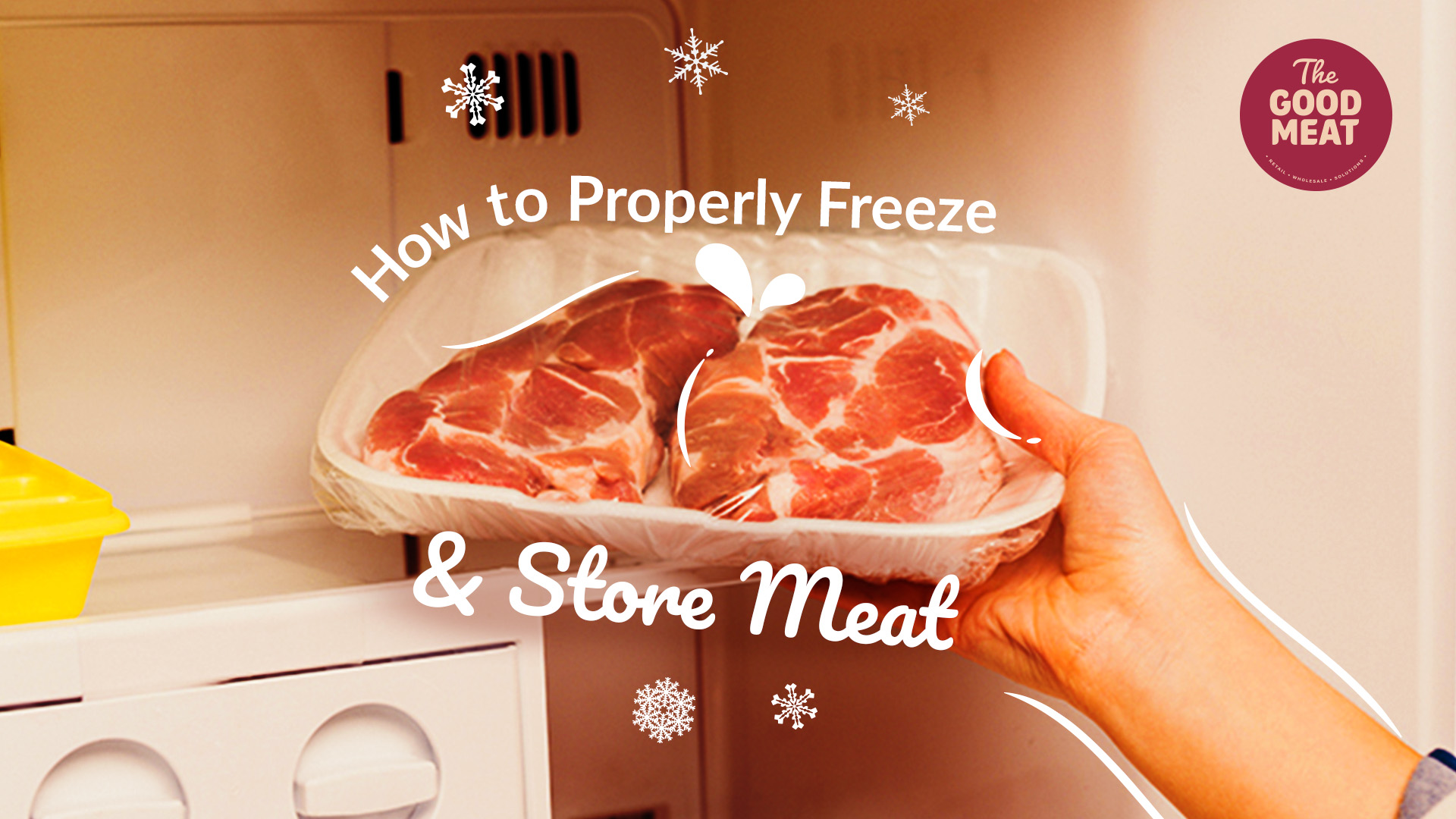
Credit: www.pilmico.com
How Long Does Beef Last?
The shelf life of beef depends on its type, storage method, and temperature. Here’s a quick comparison:
| Beef Type | Room Temp (2 hours max) | Refrigerator (4°C / 40°F) | Freezer (-18°C / 0°F) |
|---|---|---|---|
| Raw Steaks/Roasts | Unsafe | 3-5 days | 6-12 months |
| Raw Ground Beef | Unsafe | 1-2 days | 3-4 months |
| Cooked Beef | Unsafe | 3-4 days | 2-3 months |
| Cured Beef/Jerky | 1-2 days | 1-2 weeks | 6-12 months |
Important insight: Many people don’t realize that ground beef spoils faster than whole cuts. This is because grinding exposes more surface area to bacteria.
Choosing The Right Storage Method
Refrigerator Storage
The refrigerator is the most common place to store beef at home. It keeps meat cold enough to slow bacteria growth but not freeze the beef. Here’s how to get it right:
- Temperature: Your fridge should be set at or below 4°C (40°F). Use a fridge thermometer to check.
- Placement: Store beef on the lowest shelf to prevent juices from dripping onto other foods. Keep it in the original packaging if you’ll use it within a few days.
- Packaging: For longer fridge storage, rewrap beef in plastic wrap and foil or use airtight containers. This prevents air exposure, which can cause drying and “freezer burn” even in the fridge.
- Labeling: Write the date on the package so you know when you stored it.
Freezer Storage
Freezing is the best way to keep beef for a long time. But not all freezers are created equal. For best results:
- Temperature: Your freezer should be at -18°C (0°F) or lower.
- Packaging: Remove as much air as possible. Use freezer bags, vacuum sealers, or double wrap with plastic and foil.
- Freezer burn: This happens when beef dries out from air exposure. It looks like grayish-brown spots. While it’s safe, the taste and texture suffer.
- Defrosting: Never thaw beef at room temperature. Instead, thaw in the fridge, in cold water (sealed), or in the microwave if you’ll cook it right away.
Vacuum Sealing
Vacuum-sealed beef lasts much longer because air is removed. You can buy a home vacuum sealer for this. Vacuum-sealed beef can last up to 2-3 years in the freezer without losing much quality.
Curing And Drying
Some beef products, like jerky and corned beef, are preserved with salt, drying, or smoke. These methods make beef last longer without refrigeration. But once opened or homemade, they need to be kept in the fridge or freezer.

Credit: malenyblackangusbeef.com.au
Storing Raw Beef
Raw beef is highly perishable, so handle it with care.
In The Fridge
- Keep beef cold, ideally between 0–4°C (32–40°F).
- Place it in a leak-proof container to stop juices from leaking.
- Store away from ready-to-eat foods to avoid cross-contamination.
- Use within the safe time frame: Steaks and roasts (3–5 days), ground beef (1–2 days).
Non-obvious tip: If you buy beef in bulk, divide it into meal-sized portions before storing. This way, you only expose what you need each time.
In The Freezer
- Wrap tightly in freezer paper, plastic wrap, or vacuum seal.
- Label each package with the date and cut type.
- Freeze as soon as possible for best quality.
Extra insight: Freezing beef won’t kill all bacteria, but it will stop their growth. When thawed, bacteria become active again, so handle thawed beef as you would fresh.
Storing Cooked Beef
Cooked beef can spoil quickly if not stored right. Here’s how to keep leftovers safe and tasty.
Cooling And Refrigeration
- Cool cooked beef quickly. Don’t leave it out more than 2 hours (or 1 hour if above 32°C/90°F).
- Store in airtight containers or wrap tightly in foil or plastic.
- Divide large amounts into smaller portions so they cool faster.
- Eat within 3–4 days.
Freezing Cooked Beef
- Let beef cool before freezing to avoid ice crystals.
- Use freezer-safe containers or bags.
- Remove as much air as possible.
- Label with type and date.
- For best taste, use within 2–3 months.
Pro tip: Freeze cooked beef in single-meal portions. It’s easier to reheat and avoids waste.
Storing Ground Beef
Ground beef is especially risky because bacteria can mix throughout the meat during grinding.
- Use or freeze ground beef within 1–2 days of purchase.
- Store in the coldest part of your fridge.
- If freezing, flatten the beef in a freezer bag. Thin, flat packages freeze and thaw faster.
Common mistake: Some people defrost ground beef on the counter. This is unsafe. Always thaw in the fridge or use the microwave if you’ll cook it right away.
Storing Marinated Beef
Marinating beef adds flavor but also changes how you store it.
- Always marinate in the fridge, not at room temperature.
- Use a glass or food-safe plastic container, not metal (which can react with acids).
- If you don’t cook all the beef, discard leftover marinade or boil it before reuse.
- Marinated beef can stay in the fridge up to 2 days. After that, freeze or cook it.
Storing Cured And Processed Beef
Cured meats like corned beef and beef jerky last longer, but storage rules still matter.
- Unopened store-bought jerky can stay in the pantry for months.
- Once opened or homemade, keep in the fridge and use within a week.
- Store canned or vacuum-packed cured beef in a cool, dry place. Refrigerate after opening.
Non-obvious insight: Even shelf-stable cured beef can spoil if exposed to moisture. Always reseal well.
Storing Beef Bones And Offal
Beef bones (for stock) and offal (like liver or kidney) need special care.
- Store bones in the fridge up to 3–4 days, or freeze for 3–6 months.
- Offal spoils quickly: Use within 1–2 days or freeze.
- Wrap tightly to prevent odors from spreading in your fridge or freezer.
How To Tell If Beef Has Gone Bad
It’s not always easy to know if beef is still good. Here’s what to look for:
- Smell: Spoiled beef smells sour, rotten, or “off.” Fresh beef has a clean, meaty smell.
- Color: Fresh beef is bright red or purplish. Brown or gray patches are normal due to air exposure, but green or shiny spots mean spoilage.
- Texture: Sticky, tacky, or slimy beef is not safe.
- Packaging: Swollen or leaking packages are a warning sign.
Practical tip: When in doubt, throw it out. Eating spoiled beef can cause serious illness.
Best Practices For Storing Beef At Home
Here are some simple rules to make beef storage safe and easy:
- Shop smart: Buy beef last when shopping, so it stays cold.
- Chill quickly: Get beef in the fridge or freezer within 2 hours of purchase.
- Use clean hands and surfaces: Always wash hands and utensils before and after handling beef.
- Label everything: Write the date and cut on every package.
- Rotate stock: Use the oldest beef first (“first in, first out”).
- Don’t crowd the fridge or freezer: Air needs to circulate to keep beef cold.
- Check temps: Use a thermometer to make sure your fridge and freezer are cold enough.
- Don’t refreeze thawed beef: Only refreeze if you thawed it in the fridge and it hasn’t been out more than a day.
- Watch for freezer burn: Cut off small freezer-burned sections before cooking.
- Separate raw and cooked beef: Store cooked beef above raw beef to prevent dripping juices.
How Restaurants And Butchers Store Beef
Professional kitchens and butchers use special techniques to keep beef fresh:
- Walk-in refrigerators keep meat at precise temperatures.
- Hanging beef lets air circulate, helping with aging and flavor.
- Vacuum sealing is standard for long-term storage.
- Blast freezers freeze beef very fast, reducing ice crystal damage.
While you can’t use all these methods at home, you can learn from them. For example, vacuum sealers are now affordable for home use. Proper air circulation and labeling are easy to copy at home.
The Science Behind Beef Spoilage
Beef spoils because of bacteria, yeast, and chemical changes. At room temperature, bacteria can double every 20 minutes. Even in the fridge, some bacteria can grow slowly. That’s why the “danger zone” (4°C to 60°C/40°F to 140°F) is risky—it’s the temperature range where bacteria grow fastest.
Enzymes in beef also break down proteins and fats over time, causing changes in texture and smell. Freezing stops this, but can’t reverse spoilage that started before freezing.
Expert insight: Beef can look and smell fine but still be unsafe if it’s been stored too long or at the wrong temperature. Always follow time and temperature rules.
Storing Beef For Special Diets
Some diets, like paleo or keto, use a lot of beef. Storing large amounts means extra care:
- Buy in bulk only if you have enough freezer space.
- Portion beef before freezing.
- Use vacuum sealing or heavy-duty freezer bags.
- Keep a storage log to track what you have and how old it is.
This prevents waste and keeps your diet on track.
How To Organize Your Fridge And Freezer For Beef
A well-organized fridge and freezer make beef storage easier and safer.
- Fridge: Put beef on the bottom shelf in a tray. Store cooked beef higher up.
- Freezer: Group beef by cut and date. Keep an inventory list on the door.
- Defrost zone: Have a spot in your fridge for thawing beef. Put it in a bowl to catch drips.
Pro tip: Don’t overload your freezer. Air needs to move so food freezes quickly and evenly.
Preventing Cross-contamination
Cross-contamination is when bacteria from raw beef spread to other foods.
- Always use separate cutting boards for raw beef and other foods.
- Wash hands, knives, and surfaces after handling beef.
- Store raw beef below ready-to-eat foods in the fridge.
Sustainable Beef Storage
Wasting beef is not just expensive—it’s bad for the environment. Cows use a lot of water, land, and energy. Storing beef well means less waste.
- Freeze leftovers before they spoil.
- Turn beef scraps into stock or soup.
- Compost any spoiled beef, if allowed in your area, instead of sending it to landfill.
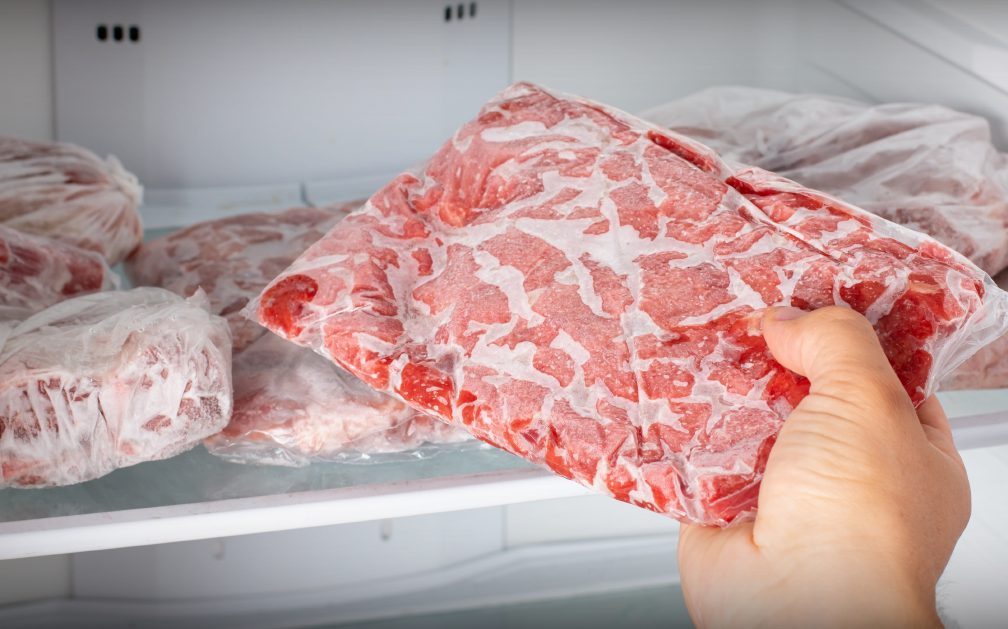
Credit: www.beststopinscott.com
Storing Beef When Camping Or Traveling
If you’re outdoors or on the move, beef needs extra care.
- Use a cooler with ice packs. Keep beef below 4°C (40°F).
- Pre-cook and freeze beef before your trip. It keeps other food cold as it thaws.
- Eat beef within 1–2 days unless you can keep it frozen or very cold.
Using Technology To Store Beef Better
Modern tools make beef storage easier:
- Smart fridges can monitor temperature and alert you if it gets too warm.
- Vacuum sealers let you pack beef airtight at home.
- Digital thermometers check if your fridge and freezer are cold enough.
These tools help avoid common mistakes and make beef storage safer.
Comparing Storage Methods For Beef
Here’s a comparison of how different methods affect beef’s shelf life and quality:
| Storage Method | Beef Quality | Typical Shelf Life | Best For |
|---|---|---|---|
| Refrigerator (original wrap) | Good for short term | 1–5 days | Steaks, roasts, ground beef |
| Freezer (plastic wrap + foil) | Very good | 3–12 months | All beef cuts |
| Vacuum sealing + freezing | Excellent | 2–3 years | Bulk buyers, long-term storage |
| Canning (for cooked beef) | Very good | 1–5 years | Emergency food supply |
| Drying/Curing | Good, but flavor changes | 6–12 months | Jerky, cured meats |
Key takeaway: Vacuum sealing and freezing give the longest shelf life with the least loss of quality.
Common Mistakes When Storing Beef
Avoid these errors to keep your beef safe and tasty:
- Leaving beef at room temperature for too long.
- Storing beef in the fridge door (it’s too warm).
- Not wrapping beef well enough for the freezer.
- Forgetting to label and date packages.
- Refreezing beef that thawed at room temperature.
- Overcrowding the fridge or freezer.
- Ignoring “use by” and “sell by” dates.
Advanced Tips For Beef Storage
- Aging beef at home: Some enthusiasts age beef in their fridge for flavor. This is risky without special tools. Only try it if you understand the process and can control humidity and temperature.
- Using oxygen absorbers: For jerky and dried beef, these packets help prevent spoilage.
- Batch cooking and freezing: Cook large batches and freeze in meal portions. This saves time and reduces waste.
- Monitor power outages: If your freezer loses power, keep it closed. Beef is safe if it still has ice crystals or is below 4°C (40°F) when power returns.
Beef Storage And Food Laws
Food safety rules vary by country, but the basics are the same. Always follow local guidelines. For more detailed food storage standards, check resources like the USDA Food Safety and Inspection Service.
Frequently Asked Questions
How Can I Freeze Beef Without Freezer Burn?
Remove as much air as possible using freezer bags or a vacuum sealer. Double wrap with plastic and foil for extra protection. Label packages with the date and use the oldest first.
Is It Safe To Eat Beef That Has Turned Brown In The Fridge?
Beef can turn brown due to air exposure, which is usually safe. But if it smells bad or feels sticky, don’t eat it. Color changes alone don’t always mean spoilage.
Can I Refreeze Beef After Thawing?
You can refreeze beef if you thawed it in the fridge and it hasn’t been out more than a day. If thawed at room temperature or in warm water, do not refreeze.
What’s The Best Way To Thaw Frozen Beef?
The safest way is in the fridge. For faster thawing, use a sealed bag in cold water (change water every 30 minutes). You can also use the microwave if you’ll cook it right away.
How Do I Store Beef Jerky After Opening?
Keep opened jerky in an airtight container or bag in the fridge. Eat within a week for best quality. For long-term storage, freeze it.
Storing beef correctly is not just about avoiding spoilage; it’s about keeping your food safe, tasty, and making your money go further. By following these proven methods, you can enjoy beef at its best every time. Remember, small steps like labeling, organizing, and sealing make a big difference.
With these tips, you’ll never have to worry about wasted beef—or wasted meals—again.