
Storing beet greens the right way isn’t just about keeping vegetables fresh—it’s about preserving their nutrition, flavor, and that satisfying crunch. These leafy tops often get overlooked or tossed, but with some simple techniques, you can keep them vibrant for days or even weeks.
Whether you grow your own beets, pick them up at a farmer’s market, or grab a bunch from the supermarket, knowing how to store beet greens will help you reduce waste and enjoy a nutritious ingredient that’s rich in vitamins A, C, and K, as well as fiber and antioxidants.
Many people focus on the beetroot and forget the value of the greens. In fact, beet greens are edible and versatile, great for salads, sautés, and smoothies. However, they can wilt quickly if not stored correctly. One of the biggest mistakes beginners make is leaving the greens attached to the root, which draws moisture away and causes both parts to spoil faster.
Proper storage not only extends their shelf life but also helps you plan meals and reduce food waste.
Let’s explore every effective way to store beet greens, how to prepare them for storage, common mistakes to avoid, and creative ideas for making the most of every leaf.
Why Store Beet Greens?
Beet greens are more than just a by-product of the beetroot. They’re packed with nutrients—one cup of raw beet greens provides over 100% of your daily vitamin K and nearly 60% of vitamin A. Fresh beet greens taste slightly sweet and earthy, similar to Swiss chard, and can be used in many dishes.
But they wilt faster than many other leafy greens. If you want to enjoy them later, proper storage is essential.
Storing beet greens also helps you:
- Save money by reducing food waste
- Add variety to your meals
- Get more nutrition from your groceries
It’s surprising how quickly beet greens can go from fresh to slimy if left on the counter or in a plastic bag. By learning the right methods, you can keep them crisp and tasty much longer.
Preparing Beet Greens For Storage
Before you store beet greens, a little preparation goes a long way. Skipping these steps can shorten their shelf life or cause them to rot faster.
- Separate greens from roots: Use a sharp knife or kitchen scissors to cut the greens about 1 inch above the beetroot. Leaving the greens attached draws moisture from both, making them spoil quickly.
- Inspect for damage: Remove any yellow, wilted, or slimy leaves. Only store healthy, fresh greens.
- Do not wash immediately: If you plan to use the greens within one or two days, you can rinse them. For longer storage, keep them dry. Excess moisture encourages mold and rot.
- Shake off dirt: Gently shake the greens to remove loose dirt. If very dirty, wipe with a damp cloth, but avoid soaking.
- Pat dry: If you must wash, dry thoroughly using a salad spinner or clean towel.
Taking a few minutes for these steps can add days to the life of your beet greens.
Best Ways To Store Beet Greens
There are several effective methods to store beet greens, depending on how long you want them to last and how you plan to use them. Here are the most reliable approaches, from short-term to long-term storage.
1. Refrigerator Storage (short-term)
Storing beet greens in the refrigerator is the easiest method if you plan to use them within a week. The cool temperature slows down wilting and keeps them crisp.
- Wrap in paper towel: Lay the greens on a clean paper towel, roll them up gently, and place inside a plastic bag or reusable produce bag.
- Use a container: You can also put the wrapped greens in an airtight container.
- Store in crisper drawer: This part of the fridge has higher humidity, ideal for leafy greens.
Tip: Check the greens every couple of days. Replace the paper towel if it gets wet.
Shelf Life
Beet greens stored this way stay fresh for 3 to 7 days, sometimes up to 10 days if very dry and cold.
2. Storing In A Glass Of Water
This method works well if your kitchen isn’t too warm and you use the greens quickly.
- Trim the stems: Place the stems in a glass or jar with one inch of cold water.
- Cover loosely: Drape a plastic bag over the leaves to prevent drying out.
- Change water daily: This keeps the greens crisp and slows bacteria growth.
Shelf Life
Greens can stay fresh for 2 to 4 days. This is best for immediate use.
3. Airtight Container With Damp Cloth
For slightly longer storage, try this method:
- Layer greens: Place beet greens between sheets of damp (not wet) paper towel inside an airtight container.
- Seal tightly: Keeps moisture even and prevents wilting.
Shelf Life
This can extend freshness to about 7–10 days.
4. Freezing For Long-term Storage
If you can’t use the greens quickly, freezing is the best way to preserve nutrients and flavor. However, beet greens need a bit of preparation before freezing.
How To Freeze Beet Greens
- Wash and dry thoroughly.
- Blanch: Bring a large pot of water to a boil. Add greens and cook for 2 minutes. Immediately plunge into ice water to stop cooking.
- Drain and dry: Squeeze out excess water gently.
- Portion: Divide into meal-sized portions.
- Pack in freezer bags: Remove as much air as possible.
- Label with date.
Shelf Life
Frozen beet greens last up to 12 months. Use directly in soups, stews, or sautés—no need to thaw.
Freezing: Raw Vs. Blanched
Here’s a comparison to clarify why blanching matters:
| Method | Texture | Color | Nutrient Retention | Shelf Life |
|---|---|---|---|---|
| Raw Freezing | Mushy | Dull | Lower | Up to 6 months |
| Blanched Freezing | Better | Bright | Higher | Up to 12 months |
Blanching helps keep texture and color, and reduces enzyme activity that causes spoilage.
5. Dehydrating Beet Greens
If you have a dehydrator or a low-temperature oven, drying beet greens is a great way to make a shelf-stable ingredient for soups or smoothies.
Steps:
- Wash and dry leaves well.
- Arrange in a single layer on dehydrator trays or a baking sheet.
- Dry at 125°F (52°C) for 6–10 hours until crisp. Oven method: Lowest setting, door slightly open.
- Cool completely.
- Store in airtight containers away from light.
Shelf Life
Properly dried beet greens can last up to 1 year.
6. Storing Cooked Beet Greens
If you’ve cooked more beet greens than you can eat, store leftovers safely.
- Cool quickly: Spread on a plate to cool within 2 hours.
- Use airtight containers.
- Refrigerate for up to 3 days.
- Freeze for up to 6 months.
7. Pickling Beet Greens
Pickling is less common but adds a tangy twist. The process preserves greens for several months.
Basic Pickling Steps
- Blanch leaves for 2 minutes.
- Pack into jars with garlic, dill, or spices.
- Cover with hot vinegar brine (1 part vinegar, 1 part water, salt to taste).
- Seal and refrigerate.
Shelf Life
Pickled beet greens last 2–3 months in the fridge.
Common Mistakes To Avoid
Many people lose their beet greens to spoilage because of small errors. Watch out for these pitfalls:
- Leaving greens attached to the root: This dries out both parts.
- Washing before storage: Moisture leads to rot unless you dry thoroughly.
- Sealing wet greens in bags: Always use dry or just slightly damp paper towels.
- Ignoring yellow or damaged leaves: Rot spreads quickly.
- Storing near ethylene producers (like apples or bananas): These fruits release gas that speeds up wilting.
- Not labeling frozen greens: It’s easy to forget what’s in the freezer.
:max_bytes(150000):strip_icc()/food-prep14-mld1092452_vert-a5abe0fde7494741a2d2578e91f3ef69.jpg)
Credit: www.marthastewart.com
Best Containers And Bags For Beet Greens
The right storage container can make a big difference in keeping beet greens fresh.
Types Of Containers
| Container Type | Pros | Cons |
|---|---|---|
| Plastic Bag | Easy, cheap, fits anywhere | Not eco-friendly, can trap moisture |
| Reusable Produce Bag | Breathable, reduces plastic waste | May dry out greens if fridge is dry |
| Airtight Container | Controls humidity, reusable | Bulky, takes more space |
| Glass Jar (for water method) | Keeps stems hydrated | Short-term only |
| Freezer Bag | Prevents freezer burn | Single-use plastic |
Choose based on your needs, available space, and how long you plan to store the greens.
How To Tell If Beet Greens Have Gone Bad
It’s important to check stored beet greens before using them. Spoiled greens can affect the taste and safety of your meal.
Warning signs:
- Leaves are slimy or sticky
- Strong, sour, or rotten smell
- Dark spots or yellowing
- Mold growth
If you see any of these, it’s best to discard the affected greens. Small yellow spots can be trimmed, but slimy or smelly leaves should be thrown out.
How To Use Stored Beet Greens
Stored beet greens are just as versatile as fresh ones. Here are some ideas to help you use them up before they go bad:
- Sauté with garlic and olive oil for a simple side dish.
- Add to soups and stews for extra nutrition.
- Blend in smoothies—they add color and vitamins.
- Mix in salads—especially young, tender leaves.
- Bake in quiches or frittatas.
- Stir into pasta or grain bowls.
Non-obvious tip: Even stems can be chopped and cooked—they’re crunchy and sweet, great in stir-fries.
Nutritional Benefits Of Beet Greens
Many people don’t realize that beet greens are often more nutritious than the beetroot itself. Here are some facts you might not know:
- Rich in vitamin K: Supports bone health and blood clotting
- High in antioxidants: Help fight inflammation
- Good source of fiber: Aids digestion
- Contains lutein and zeaxanthin: Support eye health
One cup of cooked beet greens provides more than 200% of your daily vitamin K and 20% of vitamin C.
Sustainability: Why Using Beet Greens Matters
When you store and use beet greens, you’re helping the planet as well as your health. Food waste is a major issue—each year, about one-third of all food produced globally is wasted. By using the whole plant, you reduce waste and make the most of your grocery budget.
If you have a compost bin, any tough or spoiled beet greens can be composted instead of thrown away. This returns nutrients to the soil and supports a more sustainable food system.
Storing Beet Greens Vs. Other Leafy Greens
How do beet greens compare to other common greens like spinach, kale, or lettuce when it comes to storage?
| Green | Ideal Storage Method | Refrigerator Shelf Life | Best for Freezing? |
|---|---|---|---|
| Beet Greens | Wrapped in paper towel, crisper drawer | 5-7 days | Yes, if blanched |
| Spinach | Airtight container with dry cloth | 5-7 days | Yes, if blanched |
| Kale | Plastic bag, crisper drawer | 7-10 days | Yes, if blanched |
| Lettuce | Plastic bag with paper towel | 3-7 days | No |
Beet greens are similar to spinach in terms of storage needs but are more delicate than kale.
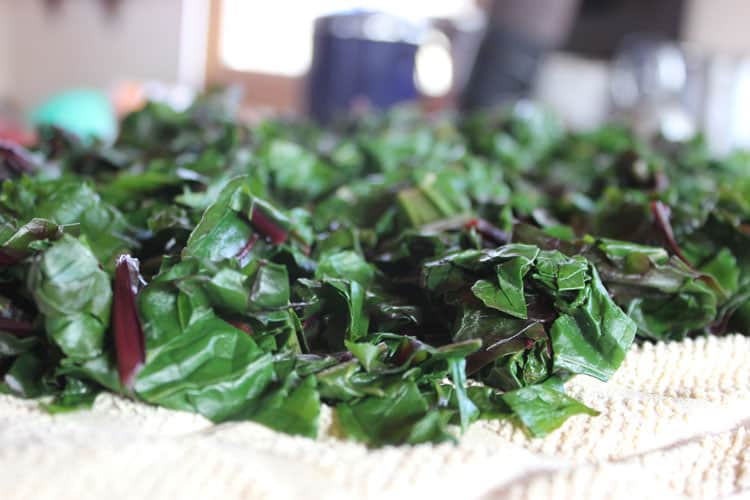
Credit: homestead-honey.com
Expert Tips For Extending Freshness
- Harvest in the morning: If you grow your own, pick beet greens early when moisture content is highest.
- Handle gently: Avoid bruising, which speeds up decay.
- Keep cold and dry: Lower temperatures and low humidity are best.
- Rotate stock: Use the oldest greens first. Store new ones behind or below.
- Don’t pack tightly: Allow some air circulation to prevent mold.
Creative Storage Solutions For Small Spaces
Not everyone has a large fridge or kitchen. Here are some ways to store beet greens in small apartments:
- Hang produce bags inside the fridge door.
- Stack airtight containers—choose square shapes to save space.
- Store upright in jars with just a little water on the bottom shelf.
- Blanch and freeze in small pouches for easy meal prep.
Practical tip: If you use a mini fridge, keep beet greens in the coldest section and check daily for signs of wilting.
How To Revive Wilted Beet Greens
If your beet greens wilt but haven’t gone bad, try this trick:
- Trim the stems.
- Place in a bowl of ice water for 30–60 minutes.
- Shake off water and pat dry.
The cold water helps the cells absorb moisture and the leaves perk up. This only works if the greens aren’t slimy or rotten.
What To Do With Beet Green Stems
Don’t throw away the stems! They’re often sweeter than the leaves. Try these ideas:
- Pickle them with vinegar and spices.
- Chop and sauté with onions for a crunchy topping.
- Add to stir-fries or soups.
- Blend into pesto with nuts and olive oil.
Using stems as well as leaves means less waste and more flavor.
Storing Beet Greens For Juicing
If you juice beet greens, freshness matters for both flavor and nutrition.
- Store unwashed until ready to juice.
- Rinse, dry, and use within 2–3 days for best results.
- Freeze extra blanched greens in small portions for future smoothies.
When To Compost Beet Greens
Sometimes beet greens are too tough or have gone bad. Composting is the best way to dispose of them sustainably.
- Cut into small pieces for faster decomposition.
- Avoid composting greens with oil or dressing.
- Mix with dry materials like leaves or cardboard for balance.
This practice creates rich soil and keeps food waste out of landfills.

Credit: montanahomesteader.com
Frequently Asked Questions
How Long Can You Store Beet Greens In The Refrigerator?
Beet greens can last 3 to 7 days in the refrigerator if stored properly. Use a paper towel to absorb moisture and keep them in the crisper drawer. Replace the towel if it gets damp to prevent spoilage.
Can You Freeze Beet Greens Without Blanching?
While you can freeze beet greens raw, blanching first is better. Blanching keeps color, texture, and nutrients longer. Raw frozen greens may turn mushy and lose flavor faster.
Are Beet Greens Safe To Eat After They Wilt?
Wilting doesn’t mean they’re unsafe. If the greens are just limp but not slimy or smelly, they’re still good to eat. Revive them in ice water before cooking. Discard if there’s any sign of rot or mold.
What Is The Best Way To Keep Beet Greens Crisp?
Wrap unwashed beet greens in a dry or slightly damp paper towel and place in an airtight container or produce bag. Store in the fridge’s crisper drawer. Don’t wash until just before using for maximum crispness.
Can Beet Greens Be Dehydrated At Home?
Yes, beet greens are easy to dehydrate using a dehydrator or low oven. Dry at 125°F (52°C) until crisp, then store in airtight containers. Dried beet greens last up to a year and are perfect for soups or smoothies.
Storing beet greens doesn’t have to be complicated. With a few careful steps, you can enjoy their fresh flavor and nutrition long after harvest. If you want to learn more about the science of storing leafy greens, check out this helpful guide from the Academy of Nutrition and Dietetics.
Don’t let those beautiful beet greens go to waste—store them right, and they’ll reward you with taste and health in every bite.