
Storing chickpeas the right way means you always have a healthy, versatile ingredient ready for your meals. Whether you like them in salads, curries, or as a crunchy snack, chickpeas can last a long time—if you know how to keep them fresh.
Many people buy chickpeas in bulk, but only a few understand the best methods to store them. Some put cooked chickpeas in containers without thinking of moisture. Others just leave dried chickpeas in the bag they came in, not realizing how much air and humidity can spoil them.
Learning to store chickpeas well can save you money, reduce food waste, and keep your dishes tasty.
This guide explains how to store chickpeas in every form—dried, canned, cooked, sprouted, and even as flour. You’ll learn how air, light, and temperature affect chickpeas, plus get tips you might not find on the package. By the end, you’ll feel confident to keep chickpeas at their best, whether for a week or a whole year.
Understanding Chickpeas: Dried, Canned, And Cooked
Before learning how to store chickpeas, it helps to know the three main types you’ll find in the kitchen:
- Dried chickpeas: Hard, uncooked, usually sold in bags or bulk bins.
- Canned chickpeas: Pre-cooked and packed in water or brine.
- Cooked chickpeas: Homemade, usually boiled or pressure-cooked.
Each type needs its own storage method. Dried chickpeas are less sensitive, but can still lose quality. Canned chickpeas are convenient but have different risks. Cooked chickpeas spoil quickly without care. Storing them right preserves flavor, nutrition, and texture.
Some people also use chickpeas in the form of flour or even sprouted for salads and sandwiches. Knowing the type you have helps you choose the right storage method. For example, keeping dried chickpeas in a humid place can cause them to sprout before you are ready, while storing cooked chickpeas too long at room temperature can lead to food poisoning.
Even canned chickpeas, which seem safe, can develop off flavors if left near heat or direct light for a long time.
If you want to make hummus or falafel, you’ll often use dried chickpeas. If you need a quick salad topping, canned chickpeas are handy. For meal-prepping stews or curries, cooked chickpeas are most useful. This is why understanding these basics can help you plan your shopping and storage better.
How To Store Dried Chickpeas
Dried chickpeas are shelf-stable, but only if you protect them from air, moisture, and pests. Here’s what works best:
The Ideal Storage Container
Use airtight containers like glass jars with sealing lids, food-grade plastic bins, or metal canisters. Avoid leaving chickpeas in opened bags. If air gets in, chickpeas can absorb moisture, making them soft or moldy.
Glass jars not only keep air and bugs out, but also let you see if anything changes with your chickpeas. Food-grade plastic bins are lightweight and stack easily, which is helpful if you buy in bulk. Metal canisters offer extra protection against light, which can be important if your pantry gets a bit warm.
Best Location
Keep dried chickpeas in a cool, dark, and dry place. A pantry, cupboard, or cellar works well. Sunlight and heat can cause chickpeas to age faster and lose flavor. High humidity can cause mold or sprouting.
Try to choose a spot that does not get direct sun or is near heat sources like ovens or dishwashers. Even a drawer or lower kitchen cabinet can be a good place if your kitchen gets very warm during the day.
Shelf Life
Dried chickpeas can last up to 2-3 years if stored well, but they are best used within 12 months for ideal taste and texture.
Over time, dried chickpeas may become very hard and need longer cooking. After two years, they might not soften well during cooking, so try to rotate your stock and use older beans first.
Practical Steps
- Remove chickpeas from their original packaging if it’s not resealable.
- Pour into an airtight container.
- Label with the date of purchase.
- Store on a shelf away from the stove or windows.
Labeling containers is key. If you store multiple kinds of beans, include the name and date on each. This stops confusion and helps you use the oldest beans first.
Protecting Against Pests
Insects like weevils or moths sometimes infest dried beans. Add a bay leaf or two inside the container; the scent helps repel bugs.
If you live in an area with lots of pantry pests, check containers every few months. If you see webbing or small holes in beans, discard the batch and clean the container thoroughly before refilling.
Non-obvious Insight
If you live in a humid area, consider using food-safe desiccant packs in your container. They absorb extra moisture and keep chickpeas dry, which prevents mold—a tip many beginners miss.
Also, for extra protection, you can freeze dried chickpeas for a few days before storage. This kills any insect eggs that might be present, which is a step bulk buyers sometimes use.
How To Store Canned Chickpeas
Canned chickpeas are convenient but require different care.
Unopened Cans
Store unopened cans in a cool, dry cupboard. Avoid places near heat, like above the stove. Extreme heat can make cans swell or rust. Check the “best by” date, but canned chickpeas can last 2-5 years unopened if stored properly.
It’s a good idea to rotate your cans, putting newer ones at the back and older ones at the front so you use them in order. If you notice a dented or swollen can, use it soon or check for signs of spoilage before opening.
After Opening
Once opened, canned chickpeas must be treated like cooked food. Never store them in the opened can; the metal can react with air and change flavor.
Steps To Store Opened Canned Chickpeas:
- Drain the chickpeas and rinse off the can liquid.
- Place them in a clean, airtight container.
- Cover with fresh water if you want to keep them moist, but this is optional.
- Refrigerate immediately.
They will last 3-4 days in the fridge.
If you want to use the chickpeas for salads or snacks, storing them dry in the fridge keeps them firmer. If you plan to use them for soups or stews, keeping them in water works well.
Freezing Canned Chickpeas
If you won’t finish them in a few days, freeze the extra. Portion the chickpeas into freezer bags or containers, remove as much air as possible, and label with the date. They’ll keep for up to 6 months in the freezer.
When freezing, try to lay the bags flat. This saves space and makes thawing faster.
Non-obvious Insight
Some people forget to keep canned chickpeas away from strong-smelling foods. Chickpeas can absorb odors even through cans, so don’t store them next to onions, garlic, or cleaning products.
Another tip: if you use only half a can, transfer the rest right away. Even a short time left in the open can can give a metallic taste.
How To Store Cooked Chickpeas
Homemade cooked chickpeas are delicious, but also delicate. Bacteria can grow fast if you don’t handle them right.
Cooling And Storing
Cool chickpeas quickly after cooking. Leaving them at room temperature for more than two hours can cause bacteria to multiply. Transfer to shallow containers to cool faster, then refrigerate.
If you’re cooking a large batch, spread chickpeas out in a baking dish to cool before packing them up. This step is important if your kitchen is warm or humid.
In The Refrigerator
Cooked chickpeas last 3-4 days in the fridge. Always use airtight containers. If you see any strange smell or slimy texture, throw them away.
For meal prepping, consider dividing cooked chickpeas into single-portion containers. This makes it easy to grab just what you need and reduces the risk of spoiling the whole batch.
In The Freezer
Cooked chickpeas freeze well. Spread them out on a baking sheet to freeze individually, then transfer to bags or containers. This way, they won’t stick together, and you can use only what you need. Frozen cooked chickpeas stay good for up to 6 months.
Freezing in small portions is helpful if you make hummus, salads, or soups regularly. Portioning also helps you avoid thawing more than you need.
Defrosting Tips
Thaw in the fridge overnight or add directly to hot dishes. Don’t leave them on the counter to thaw, as bacteria can grow.
For salads, let thawed chickpeas drain well before using. For stews or curries, you can add them straight from the freezer.
Mistakes Beginners Make
One common mistake is not draining chickpeas before freezing. Extra water leads to ice crystals, which change the texture. Pat the chickpeas dry before freezing for best results.
Another mistake is forgetting to label containers. You might not remember how long they’ve been in the freezer, and old chickpeas can develop freezer burn or dry out.

Credit: www.youtube.com
How To Store Sprouted Chickpeas
Sprouted chickpeas are healthy and crunchy, but they spoil quickly.
Storage Steps
- Rinse sprouts well and drain off all water.
- Place them in a container lined with paper towel to absorb moisture.
- Store in the refrigerator.
Sprouted chickpeas last 2-3 days only. Rinse them daily to keep them fresh and remove any smell.
If you see any slimy texture or strong smell, discard the batch. Sprouts are more delicate than cooked chickpeas, so check them every day.
Important Note
Never seal sprouts completely airtight. They need a little airflow to avoid mold. A container with a loose-fitting lid or vented top works best.
If you make a large batch, only keep what you’ll eat in 2-3 days. For longer sprouting, start a new batch instead.
How To Store Chickpea Flour
Chickpea flour, also called besan or gram flour, is sensitive to air, light, and humidity.
Storing Basics
- Use airtight containers.
- Keep in a cool, dark cupboard.
- If you buy in bulk, split into smaller batches.
If your kitchen is warm or humid, storing flour in the refrigerator or freezer is safer. This prevents rancid flavors and bugs.
Shelf Life
- At room temperature: 2-3 months.
- In the refrigerator: Up to 6 months.
- In the freezer: Up to a year.
Always bring flour to room temperature before using for baking, as cold flour can change the texture of dough or batter.
Signs Of Spoilage
If the flour smells bitter or musty, it’s gone bad. Don’t use it if you see clumps or bugs.
Storing flour in see-through containers helps spot changes quickly. If you buy flour in paper bags, transfer it to airtight containers as soon as possible.
Data Table: Storage Times For Different Types
Here’s a quick comparison:
| Type | Room Temp | Refrigerator | Freezer |
|---|---|---|---|
| Dried Chickpeas | 12-36 months | Not needed | 5+ years |
| Canned (unopened) | 24-60 months | Not needed | Not needed |
| Canned (opened) | Not safe | 3-4 days | 6 months |
| Cooked | Not safe | 3-4 days | 6 months |
| Sprouted | Not safe | 2-3 days | Not recommended |
| Chickpea Flour | 2-3 months | 6 months | 12 months |

Credit: soupaddict.com
How Environment Affects Chickpea Storage
Chickpeas are sensitive to three main environmental factors: air, moisture, and temperature. Understanding their effects helps you choose the right spot and container for storage.
Air
Oxygen causes food to go stale. It can also allow bugs to thrive. That’s why airtight containers are crucial.
If you open your container often, make sure to close it tightly each time. Even a small gap lets in air and pests.
Moisture
Moisture can cause mold, sprouting, and spoilage. Humid climates are especially risky. Use moisture absorbers (like desiccant packs) for extra protection.
If you notice condensation inside your container, dry the chickpeas and clean the container before refilling. Never store chickpeas above a dishwasher or sink, where steam can increase humidity.
Temperature
Heat shortens shelf life and changes texture. The ideal storage temperature is below 21°C (70°F). Avoid storing chickpeas near ovens, dishwashers, or sunny windows.
In very hot climates, consider storing beans in the refrigerator or freezer, especially if you don’t use them quickly.
Light
Direct sunlight can heat containers and degrade nutrients. Store chickpeas in opaque or dark-colored containers if possible.
If your kitchen has glass-front cabinets, keep chickpeas in tins or solid jars to block light.
Data Table: Impact Of Environmental Factors
| Factor | Effect on Chickpeas | Prevention |
|---|---|---|
| Air | Stale taste, pest risk | Airtight container |
| Moisture | Mold, sprouting | Dry place, desiccant packs |
| Heat | Loss of quality, faster spoilage | Cool area |
| Light | Loss of vitamins, off flavors | Opaque containers |
Long-term Storage: Freezing Chickpeas
Freezing is the best way to keep chickpeas for months without losing quality.
How To Freeze Dried Chickpeas
Dried chickpeas don’t usually need freezing, but in hot, humid areas, it can help. Use vacuum-sealed bags for best results.
You can also freeze dried chickpeas to kill any insect eggs, especially if you buy in bulk. After freezing, let them reach room temperature before storing in airtight containers.
How To Freeze Cooked Chickpeas
- Let chickpeas cool completely.
- Pat dry to remove extra water.
- Spread on a tray and freeze for 1-2 hours.
- Move to airtight freezer bags or containers.
- Label with the date.
Frozen chickpeas stay good for up to 6 months.
To prevent freezer burn, squeeze as much air out of bags as possible. If you use containers, fill them up to the top.
How To Freeze Canned Chickpeas
Drain, rinse, and dry before freezing, just like cooked chickpeas.
Remember, freezing will change the texture slightly, making chickpeas a bit softer. They’re still great for soups, stews, or hummus.
How To Freeze Chickpea Flour
If you buy in bulk, freeze some in airtight bags. Thaw in the fridge before use to avoid condensation.
Freezing also keeps bugs away from flour, which is a common problem in warm climates.
Practical Example
If you cook a large batch of chickpeas, freeze them in one-cup portions. This makes meal prep faster and avoids waste.
You can also freeze portions of hummus or chickpea salads for quick snacks. Just remember to label everything with the date.
Storage Mistakes To Avoid
Even experienced cooks make mistakes with chickpeas. Here are the top errors:
- Storing in original bags: Thin bags let in air and moisture.
- Keeping near heat: Heat shortens shelf life.
- Not labeling containers: You forget how old chickpeas are.
- Ignoring humidity: Moisture leads to mold.
- Using non-food containers: Some plastics leach chemicals.
- Leaving in the can: Opened canned chickpeas spoil faster.
- Not drying before freezing: Ice changes the texture.
- Mixing old and new chickpeas: Old beans don’t cook evenly.
Also, don’t forget to check for pests or signs of spoilage before storing. One bad batch can ruin the rest if you mix them. If you live in a place with a lot of ants or cockroaches, keep chickpeas in well-sealed containers and off the floor.
A little attention to detail saves time and money.
How To Tell If Chickpeas Have Gone Bad
It’s important to check chickpeas before using them. Here’s what to look for:
- Dried chickpeas: Should be hard, dry, and clean. If you see mold, bugs, or if they’re soft, toss them.
- Canned chickpeas: If the can is bulging, leaking, or rusty, don’t use it. If the liquid is cloudy or smells bad, discard the contents.
- Cooked chickpeas: Sour smell, slimy feel, or mold are signs they’re spoiled.
- Sprouted chickpeas: Any musty smell or dark spots mean they should be thrown away.
- Chickpea flour: Off smells or clumps mean it’s bad.
Trust your senses. When in doubt, it’s safer to discard.
If you have a sensitive stomach or food allergies, extra caution is important. Eating spoiled chickpeas can cause stomach upset or allergic reactions.
How To Store Chickpeas For Special Uses
For Meal Prep
If you cook in batches, store chickpeas in single-meal portions. Use small containers or bags. This stops you from opening and closing a big container, which shortens shelf life.
If you like variety, season or marinate some chickpeas before storing. This way, you have different flavors ready for salads or wraps.
For Snacks
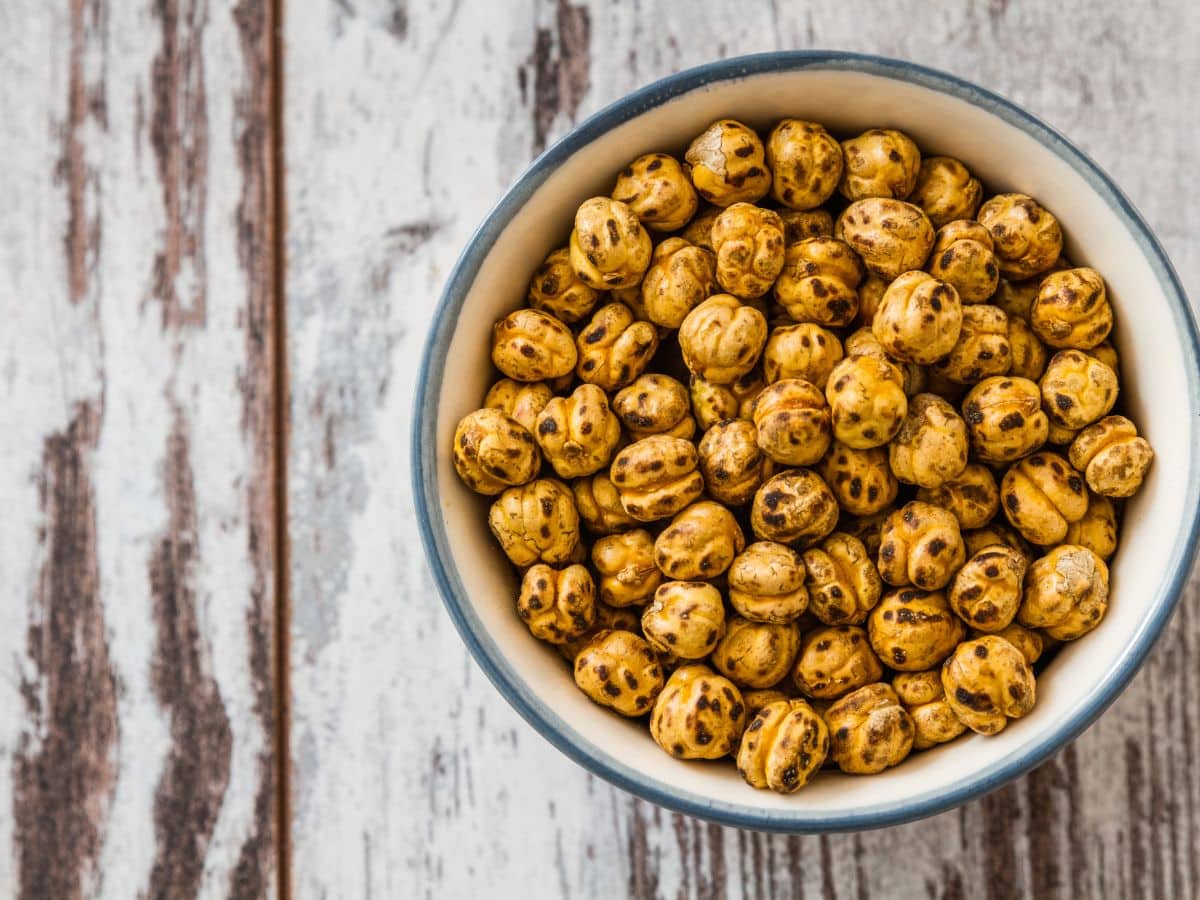
Roasted chickpeas are a favorite snack. Store them in airtight jars at room temperature for up to 1 week. For longer storage, refrigerate them.
If you make sweet or spicy roasted chickpeas, make sure they are completely cool before sealing. Warm roasted chickpeas in a closed jar can make them soggy.
For Camping Or Travel
Pack dried chickpeas in vacuum-sealed bags. They’re light and last long without refrigeration.
If you’re camping, soak chickpeas overnight in a bottle and cook over a camp stove. Roasted chickpeas also make a high-protein snack for travel.
For Sprouting
Buy small amounts of dried chickpeas, and store in cool, dry conditions. Avoid old stock; fresh beans sprout better.
Sprouting older chickpeas often leads to poor results, so buy from stores with good turnover.
Benefits Of Proper Chickpea Storage
Good storage is about more than just keeping chickpeas edible. There are extra benefits:
- Nutrient retention: Chickpeas lose vitamins if exposed to air and light.
- Better taste: Fresh chickpeas taste sweeter and cook evenly.
- Saves money: No food waste means you buy less.
- Safety: Prevents food poisoning and allergies caused by mold or spoilage.
When you store chickpeas well, you also get more creative options in the kitchen. You can prepare healthy meals quickly, without worrying about stale or spoiled ingredients.
Simple Storage Tips For Beginners
If you’re new to storing chickpeas, here are quick reminders:
- Use containers with tight-fitting lids.
- Keep containers off the floor.
- Check beans every few months.
- Don’t mix old and new batches.
- Store away from strong-smelling foods.
If you’re unsure about shelf life, write a “use by” date on each container. This makes it easy to keep track.
Sustainability And Chickpea Storage
Storing chickpeas well can also help the environment. By reducing waste, you lower your carbon footprint. Choose reusable containers over single-use bags. If you buy in bulk, transfer to jars or tins instead of plastic.
You can even use old glass jars from jams or sauces for storage—just wash and dry them well.
If you have extra chickpeas that you can’t use in time, consider sharing with neighbors or donating to a food pantry.
For more about sustainable food storage, you can check this helpful resource: EPA: Reducing Wasted Food at Home.
Credit: www.caiteyjay.com
Frequently Asked Questions
How Long Do Dried Chickpeas Last?
Dried chickpeas can last up to 2-3 years if stored in a cool, dry place in airtight containers. For best taste and texture, use within 12 months.
Can You Freeze Cooked Chickpeas?
Yes, cooked chickpeas freeze well. Dry them after cooking, spread on a tray, freeze, and then transfer to bags. They stay good for up to 6 months.
Is It Safe To Store Chickpeas In The Refrigerator?
Cooked and opened canned chickpeas should be stored in the refrigerator for up to 3-4 days. Dried chickpeas do not need refrigeration, but chickpea flour can last longer in the fridge.
What Is The Best Container For Chickpeas?
Airtight glass jars or food-grade plastic bins are best. They keep out air, moisture, and pests. Avoid thin bags or open containers.
How Do You Know If Chickpeas Have Gone Bad?
Look for mold, bugs, strange smells, or slimy texture. If you notice any of these, throw the chickpeas away.
Storing chickpeas properly is a skill that pays off in taste, nutrition, and savings. With these tips, you can enjoy chickpeas in every meal, knowing they’re always at their best.