
Jamon Serrano is a Spanish dry-cured ham loved for its deep flavor and delicate texture. Many people buy it whole, sliced, or even as a bone-in leg, but storing it properly is not always obvious. If you want to enjoy every slice at its best, understanding how to store Jamon Serrano is essential.
This guide will walk you through every method, from keeping a whole leg at home to preserving pre-sliced packs, so you can savor your ham safely and deliciously for weeks or even months.
Understanding Jamon Serrano: Why Storage Matters
Jamon Serrano is made by salting and air-curing pork legs over several months. The result is a product with low moisture and high salt, which helps preserve it. But even though it’s less perishable than fresh meat, improper storage can quickly spoil the flavor, texture, and safety of your ham. Exposure to air, sunlight, moisture, or heat can lead to mold, drying out, or even foodborne illness.
Many newcomers think Jamon Serrano needs to be kept in the fridge at all times. In reality, the best way to store it depends on its form: whole leg, sliced, or diced. Let’s explore the ideal storage for each situation, so you can avoid common mistakes and get the most from your ham.
A key reason why storage matters is that Jamon Serrano’s fat is sensitive to temperature and light. Fat can turn yellow and rancid if exposed to heat or air for too long, which not only affects taste but also aroma.
Also, the delicate balance of salt and curing means that too much humidity can encourage unwanted mold, while too little will dry out the meat until it becomes tough and chewy. Knowing these details will help you make better choices for storage, even if you live outside Spain or in a very different climate.
Storing A Whole Jamon Serrano Leg
If you have a whole, bone-in leg of Jamon Serrano, you’re holding a centerpiece of Spanish tradition. Proper storage will keep it safe, tasty, and ready to slice for many weeks or months.
Room Temperature Storage
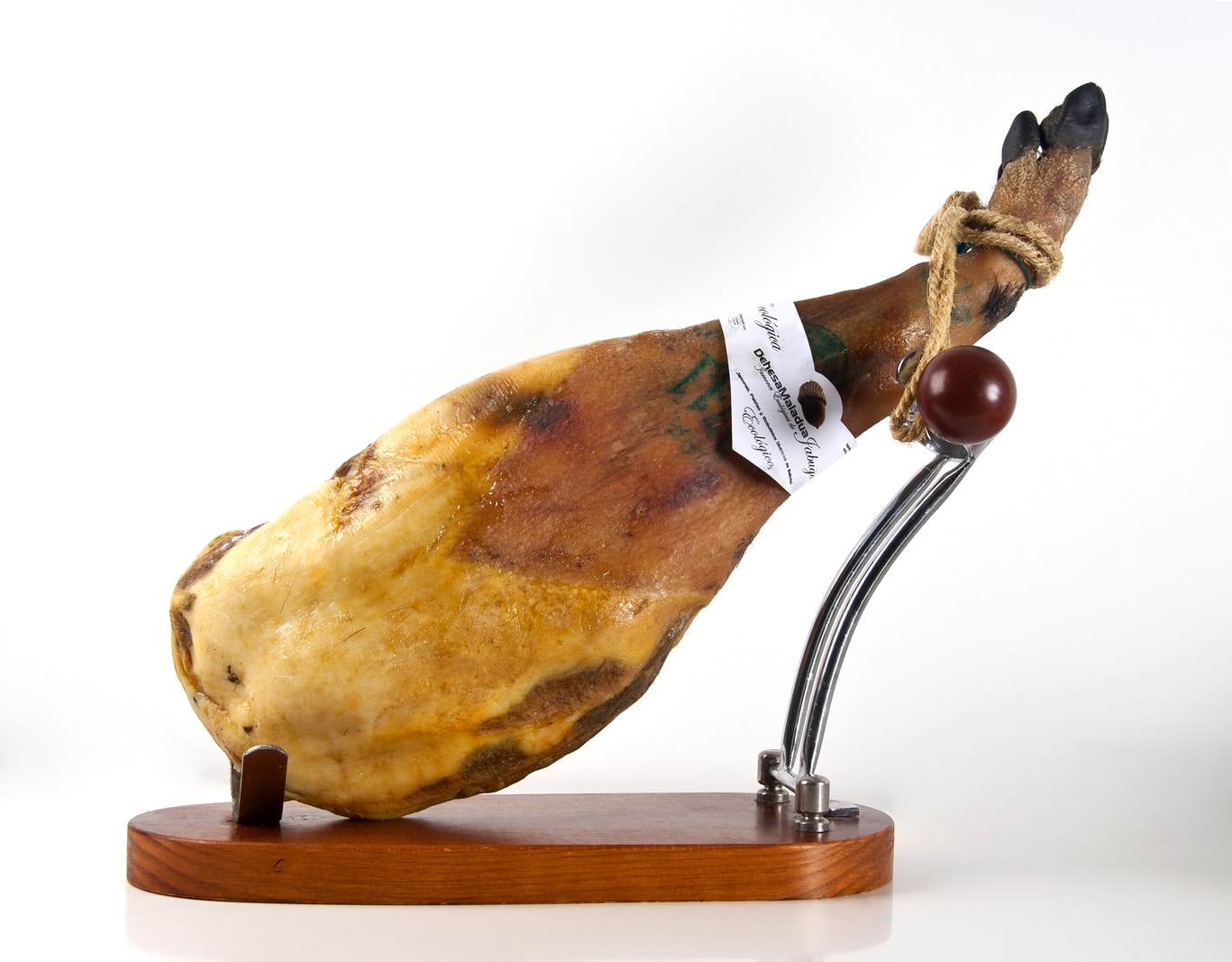
A whole, unopened leg doesn’t need refrigeration. In Spain, it’s common to see jamoneros (ham stands) on kitchen counters. The curing process protects the meat, but you still need to follow basic rules:
- Keep it in a cool, dry place: Ideal temperature is 10-18°C (50-64°F).
- Avoid direct sunlight: Sun can heat and dry out the meat unevenly.
- Allow airflow: Do not wrap it in plastic. A cotton cloth or cheesecloth keeps dust away but lets the ham breathe.
Example: A pantry, cellar, or a dedicated food storage room is best. Avoid placing it near stoves, ovens, or radiators.
It’s also important to avoid places with strong odors, like a laundry room or near cleaning products. Jamon Serrano absorbs smells easily, and this can affect both the taste and the enjoyment of your ham. Even strong kitchen smells from spices, onions, or garlic can transfer to the ham over time.
After Starting The Ham
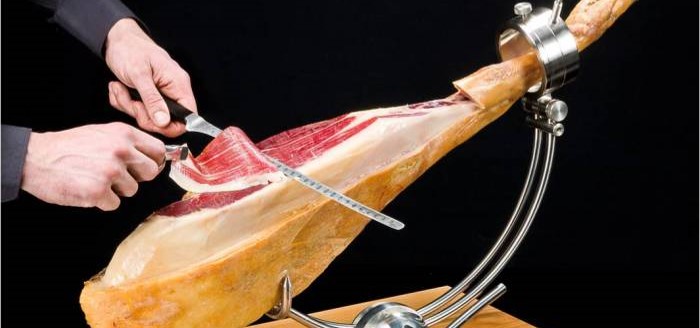
Once you cut into the leg, the exposed surface becomes more vulnerable. To prevent drying and contamination:
- Cover the cut area: Use the trimmed rind or a piece of the ham’s fat to shield the exposed meat.
- Wrap loosely with a clean cotton cloth: This keeps out dust and flies but maintains airflow.
- Return to the jamonero: Keep it at room temperature, away from strong odors.
A common practice among experienced Spanish households is to gently press the fat onto the cut surface so it forms a protective seal. If you accidentally remove too much fat when trimming, you can use a piece of parchment paper as a backup layer, but make sure not to press it too tightly.
Too much pressure restricts airflow and can cause moisture buildup.
Mold: What To Do
A thin white mold may appear on the surface, especially if humidity is high. This is normal and similar to cheese aging. Simply wipe it off with a cloth dampened in olive oil or a little warm water.
If you notice mold forming quickly or repeatedly, check your storage spot for excess humidity. Sometimes, even a small change, like moving the ham a few feet away from a window or open pipe, can improve air circulation and reduce mold growth.
Remember, white mold alone is not a reason to worry, but always check for color and smell.
How Long Will It Last?
- Unopened whole leg: Up to 9–12 months at room temperature
- After first cut: About 3–4 weeks if covered and stored properly
Non-obvious insight: Many beginners cover the cut ham with plastic wrap. This traps moisture and can cause spoilage. Always use breathable materials like cloth or fat.
Another point: temperature swings are harmful. If your home has big changes between day and night, try to pick a spot that stays as stable as possible. Sudden drops or rises can cause the fat to sweat or the meat to contract, both of which speed up spoilage.
Storing In The Fridge: When Is It Needed?
Refrigeration is only necessary if your home is very warm (above 20°C/68°F) or for long-term storage after slicing. Cold temperatures can dull the flavor and make the fat hard, so use the fridge as a last resort for a whole leg.
If you must refrigerate, wrap the leg in a cotton cloth and then in paper, never in plastic. Allow it to come to room temperature before slicing so the flavor and texture return.

Credit: www.jamon.com
Storing Pre-sliced Jamon Serrano
Pre-sliced Jamon Serrano is convenient but more sensitive to air and moisture. It’s sold vacuum-packed or in paper-wrapped portions.
Vacuum-packed Slices
Vacuum packaging protects the ham from air and bacteria, but once opened, it’s exposed to spoilage.
Unopened pack:
- Store in the fridge at 4–8°C (39–46°F).
- Check the “best before” date.
After opening:
- Remove only as many slices as you’ll eat immediately.
- Reseal tightly using plastic wrap or a zip bag, or transfer to an airtight container.
- Consume within 3–5 days.
Tip: Let slices come to room temperature (about 20 minutes) before eating for the best flavor.
When opening a vacuum pack, peel the slices gently. If they stick together, separate them carefully—tearing damages the texture. If the pack has excess moisture inside, pat the slices dry with a paper towel before arranging them on a plate.
This helps prevent sogginess and keeps the flavor pure.
Paper-wrapped Slices (from A Deli)
These should be eaten as soon as possible. If you must store them:
- Wrap in parchment or wax paper.
- Place in an airtight container.
- Keep in the fridge and eat within 2 days.
Data comparison: Here’s a quick overview of how long sliced Jamon Serrano lasts in different forms:
| Storage Method | Unopened | After Opening |
|---|---|---|
| Vacuum-packed | Up to 3 months | 3–5 days |
| Deli paper-wrapped | Same day | 1–2 days |
| Homemade sliced (from whole leg) | N/A | 1–2 days |
Non-obvious insight: Never freeze vacuum-packed slices unless the package says it’s safe. Freezing changes the texture and causes water to separate from the fat, making the ham rubbery.
Also, avoid stacking slices in the fridge. Instead, lay them flat in a single layer and, if needed, place parchment paper between layers to keep them from sticking together.
Storing Diced Or Trimmed Jamon Serrano
Sometimes, you may have diced pieces (often used for cooking) or leftover trimmings. These are more perishable because of the extra surface area.
- Store in an airtight container in the fridge.
- Use within 3–4 days.
- For longer storage, freezing is possible, but wrap tightly to avoid freezer burn.
Freezing tip: Portion diced ham into small bags so you only thaw what you need. Thawed ham is best used in cooked dishes, as the texture may change.
If you plan to use diced ham in salads or cold dishes, it’s better not to freeze it. For cooked recipes like omelets, soups, or stews, frozen ham works well. Make sure to label the freezer bags with the date, so you use the oldest portions first.
Credit: www.gastroiberico.com
Storing Jamon Serrano Bones
The bone from a whole leg has rich flavor and can be used for soups or stews. Store it as follows:
- Keep in the fridge, wrapped in foil or a freezer bag.
- Use within 1 week.
- For longer storage, freeze for up to 6 months.
Practical example: Add the bone to bean stews or broths for an authentic Spanish taste.
For extra flavor, roast the bone for 10–15 minutes in the oven before adding it to your soup pot. This brings out nutty, savory notes that enhance your dish.
Do’s And Don’ts For Storing Jamon Serrano
To help you avoid common mistakes, here’s a quick summary of dos and don’ts.
Do:
- Store whole legs at room temperature in a cool, dry spot.
- Cover exposed meat with fat or cloth, not plastic.
- Let sliced ham come to room temperature before eating.
- Use airtight containers for cut pieces.
Don’t:
- Store whole legs in the fridge unless necessary.
- Cover the ham with plastic wrap directly on the meat.
- Freeze whole legs (destroys texture and flavor).
- Leave cut slices exposed to air.
Being consistent with these habits will keep your Jamon Serrano enjoyable down to the last slice.
Comparing Storage Methods
Choosing the right storage method depends on how you bought your Jamon Serrano and how long you plan to keep it.
| Form | Best Storage | Shelf Life | Flavor Quality |
|---|---|---|---|
| Whole leg, unopened | Cool, dry room | 9–12 months | Excellent |
| Whole leg, cut | Covered at room temp | 3–4 weeks | Excellent |
| Vacuum-packed slices | Fridge | 3 months unopened | Very good |
| Loose slices | Fridge, airtight | 1–2 days | Good |
| Diced/trimmed pieces | Fridge/freezer | 3 days / 3 months | Best cooked |
If you regularly buy different forms of Jamon Serrano, consider keeping a small notebook to track when you opened each pack or started a leg. This helps you avoid forgetting how long something has been stored, and reduces food waste.
How Temperature And Humidity Affect Jamon Serrano
Temperature and humidity are the two most important environmental factors for storing Jamon Serrano.
- Ideal temperature: 10–18°C (50–64°F)
- Ideal humidity: 60–80%
If your kitchen is too warm or humid, the fat may turn yellow and rancid, and the meat could mold or spoil. If it’s too dry, the ham will harden and lose its delicate texture.
How to control it:
- In summer, move the ham to a cooler spot or use a wine fridge set to 15°C.
- Avoid basements that are damp or have mold.
- Never store near windows, ovens, or heaters.
Example: In humid climates, check the ham weekly for surface mold. In dry areas, rub a little olive oil on the cut surface to keep it moist.
If you use air conditioning or heating, be aware that these can change the humidity in your home quickly. A small humidity gauge (hygrometer) is a handy tool for monitoring conditions, especially if you store ham or other cured meats regularly.
Storing Jamon Serrano In Special Cases
High Temperatures
If room temperature stays above 20°C (68°F), consider:
- Using a wine fridge or cellar.
- Storing in the fridge, but let it warm up before slicing.
A quick test: if the fat starts to drip or sweat, the room is too warm. Move your Jamon Serrano to a cooler place immediately.
Low Humidity
If air is dry (like in heated winter homes):
- Cover the cut with extra fat.
- Rub with a little olive oil to prevent hardening.
- Slice only what you need.
If you find cracks forming in the exposed meat or the fat turns brittle, increase the protection layer and check storage conditions more often.
Traveling Or Gifting
If you’re transporting Jamon Serrano:
- For short trips, wrap in cloth and keep cool.
- For long journeys, use vacuum-packed slices and a cooler.
- Avoid leaving in a hot car or direct sun.
If you’re giving a whole leg as a gift, include instructions for storage. Many people are unfamiliar with how to care for a whole ham, so a short note helps them avoid mistakes.
Storing Commercially Sliced Packs
For sealed packs, always check the label. Some brands use preservatives; others don’t. Follow the specific storage advice.
If the pack says “consume within 48 hours after opening,” take it seriously—preservative-free ham spoils faster and should be enjoyed quickly.
How To Tell If Jamon Serrano Has Gone Bad
Even with the best storage, Jamon Serrano can spoil. Watch for these signs:
- Off smell: Sour, musty, or strong ammonia odors.
- Green, black, or fuzzy mold: Unlike the thin white film, these molds are not safe.
- Sticky or slimy texture: Indicates bacterial growth.
- Yellow, rancid fat: Means the fat has oxidized; cut off affected parts, but if strong, discard the ham.
When in doubt, it’s safer to discard questionable ham.
If only a small area is affected, you can trim off that section. But if the smell or color change is widespread, it’s better not to risk it. Jamon Serrano is expensive, but food safety is more important.
How To Store Jamon Serrano For Maximum Flavor
To enjoy the full flavor, always let Jamon Serrano come to room temperature before eating. Cold ham tastes dull and the fat is hard.
- Take slices or pieces out of the fridge 20–30 minutes before serving.
- Arrange on a plate, cover lightly, and let “breathe.”
- For a whole leg, slice only what you’ll use, and cover the rest.
Practical tip: If the cut surface looks dry, trim a thin layer before slicing for the best taste.
Don’t rush the process—let the fat soften and the aroma develop. This small step makes a big difference in the final taste and mouthfeel.
How To Store Jamon Serrano With A Jamonero Stand
A jamonero is the traditional stand for holding a whole leg. To store ham on a jamonero:
- Place the stand in a cool, dry spot.
- Cover the exposed area with fat and a clean cloth.
- Rotate the ham every few days to avoid pressure spots.
Non-obvious insight: Never store the leg upright for long periods without support, as the weight can damage the structure of the meat.
If you notice the bottom of the ham getting misshapen, adjust the stand or lay the ham horizontally for a day or two to balance the pressure.
Mistakes Beginners Make When Storing Jamon Serrano
Many first-time buyers make mistakes that ruin their ham. Here are the most common, and how to avoid them:
- Storing a whole leg in plastic: Traps moisture and breeds bacteria.
- Putting slices back in the vacuum bag after opening: Once opened, the vacuum seal is lost. Use a new container.
- Leaving sliced ham uncovered in the fridge: Dries out quickly and picks up odors.
- Freezing whole legs: Texture is destroyed and flavor is lost.
- Cutting too much at once: Slices dry out rapidly. Only cut what you need.
Another beginner mistake is storing the ham near strong-smelling foods like cheese, onions, or spices. Jamon Serrano easily absorbs odors, which can ruin its delicate aroma.
How To Store Jamon Serrano For Events Or Parties
If you’re serving Jamon Serrano at a gathering:
- Slice ham just before guests arrive.
- Arrange slices in a single layer on a platter.
- Cover with a clean cloth until serving.
- For large quantities, keep backup slices in airtight containers in the fridge, and refresh the platter as needed.
For outdoor events in warm weather, use a cooler with ice packs to keep backup slices cold, and only set out small amounts at a time. This prevents the ham from sweating or drying out before guests can enjoy it.
Sustainable Storage And Reducing Waste
Jamon Serrano is a premium product. To avoid waste:
- Save trimmed fat and rind to cover exposed surfaces.
- Use leftovers in soups, stews, or pasta.
- Freeze diced pieces for cooking.
- Reuse bones for broth.
Example: Spanish cooks often save even small scraps to flavor beans or vegetables.
If you have too many leftovers, share with friends or neighbors. Jamon Serrano makes a great addition to shared meals and helps make sure every bit is enjoyed.
Jamon Serrano Storage: Key Takeaways
To recap the essentials:
- Store whole, unopened legs at room temperature.
- Cover exposed areas with fat and cloth, not plastic.
- Refrigerate sliced portions, and eat them quickly.
- Watch for signs of spoilage.
- Let the ham warm up before serving for the best flavor.
With these habits, your Jamon Serrano will stay delicious and safe as long as possible.
Credit: www.ibericoclub.com
Frequently Asked Questions
How Long Does A Whole Jamon Serrano Leg Last At Home?
A whole, unopened leg can last up to 12 months at room temperature if stored in a cool, dry place. Once cut, use within 3–4 weeks for best quality. Cover exposed areas with fat and a cloth, and keep away from heat and sunlight.
Can You Freeze Jamon Serrano?
It’s best not to freeze a whole leg or delicate slices, as freezing changes the texture and flavor. However, small diced pieces or trimmings can be frozen in airtight bags for up to 3 months and used in cooking.
Is Mold On Jamon Serrano Dangerous?
A thin white mold is normal and not harmful; simply wipe it off with olive oil or a damp cloth. Green, black, or fuzzy mold is dangerous—discard the affected ham if you see these types.
Should Jamon Serrano Be Stored In The Fridge?
Whole, unopened legs do not need refrigeration if kept cool and dry. Sliced ham should be stored in the fridge in an airtight container and eaten within a few days. Only refrigerate a whole leg if your room is too warm or humid.
How Do You Store Jamon Serrano After Slicing?
Wrap slices in parchment or wax paper, place in an airtight container, and refrigerate. Eat within 3–5 days. Let slices come to room temperature before eating for the best taste.
For more details on Spanish ham and traditional practices, you can read about Jamón Serrano on the Wikipedia page.
Jamon Serrano is a special food that rewards careful storage. With these methods, you’ll enjoy every savory slice, whether from a grand whole leg or a small pack of pre-sliced ham.