
Storing pita bread the right way can make a huge difference in taste and texture. Many people buy or bake pita bread expecting it to stay soft and fresh, but soon find it dry, hard, or even moldy. Learning how to store pita bread properly can save money, prevent food waste, and help you enjoy delicious bread whenever you want. Whether you have homemade pita, fresh bakery pitas, or packaged ones from the store, the right storage methods can keep them fresh for days—or even weeks.
But storing pita bread is not as simple as tossing it in a bag and forgetting about it. Temperature, moisture, and air exposure all play a role. In this guide, you’ll discover the best ways to store pita bread, whether you want to keep it for a day, a week, or even longer.
You’ll also learn how to revive stale pita, spot when it’s gone bad, and avoid common mistakes that cause disappointment. By the end, you’ll have the confidence to keep your pita bread soft, tasty, and ready for your next meal.
Understanding Pita Bread: Why Storage Matters
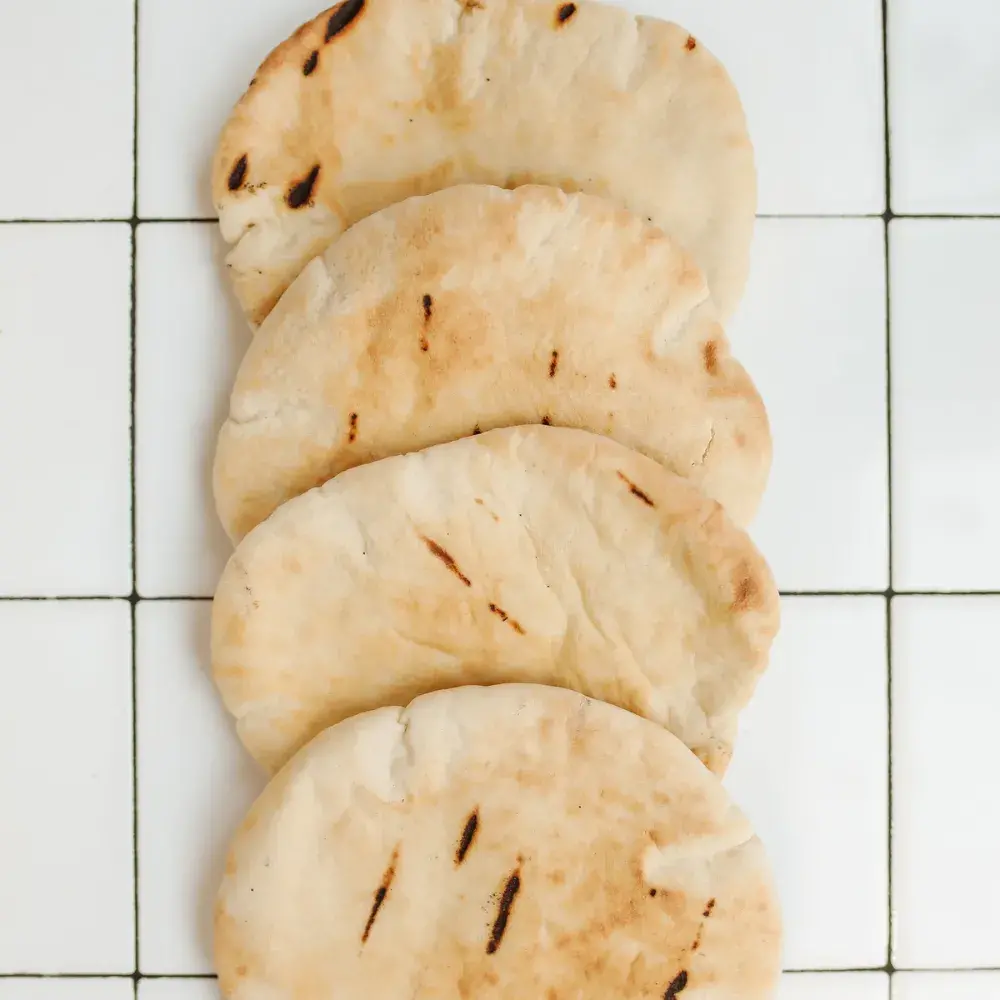
Pita bread is a type of flatbread that’s famous for its pocket, making it perfect for sandwiches, dips, and wraps. It’s made from simple ingredients: flour, water, yeast, salt, and sometimes oil or sugar. Because it’s soft and has a high moisture content, pita bread can dry out fast or develop mold if not stored well.
Fresh pita has a slightly chewy texture and a pleasant aroma. As soon as it’s exposed to air, it begins to lose moisture. If you leave pita uncovered for a few hours, you’ll notice it becomes dry and brittle. Storing it the right way slows down this process, keeping your bread soft and safe to eat.
What Makes Pita Different From Other Breads?
Pita is unique because of its thin layers and steam-created pocket. These features mean it can lose moisture more quickly than denser breads. Also, pita usually does not have preservatives (especially homemade or bakery versions), so it can spoil faster than packaged sandwich bread.
Short-term Storage: Keeping Pita Fresh For A Few Days
If you plan to eat your pita within two to three days, short-term storage is enough. The goal here is to keep the bread soft and prevent it from drying out.
Storing At Room Temperature
Room temperature storage works well if you eat pita bread quickly. Here’s how to do it right:
- Cool the Bread Completely: If you baked the pita yourself, let it cool completely before storing. Warm bread releases steam, which can make it soggy and encourage mold.
- Wrap Properly: Use a plastic bag, zip-top bag, or airtight container. Make sure all air is squeezed out. This keeps the pita from drying.
- Keep Away from Sunlight and Heat: Store the wrapped pita in a cool, dry place—like a bread box, pantry, or cupboard. Avoid keeping it near ovens or windows.
Fresh pita stored this way should stay soft for up to 2 days. If you live in a humid area, the bread may mold sooner, so check it daily.
Using A Bread Box
A bread box can be a good choice for short-term storage. It keeps the bread away from air but allows a little airflow to prevent too much moisture. Wrap the pita in a cloth or paper towel before putting it in the bread box. This adds a layer of protection and prevents it from getting hard.
Should You Refrigerate Pita For Short-term?
Many people wonder if refrigeration helps. For most fresh pita bread, refrigeration is not ideal for short-term storage. The cold air inside a fridge dries out bread quickly, making it tough and chewy. However, if your kitchen is very hot or humid, refrigeration is better than leaving pita out—just be ready to reheat it before eating.
:max_bytes(150000):strip_icc()/GettyImages-584182529-58445e6e3df78c0230e37f8e.jpg)
Credit: www.thespruceeats.com
Medium-term Storage: Extending Freshness For A Week
Sometimes you want to keep pita bread fresh for more than a couple of days. Maybe you bought a big pack or baked a lot at once. Medium-term storage can help.
Refrigeration: When And How To Do It
Refrigerating pita is a good idea if you won’t eat it within 2 days, or if your home is very warm and humid. Here’s how to do it:
- Wrap Well: Use plastic wrap, foil, or a zip-top bag. Push out as much air as possible.
- Double Bag for Extra Protection: For added freshness, put the wrapped pita inside another bag or container.
- Use the Crisper Drawer: This area has higher humidity and is usually cooler, which helps preserve softness.
Properly wrapped, pita can last in the fridge for up to one week. But remember, the texture may change a bit—it can become firmer. Warming it before serving brings back some softness.
When Not To Refrigerate
If you have bakery pita with no preservatives, and your kitchen is cool and dry, it’s better to leave the pita at room temperature for 1-2 days. Only refrigerate if you need to extend the life beyond this period.
How To Reheat Refrigerated Pita
To bring pita back to life after refrigeration:
- Microwave: Place pita on a plate, cover with a damp paper towel, and heat for 10-15 seconds.
- Oven: Wrap in foil and warm at 180°C (350°F) for 5-7 minutes.
- Stovetop: Heat in a dry skillet for 1-2 minutes per side.
Adding a bit of steam (with a damp towel or spray) helps soften the bread.
Long-term Storage: Freezing Pita Bread
Freezing is the best way to store pita bread for weeks or even months without losing quality. When done correctly, frozen pita bread can taste almost as good as fresh.
How To Freeze Pita Bread
Follow these steps for successful freezing:
- Cool Completely: Make sure the pita is at room temperature.
- Separate Layers: Put a piece of parchment or wax paper between each pita to prevent sticking.
- Wrap Tightly: Use plastic wrap, then put the stack in a freezer-safe zip-top bag. Squeeze out as much air as possible.
- Label and Date: Write the freezing date on the bag, so you know how long it’s been stored.
Properly frozen pita can last up to 3 months without significant loss of quality.
Thawing And Reheating Frozen Pita
To use frozen pita, you have a few options:
- Room Temperature Thawing: Take out as many as you need and let them sit at room temperature for 30-60 minutes.
- Microwave: Place a pita on a plate and microwave for 10-20 seconds. Cover with a damp towel for best results.
- Oven: Wrap in foil and bake at 180°C (350°F) for 10 minutes.
Never thaw pita in the refrigerator, as it can become soggy.
Freezing Homemade Vs. Store-bought Pita
Both types freeze well, but homemade pita (with no preservatives) should be used within 2 months for best flavor. Store-bought pita may last a little longer.
Whole Pita Vs. Cut Pita
It’s better to freeze whole pita rather than cut pieces. Cutting increases the surface area and exposes more to air, which can cause freezer burn faster.
Comparing Storage Methods: Which One Is Best?
Choosing the right storage method depends on how quickly you’ll eat the pita, the climate, and personal preference.
Here’s a handy comparison of common storage options:
| Storage Method | Best For | How Long It Lasts | Pros | Cons |
|---|---|---|---|---|
| Room Temperature (Airtight Bag) | Fresh or bakery pita, eaten in 1-2 days | 1-2 days | Easy, keeps bread soft | Risk of molding in humid weather |
| Bread Box | Short-term, dry climates | 1-2 days | Prevents drying, some airflow | Not for long-term use |
| Refrigerator | Medium-term, hot/humid areas | Up to 1 week | Slows mold growth | Can dry out bread |
| Freezer | Long-term storage | Up to 3 months | Keeps texture and flavor | Needs thawing before use |
Storing Different Types Of Pita Bread
Not all pita bread is the same. Storage needs can change based on the type you have.
Homemade Pita
Homemade pita usually has no preservatives, so it goes stale or molds faster. Follow the short-term or freezer storage methods. If you bake a big batch, freeze extras right away.
Store-bought Fresh Pita
Many supermarket pitas are a bit sturdier, but once the package is opened, treat them like homemade. If unopened, they may last a few days longer due to preservatives. Always check the label for “best by” dates.
Packaged Or Pre-sliced Pita
Packaged pita (especially with slices) tends to dry out faster after opening. Squeeze out extra air from the bag, and store in the fridge or freezer if not used within 2 days.
Whole Wheat Or Flavored Pita
Pitas made with whole wheat or added ingredients (like herbs or cheese) may contain more moisture and can spoil faster. Check these pitas daily for mold if storing at room temperature.

Credit: pantryandlarder.com
How To Tell If Pita Bread Is Bad
Storing pita bread safely includes knowing when it’s no longer good to eat. Pita can go bad in a few ways:
- Mold: Small white, green, or black spots are a sign of mold. Even a tiny spot means the whole bread should be thrown away.
- Off Smell: If pita smells sour, musty, or “off,” don’t eat it.
- Excess Dryness: Very hard, brittle pita can sometimes be revived, but if it’s rock solid, it’s best discarded.
- Slimy Texture: If the bread feels sticky or slimy, it’s spoiled.
When in doubt, throw it out. Eating spoiled bread can cause stomach upset or illness.
Reviving Stale Or Dry Pita Bread
Even if pita bread feels a bit dry, you can often bring it back to life. Here’s how:
Using The Microwave
- Place the pita on a plate and cover with a slightly damp paper towel.
- Microwave for 10-20 seconds. The steam will soften the bread.
- Eat right away for best texture.
Using The Oven
- Preheat the oven to 180°C (350°F).
- Sprinkle a few drops of water on the pita.
- Wrap in foil and heat for 5-7 minutes.
- Remove and serve warm.
Using The Stovetop
- Heat a non-stick skillet over medium.
- Place pita directly on the pan for 1-2 minutes per side.
- Press gently with a spatula to encourage puffing.
Pro Tip
Never soak pita in water; it will become gummy. A little steam works wonders, but too much water ruins the texture.
Common Mistakes To Avoid
Many people make simple mistakes when storing pita bread, which leads to waste. Avoid these errors:
- Leaving Pita Unwrapped: Air exposure dries out pita quickly.
- Storing Warm Bread: Always cool before storing to prevent sogginess and mold.
- Keeping in the Fridge Too Long: Refrigeration is better than nothing, but long storage makes pita hard.
- Not Checking for Mold: Especially in humid climates, mold can grow fast.
- Freezing Without Separation: Pita breads will stick together if not separated with paper.
- Using Old Bags: Reuse is fine, but make sure bags are clean and dry.
- Ignoring Expiration Dates: For store-bought pitas, always check the label.
- Storing Near Strong Odors: Pita can absorb smells from garlic, onions, or cleaning products.
How Climate Affects Pita Storage
Where you live has a big impact on how long your pita stays fresh.
- Hot and Humid Climates: Mold grows quickly. Use the fridge or freezer for anything not eaten in 1-2 days.
- Cool and Dry Climates: Room temperature storage works better, but bread can dry out faster. Store in airtight containers.
- High Altitude: Pita may dry out quickly; use more protection (double bagging).
Credit: habibishawarmas.com
Eco-friendly And Practical Tips
- Reuse Bags: Clean zip-top bags or bread bags can be used again for storing pita.
- Compost: If you must throw away stale pita, consider composting (if your area allows).
- Smaller Batches: Bake or buy only what you need, and freeze the rest.
Special Situations: Packing Pita Bread For Travel Or Lunch
If you want to take pita bread for lunch or on a trip, keep these tips in mind:
- Use a Small Airtight Container: Keeps the bread from getting squished and dry.
- Add Moist Foods Just Before Eating: If making sandwiches, keep fillings separate until ready to eat.
- Use Insulated Bags: In hot weather, insulated lunch bags keep pita fresher.
Storing Pita With Fillings
Pita sandwiches are tasty, but storing them is tricky. Moist fillings can make the bread soggy. For best results:
- Store pita and fillings separately.
- If you must prepare ahead, line the inside of the pita with lettuce or spinach to create a barrier.
- Eat stuffed pitas within 4 hours if unrefrigerated, or within 24 hours if stored cold.
Data: Pita Bread Shelf Life Comparison
For a quick look at how long pita bread lasts under different conditions, see the table below:
| Type | Room Temp (Days) | Fridge (Days) | Freezer (Months) |
|---|---|---|---|
| Homemade Pita | 1-2 | 5-7 | 2 |
| Store-Bought (Opened) | 2-3 | 7 | 3 |
| Packaged (Unopened) | Up to Best By Date | 7-10 | 3 |
Keep in mind these are estimates. Always check for spoilage before eating.
Expert Insights: What Beginners Often Miss
- Air Is the Enemy: Even a little air exposure dries out pita quickly. Always seal bags tightly.
- Freezer Burn Can Happen Fast: If pita isn’t wrapped well, it can get freezer burn in just a few weeks.
- Reviving Tricks Don’t Work for Moldy Bread: You can bring back softness to stale pita, but never try to save moldy bread.
- Humidity Matters: In very humid climates, mold can grow even in airtight bags. Consider freezing as the safest option.
Best Practices For Storing Pita Bread
For the best results every time:
- Buy or bake only as much as you’ll eat in a few days.
- Cool bread completely before storing.
- Use airtight packaging for room temperature or fridge storage.
- Freeze extra pita with parchment between layers.
- Reheat gently with a little moisture to revive texture.
These steps help you avoid waste and enjoy pita bread at its best.
Frequently Asked Questions
How Long Can Pita Bread Stay Fresh At Room Temperature?
Pita bread typically stays fresh at room temperature for 1 to 2 days if stored in an airtight bag or container. In humid climates, mold may appear sooner, so check the bread daily.
Can You Freeze Pita Bread With Fillings Inside?
It’s not recommended to freeze pita with fillings. The moisture from ingredients like meat, cheese, or vegetables can make the bread soggy and affect the texture after thawing. Freeze pita and fillings separately for best results.
What Is The Best Way To Reheat Pita Bread?
The best way to reheat pita is to wrap it in foil and warm it in the oven at 180°C (350°F) for 5-7 minutes. For quick reheating, use a microwave with a damp paper towel for 10-15 seconds. This restores softness and flavor.
Is It Safe To Eat Pita Bread With A Small Amount Of Mold?
No, it is not safe. Even a small spot of mold means the entire pita could be contaminated. Mold roots can spread beyond what you see. Throw away any pita with mold.
Where Can I Learn More About Storing And Baking Bread?
For more detailed information about bread storage and baking science, visit this Wikipedia Bread page.
Storing pita bread the right way isn’t complicated, but it does take a little attention. With these tips and techniques, you’ll enjoy soft, fresh pita for every meal—while reducing waste and saving money. When you treat your bread with care, every bite stays delicious.