
Turning on a pool light might sound simple, but it’s often more complex than flipping a switch. Pools use different lighting systems, each with unique controls and wiring. Some require manual switches, while others use remote controls or are linked to smart home systems.
If you’re new to pool ownership or just want to make sure you’re doing things safely and correctly, understanding the process is essential. Proper pool lighting not only makes swimming at night enjoyable but also improves safety, ambiance, and the overall look of your pool area.
This guide will walk you through everything you need to know about how to turn on a pool light. You’ll learn about different types of pool lights, step-by-step instructions for various setups, safety tips, troubleshooting common issues, and how to keep your lighting system in top shape.
Even if you’re a beginner or not very handy, this article will help you get comfortable with your pool’s lighting system.
Types Of Pool Lights
Before you turn on your pool light, you need to know what kind of system you have. Pool lights come in several types, and each type has its own control method.
1. Incandescent Pool Lights
Incandescent lights are the traditional style found in many older pools. They produce a warm, yellowish light and usually have a simple on/off switch. These lights are less energy efficient but can last for several years if maintained well.
2. Halogen Pool Lights
Halogen lights are a step up from incandescent. They are brighter, use less energy, and have a whiter color temperature. Halogen lights are controlled much like incandescent lights, usually with a wall switch or circuit breaker.
3. Led Pool Lights
LED pool lights are the most popular choice in modern pools. They are energy efficient, long-lasting, and often come with color-changing features. Control can range from a basic switch to advanced smartphone apps or remote controls.
4. Fiber Optic Pool Lights
Fiber optic lights are less common but offer unique effects. The light source is outside the pool, and light is transmitted through fiber cables. These systems are typically operated from a central box near the pool equipment.
5. Solar Pool Lights
Solar-powered pool lights float on the water or are installed on the pool’s edge. They turn on automatically at night if charged, and usually do not require any wiring or switches.
Understanding your type of pool light is critical before you try to turn it on. If you’re unsure, check your pool’s manual or contact the installer.
Standard Ways To Turn On A Pool Light
The method for turning on your pool light depends on the light type and installation. Let’s look at the most common methods.
1. Manual Wall Switch
Many pools have a simple wall switch near the pool area, garage, or inside the house. It looks just like a regular light switch. Flipping it up turns on the pool light; flipping it down turns it off. Sometimes, the switch is labeled “POOL LIGHT.”
2. Circuit Breaker Panel
Some pools use a dedicated breaker in the electrical panel. To turn on the pool light, you need to flip the correct breaker to the “on” position. The breaker might be labeled with the pool light’s name.
3. Remote Control
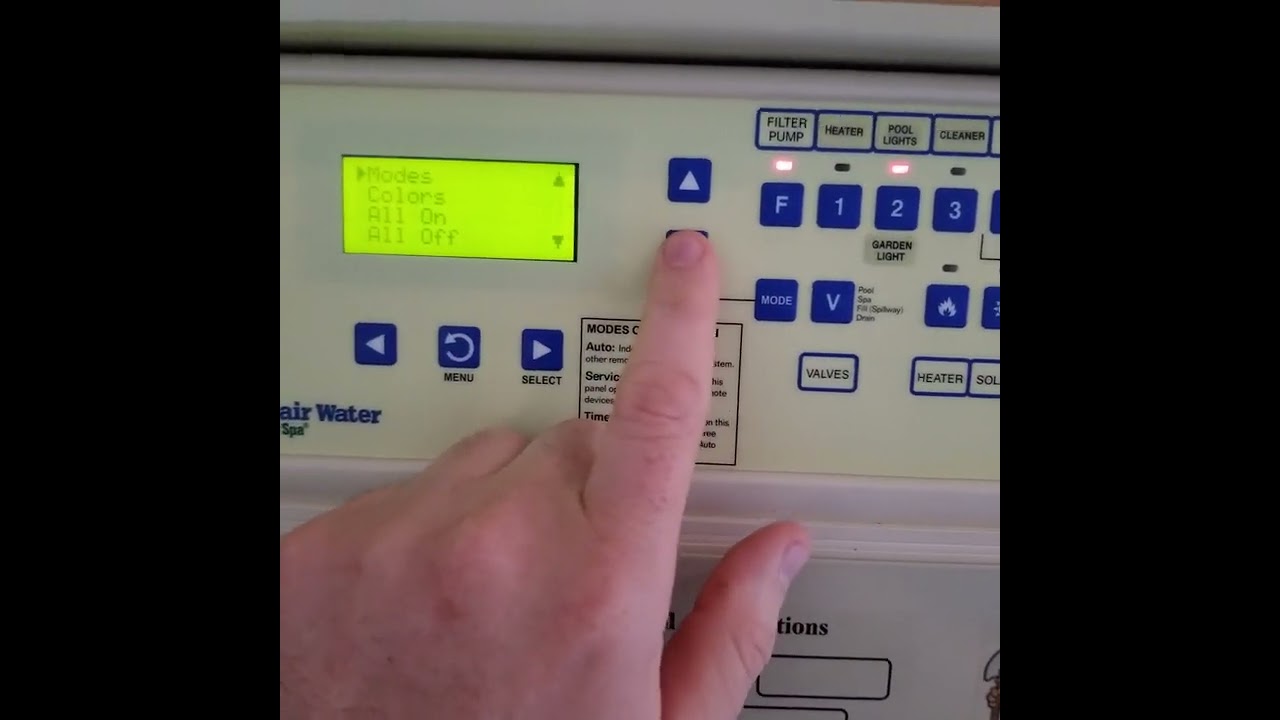
Modern pools often use a remote control system. This can be a handheld device, a wall-mounted panel, or a smartphone app. Some systems let you adjust brightness, color, and even run preset lighting shows.
4. Timer Or Automation System
If you have a pool automation system (like Pentair, Hayward, or Jandy), your pool light might be part of a programmed schedule. You can override the timer by using the system’s control panel or app to turn the light on or off manually.
5. Solar Pool Light Operation
For solar pool lights, there’s usually no switch. These lights turn on automatically at dusk as long as they have enough charge. If the light isn’t working, check the batteries or solar panel for dirt.

Credit: www.reddit.com
Step-by-step Guide: How To Turn On A Pool Light
Now, let’s walk through the exact steps for the most common lighting systems. Always make sure your hands are dry and you’re not standing in water when handling electrical switches.
Turning On A Hardwired Pool Light
- Locate the Control: Find the wall switch, breaker, or control panel that operates the pool light.
- Check for Power: Make sure your pool’s electrical system is on. If there’s been a recent power outage, some systems may need to be reset.
- Flip the Switch or Breaker: Turn the switch or breaker to the “on” position. You should see the pool light illuminate within a few seconds.
- Observe the Light: Check the pool for illumination. If the light doesn’t turn on, proceed to troubleshooting steps.
Turning On A Pool Light With A Remote Control
- Get the Remote: Make sure the remote control has working batteries.
- Power On: Press the designated “Pool Light” button. For color-changing LEDs, you may need to press and hold or cycle through options.
- Check the Receiver: If the light doesn’t respond, ensure the remote receiver near your pool equipment is powered and within range.
- Observe the Result: Confirm the light is on and displaying the desired effect.
Turning On A Smart Pool Light
- Open the App: Use your smartphone or tablet to open the pool automation app.
- Connect to the System: Make sure your app is connected to your pool’s Wi-Fi or automation hub.
- Select Pool Light: Tap the “Pool Light” option and choose “On.” You may also select color or brightness settings.
- Confirm Activation: Look at the pool to ensure the light has turned on.
Turning On A Solar Pool Light
- Check Placement: Ensure the solar light is placed where it receives plenty of sunlight during the day.
- Wait for Dusk: Solar lights should turn on automatically at night.
- Test Manually: Some models have a test button to check operation during the day.
Safety Precautions When Turning On A Pool Light
Electricity and water are a dangerous combination. Always follow these safety rules:
- Never touch electrical switches or panels with wet hands or feet.
- Do not turn on the pool light if the water level is below the light fixture.
- If you see water inside the light lens, do not use the light. Call a professional.
- Always use a ground fault circuit interrupter (GFCI) for pool lighting circuits.
- If the light flickers, buzzes, or smells like burning plastic, turn it off immediately.
Many pool accidents happen when people ignore simple safety steps. If you’re unsure, consult a certified pool electrician.
Common Pool Light Problems (and How To Fix Them)
Turning on your pool light doesn’t always go smoothly. Here are common issues and solutions:
Pool Light Won’t Turn On
- Tripped breaker: Check your electrical panel and reset the breaker.
- Blown fuse: Some systems have a fuse that may need replacing.
- Burned out bulb: Older incandescent or halogen lights need bulb replacement after a few years.
- Loose wiring: Vibration or moisture can loosen connections. This usually requires a professional to repair.
- GFCI tripped: Reset the GFCI outlet or breaker.
Light Flickers Or Is Dim
- Low voltage: This happens if the transformer is failing or the wiring is corroded.
- Dirty lens: Algae, debris, or calcium buildup can block light. Clean the lens with a pool brush.
- Old bulb: Replace the bulb if it’s dimmer than usual.
Remote Or Smart Controls Not Working
- Dead batteries: Replace batteries in the remote.
- Lost connection: Reconnect your app or remote to the pool system.
- Firmware updates: Some smart systems need software updates to work properly.
Water Inside The Light Fixture
- Seal failure: The gasket around the lens may have failed. Turn off power and call a pool technician immediately.
- Improper installation: Sometimes, the fixture was not installed correctly and lets water in.
Solar Pool Light Not Working
- Insufficient sunlight: Move the solar panel or light to a sunnier spot.
- Dead battery: Replace rechargeable batteries inside the light.
- Dirty solar panel: Clean off any dirt or debris.
Comparison Of Pool Light Control Methods
Here’s a quick look at how different control methods compare:
| Control Method | Pros | Cons | Best For |
|---|---|---|---|
| Manual Switch | Easy to use, reliable | No remote access, basic on/off only | Simple pools |
| Remote Control | Convenient, portable, advanced features | Requires batteries, can lose connection | Modern pools |
| Automation System | Full scheduling, app control, smart features | Higher cost, more complex setup | High-tech pools |
| Solar Light | No wiring, eco-friendly | Dependent on sunlight, less bright | Small pools, temporary use |
Understanding Pool Light Wiring And Power
Knowing how your pool light is wired helps with safe operation and troubleshooting. Here’s what you need to know:
Standard Wiring Setup
Most pool lights are low voltage (12V or 24V) for safety. The transformer is usually located near your pool equipment. Power runs from the house panel to the transformer, then out to the light fixture.
Gfci Protection
GFCI outlets are required by code for all pool lighting circuits. They instantly cut power if they detect a leak of current, protecting swimmers from shock.
Automation And Smart Integration
Automation panels connect to your home Wi-Fi or a dedicated remote. This lets you control your pool light from anywhere, set schedules, or even sync lights to music.
Solar Light Power
Solar pool lights use a small photovoltaic panel and rechargeable batteries. They’re not connected to your home’s wiring.
Example Wiring Diagram
Here’s a simple layout for a basic pool light system:
| Component | Function | Location |
|---|---|---|
| Main Power Panel | Supplies electricity | Garage/house |
| GFCI Breaker | Safety protection | Electrical panel |
| Transformer | Lowers voltage | Near pool equipment |
| Pool Light Fixture | Illuminates pool | Inside pool wall |
| Wall Switch or Remote | Controls light | House/pool area |
Step-by-step Maintenance Tips For Pool Lights
Keeping your pool light working well is just as important as knowing how to turn it on. Proper maintenance can prevent problems and extend the life of your lighting system.
1. Inspect Regularly
Check your pool light fixture, lens, and wiring every month. Look for cracks, moisture inside the lens, or signs of wear on the wiring.
2. Clean The Lens
A dirty lens can block light and make the pool look dim. Use a soft brush or pool-safe cleaner to remove algae, dirt, or calcium buildup from the lens.
3. Test Gfci Outlets
Press the “test” button on your pool’s GFCI outlet every month to make sure it trips correctly. Reset it by pressing the “reset” button.
4. Replace Bulbs When Needed
If your light is dim or has burned out, replace the bulb with the exact type recommended in your pool’s manual. This keeps brightness and safety at optimal levels.
5. Watch For Water Leaks
If you ever see water inside the pool light, turn off the power and call a pool technician. Water inside the fixture can cause electrical shorts and is dangerous.
6. Update Control Systems
If you upgrade your pool light or add smart features, update your control system or app. This ensures all features work correctly.
7. Store Remotes Safely
Keep remote controls in a dry place, away from water or direct sunlight. This keeps batteries fresh and buttons working.
8. Recharge Or Replace Solar Batteries
For solar pool lights, replace rechargeable batteries every 1-2 years for best performance. Clean the solar panel regularly.
Tips For A Better Pool Lighting Experience
Here are some practical tips to make using your pool light easier and more enjoyable:
- Use LED lights for lower energy bills and more color options.
- Install a dimmer switch for adjustable brightness (if supported).
- Add multiple lights for larger pools to avoid dark spots.
- Sync your lights with music or water features for special occasions.
- Use a pool cover when not swimming to keep the lens clean longer.
- Program your automation system to turn lights on at sunset and off at bedtime.
- Educate family members about safe operation, especially children.
Two Insights Beginners Often Miss
- The importance of GFCI protection: Many new pool owners do not check if their pool light circuit is protected by a GFCI. Without this, there’s a real risk of electric shock. Always confirm your system uses a GFCI outlet or breaker.
- Smart light compatibility: Not all pool lights can be upgraded to smart or remote control. Before buying a new remote or app system, check if your existing light is compatible. Some old lights require complete replacement to add smart features.

Credit: www.wikihow.com
When To Call A Professional
You can turn on a pool light yourself in most cases. But call a licensed pool electrician if:
- The light doesn’t turn on and you’ve checked the breaker, switch, and bulb.
- You see water inside the light fixture.
- The GFCI outlet keeps tripping.
- There’s a burning smell or smoke.
- You need to add or replace wiring.
Attempting to repair electrical issues without proper training can be dangerous.
Pool Light Replacement And Upgrades
If your pool light is old, dim, or you want more features, consider upgrading. Modern LED pool lights offer energy savings, longer life, and colorful effects. Upgrading to smart controls lets you manage lighting from anywhere and set schedules.
Check the size and type of your pool’s light niche before buying a new fixture. Some LED lights are designed to fit into old incandescent housings, making upgrades easier.
Credit: www.youtube.com
Environmental And Cost Considerations
Energy use and costs vary between pool light types. Here’s how they compare:
| Light Type | Average Power Use | Bulb Life | Operating Cost |
|---|---|---|---|
| Incandescent | 300-500 watts | 1,000 hours | High |
| Halogen | 100-250 watts | 2,000 hours | Medium |
| LED | 30-70 watts | 20,000+ hours | Low |
| Solar | 0 watts (solar) | 2-3 years battery | Very Low |
For most pool owners, LED lights offer the best balance of brightness, energy savings, and long-term cost.
What To Do If Pool Light Still Won’t Turn On
If you’ve followed all steps and your pool light still doesn’t work:
- Double-check the breaker and GFCI.
- Try a different remote or app device.
- Inspect the bulb or LED module for signs of failure.
- Check wiring for visible damage or corrosion.
- Clean the lens and check for water.
- Confirm the timer or automation system is not overriding manual control.
If all else fails, it’s time to call a professional. Don’t try to repair underwater lights without proper safety gear and experience.
Useful Resources
For more information on pool lighting safety and standards, you can visit the Centers for Disease Control and Prevention for guidelines on safe swimming and pool electrical safety.
Frequently Asked Questions
What Should I Do If My Pool Light Trips The Breaker Every Time I Turn It On?
A breaker that trips each time you turn on the pool light usually means there’s a short circuit or water inside the fixture. Turn off all power and call a licensed pool electrician immediately. Do not use the pool light until the problem is fixed.
Can I Replace An Incandescent Pool Light With An Led Light?
Yes, in most cases you can upgrade to an LED pool light. Make sure the new LED fixture fits your existing niche and matches your wiring voltage (usually 12V or 120V). Read the manufacturer’s instructions carefully before installation.
Is It Safe To Turn On The Pool Light While Swimming?
If your pool light is properly installed, grounded, and protected by a GFCI, it is safe to use while swimming. Never use a pool light if you suspect water inside the fixture or if the GFCI keeps tripping.
Why Does My Pool Light Look Dim Or Yellow?
A dim or yellow pool light can be caused by an old bulb, dirty lens, or low voltage. Try cleaning the lens and replacing the bulb. If the problem continues, have a professional check the wiring and transformer.
How Long Do Pool Lights Usually Last?
LED pool lights can last 20,000 hours or more, while incandescent and halogen bulbs usually last 1,000–2,000 hours. Solar pool lights depend on battery life, which is typically 2–3 years.
Lighting your pool not only adds beauty and fun but also keeps swimmers safe at night. By understanding your lighting system, following safe steps, and keeping up with maintenance, you’ll enjoy a bright, inviting pool for years to come. If you ever run into trouble, don’t hesitate to get professional help—pool lighting is not a place to cut corners.