
A pool waterfall can turn your backyard into a relaxing paradise. The gentle sound of water, the movement, and the visual beauty all work together to make your pool a special place. But if you have never used a waterfall feature before, it’s easy to feel confused.
How do you actually turn on your pool waterfall? Is it just a switch or do you need to do more? This guide explains everything you need to know—step by step, in clear language—so you can enjoy your waterfall safely and confidently.
Whether your pool is new or you just haven’t used the waterfall before, you will find practical advice, simple explanations, and helpful tips. You’ll learn about the types of pool waterfalls, the equipment involved, how to prepare your pool, and how to fix common problems.
There are even expert tips to help you avoid mistakes that many beginners make. By the end, you’ll have a complete understanding of how to turn on your pool waterfall and keep it running smoothly.
Understanding Pool Waterfall Systems
Before you can turn on your pool waterfall, it helps to know what kind of system you have. Not all waterfalls work the same way. Some are simple, while others are part of a bigger, more complex pool design.
Main Types Of Pool Waterfalls
1. Sheer Descent Waterfalls
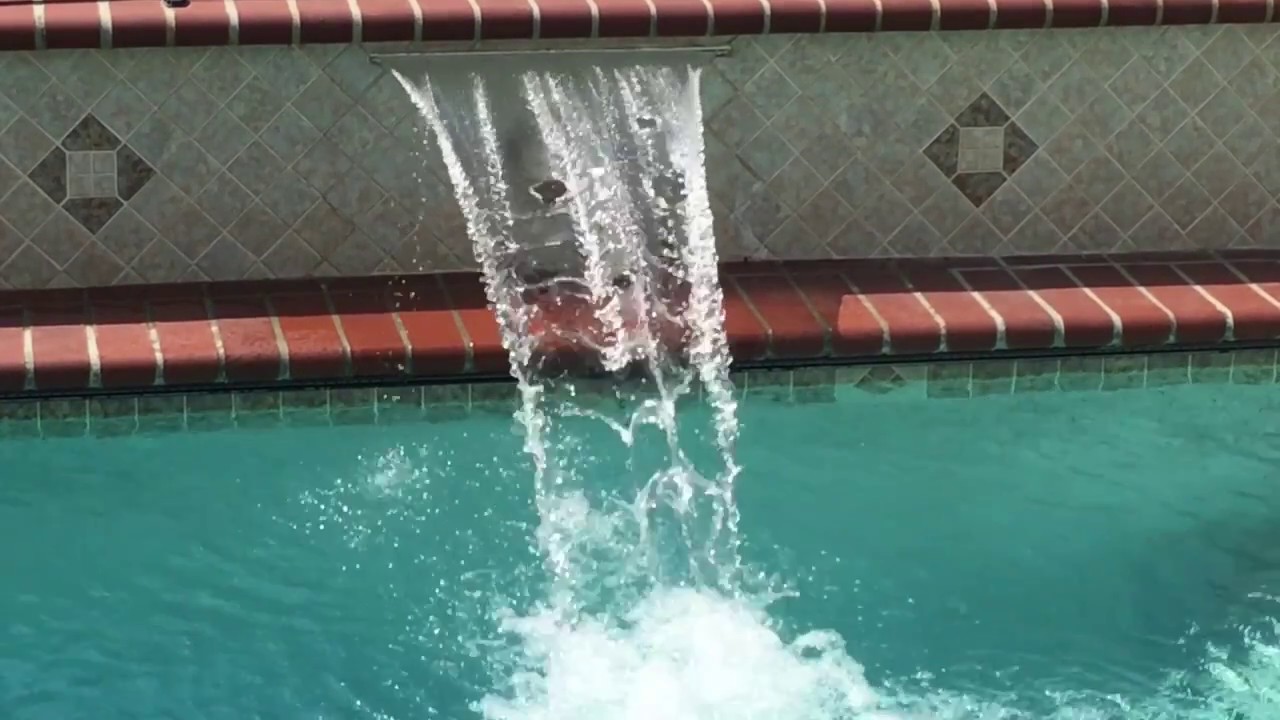
These create a thin, smooth sheet of water that flows down into the pool. They often look modern and elegant.
2. Rock Waterfalls
These are designed to look like natural rocks. Water flows over artificial (or sometimes real) rocks for a more “nature” feel.
3. Rain Curtain Waterfalls
Water drops in many thin streams, like a curtain of rain, either from a high ledge or built into a pool wall.
4. Spillover Spas
This is when the water from a raised spa flows or “spills over” into the main pool, often creating a soft waterfall effect.
5. Custom Water Features
Some pools have unique designs, like water bowls, fountains, or wall jets. These may use the same equipment as a waterfall.
Each type may have a different way to turn on and control the water flow. Before moving forward, check your pool’s manual or ask the builder which type you have.
Key Equipment In Waterfall Systems
A pool waterfall usually needs the following:
- Water Pump: Moves water from the pool up to the waterfall.
- Diverter Valve: Controls whether water goes to the waterfall or another place (like the pool jets).
- Timer or Automation Panel: Some pools have digital controls for easy operation.
- Plumbing Lines: Pipes that carry water to and from the waterfall.
- Electrical Switch: For waterfalls that need power (like lighted features).
Most waterfalls use the same pump as the pool, but some have a separate pump for more power or better control.
Preparing To Turn On Your Pool Waterfall
Turning on your waterfall is simple if you prepare first. Here’s what you should do before you push any buttons or turn any valves.
Safety Checks
1. Check Water Level
Make sure the pool water is at the correct level. If the water is too low, the pump can suck in air, which may cause damage.
2. Inspect The Area
Look for leaves, branches, or objects blocking the waterfall or its intake. Remove anything that could block the water flow.
3. Ensure Equipment Is Accessible
You need to reach the pump, valves, and controls easily. Clear away pool toys or furniture if they are in the way.
4. Turn Off Power If Needed
If you need to open equipment boxes or adjust wiring, always turn off the power at the breaker first. For most users, you won’t need to do this just to turn on the waterfall.
Understanding Your Controls
Some waterfalls have a simple switch, while others use manual valves or a digital panel. Common control types include:
- Manual Valve: Usually found near the pump or pool equipment.
- Wall Switch: Looks like a light switch, often near the pool area.
- Automation System: A digital panel or remote app that controls all pool features.
If you’re unsure, check your pool’s instruction manual or look for labels on the equipment.

Credit: www.reddit.com
Step-by-step: How To Turn On Pool Waterfall
Now you’re ready to turn on your waterfall. The process depends on your equipment, but these steps cover the basics for most home pool waterfalls.
Step 1: Start The Pool Pump
Your waterfall needs water flow, which comes from the pool pump. If your pump is not running:
- Go to the pool equipment area.
- Find the main pump switch or button.
- Turn it ON.
Wait a minute or two for the pump to prime (pull water in).
Step 2: Adjust The Diverter Valve
Most pool waterfalls use a diverter valve. This valve controls where the water goes. Here’s how to adjust it:
- Look for a large handle near the pump area labeled “Waterfall,” “Feature,” or something similar.
- Turn the valve slowly toward the waterfall position.
- Listen for water movement and watch for water starting to flow from the waterfall.
For pools with multiple features (jets, spa, etc. ), the valve may have several positions. Adjust until the waterfall is strong but does not stop other important functions.
Step 3: Use Automation Or Wall Switch (if Available)
If your pool has a digital automation system or a wall switch:
- On the control panel, find the button or menu for “Waterfall” or “Feature.”
- Press the button to turn the waterfall ON.
- For mobile apps (like Pentair, Jandy, or Hayward), use your phone to select the waterfall feature.
Some systems also let you set a timer or schedule for the waterfall.
Step 4: Fine-tune The Water Flow
After the waterfall starts, you can often adjust the flow:
- Turn the diverter valve slowly to increase or decrease water flow.
- On custom features, use small knobs or switches for fine control.
- Listen for pump noise. Too much flow can make the pump loud or cause splashing.
The goal is a steady, attractive flow without splashing water out of the pool.
Step 5: Check For Proper Operation
After turning on the waterfall:
- Watch the water for a few minutes. It should flow smoothly.
- Check for leaks near the pump, pipes, or waterfall feature.
- Listen for any strange sounds (rattling, grinding, or loud humming).
If you notice a problem, turn off the waterfall and check the troubleshooting section below.
Troubleshooting Common Waterfall Problems
Even with careful setup, issues can happen. Here are the most common problems when turning on a pool waterfall and how to fix them.
Waterfall Does Not Turn On
If nothing happens:
- Check the Pool Pump: Is it running? If not, turn it on.
- Diverter Valve Position: Make sure the valve is pointing to the waterfall.
- Power Supply: For features that need electricity, check the breaker or switch.
- Timer/Automation: Make sure the automation system is set to “ON” for the waterfall.
If all else fails, check the pool’s manual or call a pool professional.
Weak Or Slow Water Flow
If the waterfall is weak:
- Valve Not Fully Open: Turn the diverter valve more toward the waterfall.
- Dirty Filter: A clogged pool filter can reduce flow. Clean or backwash the filter.
- Pump Issue: The pump may be too small or need repair.
- Low Water Level: Add water to the pool if it is below the skimmer.
Waterfall Makes Loud Noises
If you hear loud splashing, grinding, or gurgling:
- Too Much Flow: Reduce the water flow by adjusting the valve.
- Air in the System: Check for air leaks in the pump or plumbing.
- Loose Rocks or Parts: For rock waterfalls, make sure all rocks and fittings are secure.
Leaks Around Waterfall
If you see water pooling near the waterfall or pump area:
- Check Fittings: Tighten any loose pipe fittings or hoses.
- Inspect Seals: Look for worn or cracked rubber seals.
- Call a Professional: Some leaks need special tools to fix.
Waterfall Stops Suddenly
If the waterfall turns off by itself:
- Pump Timer: Your pump may be on a timer. Adjust the timer for longer operation.
- Electrical Issue: Check breakers and switches for tripped circuits.
- Low Water Level: If the water gets too low, the pump may shut off to prevent damage.
Expert Tips For Smooth Waterfall Operation
Most pool owners can turn on their waterfall without problems, but there are small details that make a big difference. Here are expert tips to get the best results and avoid hidden problems.
Keep Water Clean
A dirty pool can clog the waterfall. Leaves, dirt, and algae can block pipes or the waterfall opening. Clean the pool regularly and use a skimmer basket to catch debris.
Run The Waterfall Often
If you only use the waterfall once a year, parts can dry out or become stuck. Run your waterfall at least once a week, even in winter, to keep water moving and parts in good condition.
Lubricate Valves
Diverter valves can get stiff if not used. Use a silicone-based lubricant on the valve handles a few times a year. This keeps them easy to turn and prevents leaks.
Watch For Scale Build-up
Hard water can leave white deposits (called “scale”) on your waterfall. Use a gentle pool-safe cleaner to remove scale, and check your pool’s calcium level to prevent it.
Adjust Water Chemistry
Waterfalls increase evaporation, which can change your pool’s water balance. Test your pool water weekly, especially for pH and chlorine, to keep it safe and clear.
Protect From Freezing
In cold climates, water left inside the waterfall pipes can freeze and cause damage. In winter, drain the waterfall pipes and cover the feature if your pool is closed.
Use Automation Features
Modern pools often have automation systems. These let you turn on the waterfall with your phone, set timers, and even adjust flow remotely. If your system supports it, take time to learn all the features for maximum convenience.
Comparing Pool Waterfall Control Methods
Different pools use different methods to control waterfall features. Here is a comparison of three common control methods:
| Control Method | Ease of Use | Adjustability | Cost | Common in |
|---|---|---|---|---|
| Manual Valve | Moderate | High | Low | Older pools, budget builds |
| Wall Switch | Easy | Low | Low | Simple pools, retrofits |
| Automation Panel | Very Easy | High | High | Modern pools, luxury builds |
Manual valves give the most control but require you to go to the equipment pad. Wall switches are simple but often only turn the waterfall on or off. Automation panels (and apps) are the most convenient, especially for large pools or pools with many features.
How Waterfalls Affect Pool Maintenance
A pool waterfall is more than just a pretty feature; it can change how you care for your pool. Here’s what you need to know.
Increased Water Movement
Waterfalls improve water circulation, which helps mix chemicals and prevent dead spots where algae can grow. However, they also increase evaporation, which means you may need to add water more often.
Higher Chemical Use
Because waterfalls create more surface area, chlorine and other chemicals may break down faster in sunlight. Test your pool water weekly and adjust as needed.
Cleaning Needs
Waterfalls can trap leaves and dirt, especially rock waterfalls. Clean the waterfall area at least once a week to prevent blockages.
Wear And Tear
Moving parts like valves and pumps may wear out faster if the waterfall is used often. Plan for regular inspection and maintenance.
Safety Tips When Using Pool Waterfalls
Safety should always come first, especially if children are using the pool.
1. Do Not Climb On Waterfall Features
Rocks and ledges are slippery and may not support weight.
2. Avoid Putting Hands In Waterfall Openings
Strong suction or sharp edges could cause injury.
3. Supervise Children
Kids love waterfalls, but they may try to climb or play too close.
4. Do Not Use Waterfall During Lightning Storms
Water and electricity can be a dangerous combination.
5. Keep Electrical Equipment Dry
Never touch pool controls with wet hands. Dry off first to avoid shock.
Seasonal Care For Pool Waterfalls
Different seasons affect how you use and care for your waterfall.
Spring
- Clean out leaves and debris from the waterfall and pool.
- Check all valves and fittings for leaks.
- Run the waterfall to make sure everything works after winter.
Summer
- Use the waterfall often for cooling and beauty.
- Check water level weekly due to higher evaporation.
- Clean the waterfall surface to prevent algae and scale.
Fall
- Remove falling leaves and plant matter.
- Consider lowering waterfall use as temperatures drop.
- Inspect for any damage before winter.
Winter
- In freezing climates, drain waterfall pipes to prevent ice damage.
- Cover the waterfall if possible.
- Run the pump occasionally (if the pool stays open) to keep water moving.
Pool Waterfall Installation: What To Know
If you’re thinking about adding a waterfall to your pool, here are some key points.
Planning Stage
- Decide what type of waterfall fits your pool design and budget.
- Consider location: Near steps, in a corner, or as a central feature.
- Plan for plumbing and electrical access.
Installation Costs
Waterfall costs vary widely. Here’s a rough comparison:
| Waterfall Type | Average Cost (USD) | Complexity | Maintenance Needs |
|---|---|---|---|
| Sheer Descent | $1,500 – $3,000 | Simple | Low |
| Rock Waterfall | $3,000 – $10,000+ | High | Moderate |
| Rain Curtain | $2,000 – $5,000 | Moderate | Low |
| Spillover Spa | $2,500 – $7,000 | Moderate | Moderate |
These are average costs as of 2024 and may vary by region and pool size.
Professional Vs. Diy
- Professional installation is best for complex waterfalls or when new plumbing/electrical work is needed.
- DIY kits are available for simple wall-mounted or spillway waterfalls, but require basic plumbing skills.
Permits And Codes
Check with your local city or county. Some areas require permits or inspections for pool modifications, especially if electrical work is involved.
Common Mistakes And How To Avoid Them
Even experienced pool owners can make mistakes with waterfalls. Here are frequent problems and how to prevent them.
Ignoring Water Level
Letting the pool water get too low can cause the pump to run dry, which may damage both the pump and the waterfall feature. Always check and maintain the correct water level.
Using The Wrong Valve
Turning the wrong valve can shut off pool circulation or send water to the wrong feature. Label your valves clearly to avoid confusion.
Forgetting Regular Maintenance
Waterfalls need cleaning and inspection just like the rest of the pool. Put reminders on your calendar to check the waterfall every week.
Overloading The Pump
Running too many features (jets, spa, waterfall) at once can strain the pump and reduce water flow everywhere. If the waterfall is weak, try turning off other features.
Not Winterizing
In cold areas, failing to drain and protect the waterfall before winter can lead to expensive repairs. Always winterize before freezing weather.
Environmental Impact And Water Conservation
Pool waterfalls look beautiful, but they use energy and water. Here’s how to enjoy your waterfall and stay eco-friendly.
Reduce Run Time
Only run the waterfall when you’re using the pool or entertaining guests. This saves water and reduces energy bills.
Use A Variable-speed Pump
Modern pumps can adjust flow for different features. A variable-speed pump uses less electricity and lets you run the waterfall more efficiently.
Collect Splash Water
If your waterfall splashes water out of the pool, place a collection tray or adjust the flow to reduce waste.
Monitor For Leaks
Small leaks waste a lot of water over time. Fix any leaks as soon as you notice them.
Choose Eco-friendly Materials
When installing a new waterfall, pick materials that are durable and safe for the environment.

Credit: www.youtube.com
Real-life Examples: Pool Waterfall Success Stories
Hearing from other pool owners can help you understand what to expect.
- A family in Texas installed a sheer descent waterfall with a wall switch. Their biggest surprise? How much their kids used it. The parents found that turning it on for just a few hours a day was enough for fun and relaxation, and their electricity bill only went up by about $10 a month.
- In California, a homeowner added a rock waterfall during a pool remodel. The waterfall made the backyard feel like a resort, but they did not expect the extra maintenance—leaves and bugs often collected in the rocks. Regular cleaning solved the problem.
- A pool builder in Florida uses automation panels for all new pools. They say the most common beginner mistake is not adjusting the diverter valve correctly, which can make the waterfall weak or noisy. The builder now labels all valves clearly for new owners.
- In a cold climate, a family forgot to winterize their waterfall. Water froze inside the pipes, causing cracks. The repair cost $800. Now, they drain the waterfall each fall as part of their regular pool closing routine.
These stories show that a waterfall adds value and fun to your pool—but a little knowledge and care go a long way.
Frequently Asked Questions
What Should I Do If My Pool Waterfall Will Not Turn On?
First, check that the pool pump is running and the diverter valve is set for the waterfall. Make sure any wall switches or automation systems are turned on. If the waterfall still does not start, look for tripped breakers or blown fuses.
If you cannot find the problem, contact a pool professional.
Can I Turn On My Pool Waterfall If The Pool Water Level Is Low?
No, you should never run the waterfall (or the pump) with low water. This can let air into the system, which may damage your pump and plumbing. Always fill your pool to the proper level before using water features.
How Often Should I Run My Pool Waterfall?
For best results, run your waterfall at least once a week for 15–30 minutes. This keeps the plumbing clean and prevents parts from sticking. During pool season, you can run it more often for beauty and relaxation.
Is It Safe For Children To Play Under The Waterfall?
Children should always be supervised near water features. Waterfalls can be slippery and may have hidden risks, like strong water flow or sharp edges. Teach kids not to climb or hang on waterfall structures.
Where Can I Learn More About Pool Waterfall Systems?
For more details, visit official pool industry resources such as the Swimming Pool Wikipedia page for a comprehensive overview of pool equipment, safety, and design.
A pool waterfall is a wonderful addition to your backyard, offering beauty and relaxation every time you use it. With the right setup and a little care, turning on your pool waterfall can be simple, safe, and satisfying. Enjoy your pool, and let the soothing sound of water transform your outdoor space.
Credit: www.youtube.com