
A cleaver knife is one of the most iconic tools in the kitchen. With its large, rectangular blade and strong build, it stands out from other knives. Many people see it only as a tool for butchering meat, but the cleaver is much more versatile.
It can chop, slice, crush, and even help transfer ingredients. Using a cleaver can feel intimidating at first, but with the right techniques, it becomes a powerful ally for all types of cooks.
In this guide, you will learn how to use a cleaver knife safely and efficiently. We’ll cover everything from choosing the right cleaver, holding it properly, and mastering different cutting techniques, to cleaning and maintaining your knife. Whether you are a home cook or want to improve your professional skills, understanding the cleaver will open new possibilities in your kitchen.
What Is A Cleaver Knife?
A cleaver knife is a large, heavy kitchen knife with a rectangular blade. It is designed to handle tough jobs like chopping bones, but it can also be used for a wide range of cutting tasks. The blade is usually between 6 and 8 inches long and 3 to 4 inches wide. The thickness and weight give it the power to cut through hard ingredients.
Cleavers are common in Chinese and Western kitchens, but their shapes and uses can differ. In Asia, the cleaver is often a general-purpose tool. In the West, it is mainly used for butchering. Understanding these differences helps you select the right cleaver for your needs.
Types Of Cleaver Knives
Not all cleavers are the same. There are several types, each suited for specific tasks:
| Type | Blade Thickness | Main Use | Common Region |
|---|---|---|---|
| Chinese Cleaver | Thin (2-3 mm) | Multipurpose (chopping, slicing, mincing) | China, East Asia |
| Meat Cleaver | Thick (4-8 mm) | Chopping bone, tough meat | Western countries |
| Vegetable Cleaver (Cai Dao) | Very thin (1-2 mm) | Slicing vegetables, herbs | China |
Non-obvious Insight: Many beginners think all cleavers are heavy and thick. In fact, Chinese cleavers (like the cai dao) are light and thin, perfect for delicate work as well as bulk chopping.

Credit: www.americastestkitchen.com
Choosing The Right Cleaver
Picking the right cleaver depends on your needs:
- Type of Food: If you often cut through bone, choose a thick, heavy meat cleaver. For mostly vegetables and boneless meat, a thinner Chinese cleaver is better.
- Weight: A heavier cleaver gives more force, but it can tire your arm. Try holding different weights to see what feels comfortable.
- Handle: Look for a handle that fits your hand well. Wood and composite materials give good grip, even when wet.
- Blade Material: High-carbon stainless steel is durable and resists rust. Pure carbon steel holds a sharp edge longer but needs more care.
- Balance: The cleaver should feel balanced between the blade and handle. A balanced knife is easier to control and safer to use.
Practical Tip: Don’t choose a cleaver just because it looks impressive. Test how it feels in your hand. Comfort and control are more important than size.
Essential Safety Tips
Because cleavers are large and heavy, safety is critical:
- Always keep your fingers away from the blade edge.
- Use a stable, non-slip cutting board.
- Make sure your cleaver is sharp. Dull blades slip and cause accidents.
- Never use a cleaver on glass or stone surfaces.
- Store the cleaver safely—use a knife block, sheath, or magnetic strip.
Common Beginner Mistake: Many people think a dull cleaver is safer. In reality, a dull knife is more dangerous because it requires extra force and can slip.
How To Hold A Cleaver Properly
A good grip is key to control and safety. Here’s how to hold a cleaver:
- Pinch Grip: Pinch the blade just above the handle with your thumb and forefinger. Wrap the other fingers around the handle. This gives the best control for slicing and chopping.
- Handle Grip: For heavy-duty chopping (like bones), grip the handle firmly with all fingers. Keep your wrist straight to avoid injury.
- Support Hand: Use your other hand to hold the food. Curl your fingertips inward (“claw grip”) to protect them from the blade.
Non-obvious Insight: The pinch grip is not just for chefs. Home cooks can use it to reduce fatigue and improve accuracy.
Basic Cleaver Techniques
Learning a few simple techniques will make your cleaver an everyday tool.
1. Chopping
This is the classic motion for a cleaver. Hold the cleaver above the food, then bring it down in a straight line. Let the weight of the blade do most of the work. This is best for hard vegetables (like squash) or boneless meat.
2. Slicing
For thin slices, use a gentle rocking motion. Place the tip of the cleaver on the board, then move the handle up and down as you push the blade through the food. This is perfect for garlic, herbs, or thin meat slices.
3. Mincing
Hold the cleaver with the tip on the board and the handle in your hand. Rock the blade back and forth to mince herbs, garlic, or ginger. The wide blade covers more area than a chef’s knife.
4. Crushing
Turn the cleaver on its side and press down on garlic or ginger to smash it. This releases flavor and makes peeling easier.
5. Splitting Bones
For heavy-duty work, use the middle of a thick cleaver blade. Lift the cleaver and bring it down with a quick, controlled motion. Always make sure your target is steady and your fingers are clear.
6. Transferring Ingredients
The wide, flat blade makes it easy to scoop up chopped food and move it to a pan or bowl.
Practical Example: Use your cleaver to chop chicken, then scoop the pieces directly into a pot for soup.

Credit: imarku.net
Advanced Cleaver Skills
Once you are comfortable with the basics, try these advanced techniques:
1. Butterfly Cutting
This is used to split meat or fish into thin, even layers. Place your hand flat on top of the meat. Slice horizontally with the cleaver, stopping before you cut all the way through. Open the meat like a book for even cooking.
2. Julienne And Batonnet
For matchstick or larger stick-shaped cuts, use the cleaver’s sharp edge and flat blade. First, slice the ingredient into thin sheets, then stack and cut into sticks.
3. Bone Marrow Extraction
With a heavy meat cleaver, you can split large bones to access the marrow. This takes practice—strike firmly and directly for a clean cut.
4. Precision Garnish Cuts
A thin Chinese cleaver can make ultra-fine slices for garnishes. Try slicing green onions or peppers paper-thin.
Expert Tip: Practice with soft vegetables before moving to tough items. This builds your confidence and accuracy.
Cleaver Vs. Other Kitchen Knives
It’s helpful to know when a cleaver is better than other knives.
| Task | Cleaver | Chef’s Knife | Butcher Knife |
|---|---|---|---|
| Chopping bones | Best | Poor | Good |
| Slicing vegetables | Good | Best | Poor |
| Mincing herbs | Good | Best | Poor |
| Crushing garlic | Best | Good | Poor |
| Precision cuts | Good | Best | Poor |
Key Takeaway: Use your cleaver for heavy, tough jobs and bulk chopping. For fine, delicate cuts, a chef’s knife may be easier.
Step-by-step: Using A Cleaver For Common Kitchen Tasks
Let’s break down how to use a cleaver for several common jobs.
Cutting Chicken
- Place the chicken on a sturdy cutting board.
- Use the tip of the cleaver to score the skin and mark where you will cut.
- Hold the handle with a firm grip and use the weight of the cleaver to chop through joints and bones.
- For boneless parts, use a slicing motion for clean cuts.
Chopping Vegetables
- Wash and peel your vegetables.
- Hold the cleaver with a pinch grip.
- Use a rocking motion for thin slices, or a straight chop for cubes.
- Gather the cut pieces using the blade to transfer to your bowl.
Mincing Garlic Or Herbs
- Place the ingredients on the board.
- Hold the cleaver’s handle.
- Rock the blade back and forth, keeping the tip on the board.
- Scrape together with the flat blade and repeat until desired size.
Splitting Bones
- Place the bone on the board, stable and flat.
- Grip the cleaver handle tightly.
- Aim for the middle of the bone and bring the cleaver down sharply.
- Remove the pieces and clean the blade before repeating.
Safety Reminder: Always check your cutting surface after splitting bones. Small bone fragments can damage your board.
Cleaning And Maintaining Your Cleaver
Proper care keeps your cleaver sharp and safe:
- Wash by hand with warm, soapy water. Dry immediately to prevent rust.
- Sharpen regularly using a whetstone or sharpening steel. Most cleavers need sharpening every few weeks, depending on use.
- Store safely in a knife block, sheath, or on a magnetic strip.
- Oil the blade if it is carbon steel. Use a food-safe oil to prevent rust.
- Avoid dishwashers—the high heat and moisture can warp or dull the blade.
Hidden Pitfall: Some people use abrasive pads or harsh cleaners, which can scratch the blade and cause it to rust faster. Use only soft sponges and gentle soap.
Common Mistakes When Using A Cleaver
Even experienced cooks make mistakes with cleavers:
- Using the wrong cleaver for the job: A thin cleaver will chip if used on bones.
- Cutting with too much force: Let the weight of the cleaver do the work—don’t muscle it.
- Improper grip: A loose grip reduces control and increases injury risk.
- Not keeping the blade sharp: A dull blade is dangerous and less effective.
- Using a poor cutting surface: Hard surfaces like glass or stone can damage the blade quickly.
Pro Tip: Slow down when learning. Rushing leads to accidents and poor results.
How To Sharpen A Cleaver
A sharp cleaver is safer and more effective. Here’s how to sharpen one:
- Choose a sharpening tool: A whetstone is best for most cleavers. For quick touch-ups, a honing steel works.
- Soak the whetstone in water for 10 minutes if using a wet stone.
- Hold the cleaver at a 20-degree angle to the stone.
- Slide the blade across the stone from heel to tip. Repeat 10-20 times on each side.
- Finish with a honing steel to align the edge.
- Clean the blade and wipe dry.
Expert Insight: Check the sharpness by slicing a tomato or a piece of paper. A sharp cleaver will cut cleanly without forcing.
Cleaver Care For Different Blade Materials
Different cleaver materials need different care:
| Material | Rust Resistance | Edge Retention | Care Tips |
|---|---|---|---|
| High-carbon stainless steel | Excellent | Good | Hand wash, dry quickly |
| Carbon steel | Poor | Very good | Oil blade after use |
| Ceramic | Excellent | Good, but brittle | Avoid hard impact, hand wash |
Non-obvious Insight: Carbon steel cleavers can develop a dark patina over time. This is normal and helps prevent rust, but always oil the blade after cleaning.
When Not To Use A Cleaver
While cleavers are versatile, avoid using them for:
- Filleting fish (use a fillet knife instead)
- Peeling small fruits or vegetables
- Delicate tasks requiring thin, flexible blades
Trying to use a cleaver for everything can slow you down and damage the knife.
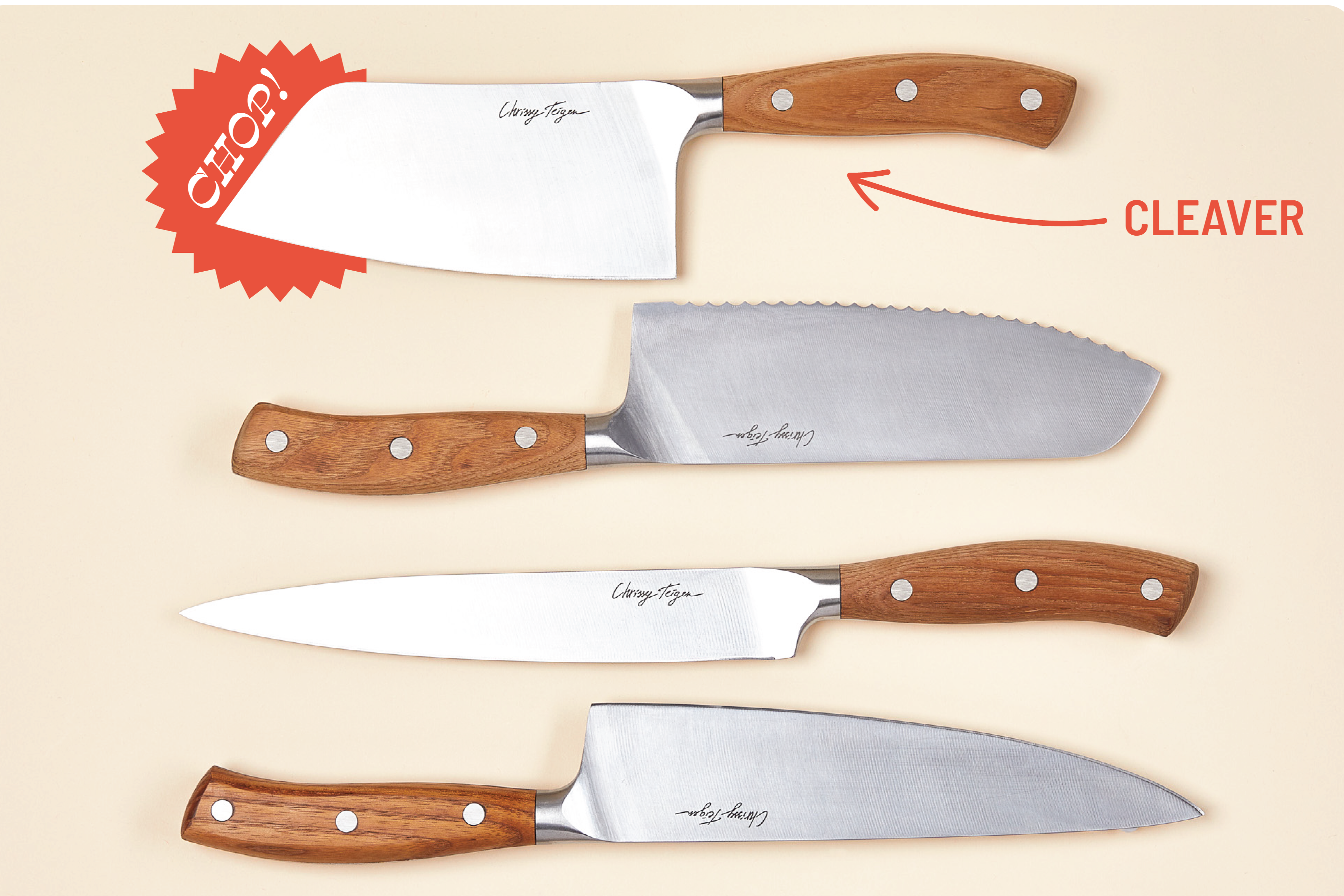
Credit: cravingsbychrissyteigen.com
Tips For Buying Your First Cleaver
If you are new to cleavers, keep these points in mind:
- Start with a multipurpose Chinese cleaver. They are lighter, easier to control, and handle most tasks.
- Avoid very cheap cleavers. Poor steel won’t hold an edge and can be unsafe.
- Visit a store to test the grip. Online reviews help, but nothing beats feeling the knife yourself.
- Check return policies. If the cleaver feels wrong at home, you should be able to exchange it.
Resource: For more on knife types and uses, see this Wikipedia article.
Using A Cleaver In Different Cuisines
The cleaver is not just for Asian cuisine. Here are some ways different food traditions use it:
- Chinese cuisine: Slicing, mincing, and even serving food at the table.
- Vietnamese and Thai cuisine: Chopping herbs, meat, and pounding lemongrass.
- Western cuisine: Splitting ribs, preparing large roasts, and breaking down poultry.
Interesting Fact: In many Asian households, the cleaver is the only kitchen knife. Cooks use it for nearly all tasks, from peeling garlic to slicing fruit.
Improving Your Cleaver Skills
Like any tool, the more you use your cleaver, the better you get. Here are ways to practice:
- Start slow: Use the cleaver for one or two tasks, like chopping carrots or mincing herbs.
- Watch video tutorials: See how professionals hold and use the cleaver.
- Try new recipes: Dishes that require chopping, slicing, or mincing help build skill.
- Sharpen regularly: A sharp blade builds confidence and makes learning easier.
Hidden Advantage: Using a cleaver can actually improve your knife skills with other knives, because it teaches control and accuracy.
Storing Your Cleaver Safely
A cleaver’s large blade can be dangerous if not stored properly:
- Use a knife block with a slot wide enough for the blade.
- Try a magnetic knife strip mounted on the wall.
- Buy a protective sheath for drawer storage.
- Avoid tossing the cleaver in a drawer—this damages the blade and is unsafe.
Pro Insight: Always clean and dry your cleaver before storage to prevent rust and bacteria growth.
Cleaver Knife Myths And Facts
Let’s clear up some common myths:
- Myth: Cleavers are only for butchers.
- Fact: Cleavers are great for home cooks and general kitchen use.
- Myth: Cleavers are dangerous for beginners.
- Fact: With proper technique and care, cleavers are as safe as other knives.
- Myth: You need a lot of strength to use a cleaver.
- Fact: The weight of the cleaver does most of the work. Good technique is more important than force.
- Myth: Cleavers can replace all other knives.
- Fact: Cleavers are versatile but not suited for every kitchen task.
Takeaway: Don’t let myths stop you from trying a cleaver. Most fears disappear with practice.
Frequently Asked Questions
What Is The Main Difference Between A Meat Cleaver And A Chinese Cleaver?
A meat cleaver is thick and heavy, designed to cut through bones and tough meat. A Chinese cleaver (cai dao) is thinner and lighter, made for slicing vegetables, boneless meat, and mincing herbs. Choose based on the foods you prepare most often.
How Do I Keep My Cleaver From Rusting?
Wash your cleaver by hand and dry it right away. If it’s made of carbon steel, apply a thin layer of food-safe oil after cleaning. Store it in a dry place. Avoid soaking the knife or leaving it wet.
Can A Cleaver Replace My Chef’s Knife?
A cleaver can handle many tasks, especially chopping and mincing. However, for delicate or fine work (like peeling or filleting), a chef’s knife or paring knife is better. Most cooks use both.
What Cutting Board Is Best For A Cleaver?
Use a wood or plastic cutting board. These materials protect the blade and reduce wear. Avoid glass, marble, or stone boards, which can quickly dull or chip your cleaver.
How Often Should I Sharpen My Cleaver Knife?
Sharpen your cleaver every few weeks if you use it often. For light use, once every two or three months is enough. Always hone the blade between uses to keep the edge straight.
A cleaver knife is more than just a heavy blade; it’s a tool that brings power, speed, and versatility to your kitchen. With the right techniques and care, you’ll find it becomes a favorite for many jobs, not just butchering.
Practice, patience, and respect for the blade will help you master the cleaver and enjoy safer, more efficient cooking every day.