
Cooking with a wok can transform your meals, giving you flavors and textures that are hard to achieve with regular pans. Many home cooks, especially those using a gas stove, wonder how to get the most from this unique kitchen tool.
The truth is, using a wok properly is not just about tossing food in a round pan—it’s about technique, temperature, and understanding your tools. Whether you’re new to Asian cooking or want to unlock authentic stir-fry at home, mastering a wok on a gas stove is a game changer.
Gas stoves offer quick, high heat that’s ideal for wok cooking. But to get real results, you need to know more than just “turn on the heat. ” This guide will walk you through every detail—from choosing the right wok to cleaning up after your meal.
With practical tips, common mistakes to avoid, and answers to the questions cooks often ask, you’ll gain the confidence to use your wok like a pro.
Why Use A Wok On A Gas Stove?
The wok is famous for its high, sloping sides and wide surface. These features are perfect for stir-frying, a method that needs high heat and fast movements. On a gas stove, a wok’s round bottom can get direct, even flames, which helps create that smoky, seared flavor known as wok hei.
Compared to electric or induction stoves, gas burners respond instantly when you adjust the flame. This control is especially important for wok cooking, where you often need to change the heat quickly. Gas stoves also allow you to use traditional, round-bottom woks without extra equipment.
Many Asian chefs and home cooks prefer gas stoves for these reasons. The combination of intense heat, quick adjustments, and the wok’s shape lets you cook crisp, colorful vegetables and juicy meats—without steaming or boiling.
Choosing The Right Wok For Gas Stove Cooking
Not all woks are created equal. The right wok will help you get better results and make cooking easier.
1. Wok Shape: Round Bottom Vs. Flat Bottom
A round-bottom wok is the traditional choice. It focuses heat at the bottom, making it easier to toss and stir food. On a gas stove, the round bottom sits close to the flames, heating quickly and evenly.
A flat-bottom wok is designed for electric or induction stoves, but can be used on gas if you want more stability. However, flat-bottom woks may not deliver the same intense heat at the center.
For most gas stoves, a round-bottom wok is the best choice. If your burner grate is unstable, you can use a wok ring for support.
2. Wok Material: Carbon Steel Vs. Other Metals
- Carbon steel woks are the gold standard for home cooks. They heat up fast, cool down quickly, and develop a natural nonstick surface with seasoning.
- Cast iron woks retain heat well, but are heavy and take longer to respond to temperature changes.
- Stainless steel woks are durable but do not develop a nonstick surface and can cause food to stick.
- Nonstick woks are easy to use but cannot handle high heat and will not develop wok hei.
Carbon steel is highly recommended for gas stoves. It’s affordable, durable, and gives you the authentic flavor.
3. Wok Size
Choose a wok that fits your burner and cooking needs. Common sizes:
- 12-inch (30cm): Good for 1-3 people
- 14-inch (35cm): Ideal for families or meal prep
- 16-inch (40cm): For parties or large groups
Make sure the wok sits comfortably above the flame, without tipping or blocking airflow.
4. Handles And Accessories
- Single long handle: Easier for tossing and stir-frying
- Helper handle: Makes lifting heavy woks safer
- Wok ring: Stabilizes a round-bottom wok on a flat burner grate
Choosing the right shape, material, and size will set you up for success.
Credit: www.reddit.com
Preparing Your Wok Before Cooking
Before you start cooking, your wok needs some attention. A new wok, especially carbon steel, must be seasoned to prevent rust and create a nonstick surface.
1. Washing Off Factory Oil
New woks are often coated with oil to prevent rust. Wash the wok with hot, soapy water and a sponge to remove this layer. Dry it completely.
2. Seasoning The Wok
Seasoning is the process of baking oil into the wok’s surface. Here’s how to do it on a gas stove:
- Place the clean, dry wok on the burner.
- Heat on high until it starts to change color (blue/gray is normal).
- Add a small amount of high-smoke-point oil (such as canola or peanut oil).
- Use a paper towel (held with tongs) to spread the oil over the entire surface, inside and out.
- Continue heating and wiping oil until the wok develops a dark, shiny surface.
This process can take 10-20 minutes. The more you cook with your wok, the better the seasoning becomes.
Pro Tip: Never use nonstick spray or butter for seasoning. Use oils with a high smoke point.
3. Checking Wok Stability
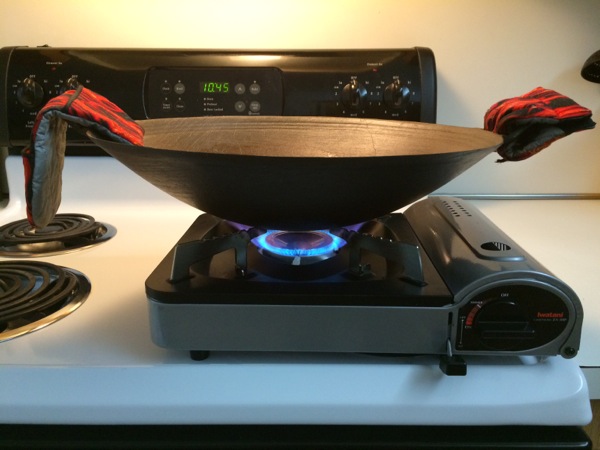
Place your wok on the burner. A round-bottom wok may need a wok ring for safety. The wok should feel stable and not wobble when you stir.
Setting Up Your Gas Stove For Wok Cooking
A good setup makes wok cooking easier and safer.
1. Burner Size And Power
Woks need high heat. Use the largest, most powerful burner on your stove. Many home gas stoves produce between 7,000 and 15,000 BTUs. Restaurant wok burners can reach 100,000 BTUs, but don’t worry—home burners work fine with the right technique.
2. Flame Position
The flame should touch the bottom of the wok and slightly up the sides. If your burner is small, center the wok so the flame is evenly distributed.
3. Wok Ring Placement
A wok ring can help focus heat and stabilize your wok. Place it directly on the burner grate and set the wok inside. Make sure there is good airflow to the burner.
4. Ventilation
High-heat cooking can produce smoke. Turn on your kitchen exhaust fan or open a window. This keeps your kitchen comfortable and safe.
Ingredients And Prep: Getting Ready To Cook
Wok cooking is fast. Before you turn on the heat, everything should be ready.
1. Mise En Place
Mise en place means “everything in its place.” Cut all vegetables, slice meats, and measure sauces before cooking. Place each ingredient in a small bowl or plate.
2. Ingredient Size
Cut ingredients to a similar size. This helps them cook quickly and evenly. For stir-fry, aim for bite-sized pieces.
3. Dry Ingredients
Wet vegetables or meats can cause oil to splatter. Pat everything dry with paper towels before cooking.
4. Marinades And Sauces
Marinate meats for flavor and tenderness. Prepare sauces ahead of time; you won’t have time to mix them while stir-frying.
Cooking Techniques: How To Use Your Wok On A Gas Stove
Now you’re ready to cook. The way you use your wok matters as much as the ingredients.
1. Preheating The Wok
Always preheat your wok. Place it on the burner, turn the heat to high, and let it get hot until a drop of water sizzles and evaporates instantly.
2. Adding Oil
Once hot, add a small amount of oil (about 1-2 tablespoons). Swirl to coat the surface. Use a high-smoke-point oil like peanut, canola, or grapeseed.
3. Stir-frying
Stir-frying is the most common technique. Here’s a simple step-by-step:
- Add aromatics (garlic, ginger, scallions) first. Stir quickly to release their flavor.
- Add protein (meat, tofu) and spread it in a single layer. Let it sear for a few seconds before stirring.
- Add vegetables, starting with the hardest (carrots, broccoli), then softer ones (bell peppers, mushrooms).
- Toss ingredients constantly, moving food up the sides and back to the center for even cooking.
- Add sauce near the end. Stir until everything is coated.
Pro Insight: Work in small batches. Overcrowding the wok drops the temperature and causes steaming instead of searing. For 12-inch woks, cook no more than 1 pound (450g) of food at once.
4. Using The Wok For Other Methods
Besides stir-frying, a wok is great for:
- Deep-frying: Use less oil than a pot, and sloped sides catch splatters.
- Steaming: Place a rack or bamboo steamer in the wok with water below.
- Smoking: Line the wok with foil, add wood chips, and cover with a lid.
- Boiling/Noodle soups: The wide surface heats water quickly.
5. Managing Heat
Gas stoves let you adjust heat instantly. If food starts to burn, lower the flame. If you want a stronger sear, turn it up.
Example: Classic Stir-fry In A Wok
Here’s a simple beef and broccoli stir-fry recipe for a gas stove wok.
Ingredients
- 300g (10 oz) beef sirloin, thinly sliced
- 200g (7 oz) broccoli florets
- 2 cloves garlic, minced
- 1 tablespoon ginger, minced
- 2 tablespoons soy sauce
- 1 tablespoon oyster sauce
- 1 teaspoon cornstarch
- 2 tablespoons water
- 1 tablespoon peanut oil
Steps
- Mix beef with 1 tablespoon soy sauce and cornstarch. Set aside.
- Mix remaining soy sauce, oyster sauce, and water in a bowl.
- Preheat wok on high. Add oil, swirl to coat.
- Add garlic and ginger, stir for 10 seconds.
- Add beef in a single layer. Sear for 30 seconds, then stir-fry until nearly cooked. Remove beef.
- Add broccoli, stir-fry for 1 minute. Add 1-2 tablespoons water, cover, and steam for 1 minute.
- Return beef to wok. Add sauce, stir-fry until everything is coated and sauce thickens.
- Serve hot over rice.
Cooking time: About 10 minutes. Serves 2.
Non-Obvious Tip: Let the wok reheat for 10 seconds before adding broccoli after removing beef. This prevents sogginess.
Cleaning And Maintaining Your Wok
Proper cleaning keeps your wok in top shape and improves its nonstick surface.
1. Cleaning After Cooking
- Wash with hot water and a soft sponge. Avoid soap if possible.
- If food is stuck, use a bamboo brush or non-metal scrubber.
- Dry thoroughly over low heat to prevent rust.
2. Re-seasoning
After cleaning, add a drop of oil, spread with a paper towel, and heat the wok. This keeps the seasoning strong.
3. Storing Your Wok
Store in a dry place. If not using for a long time, rub with a thin layer of oil to prevent rust.
Beginner Mistake: Soaking the wok in water or using harsh soap can strip seasoning and cause rust.
:max_bytes(150000):strip_icc()/__opt__aboutcom__coeus__resources__content_migration__serious_eats__seriouseats.com__images__2014__05__20140423-wok-mon-testing-food-lab-5-f295a949529a4cc79d2cb85579396d75.jpg)
Credit: www.seriouseats.com
Common Mistakes When Using A Wok On A Gas Stove
Even experienced cooks can make mistakes. Here’s how to avoid them:
- Not preheating the wok: Cold woks cause sticking and soggy food.
- Overcrowding: Too much food lowers the temperature and steams instead of searing.
- Wrong oil: Olive oil and butter burn at high heat. Use peanut or canola oil.
- Not drying ingredients: Water causes oil to splatter and lowers the wok’s heat.
- Skipping mise en place: Fast cooking means you need everything ready in advance.
- Washing with soap: Strips the seasoning and causes rust.
- Low heat cooking: High heat is key for wok hei and crisp results.
- Using nonstick wok on high heat: Destroys the coating and releases fumes.
Wok Vs. Skillet On A Gas Stove
You might wonder if you can just use a regular skillet. Here’s a quick comparison:
| Feature | Wok | Skillet |
|---|---|---|
| Shape | Deep, sloped sides | Shallow, flat sides |
| Heat Distribution | Concentrated at bottom, easy for tossing | Even across surface, less for tossing |
| Best For | Stir-fry, deep-fry, steam | Saute, pan-fry |
| Wok Hei | Yes | No |
| Batch Size | Small batches | Larger batches possible |
If you want true stir-fry texture and flavor, the wok is the better tool.
Advanced Tips For Better Wok Cooking
Ready to take your skills further? These tips can help you get restaurant-quality results.
1. Use A High-output Burner
Some home cooks install a wok burner with 20,000+ BTUs for even more heat. If you stir-fry often, consider this upgrade.
2. Practice The Toss
Tossing food in the wok (instead of just stirring) cooks evenly and helps develop wok hei. Use a quick wrist motion to move food up the sides and back down.
3. Layer Flavors
Add aromatics at different stages—some at the start, some at the end—to create depth.
4. Try Wok Smoker Techniques
For smoky flavor, line the wok with foil, add tea leaves or wood chips, and cover while heating. This infuses food with unique aromas.
5. Experiment With Other Cuisines
Woks aren’t just for Chinese food. Try Thai, Indian, or even Italian pasta dishes for new results.
Caring For A Carbon Steel Wok: Facts And Data
Wok maintenance affects its lifespan and cooking performance. Here’s a quick look:
| Care Step | Frequency | Purpose |
|---|---|---|
| Seasoning | Before first use, then monthly | Prevents rust, creates nonstick surface |
| Rinsing with water only | After every use | Preserves seasoning |
| Oiling lightly | After cleaning | Prevents rust |
| Deep cleaning | When food is stuck or flavor is off | Resets surface, requires re-seasoning |
With good care, a carbon steel wok can last 10–20 years or more.
Credit: eleanorhoh.com
Troubleshooting Common Problems
Even with practice, things can go wrong. Here’s how to fix common issues:
Food Sticks To The Wok
- The wok wasn’t hot enough before adding oil or food.
- Solution: Preheat longer. Make sure oil shimmers before adding ingredients.
Food Tastes Steamed, Not Seared
- Too much food in the wok or not enough heat.
- Solution: Cook in smaller batches, use the highest heat.
Wok Is Rusting
- Not dried properly or not seasoned after washing.
- Solution: Scrub rust, re-season, and always dry thoroughly.
Wok Has A Strange Smell
- Old oil or food residue.
- Solution: Deep clean with hot water and a bamboo brush, then re-season.
Uneven Cooking
- Wok not centered on burner, or burner too small.
- Solution: Center the wok and use the largest burner.
When To Replace Your Wok
A good wok can last a lifetime, but sometimes replacement is needed.
- Cracks or holes: Structural damage means the wok is unsafe.
- Severe rust that won’t scrub off: If seasoning can’t be restored.
- Warped bottom: Wok won’t sit flat or stable.
Most issues can be fixed with cleaning and seasoning, but severe damage means it’s time for a new wok.
Wok Accessories That Can Improve Your Cooking
Some tools make wok cooking even more effective:
- Wok spatula (chuan): Curved edge fits the wok, making tossing easier.
- Wok ladle: For adding liquids or sauces quickly.
- Spider strainer: Removes food from hot oil safely.
- Bamboo steam rack: For steaming dumplings or vegetables.
- Wok ring: Stabilizes round-bottom woks on flat burners.
These accessories aren’t required, but they can make cooking more efficient and enjoyable.
Real-world Example: Wok Cooking Vs. Skillet Cooking Time
Here’s how cooking time compares for a classic chicken stir-fry:
| Method | Preheat Time | Cooking Time | Total Time |
|---|---|---|---|
| Wok on Gas Stove | 2 minutes | 6 minutes | 8 minutes |
| Skillet on Gas Stove | 3 minutes | 10 minutes | 13 minutes |
Wok cooking is not only tastier but also faster, making it ideal for busy home cooks.
Safety Tips For Wok Cooking On Gas Stoves
High heat and oil can be dangerous if you’re not careful.
- Keep handles away from open flames.
- Never leave hot oil unattended.
- Use oven mitts or a dry towel when tossing or lifting the wok.
- If oil catches fire, cover the wok with a lid to smother flames—never use water.
- Always turn off the burner before cleaning or moving the wok.
These habits keep you safe while enjoying your food.
Environmental Impact: Using Woks And Gas Stoves
Gas stoves release carbon dioxide and other emissions. Cooking with a wok is efficient because it cooks small batches quickly, using less gas overall compared to boiling or roasting.
Interesting Fact: According to the U.S. Department of Energy, gas stoves are about 40% efficient, while induction stoves can reach 84% efficiency. However, for wok cooking, gas still gives the best results. If you want to reduce impact, keep cooking times short and batch-cook meals.
For more information on energy efficiency, see Wikipedia: Gas stove.
Frequently Asked Questions
What Is Wok Hei, And Can I Get It At Home?
Wok hei means “breath of the wok,” the smoky, seared taste in good stir-fry. At home, you can get close by using high heat, a well-seasoned carbon steel wok, and cooking in small batches. A super-powerful burner helps but isn’t required.
Is A Flat-bottom Or Round-bottom Wok Better For A Gas Stove?
A round-bottom wok is best for gas stoves because it sits closer to the flame, giving even heat. Use a wok ring for stability if your burner grate is flat. Flat-bottom woks work but may not heat as evenly.
How Do I Stop My Wok From Rusting?
Always dry the wok completely after washing. Wipe with a little oil before storing. Never soak the wok or put it in the dishwasher.
Can I Use A Nonstick Wok On A Gas Stove?
You can, but nonstick woks can’t handle high heat and will not develop wok hei. They’re good for low-heat cooking but not for true stir-frying.
What Oil Is Best For Wok Cooking?
Use oils with a high smoke point like peanut, canola, or grapeseed oil. Avoid olive oil or butter, which can burn and taste bitter.
Cooking with a wok on a gas stove opens up a world of quick, healthy, and delicious meals. With the right tools, preparation, and techniques, you can enjoy restaurant-style stir-fry, fried rice, and more, right in your own kitchen. Whether you’re a beginner or want to refine your skills, the wok is a tool that rewards practice and care.