
Using a pressure cooker can feel intimidating, especially if you’re new to the kitchen or just bought your first device. The Insignia Pressure Cooker is designed to make home cooking simple, fast, and safe. But like any kitchen tool, it works best when you understand its features and how to use them. Whether you’re aiming to prepare a quick weeknight meal, batch-cook beans, or try a tender beef stew, this guide will walk you through every step. Along the way, you’ll learn not just the basics, but also tips and tricks that even experienced users might overlook. By the end, you’ll have the confidence to use your Insignia Pressure Cooker for a variety of dishes and get the most out of your investment.
Getting To Know Your Insignia Pressure Cooker
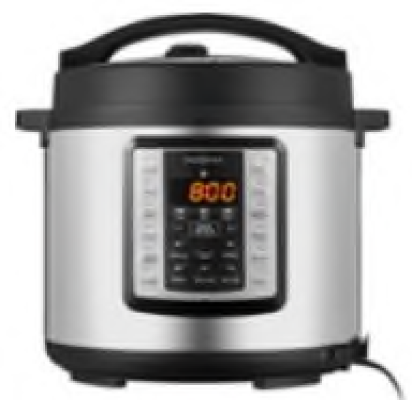
Before you start cooking, it’s important to know the different parts and what they do. The Insignia Pressure Cooker typically comes with several key components:
- Lid: Locks in steam and pressure during cooking.
- Inner pot: The removable stainless steel or nonstick pot where food is placed.
- Control panel: Displays settings and lets you choose cooking options.
- Steam release valve: Controls how and when steam is released.
- Float valve: Indicates when the cooker is pressurized.
- Sealing ring: A silicone gasket that ensures a tight seal.
Take time to inspect each part. Remove the inner pot, wash it, and check that the sealing ring is fitted properly inside the lid. If the ring is out of place or missing, the cooker won’t build pressure.
One common mistake is ignoring the float valve. Make sure it moves freely, as it helps show if your device is working correctly. Many users overlook the steam release valve’s position—it should be set to “Sealing” when pressure cooking and “Venting” when you want to release steam.
Essential Safety Tips
Pressure cookers are safe if used correctly, but ignoring basic steps can cause problems. Here’s what you should always remember:
- Do not overfill: Never fill the pot above the “MAX” line. For foods that expand (like rice or beans), fill only halfway to prevent blocking the steam valve.
- Use enough liquid: Pressure cookers need steam to build pressure. Always add at least 1 cup (240 ml) of liquid unless your recipe says otherwise.
- Check the sealing ring: A worn or misaligned ring will prevent proper pressure buildup.
- Avoid thickening agents early: Do not add flour, cornstarch, or creamy sauces until after pressure cooking. They can block vents and cause errors.
- Keep hands and face away from the vent: Hot steam can cause burns during quick release.
Taking just a minute to check these points can prevent most beginner mistakes.
Understanding The Control Panel
The Insignia Pressure Cooker features a digital display and a variety of buttons. Each model may have slight differences, but most include:
- Pressure Cook: For high-pressure cooking.
- Rice, Soup, Meat/Stew, Beans/Chili: Preset programs for popular dishes.
- Slow Cook: For traditional slow-cooking recipes.
- Yogurt: For making homemade yogurt.
- Sauté/Brown: To brown ingredients before pressure cooking.
- Steam: For vegetables and seafood.
- Delay Start: To begin cooking later.
- Keep Warm: To keep food hot after cooking.
These options allow you to cook a wide range of dishes with just a few button presses. As you use your cooker more, you’ll discover which presets work best for your favorite meals.
First Time Setup And Water Test
Before cooking your first meal, it’s wise to do a “water test. ” This simple process checks that your device is working and helps you get comfortable with the controls.
- Place the inner pot in the cooker.
- Add 3 cups (720 ml) of water.
- Close the lid and set the steam release valve to “Sealing.”
- Select the “Pressure Cook” or “Manual” function and set the time to 5 minutes.
- Wait for the cooker to build pressure. The float valve will pop up when pressure is reached.
- After the timer ends, release steam using the “Venting” position.
This test ensures that your Insignia Pressure Cooker seals properly and heats as it should. If the unit doesn’t reach pressure or the float valve doesn’t pop up, check the sealing ring and lid for issues.
Basic Pressure Cooking Steps
Once you’re familiar with the controls, cooking with your Insignia Pressure Cooker is straightforward. Here’s a step-by-step example for making a simple chicken stew:
- Prepare your ingredients: Cut chicken, potatoes, carrots, and onions into chunks.
- Add liquid: Pour in 1-2 cups (240-480 ml) of broth or water.
- Layer food: Place the meat at the bottom, then add vegetables and seasonings.
- Close the lid: Align the arrows on the lid and base, then turn to lock.
- Set the steam release to “Sealing.”
- Select a cooking program: For stew, use the “Meat/Stew” button or set “Pressure Cook” for 20 minutes.
- Wait for pressure to build: This can take 10-15 minutes.
- Cooking begins: The display shows the time counting down.
- Release pressure when done: Use natural release (wait 10-15 minutes) or quick release (move the valve to “Venting”).
- Open the lid carefully: Tilt away from your face to avoid steam.
These steps work for most dishes, from soups to roasts. Always check your recipe for specific times and liquid amounts.
Using Cooking Presets
Presets are a major advantage of the Insignia Pressure Cooker. They automatically select the right pressure and time for common foods.
- Rice: Add rinsed rice and water in a 1:1 ratio, choose “Rice,” and let the cooker do the rest.
- Beans/Chili: Presoaked beans and water go in, then press “Beans/Chili.”
- Soup: Add broth and vegetables, select “Soup.”
Presets take the guesswork out of cooking. However, you can always adjust the time for larger or smaller batches by using the “+” or “-” buttons.
Manual Pressure Cooking
Sometimes, you’ll need to cook foods that don’t have a preset. In these cases, use the manual “Pressure Cook” function:
- Add ingredients and liquid.
- Lock the lid and set the valve to “Sealing.”
- Press “Pressure Cook.”
- Adjust time with the “+” and “-” buttons.
- Wait for the cooking cycle to finish and release pressure as needed.
Manual mode is handy for recipes you find online or when you want full control over cooking time.
Sautéing And Browning Ingredients
One feature beginners often miss is the Sauté/Brown function. It lets you brown meat, soften onions, or toast spices directly in the inner pot—no extra pan needed.
- Press “Sauté/Brown.”
- Add oil, then ingredients.
- Stir and cook until desired color is reached.
- Press “Cancel” before switching to pressure cooking.
Browning meat before pressure cooking improves flavor and color. If you skip this step, your dish may taste less complex.
Slow Cooking With The Insignia Pressure Cooker
The Slow Cook function turns your device into a traditional slow cooker. It’s perfect for soups, stews, or braised meats.
- Place ingredients in the pot.
- Add enough liquid to cover the bottom.
- Select “Slow Cook” and set the time (usually 4-8 hours).
- The steam release valve can be set to “Venting” or “Sealing,” but most prefer “Venting” for slow cooking.
Remember, the Insignia’s slow cook mode tends to be less powerful than a standalone slow cooker. You may need to increase the cooking time by 30-50% compared to regular slow cooker recipes.
Making Yogurt
Homemade yogurt is possible with the Yogurt function. This process takes several steps:
- Add milk to the inner pot.
- Heat using the “Yogurt” function until the display shows “boil.”
- Cool the milk to about 110°F (43°C).
- Stir in starter yogurt (2-3 tablespoons per quart of milk).
- Select “Yogurt” again and ferment for 8-10 hours.
When it’s done, refrigerate the yogurt to thicken. This feature is rarely used but can save money and let you control ingredients.
Credit: www.cpsc.gov
Using The Delay Start Feature
The Delay Start function lets you plan ahead. For example, you can set up steel-cut oats at night and wake up to a hot breakfast.
- Add all ingredients.
- Lock the lid and select your program.
- Press “Delay Start” and use the “+” or “-” buttons to choose how many hours to wait before starting.
Be cautious with delay start for recipes containing meat or dairy, as these can spoil if left at room temperature too long.
Natural Release Vs. Quick Release
Pressure release is a key step and depends on the food you’re making:
- Natural Release: Let the cooker cool down and release pressure slowly. Good for meats, beans, or soups to avoid splattering.
- Quick Release: Turn the valve to “Venting” for fast steam release. Best for vegetables or quick-cooking foods.
For recipes with large amounts of liquid, always use natural release to avoid foam or hot liquid shooting from the vent.
Cleaning And Maintenance
Regular cleaning keeps your Insignia Pressure Cooker safe and working well.
- Wash the inner pot, sealing ring, and lid after each use.
- Check for food debris in the steam release and float valves.
- Clean the exterior with a damp cloth.
- Dry all parts before reassembling.
If you notice odors in the sealing ring, soak it in a mixture of water and white vinegar for 15 minutes. Replace the ring every 12-18 months, or sooner if it becomes cracked or stretched.
Common Problems And Solutions
Even experienced cooks run into occasional issues. Here’s how to solve the most frequent ones:
- The float valve doesn’t rise: Check that the sealing ring is fitted and there’s enough liquid.
- Steam leaks from the lid: The lid may not be locked, or the ring is misaligned.
- Burn error message: Food may be stuck to the bottom, or there’s not enough liquid. Stir and add more liquid.
- Lid won’t open: Make sure all pressure has been released and the float valve has dropped.
- Food is undercooked: Increase cooking time or check that the cooker reached pressure.
If you ever feel stuck, consult the user manual or visit the official Insignia product page for support.

Credit: nilds.gov.ng
Comparing Insignia Pressure Cooker To Other Brands
If you’re curious how Insignia stacks up against popular models, here’s a comparison of key features:
| Feature | Insignia | Instant Pot | Crock-Pot Express |
|---|---|---|---|
| Size Options | 6, 8 Quart | 3, 6, 8 Quart | 6, 8 Quart |
| Cooking Presets | 10-12 | 14-16 | 8-10 |
| Yogurt Function | Yes (on select models) | Yes | No |
| Price Range | $$ | $$$ | $$ |
| Warranty | 1 Year | 1 Year | 1 Year |
The Insignia offers strong value for the price, with all the main features needed for everyday cooking.
Recipe Examples For Insignia Pressure Cooker
Here are three recipes that show the range of what your cooker can do:
1. Classic Chicken And Rice
- Ingredients: 2 cups rice, 2 cups water, 1 lb (450g) chicken breast (cubed), 1 cup frozen peas, 1 tsp salt, 1 tsp garlic powder.
- Steps: Add rice and water to the pot. Place chicken on top and sprinkle with salt and garlic powder. Close lid, select “Rice” preset. When finished, quick release, stir in peas, close lid for 5 minutes on “Keep Warm” to steam peas. Fluff and serve.
2. Hearty Vegetable Soup
- Ingredients: 1 onion (chopped), 2 carrots (sliced), 2 celery stalks (sliced), 1 can diced tomatoes, 4 cups vegetable broth, 1 cup green beans, 1 tsp dried thyme, salt and pepper.
- Steps: Use “Sauté” to soften onion, carrots, and celery. Add remaining ingredients. Lock lid, select “Soup” for 12 minutes. Natural release for 10 minutes, then vent.
3. Cheesecake
- Ingredients: 1 cup graham cracker crumbs, 2 tbsp melted butter, 16 oz (450g) cream cheese, 2/3 cup sugar, 2 eggs, 1 tsp vanilla.
- Steps: Mix crumbs and butter, press into a 7-inch springform pan. Beat cream cheese, sugar, eggs, and vanilla. Pour over crust. Add 1 cup water to inner pot, place cheesecake on trivet. Lock lid, cook on “Pressure Cook” for 30 minutes. Natural release, then chill.
These examples only scratch the surface—your Insignia can handle everything from yogurt to pot roast.
Cooking Time Guidelines
Here’s a quick reference for common foods in your pressure cooker:
| Food | Pressure Level | Time | Release Method |
|---|---|---|---|
| White Rice | High | 4-6 min | Natural 10 min, then vent |
| Chicken Breast | High | 7-10 min | Quick release |
| Pinto Beans | High | 25-30 min | Natural release |
| Beef Stew | High | 35-40 min | Natural release |
| Broccoli | High | 0-1 min | Quick release |
Always check the manual or a trusted recipe source for best results.
Advanced Tips And Tricks
- Stacking foods: Use a trivet or rack to cook meat and vegetables at the same time.
- Pot-in-pot cooking: Place rice or desserts in a smaller dish inside the inner pot, letting you cook multiple items or avoid direct contact with the bottom.
- Double batch freezing: Make large batches of beans, soups, or shredded chicken. Freeze in meal-size portions for quick dinners.
- Use kitchen timers: The built-in timer is helpful, but a separate timer reminds you to check pressure release if you leave the kitchen.
- Flavor boosters: Add fresh herbs and citrus after cooking for brighter flavors, since pressure cooking can mute delicate seasonings.
Many users don’t realize how much you can expand on basic recipes by using these tricks.
Troubleshooting Unusual Results
Sometimes, food can come out mushy, tough, or watery. Here’s how to address these issues:
- Mushy vegetables: Reduce cooking time, use quick release, and try adding vegetables after the main dish is finished.
- Tough meats: Increase cooking time or allow for natural release to help tenderize.
- Watery sauces: Reduce the amount of added liquid, or use the “Sauté” function after pressure cooking to thicken.
- Burnt bottom: Always deglaze the pot with liquid after sautéing and before pressure cooking.
If you experiment, write down what works for future reference.
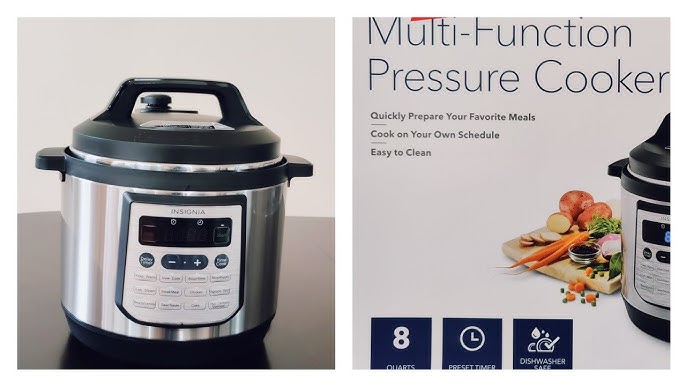
Insignia Pressure Cooker Accessories
Several accessories can boost your cooking experience:
- Extra sealing rings: For sweet and savory dishes to avoid flavor transfer.
- Steamer basket: For vegetables, eggs, or fish.
- Springform pan: For cheesecakes and casseroles.
- Glass lid: For slow cooking or serving.
Most Instant Pot accessories fit Insignia models, making it easy to find what you need.
Credit: www.youtube.com
Cleaning And Storage Tips
To keep your cooker looking new:
- Store with the lid upside down: This prevents odors.
- Wash the silicone ring in the dishwasher: Top rack only.
- Wipe the heating element with a dry cloth: Never get the base wet.
- Deep clean every month: Remove the anti-block shield and clean all crevices.
Regular care extends your cooker’s life and ensures safe operation.
Understanding Warranty And Support
The Insignia Pressure Cooker usually comes with a 1-year limited warranty. Save your receipt and register your product online. For troubleshooting, the manual and customer support lines are helpful. If your cooker needs repair, only use authorized service centers to keep the warranty valid.
Frequently Asked Questions
How Much Water Do I Need To Use In The Insignia Pressure Cooker?
Most recipes require at least 1 cup (240 ml) of liquid. This is essential for creating enough steam to build pressure. Thick sauces or pastes (like tomato paste) can burn, so always thin them with water or broth.
Can I Open The Lid During Cooking?
No, you cannot open the lid while the cooker is pressurized. The float valve locks it in place. Only open the lid after releasing all pressure and the float valve has dropped.
What Should I Do If The Cooker Shows A “burn” Error?
A “burn” message means food may be stuck to the bottom, or there’s not enough liquid. Press “Cancel,” open the lid (after releasing pressure), stir the contents, and add more liquid if needed. Scrape up any browned bits before restarting.
Is The Insignia Pressure Cooker Dishwasher Safe?
The inner pot, silicone ring, and accessories are usually dishwasher safe. The lid can go on the top rack. Never put the outer base in water—clean this part with a damp cloth.
Can I Use Recipes Designed For Other Brands?
Yes, most recipes for similar pressure cookers (like Instant Pot) work in the Insignia. Just match the cooking times and liquid amounts. Always check the manual for any brand-specific advice.
With your Insignia Pressure Cooker, home-cooked meals are easier, faster, and more flavorful. By understanding the controls, safety, and cleaning, you’ll avoid common mistakes and enjoy a wide range of recipes. Keep experimenting, and soon the pressure cooker will become one of your favorite kitchen tools. If you want to explore more recipes or need troubleshooting tips, the official Insignia product page is a reliable resource. Happy cooking!