
Using a Miele induction cooktop can transform the way you cook, making your kitchen smarter, faster, and safer. But if you’re new to induction or just switching from gas or electric, the controls and features may feel confusing at first.
Even experienced home cooks can miss some of the advanced options, like automatic heat settings or safety locks. Understanding every function will help you cook better meals and keep your cooktop in great shape for years. In this article, you’ll learn everything you need to know—from setting up your Miele induction cooktop to using advanced features and keeping it clean.
Whether you want simple tips or in-depth guidance, you’ll find clear answers here.
What Is A Miele Induction Cooktop?
A Miele induction cooktop is a modern cooking appliance that uses induction technology instead of traditional gas or electric heating. Induction cooktops heat pots and pans directly with magnetic fields. This means the surface itself stays cool while your cookware gets hot, making cooking safer and more efficient.
Induction cooktops are known for their fast heating, precise temperature control, and energy efficiency. Miele, a German brand, is famous for its high-quality kitchen appliances. Their induction cooktops come with advanced features like automatic pan detection, flexible cooking zones, and touch controls.
Unlike traditional stoves, induction cooktops require magnetic cookware—usually stainless steel or cast iron. If you try to use glass, copper, or aluminum pans, the cooktop won’t recognize them.
Setting Up Your Miele Induction Cooktop
Before you start cooking, proper setup is crucial for both safety and performance. Here’s how to get started:
Unboxing And Placement
Remove all packaging materials carefully. Check for any damage or missing parts. Place the cooktop on a flat, stable surface or have it professionally installed into your countertop. Make sure there is enough ventilation under and around the cooktop.
Electrical Connection
Induction cooktops require a dedicated electrical circuit. Miele cooktops usually need 220-240V and a specific amperage. Never use an extension cord or regular outlet—this is a common mistake. Always have a licensed electrician connect the unit to ensure safety and comply with local codes.
First-time Start
Before first use, wipe the surface with a soft, damp cloth to remove dust or residues from manufacturing. Plug in the cooktop and check the display panel for any error codes or warning lights. Most Miele models run a short self-test when first powered on.
Choosing Suitable Cookware
Test your pots and pans with a magnet. If the magnet sticks firmly to the base, your cookware is induction-compatible. Miele induction cooktops often have a “pan detection” feature: if you place a non-magnetic pan, the cooktop won’t heat.
Initial Settings
Set the clock and language if your model has a digital display. Consult your user manual for model-specific instructions, as button layouts can vary.
Understanding The Control Panel
Miele induction cooktops use a touch control panel that may look complicated at first. Let’s break down the main controls:
- Power On/Off: The main button to start or stop cooking.
- Cooking Zones: Separate areas where you can place pots or pans, each with its own controls.
- Power Levels: Usually from 1 (lowest) to 9 or 12 (highest), adjust how hot each zone gets.
- Booster Function: Delivers extra power for fast heating.
- Timer/Stop & Go: Useful for automatic shut-off or pausing all zones.
- Child Lock: Prevents accidental operation.
Here’s a simple overview of a typical Miele induction cooktop control panel:
| Control | Symbol | Function |
|---|---|---|
| Power On/Off | ⏻ | Turns the cooktop on or off |
| Cooking Zone Select | ● | Choose which zone to control |
| Plus/Minus | + | Adjusts the power level |
| Booster | B | Quickly heats a zone |
| Timer | ⏲ | Sets cooking time |
| Child Lock | 🔒 | Locks the controls |
Not all models have every feature, but this table covers the most common controls.
How To Use The Basic Cooking Functions
Cooking on a Miele induction cooktop is simple once you know the steps:
Turning On The Cooktop
Touch the Power On/Off symbol. Most cooktops beep and light up the touch panel. If nothing happens, check if the cooktop is plugged in and the circuit breaker is on.
Selecting A Cooking Zone
Place your magnetic pan on the zone you want to use. Touch the symbol for that zone. The zone should light up or display a number, showing it’s ready.
Adjusting Power Level
Use the + or − controls to pick your desired heat level. For boiling water, choose a high setting (such as 9 or 12). For simmering, use a low setting (2-4).
Using The Booster
If you need to heat something quickly—like boiling water—activate the Booster. This gives maximum power for a short time, then drops to your chosen setting. Don’t use the Booster for delicate foods, as it can overheat them.
Turning Off A Cooking Zone
Once you’re done, select the zone and touch the 0 or the minus button until the power goes to zero. Or, turn off the main power to switch off all zones.
Safety Features
The cooktop will turn off automatically if it gets too hot, no pot is detected, or after a long period of inactivity. Always remove pans when not cooking.
Advanced Features For Smart Cooking
Miele induction cooktops come with several advanced options that make cooking easier, safer, and more precise. Let’s explore the main ones:
Flexible Cooking Zones
Some Miele models have a PowerFlex or TempControl feature. This lets you combine two zones into one large area. You can use big pans, griddles, or even two pots side by side. The cooktop detects the size and position of your cookware automatically.
Automatic Pan Recognition
If you move your pan to another zone, the cooktop can follow it. This is called pan recognition. It saves time and prevents burns, as only the area under the pan heats up.
Keep Warm Function
Use the keep warm setting to hold food at a safe temperature without overcooking. This is helpful for sauces or when waiting for guests.
Stop & Go
If you need to leave the kitchen, touch the Stop & Go button. All active zones drop to a low heat. Touch it again to return to your previous settings.
Programmable Timers
You can set a timer for each cooking zone. When time runs out, the cooktop turns off that zone. This is great for multitasking or slow cooking.
Safety And Child Locks
Activate the child lock to block all controls. Some models have a cleaning lock—it lets you wipe the surface without changing settings.
Residual Heat Indicator
After cooking, the cooktop shows a symbol (usually “H”) if the surface is still hot. Don’t touch or clean the area until the symbol disappears.
Example: Using The Powerflex Feature
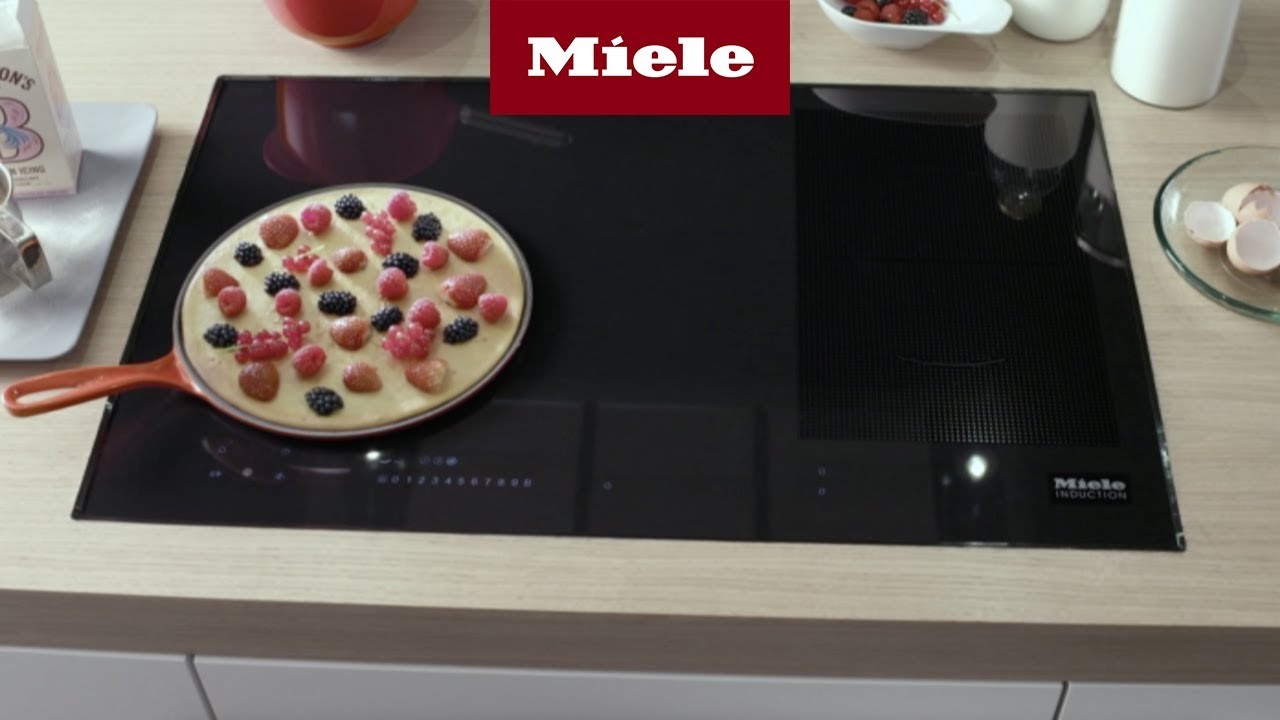
Suppose you want to make pancakes on a large griddle. Place the griddle over two zones, select both, and activate PowerFlex. The cooktop recognizes the cookware size and heats the whole area evenly.
Cooking Tips And Best Practices
Using a Miele induction cooktop is easy, but a few tips can help you get better results and avoid common mistakes:
- Preheat the Pan Only When Needed: Induction heats up fast. Preheating is not always necessary and can burn delicate foods.
- Use Flat-Bottom Cookware: Uneven pans may not make full contact and can cook food unevenly.
- Avoid Dragging Pots: Lift cookware instead of sliding. This prevents scratches.
- Don’t Leave Empty Pans: Induction is powerful; empty pans can overheat quickly and get damaged.
- Wipe Spills Immediately: Since the surface stays cool, spills won’t burn on. Clean with a damp cloth for best results.
- Don’t Block the Vents: Proper airflow keeps your cooktop cool and working efficiently.
- Use the Timer for Boiling Eggs or Pasta: This prevents overcooking and saves energy.
- Try the Keep Warm for Sauces: Keeps sauces at perfect temperature without separating or burning.
- Test Your Cookware Before Cooking: Not all stainless steel works. If unsure, check with a magnet.
- Read Your Model’s Manual: Each Miele cooktop may have unique features or buttons.
Common Mistakes And How To Avoid Them
Switching to induction can be confusing. Here are mistakes many beginners make:
- Using Non-Induction Pans: If your cookware isn’t magnetic, the cooktop won’t work.
- Ignoring the Booster Limit: The Booster is for short bursts, not all-day use.
- Overheating Empty Pans: Induction is fast—always add oil or water before heating.
- Blocking Air Vents: This can cause overheating and automatic shut-off.
- Not Cleaning Up Spills Quickly: Spilled sugar or sauces can harden and become hard to remove if left too long.
- Forgetting to Unlock the Controls: If nothing happens, check if the child lock is on.
- Not Using the Timer: Timers can prevent burnt food if you get distracted.
- Setting Power Too High for Delicate Foods: Start low and increase as needed.
- Trying to Use Large Pans on Small Zones: This reduces efficiency and can cause uneven cooking.
- Not Checking the Residual Heat Indicator: Always wait for the “H” symbol to disappear before cleaning.
Cleaning And Maintenance
Keeping your Miele induction cooktop clean is easy, but regular care is essential to avoid damage and keep it looking new.
Daily Cleaning
After each use, wipe the surface with a soft, damp cloth. For greasy spots, use a mild dish soap. Dry with a clean towel. Avoid abrasive sponges or cleaners that can scratch the glass.
Removing Stubborn Stains
For dried spills or sticky stains, use a ceramic cooktop scraper at a low angle. Never use steel wool, as it can damage the glass. Special induction cooktop cleaners are available for tough spots.
Dealing With Burnt Sugar Or Plastic
If sugar or plastic melts on the surface, clean it immediately while the cooktop is still warm (but not hot). Use a cooktop scraper carefully to remove the residue.
Cleaning The Control Panel
Use a slightly damp microfiber cloth. Avoid excess water, which can enter the controls. Some Miele models let you lock the controls for cleaning.
Regular Maintenance Tips
- Check the air vents regularly for dust or blockages.
- Inspect the power cord for damage.
- Avoid putting heavy objects on the cooktop, which can crack the glass.
- If you notice cracks or faults, contact Miele customer service.
What To Do If Your Cooktop Gets Damaged
If the glass surface is cracked or chipped, stop using the cooktop and unplug it. Contact a professional for repairs. Continued use can be dangerous.

Credit: www.reddit.com
Troubleshooting Common Problems
Sometimes things go wrong. Here’s how to solve the most frequent issues:
The Cooktop Doesn’t Turn On
- Check if the cooktop is plugged in and the power supply is on.
- Make sure the child lock isn’t activated.
- Look for error codes in the display. Consult your manual for meanings.
Cooking Zone Won’t Heat
- Make sure you’re using induction-compatible cookware.
- Try moving the pan or testing with another pot.
- Some zones only work with larger pans—check your manual.
Error Codes Or Warnings
- Many Miele cooktops display error codes (like “F” or numbers).
- Refer to your manual or the official Miele website for a full list of error codes and solutions.
Noises During Cooking
- Induction cooktops may make clicking or humming sounds. This is normal, especially at high power.
- If you hear loud buzzing, try reducing the power level or changing cookware.
The Cooktop Shuts Off Automatically
- Overheating, blocked vents, or using the Booster too long can trigger auto-shutoff.
- Allow the cooktop to cool, check for blockages, and try again.
Timer Doesn’t Work
- Make sure you set the timer for the correct zone.
- Some timers require you to select the zone first before setting the time.
Comparing Miele Induction Cooktop Features
If you’re considering buying a Miele induction cooktop or want to compare models, here’s a look at some key differences:
| Feature | Entry-Level Model | Mid-Range Model | Premium Model |
|---|---|---|---|
| Number of Zones | 4 | 4-5 | 5-6 |
| PowerFlex | No | Optional | Yes |
| Booster Function | Yes | Yes | Yes |
| TempControl | No | Optional | Yes |
| Auto Pan Recognition | No | Yes | Yes |
| Touch Controls | Basic | Advanced | Full-color Display |
| WiFi Connectivity | No | No | Yes |
Credit: www.youtube.com
Energy Efficiency And Safety
Miele induction cooktops are known for being energy efficient and safe, making them a smart choice for families and eco-conscious cooks.
How Induction Saves Energy
Unlike gas or electric, induction transfers heat directly to the pan. Less heat is lost to the air, so food cooks faster and with less energy. According to some studies, induction is up to 90% efficient, while gas is around 40-55%.
Safety Benefits
- Cool Surface: Only the pan gets hot. The glass stays cool.
- Auto Shut-Off: Turns off if no pan is detected or after a set time.
- Child Lock: Prevents accidental burns or changes in settings.
- Residual Heat Indicator: Warns you if the surface is still hot.
Example: Saving Energy When Boiling Water
If you boil 1 liter of water, induction can be up to twice as fast as gas and uses less power. Always use a lid to reduce energy use.
Special Cooking Modes
Many Miele induction cooktops come with special modes, adding even more value.
Melting Chocolate
Use a low power setting or the “melt” mode for delicate tasks like melting chocolate or butter. The precise control prevents burning.
Frying Sensor
Some models include a frying sensor that keeps the pan at the perfect temperature for frying. It reduces the risk of overheating oil and burning food.
Slow Cooking
Set a low power level and use the timer for slow-cooked dishes like stews or soups. The consistent heat helps develop flavors.
Example: Using Frying Sensor
When making crispy chicken, set the frying sensor. The cooktop keeps the oil at the ideal temperature for crunchy results without burning.

Credit: www.youtube.com
The Importance Of Using The Right Cookware
Not every pan works with induction. Here’s what you need to know:
Materials That Work
- Stainless steel (with magnetic base)
- Cast iron
- Enameled steel
Materials That Don’t Work
- Aluminum (unless labeled induction-ready)
- Copper
- Glass
How To Test Your Cookware
If a magnet sticks strongly to the bottom, your pan is induction-compatible. Thin or warped pans may not heat evenly, even if they’re magnetic.
Cookware Size And Shape
Each cooking zone has a minimum and maximum pan size. Using a small pan on a big zone can lead to poor heating. Always center the pan for best results.
Example: Upgrading Your Pans
If your old pans don’t work, consider buying a set of induction-ready cookware. This is a one-time investment that improves cooking performance.
Real-life Cooking Examples
Here are some practical ways to use your Miele induction cooktop:
- Boiling Water for Pasta: Use the Booster for fast results. Set a timer to avoid overcooking.
- Stir-Frying Vegetables: Preheat a wok on a high setting. Use PowerFlex if you need more space.
- Simmering Sauces: Set a low power level or use Keep Warm to avoid boiling over.
- Making Omelets: Even heat prevents sticking and gives perfect results.
- Grilling Meat: Use a cast iron grill pan and PowerFlex for steakhouse-quality searing.
Comparing Induction With Other Cooking Technologies
Here’s a look at how induction stacks up against gas and electric stoves:
| Feature | Induction | Gas | Electric |
|---|---|---|---|
| Heating Speed | Very Fast | Fast | Slower |
| Temperature Control | Precise | Good | Moderate |
| Safety | Very High | Medium | High |
| Energy Efficiency | 90% | 55% | 65% |
| Cookware Needed | Magnetic | Any | Any |
| Cleaning | Easy (Flat Glass) | Harder | Easy |
| Cost | Higher | Lower | Lower |
How To Get The Most From Your Miele Induction Cooktop
- Read the Manual: Each model is a bit different. The manual explains all features and safety tips.
- Register Your Product: This helps with warranty and support.
- Stay Updated: Some Miele cooktops receive firmware updates. Check the Miele website for details.
- Try New Recipes: Induction cooktops are great for experimenting with new dishes due to their precise control.
Non-obvious Insights For New Users
- Some pans may work, but heat unevenly. Even if the magnet test works, a warped or very thin pan can cause hot spots. Invest in quality cookware.
- Induction can be noisy with some pans. Buzzing or clicking often comes from thin pans vibrating in the magnetic field. Heavier pans are quieter.
- The cooktop may show “F” errors if it gets too hot. This can happen if vents are blocked or you use the Booster too long. Let the unit cool and try again.
Where To Get More Help
If you have questions not answered here, visit the official Miele website for manuals, tips, and customer support.
Frequently Asked Questions
What Is The Best Way To Clean My Miele Induction Cooktop?
Wipe the surface with a soft, damp cloth after each use. For tough stains, use a ceramic cooktop scraper or an induction-safe cleaner. Never use abrasive pads or harsh chemicals, as they can scratch the glass.
Why Won’t My Induction Cooktop Recognize My Pan?
Your pan might not be induction-compatible. Only magnetic cookware works. Test with a magnet—if it doesn’t stick, you need a different pan. Also, make sure the pan is the right size for the cooking zone.
How Do I Activate The Child Lock?
Most Miele cooktops have a dedicated child lock button. Press and hold this button until you see a lock symbol or hear a beep. To unlock, press and hold again. Check your manual for model-specific instructions.
Can I Use My Induction Cooktop For Wok Cooking?
Yes, but you need a flat-bottomed induction wok. Traditional round-bottom woks won’t work well, as they don’t make enough contact with the surface. Some Miele models have a special wok zone.
Is Induction Cooking Safe For People With Pacemakers?
Generally, induction cooktops are safe, but people with pacemakers or other medical implants should consult their doctor first. The magnetic field is low, but it’s best to check with a medical professional.
Cooking with a Miele induction cooktop offers speed, safety, and control that’s hard to beat. With the guidance above, you’ll soon be using every feature like a pro and enjoying delicious results every time.