
Using mothballs in the kitchen might sound like an old-fashioned idea, but for many people facing the problem of pests, it’s still a real option. Small insects like cockroaches, ants, and even mice can be a big problem, especially in kitchens where food is stored.
Mothballs promise to keep these unwanted guests away, but are they safe? How should you actually use them? Can mothballs harm your food or your health? If you’re thinking about using mothballs in the kitchen, it’s important to understand both the benefits and risks.
This guide will help you make a smart, safe decision—and explain exactly how to use mothballs in your kitchen, step by step.
What Are Mothballs?
Mothballs are small balls or tablets made from chemicals like naphthalene or paradichlorobenzene. Their strong smell is designed to keep away pests like moths, but they are also sometimes used to repel other insects and rodents. The chemicals in mothballs turn from solid to gas at room temperature. This vapor is toxic to pests—and, in high enough doses, to people and pets too.
There are two main types of mothballs:
- Naphthalene mothballs: Older and have a strong odor.
- Paradichlorobenzene mothballs: Newer, with a slightly milder smell.
Both types work in a similar way: they release vapors that repel or kill small pests. However, the risks and regulations are different for each.
How Mothballs Work
The chemicals in mothballs sublimate—which means they turn directly from a solid into a gas. This gas fills the air in a closed space, making it toxic for insects or small animals. When used correctly in a sealed container, mothballs can prevent moth larvae from eating clothes or stored grains. But if used in open areas, the vapors can spread through the house, creating health risks.
Why People Use Mothballs In The Kitchen
Many people use mothballs in the kitchen to try to solve specific pest problems. Here are some common reasons:
- Protecting stored grains and dry foods: Insects like weevils and moths often invade flour, rice, and other grains.
- Repelling cockroaches and ants: Some believe the strong smell will drive away these pests.
- Deterring rodents: Mice and rats dislike the chemical odor.
However, using mothballs in the kitchen is controversial. The kitchen is where food is kept and prepared, so safety is a big concern. In some countries, using mothballs around food is illegal due to health risks.
Real-world Example
In India, many families place mothballs near grains and dry goods to stop insects. But there are reports of accidental poisonings, especially in homes with children or pets. This shows the importance of understanding both benefits and dangers.
Health And Safety Concerns
Before using mothballs in your kitchen, it’s important to know the possible risks. Mothballs are toxic—this is what makes them work as a pest repellent, but it also makes them dangerous.
Health Risks
- Inhalation: Breathing in mothball vapors can cause headaches, dizziness, nausea, and long-term problems like liver or kidney damage.
- Food contamination: If mothball vapors get into food, they can make it unsafe to eat.
- Poisoning: Swallowing mothballs, even by accident, can be deadly—especially for children and pets.
- Skin irritation: Handling mothballs can cause rashes or allergic reactions.
Legal Restrictions
Many countries have strict rules about using mothballs. For example, in the United States, mothballs are only allowed for use in tightly sealed containers for clothes or fabrics—not in kitchens or around food. Using them incorrectly can lead to fines or even criminal charges.
Environmental Impact
Mothballs can harm the environment if their chemicals get into soil or water. Pets and wildlife may also be at risk if they come into contact with mothballs.
When Is It Okay To Use Mothballs In The Kitchen?
Most experts and health agencies recommend not using mothballs in the kitchen at all. But some people still choose to use them, especially in places where pest problems are severe and other options have failed. If you decide to use mothballs, follow these strict conditions:
- Never use mothballs where they can touch food or food-prep surfaces.
- Only use mothballs inside airtight containers.
- Follow all label instructions and local laws.
- Keep mothballs away from children, pets, and people with breathing problems.
Safe Alternatives To Mothballs
If you want to keep your kitchen pest-free without using mothballs, there are safer options:
- Airtight storage: Store grains, flour, and other dry goods in airtight glass or plastic containers.
- Bay leaves: Placing bay leaves in containers can help repel insects like weevils.
- Cleaning regularly: Clean shelves and cupboards to remove crumbs and spills.
- Diatomaceous earth: A natural powder that can kill insects but is safe around food (as long as you use food-grade).
- Essential oils: Some oils, like peppermint, can repel ants and mice.
- Traps and baits: Use insect or rodent traps instead of toxic chemicals.
Using these methods can make your kitchen safer and healthier.
How To Use Mothballs In The Kitchen (if You Must)
If you decide that using mothballs is necessary and legal in your area, it’s important to use them in the safest way possible. Here’s a detailed, step-by-step guide for using mothballs in the kitchen while reducing health risks.
Step 1: Check Local Regulations
Before doing anything, check if using mothballs in the kitchen is legal in your country or region. Many places have banned this practice. Fines can be high for breaking these rules. If in doubt, contact your local health department.
Step 2: Choose The Right Mothballs
If mothballs are allowed, pick a product that is clearly labeled for household use. Never use industrial mothballs or those without clear instructions.
Step 3: Store Food Properly
Move all food out of open containers and into airtight jars or sealed plastic boxes. This stops vapors from reaching your food. Never place mothballs inside or directly next to food containers.
Step 4: Use Airtight Containers For Mothballs
Place mothballs inside a separate, sealed container (like a plastic or metal box with a tight lid). Add the dry food or grains you want to protect. Label the container clearly (“Contains mothballs—do not eat mothballs!”).
| Container Type | Level of Protection | Recommended Use |
|---|---|---|
| Glass Jar (with rubber seal) | Excellent | Best for small amounts of grains/flour |
| Plastic Storage Box (airtight) | Good | Bulk storage |
| Thin Plastic Bag | Poor | Not recommended |
Step 5: Place The Container In A Safe Spot
Keep the sealed container in a cool, dry place away from heat and sunlight. Make sure children and pets cannot reach it.
Step 6: Limit The Number Of Mothballs
Use the smallest amount possible—usually one or two balls per container, depending on the size. More is not better. Too many mothballs can build up dangerous vapors.
Step 7: Monitor And Replace Safely
Check the container every few weeks. When the mothballs have shrunk to half their size, it’s time to replace them. Always wash your hands after handling mothballs or the container.
Step 8: Air Out Food Before Use
Before using food that was stored with mothballs, remove it from the container and let it air out in a well-ventilated place for several days. This helps remove any lingering chemicals.
Step 9: Dispose Of Mothballs Properly
Never throw mothballs in the regular trash or down the drain. Take old or used mothballs to a hazardous waste facility if your area has one.
Credit: mikegregory.co.uk
Common Mistakes When Using Mothballs In The Kitchen
Many people use mothballs incorrectly, which can create serious risks. Here are mistakes to avoid:
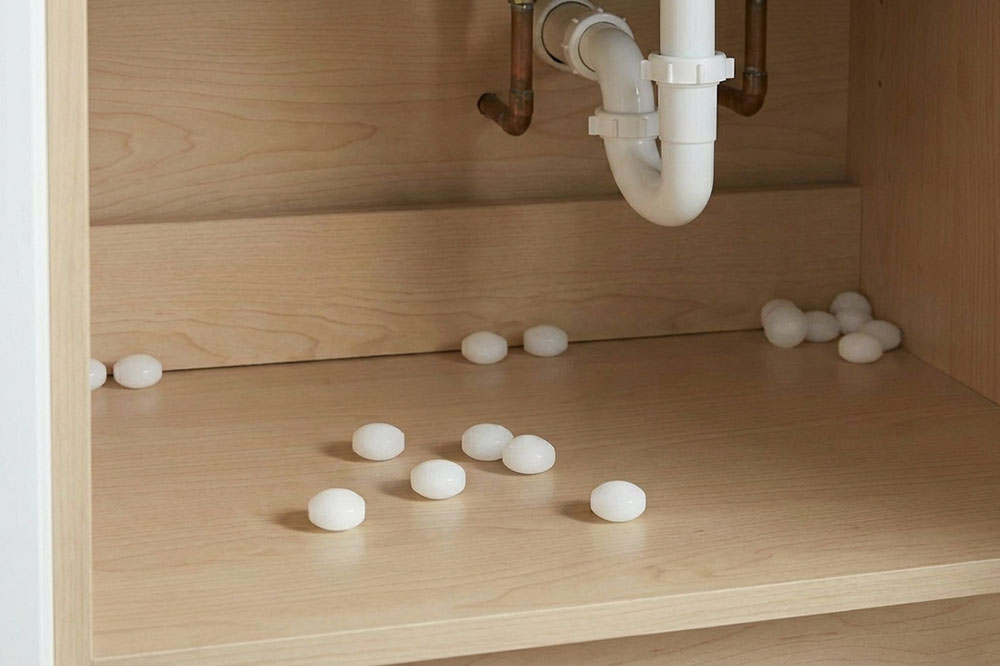
- Placing mothballs directly in cupboards or drawers where food is kept
- Using too many mothballs in a small space
- Storing mothballs where children or pets can reach them
- Not sealing containers properly, allowing vapors to escape
- Forgetting to air out food before eating
- Mixing mothballs with other chemicals or cleaning products
Avoiding these mistakes can protect your health and keep your kitchen safe.
Mothballs Vs. Other Pest Control Methods
It’s useful to compare mothballs with other common pest control methods for kitchens. Here’s a side-by-side look:
| Method | Effectiveness | Health Risk | Ease of Use |
|---|---|---|---|
| Mothballs (airtight container) | High (for insects in storage) | High if misused | Medium |
| Airtight storage | High | Low | Easy |
| Bay leaves | Moderate | Very low | Very easy |
| Diatomaceous earth | Moderate | Low | Easy |
| Essential oils | Low-Moderate | Low | Easy |
| Traps/baits | High (for rodents/insects) | Low | Medium |
As you can see, safer methods are usually just as effective as mothballs for most kitchen pests.
How Long Do Mothballs Last?
The life of a mothball depends on the environment. In a tightly sealed container, a mothball can last up to 6 months. In open air, it evaporates much faster—sometimes in just a few weeks.
Factors that affect mothball life:
- Temperature: Higher temperatures speed up evaporation.
- Ventilation: More airflow means mothballs disappear faster.
- Humidity: Moist air can break down mothballs more quickly.
If you see that mothballs are shrinking, it’s time to replace them—but always consider if you really need to keep using them.
Signs Mothball Use Is Unsafe
It’s not always easy to tell if you’ve used mothballs incorrectly. Watch out for these warning signs:
- Strong mothball smell in the kitchen or house
- Headaches, nausea, or dizziness after spending time in the kitchen
- Pets acting sick or children showing strange symptoms
- Food that smells or tastes like chemicals
If you notice these problems, stop using mothballs and air out your kitchen immediately.
Case Study: Mothballs In The Kitchen—a Cautionary Tale
Let’s look at a real-world case that shows the dangers of using mothballs in the kitchen.
In 2019, a family in South Asia used mothballs to protect rice and flour from bugs. After a few months, their young child became sick with vomiting and confusion. Doctors discovered the child had naphthalene poisoning. The family had stored mothballs in an open cupboard, and the vapors entered the food and air. This case shows why mothballs should only be used with extreme caution and always in sealed containers.
Practical Tips For Safer Kitchen Pest Control
- Inspect groceries before storage: Bugs often enter the kitchen inside flour, rice, or dried fruit. Check packages for holes or webs.
- Freeze dry goods: Placing new grains or flour in the freezer for 48 hours can kill insect eggs.
- Rotate food: Use older food first, and avoid stocking up more than you need.
- Clean up spills quickly: Pests are attracted to crumbs and sticky spots.
- Seal entry points: Fix cracks and gaps where pests can enter.
- Try natural repellents: Use cloves, bay leaves, or dried chilies in storage containers.
These steps are often as effective as chemical solutions and much safer for your health.
What To Do If Someone Is Exposed To Mothballs
Accidents can happen, especially with children or pets in the house. If someone breathes in mothball vapors, eats a mothball, or gets mothball dust on their skin, act quickly.
- Inhalation: Move the person to fresh air right away.
- Swallowed mothball: Call emergency services or poison control. Do not make the person vomit.
- Skin contact: Wash skin with soap and water.
- Symptoms: Watch for headache, vomiting, confusion, or trouble breathing.
In serious cases, get medical help immediately. For more information, see the CDC’s guide on mothball safety.
Myths And Misunderstandings About Mothballs
Mothballs are surrounded by myths. Here are some common ones:
- “Mothballs are safe if you can’t smell them.” False. Vapors can still be present even if the smell is faint.
- “Mothballs kill all pests.” Not true. They work mainly for moths and some insects, and are not reliable for rodents or cockroaches.
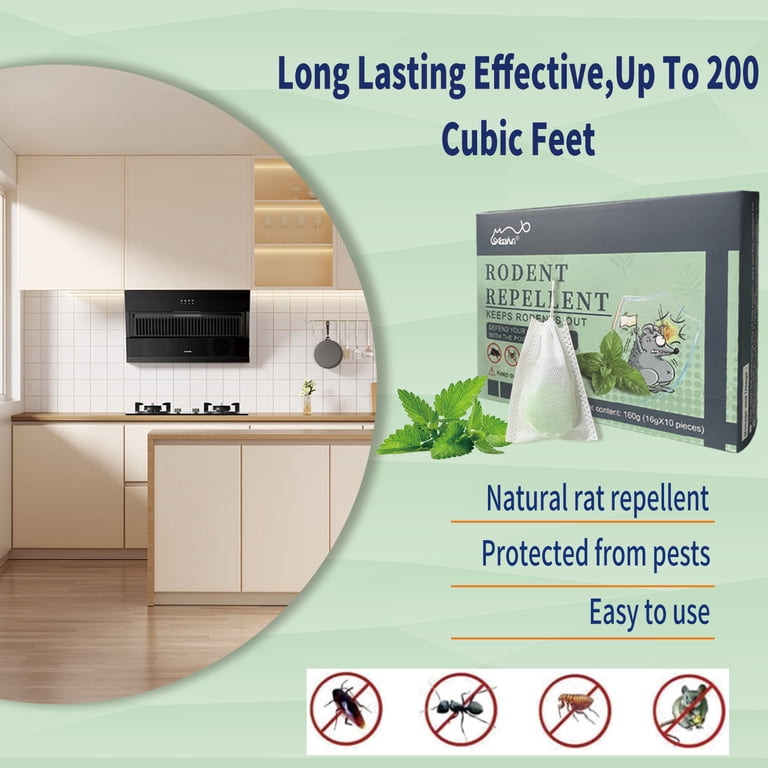
- “Natural mothballs are safe.” Some brands claim to be “natural” but still use dangerous chemicals.
- “Mothballs are a cheap, easy fix for any pest problem.” In reality, they are risky and often unnecessary.
Knowing the facts can help you avoid dangerous mistakes.
Credit: www.walmart.com
Real-world Data: Mothball Poisoning Cases
Mothball poisoning is rare but can be deadly. According to the American Association of Poison Control Centers, there were over 1,500 cases of mothball exposure reported in the US in 2021. Most cases involved children under 6 years old. Serious illness or death is rare, but can happen if a large amount is swallowed or if someone is exposed for a long time.
| Year | Total Cases | Cases in Children <6 | Hospitalization Required |
|---|---|---|---|
| 2019 | 1,320 | 820 | 36 |
| 2020 | 1,410 | 910 | 44 |
| 2021 | 1,520 | 1,050 | 49 |
This data shows why it’s so important to handle mothballs carefully—or better yet, avoid them in the kitchen altogether.
Frequently Asked Questions
What Pests Do Mothballs Actually Repel In The Kitchen?
Mothballs are designed to repel moths and some insects—especially those that attack stored grains, like weevils. They are less effective against cockroaches, ants, and rodents. For these pests, other control methods work better.
Can Mothballs Make My Food Toxic?
Yes. The chemicals in mothballs can contaminate food if vapors get inside containers or if mothballs touch food directly. Eating contaminated food can cause serious health problems.
Are There Any Safe Mothball Alternatives For Kitchen Storage?
Absolutely. Airtight containers, bay leaves, diatomaceous earth, and regular cleaning are all safe and effective ways to protect food from insects. These methods have little or no health risk.
How Can I Tell If Mothballs Are Affecting My Kitchen Air Quality?
A strong, chemical smell is the first sign. If you notice headaches, nausea, or a strange taste in food, mothball vapors may be present. Consider using an air quality monitor or simply avoid using mothballs in open spaces.
What Should I Do If A Child Or Pet Swallows A Mothball?
This is an emergency. Call poison control or your local emergency number right away. Do not try to make the child or pet vomit. Quick action can prevent serious health problems.
Using mothballs in the kitchen is a choice with real risks. With the right information, you can keep your home safe—and your food, family, and pets protected. Consider safer, modern options first, and use mothballs only if you fully understand the dangers and follow all safety rules.

Credit: www.amazon.com