
For many coffee lovers, the simple pleasure of making espresso at home can transform mornings. The Primula Stovetop Espresso Maker (often called a Moka pot) is a classic tool that brings strong, delicious espresso within reach—no expensive machine required. This guide will walk you through every detail, from understanding your Primula to making the perfect cup, cleaning, troubleshooting, and even experimenting with recipes. You’ll discover practical tips, common mistakes to avoid, and answers to questions most beginners have. Whether you’re new to stovetop espresso or want to perfect your technique, you’ll find everything you need to know right here.
What Is A Primula Stovetop Espresso Maker?
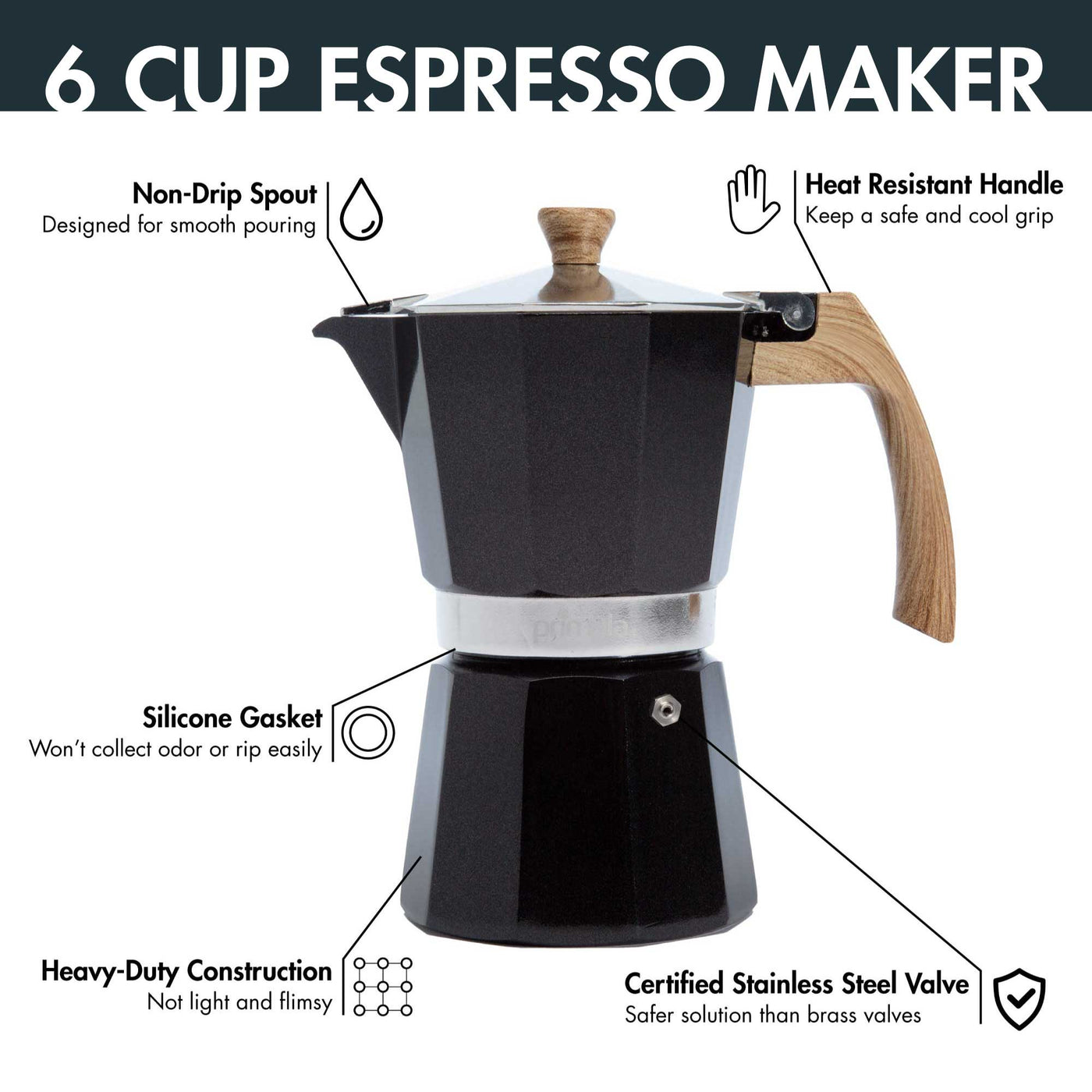
A Primula Stovetop Espresso Maker is a compact, easy-to-use coffee brewing device. Its design is inspired by the original Italian Moka pot, created in the 1930s. The Primula consists of three main parts: a lower chamber for water, a filter basket for ground coffee, and an upper chamber to collect the brewed espresso. As the water heats, pressure pushes it up through the coffee grounds and into the top chamber, creating strong, aromatic espresso.
Why Choose A Stovetop Espresso Maker?
- Affordable: Much cheaper than electric espresso machines.
- Simple to Use: No complicated controls or electronics.
- Portable: Works on any stovetop (gas, electric, or induction with an adapter).
- Authentic Taste: Produces classic, rich espresso flavor.
Many coffee enthusiasts prefer stovetop espresso makers for their reliability and the control they offer over brewing.
Unboxing And Assembling Your Primula
When you first get your Primula, it’s important to check all components and understand how they fit together.
What’s In The Box?
- Lower Chamber: Holds water.
- Filter Funnel: Holds ground coffee.
- Upper Chamber: Collects brewed espresso.
- Gasket: A rubber or silicone seal between the two chambers.
- Safety Valve: Releases pressure if needed.
- Handle and Lid: For safe pouring and covering.
Assembling The Primula
- Unscrew the upper chamber from the lower chamber.
- Remove the filter funnel from the lower chamber.
- Check the gasket and safety valve for proper placement and cleanliness.
- Reassemble by screwing all parts together without over-tightening.
Always wash all parts with warm water before first use—this removes any manufacturing oils or dust.
Understanding How A Stovetop Espresso Maker Works
Before brewing, it helps to know what happens inside your Primula. The water in the lower chamber heats up, creating steam. As pressure builds, water is forced up through the coffee grounds in the filter basket, extracting flavor and oils.
The brewed coffee then rises through a central column into the upper chamber, ready to pour.
This process produces coffee that is stronger than drip coffee but not as concentrated as café-style espresso. Still, it’s perfect for a rich, full-bodied cup at home.
Choosing Coffee And Water For Best Results
The final taste of your espresso depends on the coffee beans and water you use.
Picking The Right Coffee
- Grind Size: Use a medium-fine grind. Too fine (like powder) can clog the filter; too coarse makes weak coffee.
- Freshness: Freshly ground beans give the best aroma and flavor.
- Type: 100% Arabica beans are smoother, while Robusta adds strength and crema (foam).
- Roast: Medium to dark roast is ideal for stovetop espresso.
Tip: Store beans in an airtight container away from light and moisture.
Water Quality
- Filtered Water: Improves taste and prevents mineral buildup.
- Avoid Distilled Water: It lacks minerals that help extract coffee flavors.
- Temperature: Start with cold or room-temperature water.
Using poor-quality water can make even the best coffee taste flat.
Step-by-step Guide: Brewing With A Primula Stovetop Espresso Maker
Let’s dive into the brewing process. These steps are designed to help you get consistent results every time.
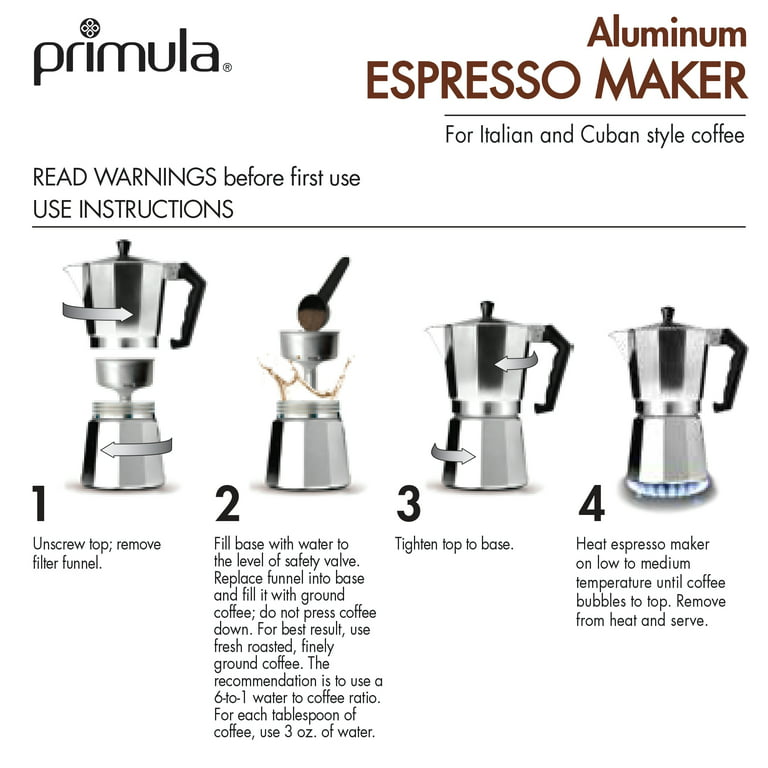
1. Fill The Lower Chamber With Water
- Unscrew the upper chamber and remove the filter funnel.
- Fill the lower chamber with cold water up to the safety valve. Never cover the valve, as it’s essential for pressure release.
Non-obvious insight: Using preheated water can speed up brewing and reduce the risk of a burnt taste. However, be careful when handling hot water.
2. Add Coffee Grounds To The Filter Basket
- Fill the filter basket with ground coffee until level (do not press or tamp down).
- Gently shake or tap to even out the coffee.
Mistake to avoid: Tamping coffee like in electric espresso machines can cause too much pressure, leading to leaks or weak extraction.
3. Assemble And Seal The Pot
- Place the filter basket into the lower chamber.
- Screw the upper chamber on securely but not too tight. Over-tightening can damage the gasket.
- Ensure the gasket is clean and properly seated.
4. Place On The Stovetop
- Use low to medium heat. Too high can scorch the coffee.
- Position the handle away from the heat source to avoid melting or burning.
- Leave the lid slightly open to watch the coffee stream and avoid condensation.
5. Watch And Listen
- After a few minutes, you’ll hear a gentle hissing or gurgling as coffee flows into the upper chamber.
- Once the sound changes to a sputter, most water is gone, and brewing is done.
Practical tip: Remove from heat just before the sputtering ends to prevent bitter, over-extracted coffee.
6. Pour And Enjoy
- Let the coffee settle for 30 seconds.
- Pour into a small cup or mug. Enjoy straight or add hot water/milk for Americano or latte-style drinks.
Serving size: Most Primula pots make 3-6 “shots” (small espresso cups) per brew.
Cleaning And Maintenance
Caring for your Primula ensures better taste and a longer lifespan. Regular cleaning also prevents residue buildup and off-flavors.
After Each Use
- Let the pot cool before disassembling.
- Rinse all parts with warm water—no soap, as it can leave a taste.
- Remove coffee grounds and rinse the filter basket thoroughly.
- Dry all parts before reassembling.
Non-obvious insight: Drying completely prevents mold and gasket deterioration.
Deep Cleaning (weekly Or Monthly)
- Check for coffee oils or stains, especially in the filter and gasket.
- Use a small brush or soft cloth to clean hard-to-reach areas.
- Replace the gasket if it becomes cracked or loses flexibility.
Descaling
If you notice white residue (mineral buildup), fill the lower chamber with a mix of water and vinegar (1:1 ratio). Run a brewing cycle without coffee, then rinse thoroughly with clean water.
Tip: Only descale as needed, since too much vinegar can wear out the gasket.

Credit: www.amazon.com
Troubleshooting Common Problems
Even with the best technique, issues can happen. Here’s how to solve them:
Coffee Tastes Bitter Or Burnt
- Problem: Water too hot or brewing too long.
- Solution: Use lower heat and remove from stove at first sign of sputtering.
Coffee Is Weak Or Watery
- Problem: Grind is too coarse, or not enough coffee used.
- Solution: Use a finer grind and fill filter basket to the top.
Coffee Leaks From The Side
- Problem: Gasket is worn, or chambers not sealed.
- Solution: Check gasket, clean threads, and screw parts together snugly.
No Coffee Comes Out
- Problem: Filter is clogged, or grind is too fine.
- Solution: Clean filter, use medium-fine grind, and never tamp grounds.
Handle Melts Or Burns
- Problem: Handle too close to heat source.
- Solution: Position pot so handle stays cool. Use a flame diffuser if needed.
Comparing Primula With Other Stovetop Espresso Makers
Many brands produce Moka pots, but how does Primula stand out? Here’s a comparison with two popular brands: Bialetti and Grosche.
| Feature | Primula | Bialetti | Grosche |
|---|---|---|---|
| Price Range (USD) | 15–30 | 25–40 | 20–35 |
| Material | Aluminum, Stainless Steel | Aluminum | Aluminum, Stainless Steel |
| Sizes Available | 1–12 cups | 1–12 cups | 1–9 cups |
| Design Variety | Modern, Classic | Classic | Modern, Classic |
| Spare Parts Availability | Moderate | High | Moderate |
Insight: Primula offers more affordable options and a variety of modern designs, but Bialetti is known for easy access to spare parts.
Experimenting With Recipes And Variations
Once you master basic brewing, try different drinks and flavors. The Primula is versatile!
Classic Espresso
- Brew as described above. Enjoy straight for a strong, bold taste.
Café Americano
- Add equal parts hot water to brewed espresso for a lighter cup.
Latte Or Cappuccino
- Mix espresso with steamed milk for a creamy drink. Use a milk frother if you like foam.
Iced Espresso
- Pour brewed espresso over ice. Sweeten as desired.
Flavor Twists
- Add a pinch of cinnamon, cardamom, or a piece of orange peel to the grounds before brewing for a unique flavor.
Using Different Beans
Experiment with blends from various countries. Ethiopian beans add fruity notes; Colombian beans are nutty and balanced.
Serving Size And Strength Table
Here’s a quick guide for adjusting water and coffee amounts:
| Pot Size (Cups) | Water (ml) | Coffee (g) | Strength |
|---|---|---|---|
| 3 | 150 | 18–20 | Strong |
| 6 | 300 | 36–40 | Very Strong |
| 9 | 450 | 54–60 | Extra Strong |
Tip: Adjust coffee to taste, but do not overfill the filter basket.
Safety Tips For Stovetop Espresso
The Primula is safe if used properly, but always follow these precautions:
- Do not overfill with water (never past the safety valve).
- Never tamp down the coffee grounds.
- Monitor the pot during brewing to prevent overheating.
- Always let the pot cool before handling for cleaning.
- Replace gaskets every 6–12 months, or sooner if you see cracks.
Credit: primulaproducts.com
Storing And Maintaining Your Primula
Proper storage keeps your espresso maker in top shape:
- Store disassembled to let parts air out.
- Keep in a dry place to avoid moisture and mold.
- Check gasket regularly and replace as needed.
- Clean after every use, especially if you use flavored coffees.
Practical tip: If you use the Primula daily, deep-clean at least once a week.
Sustainable Brewing: Caring For The Environment
Making espresso at home with a stovetop maker is already an eco-friendly choice. You avoid single-use pods and plastic waste. Here’s how to make your routine even greener:
- Compost used coffee grounds.
- Use filtered tap water instead of bottled.
- Choose Fair Trade or organic beans.
- Recycle the packaging of your coffee and accessories.
Credit: www.walmart.com
Accessories That Enhance Your Espresso Experience
Some accessories can make brewing with the Primula even more enjoyable:
- Coffee grinder: For fresh grounds every time.
- Milk frother: For lattes and cappuccinos.
- Espresso cups: Small, thick-walled cups keep coffee hot.
- Flame diffuser: If using a gas stove, this spreads heat evenly.
When To Replace Parts Or Upgrade
With care, a Primula lasts for years. But some parts wear out:
- Gasket: Replace if cracked or loose.
- Filter basket: Replace if bent or clogged.
- Safety valve: Replace if it shows rust or doesn’t move freely.
If you want a larger size, a stainless steel model, or a pot for induction stoves, consider upgrading within the Primula line or exploring other brands.
Real-world Examples: Common Mistakes And How To Avoid Them
Many beginners make similar errors. Here are some real experiences:
- Overfilling water: Causes leaks or poor extraction. Always fill to the safety valve.
- Using too fine a grind: Blocks water flow. Aim for medium-fine, not espresso-powder fine.
- Not cleaning enough: Old coffee oils create bitter taste. Rinse and dry all parts every time.
- Leaving on heat too long: Burns coffee. Remove as soon as brewing sound changes.
- Forgetting to replace gasket: Leads to leaks and weak coffee. Check monthly.
Learning from these mistakes saves time, effort, and wasted coffee.
Primula Espresso Maker: User Experience And Reviews
Most users love the simplicity and value of Primula. Here’s a summary of real feedback:
- Pros: Easy to use, affordable, makes authentic-tasting espresso, works on many stoves, available in multiple sizes.
- Cons: Gasket may wear out quickly, some models not dishwasher safe, less crema compared to high-pressure machines.
Non-obvious insight: If you want more crema, try blending in a small amount of Robusta beans or experiment with a slightly finer grind.
For more in-depth reviews, see the official Primula website.
Comparing Stovetop Espresso To Other Brewing Methods
How Does Primula Espresso Compare To Other Popular Methods?
| Method | Brewing Time | Flavor Strength | Complexity | Cost |
|---|---|---|---|---|
| Stovetop (Primula) | 5–10 min | Strong | Easy | Low |
| Drip Coffee | 5–10 min | Mild | Easy | Low–Medium |
| French Press | 4–5 min | Medium–Strong | Easy | Low |
| Espresso Machine | 2–3 min | Very Strong | Medium–Difficult | High |
As you can see, the Primula gives you a strong, espresso-like taste with less complexity and cost.
Frequently Asked Questions
How Long Does It Take To Make Espresso With A Primula?
Usually, it takes 5 to 10 minutes from start to finish. The actual brewing (on the stove) is about 4–6 minutes, depending on pot size and stove heat.
Can I Use The Primula On An Induction Cooktop?
Most standard aluminum Primula pots do not work directly on induction stoves. However, stainless steel models or using an induction adapter plate will solve this. Always check your model’s compatibility.
Why Is My Coffee Coming Out Bitter?
Bitterness often means over-extraction. This can happen if you use too much heat, leave the pot on too long, or use stale coffee. Use lower heat, fresh beans, and remove the pot as soon as brewing finishes.
How Do I Replace The Gasket?
Let the pot cool, unscrew the chambers, and gently remove the old gasket with a blunt tool. Clean the groove, insert the new gasket, and reassemble. Make sure it sits flat for a good seal.
Is Stovetop Espresso The Same As Real Espresso?
Not exactly. Stovetop espresso is strong and rich, but it’s brewed at lower pressure than electric machines. You get a similar flavor and caffeine kick, but less crema (foam).
Final Thoughts
The Primula Stovetop Espresso Maker is a trusted tool for brewing bold, flavorful coffee at home. With a little practice and care, you’ll master the process and enjoy café-style espresso any time you want. Remember to use fresh beans, the right grind, and keep your Primula clean. Explore new recipes, fix common mistakes, and don’t be afraid to experiment. With this guide, you’re ready for a lifetime of delicious, homemade espresso.
For more on stovetop espresso makers, visit the Wikipedia Moka pot page. Happy brewing!