
Using sump pump water for your lawn can be a smart way to save money, conserve water, and make use of a resource that usually goes down the drain. For many homeowners, sump pumps are essential for keeping basements and crawl spaces dry, especially in areas with high groundwater or heavy rain.
But what if that water, instead of being wasted, could help your grass stay green and healthy? This guide will show you how to safely use sump pump water for your lawn, explain what you need to consider, and help you avoid common mistakes that could harm your yard or your family’s health.
Many people do not realize that sump pump water can be a valuable resource. However, it is not as simple as just redirecting a hose to your grass. There are important safety, legal, and practical factors you must understand. This article covers everything you need to know, from the basics of sump pumps to advanced tips for using the water efficiently.
You will learn how to prepare your system, test the water quality, and set up your yard for safe irrigation. Plus, you’ll discover some non-obvious insights that can save you trouble and money in the long run.
Understanding Sump Pump Water
Before you start watering your lawn with sump pump water, you need to know what it is and where it comes from. A sump pump is a device installed in the lowest part of a basement or crawlspace. Its job is to collect and remove water that accumulates from rain, melted snow, or groundwater. The water usually flows into a sump pit and is pumped away from the house to prevent flooding.
Not all sump pump water is the same. Sometimes it’s just rainwater that has seeped through the soil. Other times, it can mix with groundwater, which may contain minerals or even pollutants. In some houses, sump pumps can also collect water that has passed through contaminated soil, nearby septic systems, or areas with lawn chemicals. For this reason, it is essential to test the water before using it on your lawn.
What Makes Sump Pump Water Different?
Unlike municipal tap water, which is treated for safety, sump pump water is untreated. It may contain dirt, small debris, bacteria, or even chemicals from the soil. This does not mean you cannot use it, but you need to be careful.
Some sump pump water is relatively clean, especially if your area does not use a lot of lawn chemicals or if your house is not near a septic field. In other cases, the water might be unsuitable for irrigation without treatment.
Is It Legal To Use Sump Pump Water?
Laws about using sump pump water vary by location. In some cities, using this water for irrigation is encouraged as a way to conserve resources. In others, there may be restrictions or guidelines, especially if the water could run into storm drains or public property.
Always check with your local government or water authority before connecting your sump pump to your lawn irrigation system.
Benefits Of Using Sump Pump Water For Your Lawn
When used correctly, sump pump water can offer many advantages for your lawn and your wallet.
- Reduces Water Bills: Watering a lawn can use hundreds of gallons each week. Using sump pump water means you use less tap water, which lowers your bill.
- Environmentally Friendly: Reusing water that would otherwise go to waste conserves resources and reduces pressure on local water supplies.
- Prevents Soil Erosion: Directing water to your lawn rather than your driveway or street can prevent puddles, erosion, and runoff.
- Supports Healthy Lawns: In many cases, rainwater (which often makes up most of your sump pump water) is better for grass than chlorinated tap water.
- Reduces Flooding Risk: By sending water to your lawn, you reduce the chance of creating swampy areas near your house’s foundation.
Real-world Example
A suburban homeowner in Illinois with a 2,000-square-foot lawn found that using sump pump water for irrigation reduced their monthly water bill by 20% during the summer. Over a year, this saved more than $200 and kept the grass green during drought periods.
Risks And Safety Concerns
While there are many benefits, using sump pump water on your lawn can also bring risks. Understanding these will help you avoid problems.
Potential Contaminants
Sump pump water can contain:
- Bacteria and pathogens: Especially if your home is near a septic system or livestock.
- Chemicals: Such as pesticides, fertilizers, or oil from driveways.
- Heavy metals: In some regions, groundwater can contain metals like lead or arsenic.
Using contaminated water on your lawn can harm plants, pets, and people—especially children who play on the grass. It can also create foul odors or even stain your lawn.
Common Mistakes
Beginners often make these errors:
- Not testing the water before use.
- Overwatering, which can create soggy, unhealthy soil.
- Allowing water to run off into sidewalks or storm drains, which may break local laws.
Non-obvious insight: Many people forget that their sump pump may run most during heavy rain—when your lawn is already wet. This means you need a plan for storing or diverting water rather than watering during storms.
Testing Sump Pump Water Quality
Before you start using sump pump water for your lawn, you need to know if it is safe. The best way is to test the water. Here’s how:
How To Test
- Collect a Sample: Use a clean glass or plastic container. Collect water during a normal pump cycle.
- Home Test Kits: These are available at hardware stores and can check for bacteria, nitrates, pH, and more. They cost $20–$50.
- Professional Lab Test: For more detailed results, take your sample to a local water testing lab. They can check for heavy metals and chemicals.
- Look and Smell: While not a full test, clear water with no odor is usually safer than cloudy, smelly water.
What To Look For
- Bacteria (coliform/E. Coli): Should be absent.
- PH: 6.0–7.5 is best for lawns.
- Nitrates: Below 10 mg/L is considered safe.
- Heavy Metals: Should not be present.
If you find dangerous contaminants, do not use the water on your lawn. If only minor problems are detected (like high pH), you may be able to treat the water or mix it with tap water.

Credit: www.youtube.com
Setting Up A Sump Pump Lawn Irrigation System
To use sump pump water for your lawn, you need to set up a safe and effective system. This is where many people make mistakes, so follow these steps carefully.
1. Choose The Right Discharge Location
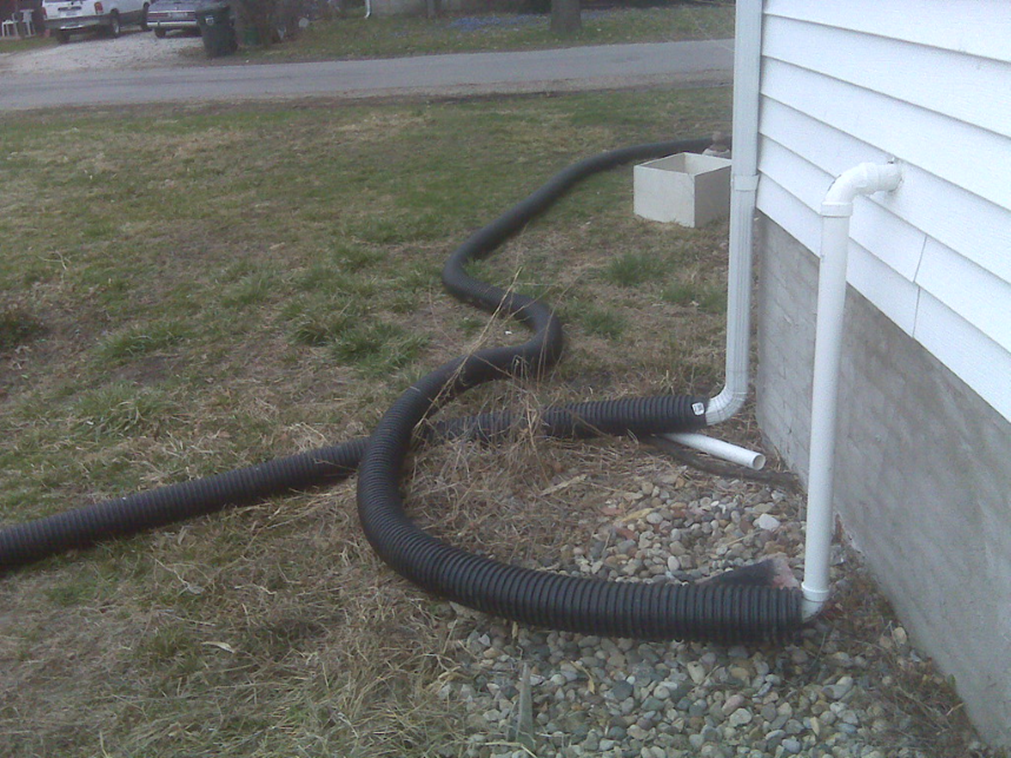
Never let sump pump water discharge near your foundation or into a neighbor’s yard. Pick a spot where water can soak into your lawn. Avoid areas that already get too much water.
2. Use A Hose Or Piping
Most sump pumps have a standard outlet where you can attach a garden hose or PVC pipe. Make sure the connection is tight to avoid leaks.
- For small lawns (under 1,000 sq. Ft.), a regular garden hose may be enough.
- For larger areas, or if you want to reach distant spots, use 1.5-inch or larger PVC pipe.
3. Add A Filter
Install a simple filter at the end of the discharge pipe. This can be a mesh screen, a sediment filter, or a homemade filter using gravel. It will catch large debris and protect your lawn and irrigation gear.
4. Build A Distribution System
You may want to spread water evenly across your lawn, not just dump it in one spot. There are several options:
- Soaker hoses: These hoses allow water to seep out along their length.
- Sprinkler heads: Attach to your pipe and spray water over a wide area.
- Perforated pipes: Bury these slightly below the surface for even soaking.
5. Consider A Holding Tank
Because sump pumps often run during storms, you may not want to water your lawn right then. Installing a holding tank (rain barrel or cistern) lets you collect and use the water later. Make sure the tank is covered to prevent mosquitoes.
6. Add Overflow Protection
If your holding tank fills up, you need a way for extra water to escape safely. Use an overflow pipe that leads to a safe drainage area.
Example Setup
A typical system might include:
- Sump pump → PVC pipe → holding tank (55 gallons) → filter → soaker hose network.
This setup allows you to collect water, filter it, and distribute it evenly across your lawn when needed.
How To Water Your Lawn With Sump Pump Water
Now that your system is in place, you need to use it wisely. Watering your lawn with sump pump water is different from using a sprinkler or hose connected to the tap.
When To Water
- Best time: Early morning or late afternoon, when evaporation is lowest.
- Avoid after heavy rain: If your lawn is already wet, wait until the soil starts to dry before using more water.
- Monitor moisture: Stick a screwdriver or soil probe into the ground. If it goes in easily, your soil is wet enough.
How Much Water?
Most lawns need about 1 inch of water per week (including rain). Too much water can cause disease, fungus, or root rot.
Example Calculation
If your lawn is 2,000 square feet, 1 inch of water is about 1,250 gallons. If your sump pump produces 30 gallons per cycle and runs 10 times per day after rain, that’s 300 gallons per day, or 2,100 gallons per week—enough for your lawn, and maybe more.
How To Apply Water
- Move the hose or sprinkler around to cover different areas.
- Avoid watering sidewalks, driveways, or patios.
- Water slowly to avoid runoff and give the soil time to absorb.
Watch For Signs Of Overwatering
If your lawn feels spongy or you see standing water, cut back. Overwatering is a common mistake and can do more harm than good.
Credit: marionswcd.org
Comparing Sump Pump Water To Other Irrigation Sources
To see how sump pump water stacks up, here’s a comparison with other common irrigation sources.
| Source | Cost | Water Quality | Availability | Environmental Impact |
|---|---|---|---|---|
| Municipal Tap Water | High | Excellent (treated) | Always | High energy use, treated |
| Rain Barrel | Low | Good (if roof is clean) | Seasonal | Low impact |
| Sump Pump Water | Very Low | Varies (must test) | When groundwater/rain is high | Low/Medium (depends on use) |
| Well Water | Low/Medium | Varies (minerals, contaminants) | Always (if well is reliable) | Medium (draws from aquifer) |
Maintenance Tips For Sump Pump Lawn Irrigation
A well-maintained system is safer, lasts longer, and works better. Here’s what you should do:
Regular Inspections
- Check your sump pump every month for clogs, leaks, or unusual noises.
- Clean the filter often to keep water flowing smoothly.
- Inspect hoses and pipes for cracks, leaks, or blockages.
Seasonal Maintenance
- In spring, test the system before heavy rains start.
- In fall, drain and store hoses before freezing weather.
- Flush your holding tank at least once a year to remove sediment.
Watch For Problems
- If you notice bad smells, algae, or discoloration on your lawn, stop using the water and test again.
- Make sure water does not pool near your home’s foundation, which can cause basement leaks.
Upgrade When Needed
If your system is old or your sump pump struggles to keep up, consider upgrading. Modern pumps are more efficient and quieter.
Key Legal And Environmental Considerations
While using sump pump water makes sense for many homeowners, you must follow the law and protect the environment.
Local Regulations
Some cities have rules about where you can discharge sump pump water. For example, you may not be allowed to let it run onto sidewalks, streets, or into the storm sewer. Breaking these rules can lead to fines.
Non-obvious insight: Some municipalities offer rebates or tax credits for homeowners who use rainwater or sump water for irrigation. Check your city’s website or call your local water authority.
Environmental Impact
Used correctly, sump pump water is a sustainable resource. But if you overwater or let contaminated water run off your property, it can pollute local streams or groundwater. Always use only as much as your lawn needs and avoid overuse.
Advanced Tips And Troubleshooting
For homeowners who want to get the most out of their system, here are some advanced tips.
Installing An Automatic Controller
If you want to make your system even more efficient, consider adding a moisture sensor or timer. These devices can turn your irrigation on or off based on soil moisture or weather forecasts.
Mixing Sump Pump And Tap Water
If your sump pump water is safe but sometimes in short supply, you can set up a dual system. Use sump pump water when available and switch to tap water during dry spells.
Dealing With Odors Or Stains
If your sump pump water has a smell or leaves stains, try adding an extra filter with activated carbon. This can remove many odors and chemicals.
Creating A Simple Diy Holding Tank
You don’t need an expensive cistern. Many people use old food-grade barrels (55-gallon) with a simple spigot near the bottom. Make sure to place the barrel on a solid base and use a mosquito-proof screen on top.
Credit: www.colincanhelp.com
Common Problems And How To Solve Them
Even with the best system, you may run into trouble. Here’s how to fix the most common issues:
Sump Pump Runs But No Water Comes Out
- Check for clogs or frozen pipes.
- Make sure the discharge line is not blocked by soil, roots, or debris.
Water Smells Bad Or Is Cloudy
- Clean your sump pit and filter.
- Test for bacteria or chemicals; stop using if unsafe.
Lawn Is Getting Patchy Or Yellow
- You may be overwatering or underwatering.
- Check water quality and adjust your irrigation schedule.
Mosquitoes Around Holding Tank
- Always keep tanks covered with a tight mesh.
- Clean tanks regularly to prevent larvae.
Cost Comparison: Sump Pump Water Vs. Tap Water
Using sump pump water can save real money. Here’s a simple breakdown.
| Scenario | Annual Water Use (Gallons) | Cost per 1,000 Gallons | Total Annual Cost |
|---|---|---|---|
| Tap Water for Lawn | 40,000 | $4.00 | $160 |
| Sump Pump Water | 40,000 | $0 (if setup is already in place) | $0 |
| Sump Pump Water (with new tank/filter cost amortized over 5 years) | 40,000 | $0.30 | $12 |
As you can see, even if you pay for a new barrel and filter, the cost is much lower over time.
Real-life Examples And Case Studies
Case 1: Urban Homeowner In Michigan
Jill, a homeowner in Detroit, set up a basic system with a hose and filter. She waters her 1,500-square-foot lawn using only sump pump water in spring and fall. After one year, she saw no lawn damage and her water bill dropped by 18%.
Case 2: Suburban Family In Ohio
The Smith family installed a rain barrel as a holding tank. Their sump pump runs most after storms, so they use the stored water during dry spells. They noticed their grass looked greener compared to neighbors who used only tap water.
Case 3: Rural Home With High Groundwater
A homeowner with a septic system tested their sump pump water and found high bacteria levels. They decided not to use it for their lawn, avoiding possible health risks.
Non-obvious Insights For Best Results
- Test During Different Seasons: Water quality can change throughout the year. Test in spring, summer, and fall.
- Monitor Lawn Health: Even if water tests are good, your grass will show if something is wrong. Watch for changes in color or thickness.
- Rotate Watering Areas: Don’t always water the same part of your lawn. This prevents overuse and keeps grass roots healthy.
Frequently Asked Questions
Is It Safe To Use Sump Pump Water On Vegetable Gardens?
No, it is not recommended. Sump pump water may contain bacteria or chemicals that are unsafe for food crops. Use it only for lawns or non-edible plants.
Can I Use Sump Pump Water If My House Is Near A Septic System?
You should be extra cautious. Water from sump pumps near septic systems can carry bacteria and other contaminants. Always test your water and consider using a filter or avoiding use altogether.
What Do I Do If My Local Government Prohibits Sump Pump Irrigation?
Always follow local laws. Some areas have strict rules to prevent pollution. If it is not allowed, consider using a rain barrel or other legal water-saving methods. Check with your local water authority.
Will Using Sump Pump Water Damage My Grass?
If the water is clean and you do not overwater, your grass should stay healthy. Test the water, use a filter, and monitor your lawn for any changes.
Where Can I Learn More About Water Testing And Sump Pump Systems?
You can find more information at the U.S. Environmental Protection Agency (EPA), which covers safe water practices, testing, and home systems.
Using sump pump water for your lawn is a practical, eco-friendly choice for many homeowners. With proper testing, setup, and care, you can keep your grass green and save money, all while making the most of a resource that would otherwise be wasted.
Remember, the key is to stay safe, follow local rules, and always watch for changes in your lawn’s health. With these tips, you can enjoy a beautiful yard and do your part for the environment.