
Using an Oster Roaster Oven can feel like unlocking a new level of convenience in the kitchen. Whether you want to cook for a holiday crowd or make weeknight meals easier, this countertop appliance offers flexibility, efficiency, and impressive results. But to get the most from your Oster Roaster Oven, it’s important to understand its unique features and the right way to use it. This guide will walk you through every step, from setup to cleaning, and will share expert tips and common mistakes to avoid. If you’re ready to roast, bake, or even slow-cook with confidence, keep reading.
What Is An Oster Roaster Oven?
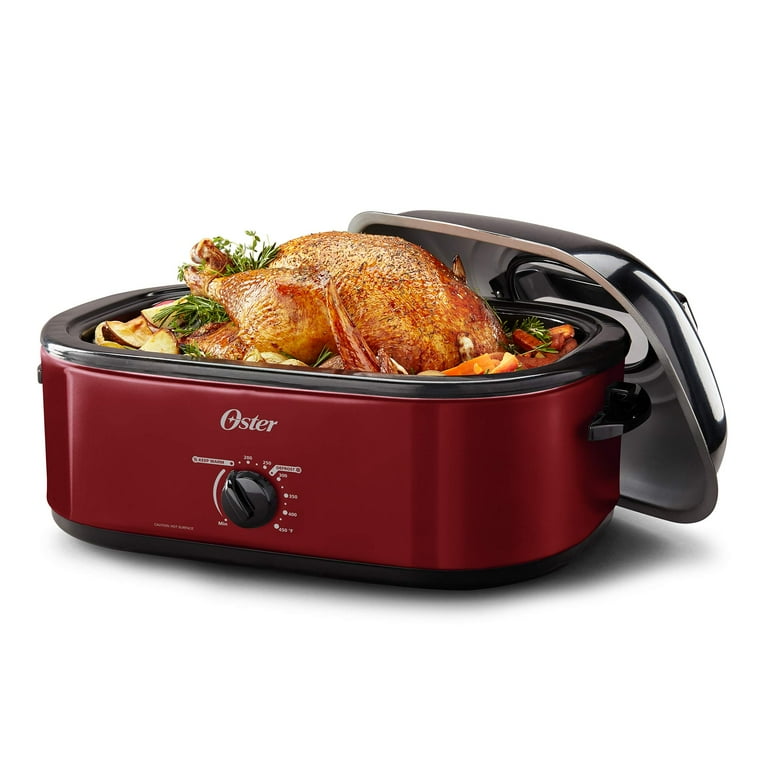
An Oster Roaster Oven is a portable electric oven designed for roasting, baking, steaming, and slow cooking. It’s often used as an alternative to a full-size oven, especially during holidays or when cooking for a crowd. Most models come with a removable roasting pan and a self-basting lid, helping to keep food moist and flavorful. Temperatures usually range from 150°F to 450°F, letting you cook everything from turkey to cakes.
Key Features
- Adjustable temperature controls for precise cooking
- Large capacity options, commonly 18 or 22 quarts, fitting turkeys up to 26 pounds
- Removable roasting pan for easy cleaning
- Self-basting lid to maintain moisture
- Compact design for countertop use
Some models also include racks or inserts for more versatile cooking.
Why Choose An Oster Roaster Oven?
The main appeal is versatility. An Oster Roaster Oven is not just for roasting meat. You can use it for slow-cooking stews, baking desserts, steaming vegetables, or even keeping food warm for a buffet. Because it’s separate from your main oven, you can cook multiple dishes at once—a major help during holidays.
Energy Efficiency
A typical oven uses 2,000 to 5,000 watts, while most Oster Roaster Ovens use around 1,400 watts. This means you can save on electricity and keep your kitchen cooler.
Space And Portability
Because it’s compact and portable, you can use it in small kitchens, dorms, or even outside for events. It’s also easy to store when not in use.
Moisture Retention
The self-basting lid and tight seal help lock in juices, making meats and baked goods tender and flavorful.
Getting Started: Unboxing And Initial Setup
Before your first cook, it’s important to set up your Oster Roaster Oven correctly.
- Unpack the oven: Remove all packaging materials, labels, and stickers from inside and outside.
- Wash all removable parts: Clean the roasting pan, rack, and lid with warm soapy water. Rinse and dry thoroughly.
- Place on a stable, heat-resistant surface: Ensure there is enough space around the oven for ventilation.
- Check the power requirements: Most models use standard 120V outlets. Avoid extension cords if possible.
- Insert the roasting pan: Place it inside the heating compartment. The rack goes inside the pan if you’re roasting meat.
- Plug in the oven: Now you’re ready to preheat or begin cooking.
Expert tip: Before the first use, run the oven empty (with the pan and lid) at 350°F for 15 minutes to burn off any manufacturing residues.
Understanding The Controls And Settings
Oster Roaster Ovens are simple, but knowing what each setting does will help you cook with confidence.
Temperature Control
Most models have a dial or digital control ranging from 150°F to 450°F. Use the lower range for warming or slow-cooking, and the higher range for roasting or baking.
Indicator Light
A small light shows when the oven is heating. Once the set temperature is reached, it may turn off, but the oven keeps the temperature steady.
Roasting Rack
The rack lifts food off the bottom for even heating and lets juices drip below. It’s especially important for roasting large cuts of meat.
Lid
The self-basting lid keeps heat and moisture inside. Do not open frequently during cooking; heat loss can affect results.

Credit: www.youtube.com
Roasting With The Oster Roaster Oven
Roasting is where this appliance shines. You can roast anything from a chicken to a 22-pound turkey.
How To Roast A Turkey
- Preparation: Thaw the turkey completely if frozen. Remove giblets and neck.
- Seasoning: Pat dry, then rub with oil, butter, herbs, and spices. Season inside and out.
- Rack Placement: Put the rack inside the roasting pan and place the turkey breast-side up.
- Preheat: Set the oven to 325°F and preheat for 10-15 minutes.
- Roasting: Place the turkey in the oven, cover with the lid, and roast according to weight. General guide: 13-15 minutes per pound.
- Check Temperature: Use a meat thermometer. The thickest part of the thigh should read 165°F.
- Resting: Remove the turkey and let it rest for 20-30 minutes before carving.
Sample Roasting Times
Here’s a quick reference for poultry and meats:
| Meat | Weight | Temperature | Approx. Time |
|---|---|---|---|
| Turkey | 18-22 lbs | 325°F | 4-5 hours |
| Whole Chicken | 5-7 lbs | 325°F | 2-2.5 hours |
| Beef Roast | 6-8 lbs | 325°F | 3-4 hours |
| Ham | 8-10 lbs | 325°F | 2-3 hours |
Non-obvious insight: Roasting in an Oster Roaster Oven often finishes up to 30% faster than a conventional oven due to the moist, sealed environment.
Basting And Browning Tips
- The self-basting lid usually keeps meat moist, so extra basting is rarely needed.
- If you want crispier skin, remove the lid for the last 30 minutes.
- For extra flavor, add aromatics (onions, garlic, herbs) under the rack in the pan.
Baking With Your Oster Roaster Oven
You can bake almost anything in an Oster Roaster Oven that fits in a standard oven—cakes, casseroles, bread, and more.
Basic Baking Steps
- Preheat the oven: Set to the desired temperature and wait 10-15 minutes.
- Prepare your bakeware: Use metal, glass, or ceramic pans that fit inside the roasting pan.
- Place on the rack: For even heat, keep food on the rack, not directly on the roasting pan.
- Monitor time: Baked goods may cook slightly faster. Start checking 5-10 minutes before the recipe’s recommended time.
- Avoid opening the lid: Heat escapes quickly, which can affect baking results.
What Can You Bake?
- Cakes and brownies
- Bread and rolls
- Casseroles
- Lasagna
- Baked pasta dishes
- Fruit crisps and cobblers
Non-obvious insight: Because heat is moist and even, baked goods are less likely to dry out or burn on the bottom compared to a traditional oven.
Steaming, Slow Cooking, And Warming
The Oster Roaster Oven is not just for roasting and baking. It can also steam, slow cook, and keep food warm for serving.
Steaming
- Add 1-2 inches of water to the roasting pan.
- Place vegetables, seafood, or dumplings on the rack.
- Cover and steam at 350°F until cooked.
Example: You can steam a large batch of corn on the cob or even tamales for a party.
Slow Cooking
- Set the temperature to 200-250°F.
- Add ingredients to a large oven-safe dish or directly in the roasting pan.
- Cover and cook for several hours (e.g., chili, stew, pulled pork).
Expert tip: Use this setting to prepare overnight oats or hearty soups for a crowd.
Warming
- Set temperature to 150-200°F.
- Use to keep dishes hot for buffets or potlucks.
- Stir occasionally to prevent sticking.
Non-obvious insight: The oven’s size makes it perfect for serving at events, keeping large batches of mashed potatoes or stuffing hot without drying out.
Cleaning And Maintenance
Caring for your Oster Roaster Oven properly will keep it working well for years.
After Each Use
- Unplug and cool: Always unplug and let the oven cool before cleaning.
- Remove parts: Take out the roasting pan, rack, and lid.
- Wash removable parts: Use warm, soapy water. The pan and rack are usually dishwasher-safe.
- Wipe the base: Use a damp cloth for the outside and heating well. Never submerge the base in water.
- Dry completely: Make sure all parts are dry before storing.
Deep Cleaning
- For stubborn stains, soak parts in hot, soapy water before scrubbing.
- Remove baked-on residue with a paste of baking soda and water.
- Avoid abrasive cleaners or steel wool, which can damage surfaces.
Expert tip: Clean the oven soon after use, while it’s still slightly warm (not hot), for easier removal of grease and food bits.
Safety Tips And Common Mistakes
While Oster Roaster Ovens are user-friendly, a few safety steps and tips can prevent problems.
Safety Tips
- Always use on a flat, heat-resistant surface.
- Keep cords away from water and hot surfaces.
- Never operate without the roasting pan inside.
- Use oven mitts; handles and lid can get very hot.
- Do not immerse the oven base in water.
Common Mistakes To Avoid
- Overfilling the oven: Never fill above the “MAX” line. Overfilling can cause spills or uneven cooking.
- Skipping preheating: Always preheat for best results, especially when baking.
- Opening the lid too often: This lets out heat and can slow down cooking.
- Using wrong cookware: Only use bakeware that fits and can withstand oven heat.
- Not checking food temperature: Always use a thermometer for large cuts of meat.
Non-obvious insight: If you’re cooking more than one dish at once, rotate their positions halfway through for even heating.
Oster Roaster Oven Vs. Traditional Oven
Wondering when to use your Oster Roaster Oven instead of a standard oven? Here’s a quick comparison:
| Feature | Oster Roaster Oven | Traditional Oven |
|---|---|---|
| Energy Use | Lower (1,400W) | Higher (2,000-5,000W) |
| Cooking Time | Up to 30% faster | Standard |
| Capacity | Up to 26 lb turkey | Usually larger, but shared with other dishes |
| Moisture Retention | High | Medium |
| Portability | Portable | Stationary |
| Versatility | Roast, bake, steam, slow cook, warm | Roast, bake, broil, toast |
Cooking For Crowds: Tips And Ideas
An Oster Roaster Oven is a favorite for holiday meals, parties, and potlucks. Here’s how to make the most of it.
Bulk Cooking
- Roast two chickens or several large pork loins at once.
- Make big batches of chili, stew, or pulled pork.
- Steam vegetables for a crowd.
Buffet Service
- Use the warming setting to keep mashed potatoes, gravy, or stuffing hot.
- Serve directly from the oven; the removable pan can be placed on a buffet table.
Batch Baking
- Bake several loaves of bread or multiple cakes at once (if pans fit).
- Use for large casseroles or lasagna for family gatherings.
Expert tip: Line the roasting pan with heavy-duty foil for easier cleanup after big meals.
Recipes For The Oster Roaster Oven
You’re not limited to plain roasts. Here are some crowd-pleasing ideas to try:
Classic Roast Turkey
- 18 lb turkey
- 2 tbsp olive oil
- Salt, pepper, herbs
- 1 onion, quartered
- 1 lemon, halved
Rub turkey with oil, season, and stuff cavity with onion and lemon. Roast at 325°F for about 4 hours. Rest, carve, and serve.
Cheesy Baked Ziti
- 2 lbs ziti pasta, cooked
- 4 cups marinara sauce
- 3 cups shredded mozzarella
- 1 cup ricotta cheese
- 1/2 cup grated parmesan
Mix pasta, sauce, and cheeses. Pour into a greased baking dish that fits in the oven. Bake at 350°F for 45 minutes.
Steamed Tamales
- 2 dozen prepared tamales
- Water
Add 2 inches of water to the pan, place tamales upright on the rack, and steam at 350°F for 1 hour.
Apple Crisp
- 6 cups sliced apples
- 1/2 cup brown sugar
- 1/2 cup flour
- 1/2 cup oats
- 1/4 cup butter
Mix topping ingredients, sprinkle over apples in a baking dish, and bake at 350°F for 45 minutes.
Troubleshooting: Common Problems And Solutions
Even the best appliances can have issues. Here’s how to solve common problems:
Food Is Undercooked
- Check power connection and temperature setting.
- Avoid opening the lid too often.
- Use a food thermometer to check doneness.
Food Is Overcooked Or Dry
- Use the rack to lift food above drippings.
- Lower the temperature or shorten cooking time.
- Add a bit of broth or water to the pan for moisture.
Uneven Cooking
- Rotate food halfway through if cooking multiple items.
- Make sure food is not touching the sides of the pan.
- Do not overcrowd the oven.
Burnt Bottoms
- Always use the rack for roasting or baking.
- Lower the temperature slightly.
- Grease the roasting pan or line with parchment paper for baking.
Oster Roaster Oven Maintenance: Longevity And Care
To keep your Oster Roaster Oven working for years, follow these care tips:
- Store unplugged and fully dry.
- Check the cord for damage periodically.
- Clean the vent holes to prevent blockages.
- Replace worn racks or pans with genuine Oster parts.
If your oven develops problems, contact Oster support or visit their official site for troubleshooting guides and warranty info.

Credit: www.amazon.com
Oster Roaster Oven Accessories
Enhance your cooking with these useful accessories:
- Extra racks: For baking or steaming multiple items.
- Liners: Heavy-duty foil or disposable pan liners for easy cleanup.
- Thermometer: Essential for checking meat doneness.
- Serving spoons and spatulas: Heat-resistant tools for buffet service.
- Steam insert trays: For more efficient steaming.
Most accessories are available from kitchen stores or Oster’s official website.
Tips For Best Results
- Preheat before adding food for even cooking.
- Use the right size pan or dish.
- Let meats rest after roasting for juicier results.
- Experiment with new recipes—Oster Roaster Ovens handle almost any oven-friendly dish.
- Keep the user manual handy for quick reference.
Expert tip: For a golden-brown finish on poultry or baked goods, brush the top with melted butter or egg wash before the last 15 minutes of cooking.
Credit: www.walmart.com
Frequently Asked Questions
How Big Of A Turkey Can I Cook In An Oster Roaster Oven?
Most Oster Roaster Ovens can handle turkeys up to 22–26 pounds, depending on the model. Always check your specific oven’s capacity in the manual. Make sure the lid fits securely without touching the bird for best results.
Can I Use My Oster Roaster Oven As A Slow Cooker?
Yes, you can. Set the temperature between 200°F and 250°F and use it just like a slow cooker. It’s perfect for large batches of chili, pulled pork, or stews. Remember to use a rack or oven-safe dish for best results.
How Do I Get Crisp Skin On Poultry When Using The Roaster Oven?
For crisp skin, remove the lid during the last 20-30 minutes of roasting. You can also brush the skin with oil or melted butter before finishing. If you want extra browning, you can briefly place the cooked bird under a broiler—but this is rarely needed.
Is It Safe To Cook Directly In The Roasting Pan, Or Should I Use Bakeware?
You can cook directly in the removable roasting pan for roasting meats or making stews. For baking cakes, casseroles, or breads, use oven-safe bakeware that fits inside the pan. Always place bakeware on the rack for even heat circulation.
Where Can I Find More Recipes And Tips For My Oster Roaster Oven?
The best source is the official Oster website or user manual. You can also find recipes and community tips on forums and trusted cooking sites. For more details, visit Oster’s official site.
Cooking with an Oster Roaster Oven opens up new possibilities for your kitchen. With the right techniques, you’ll create delicious meals for any occasion—while saving time, energy, and stress. Whether you’re preparing a holiday feast or a simple weeknight dinner, this versatile appliance can help you get perfect results every time.