
Washing an oven cover may seem like a small task, but it can make a big difference in your kitchen’s cleanliness and safety. Many people forget about the oven cover because it often sits above the action, collecting grease, dust, and food splatters over time.
If you leave it dirty, it can make your kitchen smell bad and even reduce the life of your oven. Cleaning your oven cover the right way is not only about making it look good, but also about protecting your home and health.
This guide will show you everything you need to know about how to wash an oven cover. Whether your oven cover is made of stainless steel, glass, enamel, or another material, you will learn the best cleaning methods, what products to use, and important safety steps.
You will also discover tips and tricks from experts—things most beginners miss. By the end, you’ll have the confidence to tackle even the toughest oven cover cleaning jobs, and you’ll know how to keep it looking great for longer.
Why Cleaning Your Oven Cover Matters
Many people ignore the oven cover when cleaning their kitchen. However, this part of your oven gets dirty quickly because it is exposed to steam, oil, dust, and even insects. Over time, these stains can become sticky and hard to remove. If you cook often, grease and food splatters can build up and create a fire risk.
A clean oven cover also helps prevent bad smells. Grease can turn rancid, and dust can burn, producing unpleasant odors. For families with allergies, dust and mold can also gather on the cover. Regular cleaning helps protect your family’s health.
Another important reason is energy efficiency. When the oven cover is clean, heat can escape or circulate properly, meaning your oven works better and uses less power. If you plan to sell your home or rent it out, a sparkling oven cover makes a good impression.
Understanding Different Oven Cover Materials
Before you start cleaning, it’s important to know what your oven cover is made of. Different materials need different cleaning methods. Using the wrong cleaner can scratch, stain, or damage your cover.
Common Oven Cover Materials
- Stainless Steel: Shiny, modern, and common in newer kitchens. It is strong but shows fingerprints and smudges easily.
- Glass: Often used for oven windows or decorative covers. Shows grease and streaks but is easy to wipe clean.
- Enamel-Coated Metal: Popular in older ovens. Resistant to rust but can chip if scratched.
- Aluminum: Lightweight and found in budget ovens. Prone to dullness and discoloration.
- Painted Metal: Sometimes used for colored oven covers. Needs gentle cleaning to avoid removing paint.
How To Identify Your Material
- Shiny silver: Usually stainless steel.
- Clear or tinted: Glass.
- Smooth, hard, colored: Enamel or painted metal.
- Lightweight, dull, or gray: Aluminum.
Check your oven’s manual if you’re not sure. Some covers combine materials (e. g. , glass in a steel frame).
Safety Precautions Before Cleaning
Cleaning an oven cover is usually safe, but there are a few key steps to protect yourself and your kitchen:
- Unplug the oven: If possible, disconnect the power to avoid electric shock.
- Wait for it to cool: Never clean a hot oven or cover. Burns are a common kitchen injury.
- Wear gloves: Protect your hands from strong cleaners and sharp edges.
- Ventilate: Open a window or use a fan to avoid breathing fumes from cleaners.
- Lay towels or newspaper: This protects your floor and counters from drips.
If your oven cover is heavy or awkward, ask someone for help removing or holding it.
Tools And Cleaning Products You Need
Gathering the right tools makes the job faster and safer. Here’s what you’ll need for most oven covers:
- Soft microfiber cloths
- Non-abrasive sponge
- Mild dish soap
- White vinegar
- Baking soda
- Spray bottle
- Plastic scraper (optional)
- Old toothbrush
- Warm water
- Paper towels or old rags
For tough stains, you may need a special cleaner made for your material (e.g., stainless steel polish or glass cleaner). Avoid harsh chemicals like bleach or strong oven cleaners unless the manual says they are safe.
Comparing Common Cleaning Tools
Here’s a quick look at how basic cleaning tools compare for oven covers:
| Tool | Best For | Pros | Cons |
|---|---|---|---|
| Microfiber Cloth | All materials | Gentle, reusable, streak-free | Needs washing |
| Non-abrasive Sponge | Stuck-on grime | Scrubs without scratching | Can trap grease |
| Plastic Scraper | Baked-on stains | Removes tough spots safely | Not for glass |
| Old Toothbrush | Crevices/edges | Reaches small spaces | Can wear out fast |
Step-by-step Guide: How To Wash An Oven Cover
Cleaning your oven cover is simple if you follow the right steps. Each type of cover may need small changes in your approach, but the basics are the same.
1. Remove The Oven Cover (if Possible)
Some ovens have covers that can be lifted off or unscrewed. Check your manual for instructions. Removing the cover makes cleaning much easier. If your cover is attached, you can still clean it in place, but be careful not to let water drip into the oven’s controls.
2. Dry Dust And Debris
Use a dry cloth or soft brush to remove loose dust, crumbs, or cobwebs. This step prevents dirt from smearing when wet.
3. Make A Simple Cleaning Solution
Mix a few drops of dish soap with warm water. For extra cleaning power, add a little white vinegar. Vinegar cuts grease and kills bacteria. For very dirty covers, sprinkle baking soda on tough spots before washing.
4. Wipe And Scrub
Dip your cloth or sponge in the soapy water. Wipe the entire cover, paying special attention to greasy or stained areas. For edges and corners, use a toothbrush. Scrub gently—never use steel wool or metal scrubbers, which can scratch most surfaces.
5. Tackle Tough Stains
For stuck-on grease, make a paste with baking soda and a little water. Spread it over the stain and let it sit for 10-15 minutes. Scrub gently and rinse. For glass, use a glass cleaner or a mixture of vinegar and water.
6. Rinse And Dry
Wipe the cover with a clean, damp cloth to remove any soap or cleaner. Dry with a soft towel or paper towels. This helps avoid water spots and streaks, especially on glass and stainless steel.
7. Reinstall The Cover
If you removed the oven cover, make sure it is completely dry before putting it back. Reattach it carefully, following the manufacturer’s instructions.
8. Clean The Area Around The Cover
Don’t forget to wipe the edges, handles, and the top of the oven where the cover sits. Grease often hides here.
Special Cleaning Tips For Different Materials
Each oven cover material has its own needs. Using the right method keeps your cover clean without damage.
Stainless Steel
- Always wipe in the direction of the grain (the faint lines in the metal).
- For fingerprints, use a bit of olive oil on a cloth.
- Avoid bleach or ammonia, which can stain.
Glass
- Use a vinegar-water mix for shine.
- Avoid abrasive pads that can scratch.
- Polish with a dry microfiber cloth for a streak-free look.
Enamel-coated Metal
- Use gentle cleaners; harsh chemicals can chip enamel.
- Don’t soak for long periods—water can get under chips and cause rust.
Aluminum
- Use only mild soap and water.
- Dry immediately to prevent dull spots.
- Avoid baking soda directly, which can react with aluminum.
Painted Metal
- Test a small area first to be sure the paint doesn’t come off.
- Use a damp cloth and mild soap only.
- Never use alcohol or strong cleaners.
Removing Baked-on Grease
Grease that’s been cooked again and again can become almost like glue. Here’s a deeper method for these tough jobs:
- Sprinkle baking soda over greasy spots.
- Spray with vinegar until it bubbles.
- Let it sit for 10–30 minutes.
- Gently scrub with a soft sponge or brush.
- Wipe clean with damp cloth.
If the grease remains, repeat or use a small amount of degreaser made for kitchen use. Always rinse well.
Natural And Eco-friendly Cleaning Solutions
Many people want to avoid strong chemicals in the kitchen. Here are some safe, natural cleaners:
- Baking soda: Great for scrubbing and odor control.
- White vinegar: Cuts grease and disinfects.
- Lemon juice: Removes stains and smells fresh.
- Cornstarch: Good for polishing glass.
- Castile soap: A gentle, plant-based cleaner.
Mixing vinegar and baking soda creates a fizz that lifts dirt. Lemon juice can brighten both glass and steel. These methods are safe for most oven covers, but always test a small spot first.
Cleaning Oven Cover Handles And Hinges
Handles and hinges often get sticky from frequent use. They also collect crumbs and grease.
- Use a toothbrush dipped in soapy water to reach small gaps.
- For metal handles, polish with a little vinegar.
- Dry well to prevent rust, especially on hinges.
If your handles are removable, take them off for a deeper clean.
How Often Should You Clean Your Oven Cover?
Cleaning frequency depends on how often you cook and the types of food you prepare.
- Every week: Wipe down to remove dust and fresh stains.
- Every month: Wash thoroughly, including under handles.
- After roasting or frying: Clean soon after, as grease splatters are easiest to remove before they dry.
If you notice sticky spots, stains, or bad smells, don’t wait—clean right away.
Common Mistakes To Avoid
Many beginners make the same errors when washing an oven cover. Avoid these to save time and prevent damage:
- Using harsh scrubbers: Steel wool and rough pads scratch most covers.
- Letting water drip: Water inside the oven can damage electronics.
- Skipping the rinse: Leftover soap can attract more dirt.
- Ignoring edges and corners: Grease builds up in hidden spots.
- Not drying fully: Water spots and rust can form if you leave the cover wet.
How To Keep Your Oven Cover Cleaner For Longer
Regular cleaning is important, but you can also prevent heavy buildup:
- Wipe the cover after each use with a dry cloth.
- Use a splatter guard or lid when frying.
- Check for and fix any leaks or gaps in your oven seal.
- Avoid cooking with very high heat near the cover.
For families with pets or children, consider cleaning more often, as small hands and paws may add extra smudges.
When To Call A Professional
Most oven covers can be cleaned at home. However, you may need professional help if:
- The cover is sealed or cannot be removed easily.
- There are electrical parts attached (e.g., control panels).
- You see heavy rust or damage.
- There is a strange smell even after cleaning.
Professionals have special tools and knowledge. If your cover is under warranty, always check before using strong cleaners or taking it apart.
Comparing Diy And Professional Oven Cover Cleaning
If you’re not sure whether to do it yourself or hire help, consider these points:
| Cleaning Method | Cost | Time Needed | Best For | Risks |
|---|---|---|---|---|
| DIY Home Cleaning | Low (soap, sponge) | 30–60 minutes | Regular upkeep, light stains | Scratches, incomplete cleaning |
| Professional Service | Medium to high | 1–2 hours (booking time) | Heavy grease, hard-to-reach areas | Cost, must trust the provider |
Expert Insights: What Most People Miss
Even careful cleaners often miss these details:
- Check the seal: The rubber or silicone seal around the cover can hide grease and mold. Wipe with a damp cloth and let dry fully.
- Under the trim: Some covers have a metal or plastic trim where grease collects. Slide a thin cloth or use a cotton swab to clean here.
- Vent holes: If your cover has vents, blow out dust with a hair dryer (on cool) or use a soft brush.
A little extra attention in these areas prevents smells and keeps your oven looking new.
How To Wash Oven Covers With Patterns Or Designs
Some oven covers have decorative patterns or textured surfaces. These need gentle care:
- Use a soft brush to clean raised designs.
- Avoid soaking, as water can get under decals or stickers.
- For painted patterns, use only a damp cloth—never rub hard.
If you’re not sure how to clean a special design, check with the oven manufacturer.

Credit: www.youtube.com
Can You Use The Dishwasher For Oven Covers?
Many people wonder if they can save time by putting the oven cover in the dishwasher. This works for some small metal or glass covers, but check these first:
- Is the cover small enough to fit?
- Does the manual say “dishwasher safe”?
- Are there any rubber or plastic parts attached?
If the answer is yes, place the cover on the top rack and run a gentle cycle. Dry completely before reinstalling. Never put painted or enamel covers in the dishwasher, as the finish can peel.
Cleaning Under And Around The Oven Cover
Dirt often collects where you can’t see. After removing the cover, take a moment to:
- Wipe the top of the oven with a damp cloth.
- Clean around knobs and buttons.
- Check for crumbs or grease under the edges.
This extra step helps your whole oven stay clean and last longer.
What To Do If You Damage The Oven Cover While Cleaning
Even with care, accidents happen. If you scratch, chip, or dent the cover:
- For small scratches on stainless steel, use a polish or rub gently with a soft cloth and a little oil.
- For chips in enamel, cover with a food-safe enamel repair paint.
- For cracked glass, replace the cover (do not use glue or tape).
If the damage is serious, or if you are unsure, contact the oven manufacturer for advice.
Myths About Oven Cover Cleaning
There are many myths about cleaning oven covers. Here are three common ones, and the truth:
1. “only Professionals Can Clean Oven Covers.”
Most covers are easy to clean at home with basic tools.
2. “strong Chemicals Work Best.”
Natural cleaners like vinegar and baking soda are safe and effective for most stains.
3. “dishwashers Clean Everything.”
Only some covers are dishwasher-safe, and many can be damaged by hot water or detergents.
Knowing the facts will save you time, money, and effort.
Preventing Future Build-up
After cleaning, you can take steps to keep your oven cover looking good:
- Apply a thin coat of mineral oil to stainless steel to prevent fingerprints.
- Use a paper towel to wipe the cover after each cooking session.
- Place a removable liner on top of the cover (if your design allows) and wash it weekly.
Consistent small efforts make deep cleaning easier in the future.
Real-world Example: Deep Cleaning An Old Oven Cover
Let’s look at a real example. Maria, a home cook, noticed her oven cover was sticky and yellow after years of use. She tried regular soap, but nothing worked. Here’s how she solved it:
- Removed the cover and laid it on old towels.
- Sprinkled baking soda over the worst spots.
- Sprayed vinegar and let it fizz.
- Scrubbed with a non-abrasive sponge.
- Rinsed and dried well.
- Used a little olive oil to polish stainless steel sections.
Her cover looked almost new again. The key insight: patience and gentle scrubbing work better than harsh chemicals.
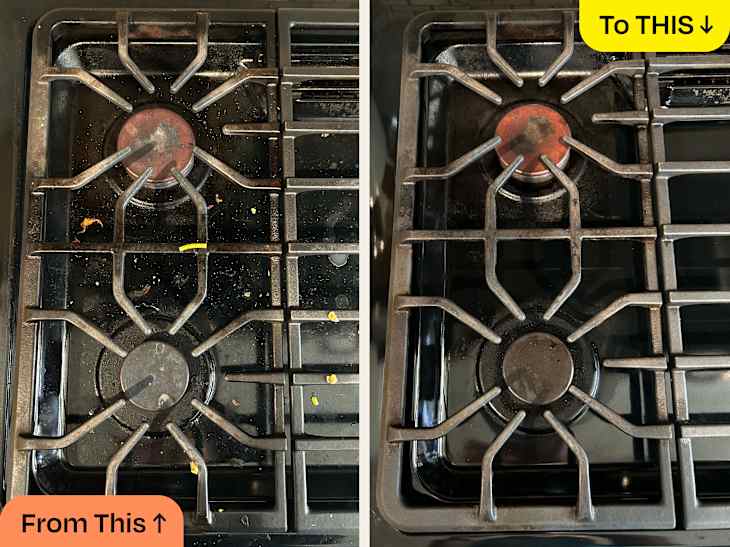
Credit: www.thekitchn.com
Environmental Impact Of Oven Cover Cleaning
Traditional oven cleaners can contain chemicals that are bad for the environment. By using natural cleaners like vinegar and baking soda, you reduce pollution and keep your kitchen safer.
If you must use a chemical product, use as little as possible and rinse thoroughly. Dispose of used paper towels and rags responsibly.
For more on eco-friendly cleaning, see this Green Cleaning article.
Frequently Asked Questions
How Often Should I Wash My Oven Cover?
For best results, clean your oven cover every week for light maintenance and every month for a deeper clean. If you cook with a lot of oil or notice stains, clean more often.
Can I Use Bleach To Clean My Oven Cover?
It is best to avoid bleach. It can damage most oven cover materials and leave harmful residues. Use mild soap, vinegar, or baking soda instead.
What Should I Do If My Oven Cover Smells Bad Even After Cleaning?
Check for hidden grease under seals, in vents, or around handles. If the smell remains, clean these spots again or consider professional cleaning.
Is It Safe To Remove My Oven Cover For Cleaning?
Most oven covers are designed to be removed, but always check your oven’s manual first. Make sure the oven is cool and unplugged before removing.
What Is The Fastest Way To Remove Grease From An Oven Cover?
Sprinkle baking soda on greasy spots, spray with vinegar, let it sit for 10–15 minutes, then wipe clean. This method is quick, safe, and effective for most surfaces.
Cleaning your oven cover may take some time, but the results are worth it. A clean cover means a safer, more pleasant kitchen and a longer life for your oven. With the tips above, you can keep your oven cover spotless and avoid the mistakes beginners often make.

Credit: www.youtube.com