
Swedish dishcloths have become a kitchen favorite around the world. These simple, reusable cleaning cloths do more than just wipe surfaces—they help reduce waste, save money, and make cleaning faster. But to keep them working well, you need to know how to wash Swedish dishcloths the right way.
Many people don’t realize that proper care makes these cloths last longer and keeps your kitchen healthier. If you’ve ever wondered why your dishcloth smells bad or falls apart quickly, you might be making common washing mistakes.
This article will show you the best ways to clean, dry, and care for Swedish dishcloths. You’ll learn about different washing methods, how often to wash, and what to avoid. We’ll compare methods, answer common questions, and share tips that most beginners miss.
By the end, you’ll know exactly how to keep your Swedish dishcloths fresh, clean, and strong for months.
What Is A Swedish Dishcloth?
A Swedish dishcloth is a super-absorbent cleaning cloth made from a blend of cellulose (wood pulp) and cotton. First invented in Sweden in 1949, these cloths are now used in millions of homes worldwide. They are lightweight, flexible, and dry much faster than a typical sponge or rag. One Swedish dishcloth can absorb up to 20 times its own weight in water, making it great for wiping spills, cleaning counters, or even washing dishes.
What makes Swedish dishcloths special is their reusability. Instead of using paper towels for every spill, you can wash and reuse a Swedish dishcloth up to 50 times or more. When cared for properly, a single cloth can last six months or even longer.
Why Proper Washing Matters
Many people throw their Swedish dishcloths in the laundry with other towels or rinse them under the tap and call it a day. However, improper washing can lead to problems:
- Bacteria and odors: If not washed well, dishcloths can smell bad and spread germs.
- Wear and tear: Harsh washing methods make cloths break down faster.
- Stains and residue: Some stains become permanent if not treated early.
Washing Swedish dishcloths correctly keeps them clean, safe, and long-lasting. It also helps you get the most value from each cloth.
How Often Should You Wash Swedish Dishcloths?
The frequency depends on how you use your cloths. If you use a dishcloth to wipe kitchen counters once a day, washing every two or three days is fine. But if you clean raw meat spills or wipe sticky messes, wash the cloth right away.
For most homes, follow this simple rule:
- Light use: Wash every 2-3 days.
- Heavy use: Wash daily.
- After contact with meat or bacteria: Wash immediately.
Never wait until the cloth smells or looks dirty. By then, bacteria have already grown.
Main Washing Methods Explained
There are several ways to wash Swedish dishcloths. Each method has benefits and drawbacks. Choosing the right one depends on your kitchen setup, time, and how dirty the cloth is.
1. Washing By Hand
Hand washing is the gentlest way to clean Swedish dishcloths. This method is perfect for quick daily cleaning or when you don’t have a full load of laundry.
How to do it:
- Rinse the cloth under warm running water to remove crumbs and loose dirt.
- Fill a bowl or sink with hot water and add a small amount of mild dish soap.
- Soak the cloth for a few minutes.
- Scrub gently with your fingers, focusing on stained areas.
- Rinse thoroughly under clean water until no soap remains.
- Squeeze out excess water and hang the cloth to dry.
Non-obvious tip: Use a small brush (like a vegetable brush) for stubborn stains. This helps remove grime without tearing the cloth.
2. Machine Washing
You can put Swedish dishcloths in the washing machine with towels or kitchen cloths. Machine washing cleans deep but can wear out the cloth faster if you use the wrong settings.
Best practices:
- Use warm or hot water (not boiling).
- Choose a gentle or normal cycle.
- Avoid bleach or fabric softeners—these damage the cloth’s fibers.
- Wash with similar colors to prevent dye transfer.
Practical insight: Place the dishcloth in a mesh laundry bag to protect it from rougher fabrics.
3. Dishwasher Cleaning
Swedish dishcloths are safe in the top rack of the dishwasher. This method is easy and uses heat to kill bacteria.
Steps:
- Lay the cloth flat on the top rack.
- Run a normal dishwashing cycle with your dishes.
- Remove the cloth and hang to air dry.
Little-known fact: Dishwasher cleaning helps sanitize, but won’t remove stubborn food stains as well as pre-soaking.
4. Boiling
Boiling is a fast way to disinfect your Swedish dishcloth. It’s especially useful after cleaning up meat or if someone in your home is sick.
How to do it:
- Bring a pot of water to a boil.
- Place the dishcloth in the water and boil for 1-2 minutes.
- Use tongs to remove the cloth and let it cool.
- Hang to dry.
Caution: Don’t boil for too long. Overheating can break down the fibers and shorten the cloth’s life.
5. Microwave Disinfection
You can use a microwave to kill bacteria. This method is quick but must be done carefully to avoid fire.
Instructions:
- Rinse the dishcloth until it’s soaking wet.
- Place it flat in the center of the microwave.
- Microwave on high for 1 minute.
- Let the cloth cool before touching.
Important safety note: Never microwave a dry dishcloth. It can catch fire.
6. Bleach Soak (for Deep Stains And Smells)
Occasionally, you may need to remove deep stains or odors. A bleach soak works, but only do this rarely.
Steps:
- Mix 1 tablespoon of bleach in 1 quart (about 1 liter) of water.
- Soak the dishcloth for 3-5 minutes.
- Rinse thoroughly with clean water.
- Air dry.
Expert tip: Always rinse out all bleach completely. Even a small amount left in the cloth can damage surfaces or your skin.
Washing Methods Compared
Here’s a simple comparison of washing methods for Swedish dishcloths:
| Method | Best For | Disinfection | Gentleness | Time Needed |
|---|---|---|---|---|
| Hand Washing | Daily cleaning, stains | Medium | High | 5 mins |
| Machine Wash | Weekly cleaning, heavy dirt | High | Medium | 30-60 mins |
| Dishwasher | Sanitizing with dishes | High | High | 1-2 hours |
| Boiling | After bacteria/meat contact | Very High | Low | 2-5 mins |
| Microwave | Quick disinfecting | Very High | Medium | 1 min |
| Bleach Soak | Deep stains/odors | Very High | Low | 5 mins |
Key takeaway: For everyday cleaning, hand washing or machine washing is best. Use boiling, bleach, or microwave only when extra sanitizing is needed.
Drying Swedish Dishcloths
Washing is only half the process. Proper drying is just as important. If a dishcloth stays wet, bacteria and mold can grow quickly, causing smells or even health risks.
Best drying methods:
- Air dry: Hang the cloth flat or drape over a faucet, drying rack, or line. This is the safest method.
- Dishwasher heat dry: If you cleaned in the dishwasher, let the machine finish with a heat dry cycle.
- Machine dry (optional): You can put Swedish dishcloths in the dryer on a low heat setting. High heat can shrink or damage the cloth.
Pro tip: Always dry your dishcloth fully before using again. Never fold or stack while still damp.
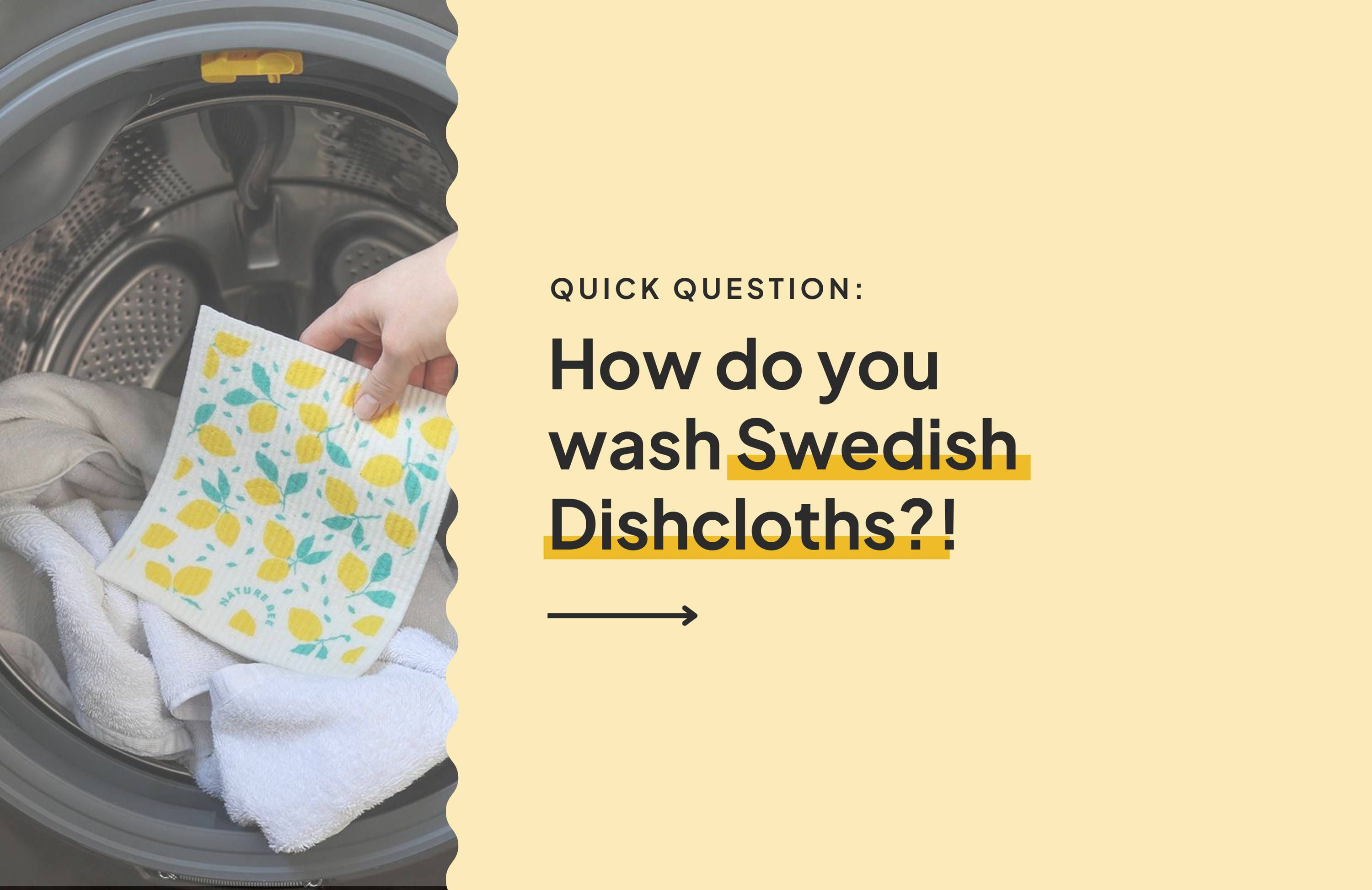
Credit: www.naturebeewraps.ca
What To Avoid When Washing Swedish Dishcloths
Many users ruin their dishcloths by making avoidable mistakes. Here are the top things to avoid:
- No fabric softener: This leaves a residue that blocks the cloth’s absorbency.
- No harsh bleach: Occasional light bleach is okay, but regular use weakens the fibers.
- No high-heat drying: High temperatures can shrink or warp the cloth.
- No soaking too long: Leaving a cloth in water for hours breaks down its structure.
- No wringing too hard: Twisting or pulling can tear the fibers.
Hidden risk: If your dishcloth develops holes or feels slimy, it’s time for a replacement.
Signs Your Swedish Dishcloth Needs Replacing
Even with perfect care, no dishcloth lasts forever. Look for these signs that it’s time to get a new one:
- Holes or tears: Cloth is falling apart.
- Permanent smell: Bad odor remains after washing.
- Loss of absorbency: Cloth doesn’t soak up water like before.
- Mold or black spots: Visible mold is not safe.
A well-cared-for Swedish dishcloth usually lasts 6-9 months. Replace sooner if you notice these problems.

Credit: www.naturebeewraps.ca
Removing Stains From Swedish Dishcloths
Even with regular washing, you’ll sometimes get stubborn stains, especially from coffee, tomato sauce, or berries. Here’s how to treat them:
- Act fast: Rinse the cloth with cold water as soon as possible.
- Soak in baking soda: Mix 1 tablespoon of baking soda in 1 cup of water. Soak the stained area for 10-15 minutes.
- Add vinegar for extra power: For tough stains, add a splash of white vinegar.
- Wash as usual: Use your normal hand or machine washing method.
Extra tip: Sunlight naturally fades stains. Drying your dishcloth outside can help bleach out stubborn marks.
How Long Do Swedish Dishcloths Last?
The lifespan depends on washing and usage habits. On average:
- Light use (wiped counters, light cleaning): 8-12 months
- Medium use (daily dishwashing, kitchen surfaces): 6-9 months
- Heavy use (cleaning up meat, sticky spills, bathroom): 4-6 months
If your cloth loses its shape or absorbency before this, check your washing habits.
Eco-friendly Disposal
One of the best features of Swedish dishcloths is their eco-friendliness. When your cloth reaches the end of its life, you can compost it (if it’s made from 100% natural fibers and no chemical dyes).
How to compost:
- Cut the cloth into small pieces.
- Add to your home compost bin or pile.
- Mix with food scraps and yard waste.
The cloth will break down in a few months, leaving no plastic waste behind.
Non-obvious insight: If you use strong chemicals or bleach often, composting may not be safe. In that case, throw the cloth in the trash.
Comparing Swedish Dishcloths To Other Kitchen Cleaning Tools
Many people wonder how Swedish dishcloths stack up against sponges, paper towels, or microfiber cloths. Here’s a side-by-side comparison:
| Item | Absorbency | Reusability | Drying Speed | Eco-Friendliness | Lifespan |
|---|---|---|---|---|---|
| Swedish Dishcloth | Excellent | High | Very Fast | Compostable | 4-12 months |
| Sponge | Good | Medium | Slow | Not compostable | 2-4 weeks |
| Paper Towel | Low | Single-use | Fast | Disposable | One use |
| Microfiber Cloth | Good | High | Medium | Not compostable | 6-12 months |
Conclusion: Swedish dishcloths strike a good balance between absorbency, reusability, and eco-friendliness. They dry faster than sponges and last longer than paper towels.
Common Mistakes When Washing Swedish Dishcloths
Many beginners make small errors that shorten the life of their cloths. Here are mistakes to avoid and how to fix them:
- Leaving cloths wet in the sink: This encourages mold. Always hang to dry after use.
- Washing with greasy towels: Oil can cling to the fibers, making the cloth less absorbent. Wash separately or pre-rinse.
- Using too much soap: Extra soap leaves residue, reducing absorbency.
- Ignoring stains: Treat stains as soon as they happen for best results.
- Washing too rarely: Regular washing prevents odors and bacteria.
Not-so-obvious insight: Even if your cloth looks clean, bacteria can build up. Wash regularly, not just when dirty.
Advanced Tips For Caring For Swedish Dishcloths
If you want to get the absolute best from your dishcloths, try these advanced care tips:
- Rotate two or three cloths: Use one while the others dry. This prevents overuse and extends lifespan.
- Label cloths by task: Use different colors for kitchen, bathroom, and surfaces. This avoids cross-contamination.
- Store dry: Keep clean, dry cloths in a ventilated area, not a closed drawer.
- Deep clean monthly: Boil or bleach once a month for added sanitation, even if the cloth looks clean.
Uncommon advice: If you live in a humid climate, dry your cloth near a fan or sunny window to prevent mildew.
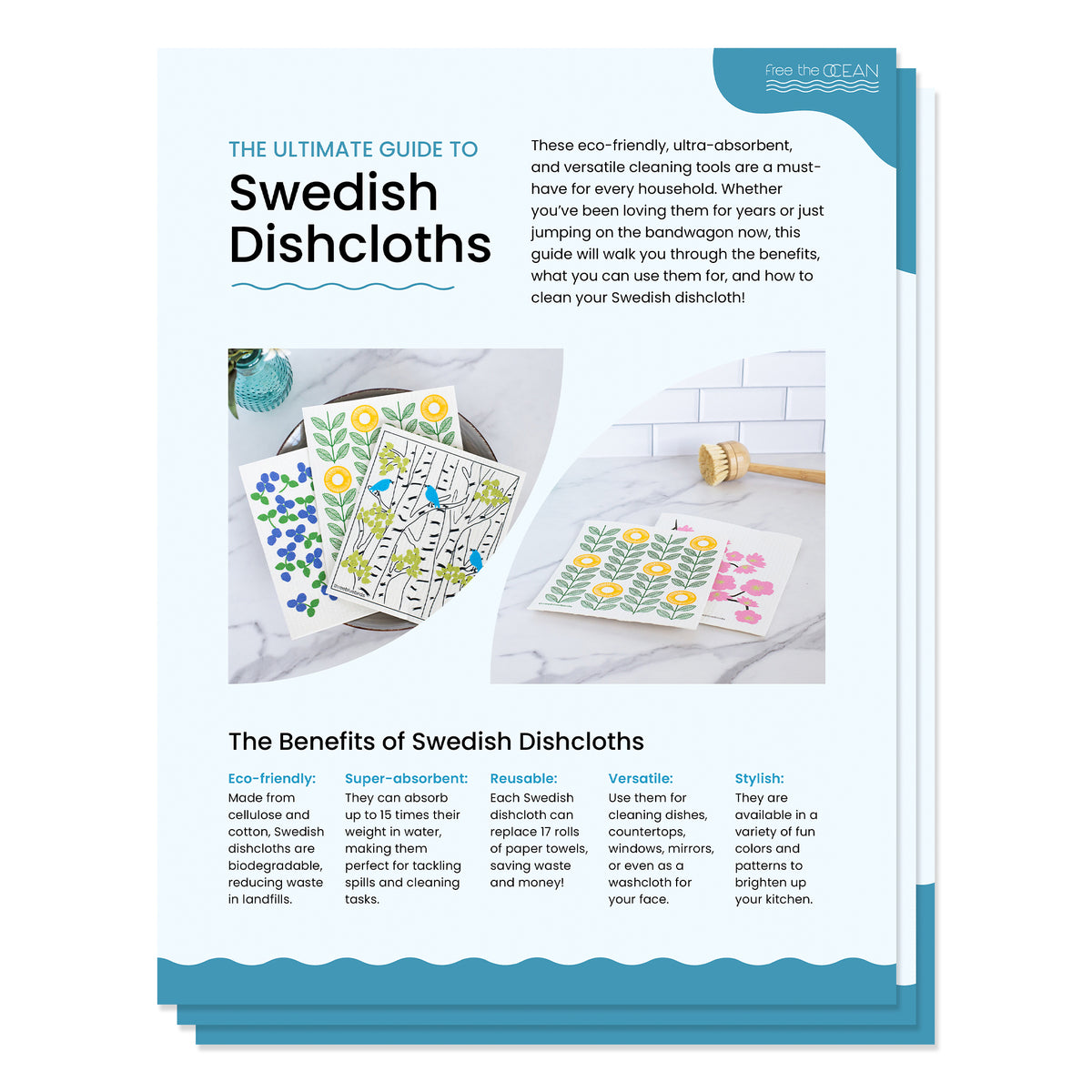
Credit: shop.freetheocean.com
When To Wash By Hand Vs. Machine
You don’t always need to machine wash your Swedish dishcloth. Here’s when to choose each method:
- Hand wash: For light dirt, daily cleaning, or quick refresh.
- Machine wash: When the cloth is very dirty, has stains, or after a week of use.
- Boiling or bleaching: After cleaning raw meat, dealing with illness, or stubborn smells.
Best practice: Combine methods for best results. For example, hand wash daily and machine wash weekly.
How To Store Clean Swedish Dishcloths
Proper storage keeps cloths fresh and ready to use.
- Hang to dry: On a hook, rack, or faucet.
- Store flat: In a basket or drawer with good airflow.
- Never store wet: Always make sure cloths are fully dry before putting away.
If storing for a long time, wash and dry completely, then keep in a clean, dry place.
Frequently Asked Questions
How Many Times Can You Wash A Swedish Dishcloth Before Replacing It?
A high-quality Swedish dishcloth can be washed up to 50 times or more. With regular use and proper care, it should last 6 to 9 months. After that, absorbency drops and the cloth may start to break down.
Is It Safe To Microwave A Swedish Dishcloth?
Yes, it’s safe to microwave a Swedish dishcloth, but it must be very wet. Microwaving a dry cloth can cause a fire. One minute on high is enough to kill most bacteria. Always let it cool before touching.
Can You Put Swedish Dishcloths In The Dryer?
You can use a dryer on a low heat setting. High heat can shrink or damage the cloth. Air drying is safer and helps the cloth last longer.
Do Swedish Dishcloths Hold Bacteria?
Like any kitchen cloth, Swedish dishcloths can hold bacteria if not washed and dried properly. Regular washing and full drying prevent bacteria growth. Sanitize after cleaning raw meat or strong odors.
Where Can I Learn More About Eco-friendly Cleaning Products?
For more about eco-friendly cleaning and reusable products, visit the Wikipedia page on Swedish dishcloths.
Swedish dishcloths are a smart, eco-friendly way to keep your kitchen clean. With the right washing, drying, and storage habits, you can enjoy a fresh, effective cleaning tool for months. By avoiding common mistakes and following these expert tips, your dishcloths will stay odor-free, absorbent, and ready for any mess life brings.