
Winter brings many challenges for homeowners, especially when it comes to protecting appliances against freezing temperatures. If you own a vacation home, cabin, or simply leave your house unoccupied during the cold season, your dishwasher is at risk. Water left inside can freeze, leading to cracked hoses, damaged pumps, and expensive repairs.
The good news is, winterizing a dishwasher with antifreeze is a reliable way to prevent these problems. But doing it wrong can harm your appliance—or your health. In this guide, you’ll learn safe, step-by-step methods to winterize your dishwasher, insider tips most beginners miss, and expert advice to help your appliance survive the harshest winter.
Why Winterizing A Dishwasher Matters
A dishwasher is designed to handle water, but not ice. When water freezes, it expands. This simple fact causes big trouble for dishwashers left in cold environments. Cracked pipes, broken valves, and leaks are common results. Repairing these issues can cost hundreds of dollars, and sometimes, you’ll have to replace the whole appliance.
Many people think simply unplugging the dishwasher or turning off the water is enough. But water remains trapped in pumps, valves, and hoses—places you can’t see or reach easily. That’s why adding antifreeze is crucial. The right kind of antifreeze will prevent water from freezing, and help your dishwasher start up smoothly when you return in spring.
Understanding Antifreeze For Appliances
Not all antifreeze products are the same. You must use the right antifreeze for kitchen appliances. Here’s what you need to know:
- Use non-toxic RV or marine antifreeze only. This is safe for appliances and won’t poison your dishwasher.
- Do not use automotive (car) antifreeze—these contain dangerous chemicals like ethylene glycol.
- Check the label for “safe for potable water systems.”
- Most RV/marine antifreeze protects down to -50°F (-45°C).
Using the wrong product can leave toxic residues in your dishwasher and make your next wash unsafe. Always double-check before you buy.

Credit: www.youtube.com
When Should You Winterize Your Dishwasher?
Timing is important. You should winterize your dishwasher if:
- You plan to leave your home unheated for more than a few days during freezing weather.
- Your home is a cabin, rental, or seasonal property that sits empty in winter.
- Your local temperatures regularly drop below 32°F (0°C).
Don’t wait until the last minute. It’s best to winterize before the first frost, so you’re not caught off guard by a sudden cold snap.
Tools And Materials Needed
Before you start, gather all the necessary items. This will make the process smoother and prevent mistakes.
- Non-toxic RV or marine antifreeze (1 gallon is usually enough)
- Large towel or sponge
- Screwdriver (if needed to access panels)
- Bucket or shallow pan (for draining water)
- Measuring cup or funnel
- Rubber gloves
- Flashlight (for better visibility)
- Owner’s manual (helpful for locating drain hoses)
Having everything ready means you won’t have to pause and search for tools mid-process.
Step-by-step: How To Winterize A Dishwasher With Antifreeze
Let’s break down the winterizing process into clear, manageable steps.
1. Prepare The Dishwasher
First, make sure the dishwasher is empty. Remove all dishes, racks, and utensil holders. Check for any debris or food scraps, and clean them out. Leftover food can cause odors or attract pests while you’re away.
Wipe down the interior with a damp cloth. This prevents mold and keeps your dishwasher fresh during the winter months.
2. Disconnect The Power
For safety, unplug your dishwasher or turn off the circuit breaker. This avoids any risk of electric shock while you work.
3. Turn Off The Water Supply
Locate the water shutoff valve under your sink or in your basement. Turn it off completely. This stops more water from entering the dishwasher.
4. Drain Excess Water
There is usually water left in the bottom of the dishwasher. Use a towel or sponge to soak up as much as you can. If your model has a drain function or “cancel/drain” button, run it to remove extra water.
For dishwashers with a removable filter at the bottom, take it out and wipe away any water underneath. Be thorough—any water left behind can freeze and damage components.
5. Add Antifreeze
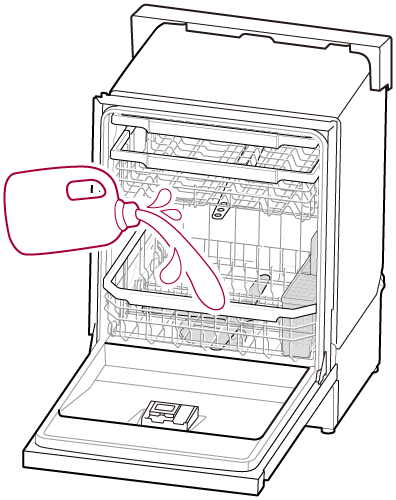
Here’s the most important part. Pour about 1-2 cups of RV/marine antifreeze into the bottom of the dishwasher. You can use a measuring cup or funnel to make this easier.
The antifreeze will mix with the small amount of water still inside and protect all the internal parts from freezing.
6. Run A Short Cycle
Plug in the dishwasher or turn the power back on. Select the shortest wash or rinse cycle and start it. Let the dishwasher run for about 30 seconds—just until you hear it pump the antifreeze into the drain lines and pump.
Then, turn the dishwasher off. The antifreeze will now be inside all the parts that matter, including the pump, hoses, and valves.
7. Leave The Door Ajar
To prevent musty smells and mold, leave the dishwasher door slightly open. This allows air to circulate.
8. Clean Up And Double-check
Wipe up any spilled antifreeze around the appliance. Check under the unit for leaks or drips. Make sure the power is off and the water supply is still closed.
Common Mistakes To Avoid
Many people make small errors that can lead to big problems. Here are some mistakes to watch out for:
- Using automotive antifreeze instead of RV/marine antifreeze (toxic risk)
- Forgetting to drain all water (hidden water pockets can freeze)
- Skipping the short cycle (antifreeze won’t reach pumps and hoses)
- Leaving the door closed (causes odors and mold)
- Not labeling the dishwasher as winterized (the next user may run it without rinsing out the antifreeze)
It’s also smart to leave a note on the dishwasher explaining that antifreeze is inside. That way, anyone who uses the house after you will know to rinse the unit before washing dishes.
How Much Antifreeze To Use?
Most standard dishwashers need 1-2 cups of RV/marine antifreeze. Larger or commercial units may need more. It’s better to use a bit too much than too little.
Here’s a quick comparison for common dishwasher types:
| Dishwasher Type | Antifreeze Needed | Notes |
|---|---|---|
| Standard Home (24-inch) | 1-2 cups | Most common size |
| Compact (18-inch) | 1 cup | Small apartments/RVs |
| Commercial | 2-3 cups | Check manual for details |
If you’re unsure, check your owner’s manual or manufacturer’s website.
What About Built-in Vs. Portable Dishwashers?
Both types need winterizing, but the process has small differences.
- Built-in dishwashers: Usually plumbed in place, with hard-to-reach hoses. Make sure to drain water from both the dishwasher and the supply line.
- Portable dishwashers: May have a hose that connects to the sink. After running antifreeze, disconnect and drain this hose as well.
For portable units, let the antifreeze sit in the hose for a few minutes before draining.
Credit: www.lg.com
Can You Skip Antifreeze And Just Drain The Water?
Some homeowners try to winterize by draining as much water as possible and skipping antifreeze. This is risky. Even after draining, small amounts of water usually remain in pumps and valves. These spots are the most likely to freeze and break.
Antifreeze adds a layer of protection that simple draining cannot match, especially if temperatures drop very low.
Environmental And Safety Tips
- Never use automotive antifreeze. It is highly toxic to people and pets.
- Dispose of any spills properly. Wipe up antifreeze right away—some pets are attracted to its smell.
- Store leftover antifreeze in a sealed, labeled container. Keep out of reach of children.
- In spring, run the dishwasher empty for a full cycle before using it for dishes. This will flush out any leftover antifreeze.

Credit: cwservicesinc.com
How To De-winterize Your Dishwasher
When you return in spring, you’ll need to get your dishwasher ready for use.
- Remove any notes or signs about antifreeze.
- Reconnect water supply and power.
- Run the dishwasher on the hottest, longest cycle (empty).
- Repeat once if you still smell antifreeze.
This removes any residue and makes the dishwasher safe for dishes again.
Pros And Cons Of Using Antifreeze
Let’s look at the advantages and possible drawbacks.
| Pros | Cons |
|---|---|
| Prevents freeze damage | Must be flushed out before use |
| Safe for dishwashers (if RV/marine type) | Extra cost (about $6-10 per gallon) |
| Easy to use | Spills can be messy |
| Protects internal parts (pump, hoses, valves) | Accidental use with dishes can be unpleasant |
The benefits usually far outweigh the downsides, especially for expensive appliances.
Special Cases: High-end Or Smart Dishwashers
If you own a high-end or “smart” dishwasher, check your manual before winterizing. Some models have unique features or internal heaters that need special care. You may need to follow extra steps or use specific types of antifreeze.
If in doubt, call the manufacturer’s customer service or a licensed plumber. Mistakes on expensive models can void warranties.
Extra Tips Most People Miss
Here are two expert tips that beginners often overlook:
- Check the drain hose position. Many dishwashers have a drain hose that loops up under the sink (“high loop”). If this hose sags, water can collect and freeze in the low spot. After adding antifreeze and running a short cycle, gently lift the hose to make sure antifreeze reaches the lowest point.
- Don’t forget the air gap (if present). Some dishwashers have an air gap device on the sink. Pour a small amount of antifreeze down the air gap to protect this part, too.
These small details can save you from expensive repairs.
How Dishwasher Winterization Compares To Other Appliances
You may wonder, do you need to winterize other appliances too? The answer is yes, if they use water. Here’s a quick comparison:
| Appliance | Winterization Needed? | Special Steps |
|---|---|---|
| Dishwasher | Yes | Use RV/marine antifreeze |
| Washing Machine | Yes | Run antifreeze through pump |
| Refrigerator with Water/Ice | Yes | Flush lines, use antifreeze if possible |
| Toilets | Yes | Pour antifreeze in bowl and tank |
| Water Heater | Usually no | Drain completely |
If you are winterizing your whole house, make a checklist to avoid missing any appliances.
Real-world Examples And Data
According to the Insurance Institute for Business & Home Safety, water damage from frozen appliances is one of the top five causes of insurance claims during winter. The average cost to repair a dishwasher after freeze damage is about $400, but full replacement can exceed $800.
Every winter, plumbers see a spike in calls after the first cold snap. Most of these emergencies are preventable with simple steps like winterizing with antifreeze.
A survey of vacation home owners found that 72% who winterized with antifreeze had zero freeze-related repairs, compared to 28% who only turned off the water.
If You Hire A Professional
Some homeowners prefer to hire a plumber or appliance service to winterize appliances. This costs between $100 and $250 for a full home, depending on location and the number of appliances.
Professionals usually guarantee their work. But if you follow the steps in this guide, you can do it yourself and save money.
What If You Forgot To Winterize?
If you discover a frozen dishwasher after a cold snap, do not try to run it right away. Let it thaw completely at room temperature. Inspect hoses and the tub for cracks or leaks. If you see water on the floor or inside the unit, call a plumber before using it.
Trying to run a frozen dishwasher can cause electrical shorts or further damage.
Myths About Dishwasher Winterization
There are many myths around this topic. Here are a few to ignore:
- “Turning off the water is enough.” (False—trapped water can still freeze.)
- “Antifreeze will ruin my appliance.” (False if you use RV/marine antifreeze.)
- “I don’t need to winterize if it’s in the basement.” (False—basements can freeze too if the heat is off.)
- “A space heater near the dishwasher will protect it.” (Risky—heaters can fail or cause fires.)
Sticking to proven methods gives you the best protection.
Where To Buy Safe Antifreeze
RV/marine antifreeze is widely available at hardware stores, home centers, and online. Look for brands labeled “non-toxic,” “for potable water,” or “safe for RVs and boats. ”
One reliable source is the Home Depot website, which lists several approved products.
Frequently Asked Questions
What Type Of Antifreeze Is Safe For Dishwashers?
Only RV/marine antifreeze labeled “non-toxic” and “safe for potable water systems” should be used. Never use automotive antifreeze, as it is poisonous and can leave dangerous residues.
How Do I Remove Antifreeze From My Dishwasher Before Using It Again?
Run the dishwasher empty on its hottest, longest cycle with regular dish detergent. This will flush out any remaining antifreeze. If you still smell antifreeze, repeat the process once more.
Is Winterizing Necessary If My Home Is Heated?
If your home will always stay above 40°F (4°C), winterizing is not usually needed. But if there’s a chance of power outages or the heat being off for even a few hours, winterizing is a safer choice.
Can I Use Vinegar Or Alcohol Instead Of Antifreeze?
No. Vinegar and alcohol are not as effective at preventing freezing. They can also damage rubber seals or hoses inside your dishwasher.
How Often Should I Winterize My Dishwasher?
You need to winterize your dishwasher every year that you plan to leave your home unheated during freezing weather. Do not skip this step if you want to avoid costly repairs.
Winterizing your dishwasher with antifreeze is a simple, smart way to protect your appliance from cold weather. Taking these steps saves you money, stress, and time—and keeps your kitchen running smoothly, year after year.