
If you own an above-ground pool, you probably know the importance of keeping the water clean and safe. The Intex pool filter is a popular choice for many pool owners because it’s affordable and simple to use. But what happens when your Intex pool filter stops suctioning? Suddenly, the water starts getting cloudy, debris builds up, and your relaxing summer days turn into troubleshooting sessions.
A pool filter that’s not suctioning isn’t just an inconvenience—it can quickly lead to bigger problems like algae growth, cloudy water, and even damage to your pool equipment. Many pool owners find themselves confused and frustrated, not sure what’s wrong or how to fix it.
The good news is that most suction problems have clear causes and can be solved with practical steps.
This guide explains everything you need to know about an Intex pool filter that’s not suctioning. You’ll learn why it happens, how to diagnose the issue, and what to do to restore strong suction. Even if you’re new to pool maintenance, you’ll find helpful tips and real-life examples to get your pool back in top shape.
How Intex Pool Filters Work
To understand why your Intex pool filter might not be suctioning, it helps to know how these filters actually work. The filter system pulls water from the pool through a skimmer or hose, passes it through a filter cartridge or sand media, and then returns clean water to the pool. This cycle is powered by a pump, which creates the suction necessary to move the water.
There are three common types of Intex pool filters:
- Cartridge filters – Use a replaceable paper or fabric cartridge to trap dirt.
- Sand filters – Use a tank filled with special sand to filter particles.
- Diatomaceous earth (DE) filters – Less common for Intex, but use a powder to catch fine debris.
The filter’s effectiveness depends on the pump’s ability to create steady suction. If the system loses suction, water circulation stops, and the pool quickly becomes dirty.
Why Suction Matters For Pool Health
Strong suction is the backbone of pool maintenance. When your filter system is working correctly, it removes debris, bugs, leaves, and even invisible particles. Poor suction leads to:
- Cloudy water that’s hard to clear up.
- Algae growth due to stagnant water.
- Filter clogs because debris isn’t pulled into the filter.
- Strain on the pump, which can reduce its lifespan.
Many beginners overlook the importance of regular suction checks. If you notice weak return flow or see debris floating in the water after a cleaning cycle, there’s likely a suction problem.
Common Causes Of Intex Pool Filter Suction Problems
Suction loss can be frustrating, but the root cause is usually one of several common issues. Here’s what pool owners should look for:
- Air Leaks in the System
- Air entering the system through loose connections or cracked hoses disrupts water flow.
- Air bubbles in the pump or return jets often signal a leak.
- Clogged Filter Cartridges
- Over time, debris and oils clog the filter, restricting water movement.
- A dirty filter cartridge or sand that hasn’t been backwashed can choke suction.
- Blocked Hoses or Skimmer
- Leaves, toys, or algae can obstruct the intake hose or skimmer basket.
- Even small blockages reduce water flow dramatically.
- Low Water Level in the Pool
- If the water falls below the intake level, the pump pulls in air instead of water.
- This not only reduces suction but can damage the pump if left unchecked.
- Pump Malfunction or Failure
- A worn-out or broken pump cannot generate enough suction.
- Electrical issues, overheating, or impeller problems are common culprits.
- Valves in the Wrong Position
- Some Intex systems have multiport valves for backwashing or recirculation.
- Incorrect valve settings can bypass the filter or reduce suction.
- Collapsed or Kinked Hoses
- Flexible hoses can collapse, especially as they age, restricting water flow.
- Kinks are often overlooked during setup or cleaning.
- Poorly Seated or Damaged O-Rings
- O-rings seal the connections between hoses, pump, and filter.
- Damaged or missing O-rings allow air to enter the system.
- Clogged Impeller
- The impeller is the part that spins and moves water.
- Hair, string, or small debris can wrap around the impeller and slow it down.
- Incorrect Pump Size or Filter Mismatch
- Using a pump that’s too small for your pool or an oversized filter reduces efficiency.
- The system may never produce enough suction to clean the pool.
Understanding these causes is the first step in getting your filter system back to peak performance.
How To Diagnose Intex Pool Filter Suction Problems
Finding the cause of suction loss can feel like detective work. Here’s a practical approach to pinpoint the problem:
Step 1: Visual Inspection
Start by checking for obvious issues:
- Is the pool water level high enough?
- Are hoses connected tightly and free from cracks?
- Do you see air bubbles in the pump or return jets?
Step 2: Listen For Unusual Noises
A healthy pump runs with a steady hum. Gurgling, rattling, or screeching noises often mean air is getting into the system or the impeller is blocked.
Step 3: Check The Filter Cartridge Or Sand
Remove and inspect the filter element:
- Is it dirty, slimy, or discolored?
- Has it been cleaned or replaced according to manufacturer guidelines?
For sand filters, check if backwashing is overdue. For cartridge filters, see if the cartridge needs a deep cleaning or replacement.
Step 4: Examine Hoses And Connections
Run your hands along each hose while the pump is running:
- Do you feel any air leaks or water spraying out?
- Are any hoses kinked or flattened?
Pay special attention to the O-rings at hose connections and the pump lid.
Step 5: Inspect The Skimmer And Intake
Open the skimmer basket and remove any debris. Sometimes, the problem is as simple as a leaf blocking the intake.
Step 6: Test The Pump
Unplug and replug the pump. Is it starting normally? If not, check the power supply and look for any signs of overheating or electrical faults.
Step 7: Check Valve Positions
If your system has valves, make sure they’re set correctly for filtering, not backwashing or recirculating.
Step 8: Investigate The Impeller
If you suspect a blockage, disconnect power, open the pump housing, and inspect the impeller for debris.
Non-obvious tip: Use a flashlight to look for small hair or string that might be wrapped around the impeller shaft—it’s easy to miss with just a quick glance.

Credit: www.ebay.com
How To Fix Intex Pool Filter Suction Issues
Once you’ve identified the problem, it’s time to fix it. Here’s how to solve the most common causes:
Fixing Air Leaks
- Tighten all hose clamps and connections.
- Replace cracked hoses.
- Lubricate and replace O-rings if they’re worn or missing.
- Check the pump lid for cracks and ensure it’s seated properly.
Beginner mistake: Over-tightening hose clamps can actually deform hoses and create more leaks. Tighten until snug, not more.
Cleaning Or Replacing Filter Cartridges
- Remove the cartridge and rinse it with a garden hose.
- For stubborn dirt, soak the cartridge in a filter cleaning solution.
- If the cartridge looks worn out or doesn’t come clean, replace it.
For sand filters:
- Backwash the filter according to the manufacturer’s instructions.
- Replace the sand every 3-5 years, as old sand becomes less effective.
Clearing Blockages In Hoses Or Skimmer
- Disconnect hoses and use a flexible brush or a blast of water to clear blockages.
- Empty the skimmer basket regularly.
- Consider using a skimmer sock to catch small debris before it enters the filter.
Adjusting Water Level
- Add water to the pool until it’s at least halfway up the skimmer opening.
- Check water level weekly, especially during hot weather or after heavy use.
Repairing Or Replacing The Pump
- If the pump doesn’t start or makes grinding noises, it may need professional repair or replacement.
- Regularly clean the pump’s strainer basket and impeller area.
Setting Valves Correctly
- Consult your filter manual to make sure all valves are in the correct position for normal filtering.
- Avoid changing valve positions while the pump is running.
Fixing Collapsed Or Kinked Hoses
- Replace any hose that feels soft, looks flattened, or stays kinked after straightening.
- Store hoses flat and out of direct sun when not in use.
Replacing Or Reseating O-rings
- Remove old O-rings, clean the groove, and apply pool-safe lubricant before installing new ones.
- Never use petroleum jelly; it can break down rubber.
Cleaning The Impeller
- Turn off and unplug the pump.
- Open the pump housing and gently remove debris from the impeller.
- Spin the impeller by hand to ensure it moves freely before reassembling.
Correcting Pump Size Or Filter Mismatch
- Check your pool’s size and compare it to the pump’s flow rate (GPH or gallons per hour).
- Upgrade to a larger pump if your current one is undersized for your pool’s volume.
Expert tip: Many pool owners try to save money with a smaller pump, but this often leads to poor suction and higher maintenance costs in the long run.
Preventing Future Suction Problems
Regular maintenance is the best way to avoid suction problems. Here are some practical strategies:
- Weekly Hose and Connection Checks
- Inspect hoses for cracks and connections for leaks.
- Look for air bubbles in the pump basket.
- Clean or Replace Filters on Schedule
- Rinse cartridge filters every week.
- Deep clean monthly and replace as recommended (usually every 1-2 seasons).
- For sand, backwash as needed and replace after 3-5 years.
- Keep the Pool Skimmer and Intake Clear
- Remove leaves, toys, and debris daily.
- Use a skimmer sock to prevent small particles from clogging the system.
- Monitor Water Level
- Refill the pool after backwashing, heavy use, or evaporation.
- Check O-Rings and Pump Lid Regularly
- Lubricate O-rings every few months.
- Replace at the first sign of wear.
- Store Hoses Correctly
- Avoid sharp bends and direct sun exposure.
- Replace hoses every few years or when they become stiff.
- Schedule Professional Maintenance
- If you’re unsure or notice persistent problems, have a pool professional inspect the system.
Comparing Common Intex Filter Types
Choosing the right filter can make maintenance easier. Here’s a comparison of the three main types Intex offers:
| Filter Type | Pros | Cons | Maintenance Needs |
|---|---|---|---|
| Cartridge | Easy to replace, affordable, good for small pools | Clogs quickly, needs frequent cleaning | Rinse weekly, replace every 1-2 seasons |
| Sand | Handles larger debris, longer intervals between cleaning | Heavier, needs backwashing, more expensive | Backwash monthly, replace sand every 3-5 years |
| DE | Filters the finest particles, best water clarity | More complex, higher cost, less common for Intex | Backwash and recharge powder as needed |
Signs That Your Intex Pool Filter Is Working Correctly
Sometimes it’s hard to know if your filter is doing its job. Here’s how to tell:
- Strong water return – The water shooting back into the pool feels powerful.
- Clear, clean water – The pool stays free of visible debris and cloudiness.
- No air bubbles – The pump basket and return jets are free of bubbles.
- Steady pump noise – The pump runs smoothly, without strange noises.
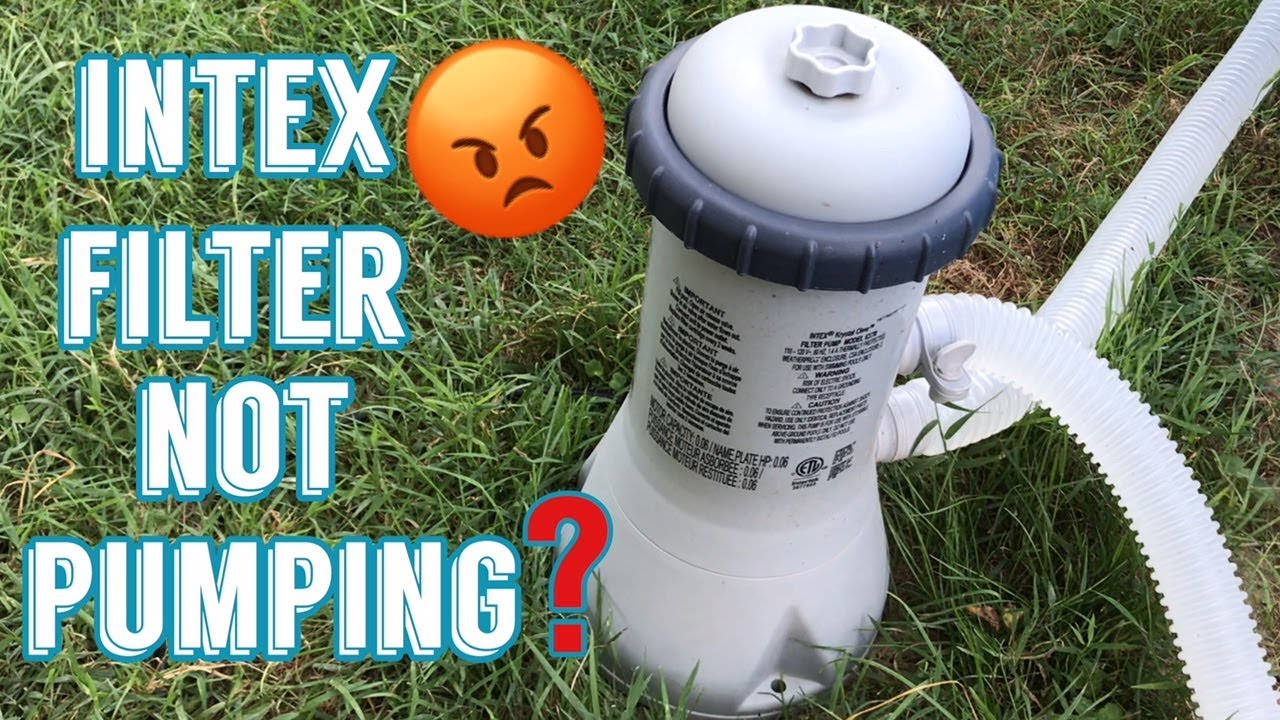
If you notice the return flow weakening, or if the water starts to look dirty, it’s time to investigate.
Credit: www.youtube.com
Real-world Example: Diagnosing A Silent Suction Problem
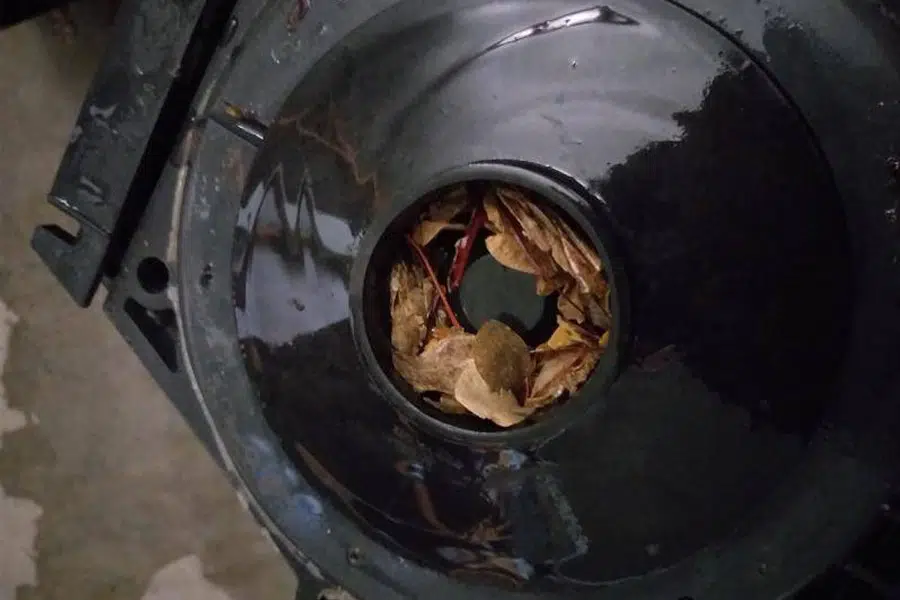
Let’s consider a common scenario. Lisa, a new pool owner, noticed her Intex filter wasn’t suctioning well, but she saw no leaks and the water level was fine. After checking the usual suspects, she finally opened the pump and found a small hair tie wrapped around the impeller.
This was slowing the pump just enough to reduce suction, but not enough to stop it completely.
Insight: Small objects can get past the skimmer and block the impeller without being obvious. If you’ve checked everything else, always inspect the impeller—even if the pump is still running.
When To Call A Professional
Most suction problems can be fixed at home, but sometimes you’ll need expert help:
- The pump won’t start or keeps tripping breakers.
- Persistent leaks or cracks in the pump housing.
- Suction problems continue after all troubleshooting steps.
- Electrical issues or burning smells.
A qualified pool technician has the tools and experience to diagnose complex issues quickly.
How Pool Size And Bather Load Affect Suction
Pool size and the number of people using the pool affect how hard your filter needs to work. A small filter can handle a small pool, but if you have frequent parties or kids, more debris and oils enter the water.
This increases the load on your filter and may require more frequent cleaning.
Non-obvious tip: During peak summer use or after storms, clean your filter and check suction more often. Heavy use can clog filters faster than you expect.
Comparing Intex Filter Flow Rates And Pool Sizes
Choosing the right pump and filter for your pool size is critical. Here’s a quick comparison:
| Pool Size (Gallons) | Recommended Flow Rate (GPH) | Common Intex Filter Model |
|---|---|---|
| Up to 3,000 | 330–1,000 | Type A Cartridge Filter |
| 3,000–6,000 | 1,000–2,500 | Type B Cartridge Filter |
| 6,000–12,000 | 2,500–3,500 | Sand Filter 12″ or 14″ |
Using the right flow rate ensures your filter can keep up with debris and maintain strong suction.
Quick Troubleshooting Reference
If you’re in a hurry, here’s a step-by-step troubleshooting reference:
- Check water level – Too low?
- Inspect hoses – Cracks, kinks, or leaks?
- Examine filter – Dirty or clogged?
- Listen to pump – Noisy or quiet?
- Look for air bubbles – At pump or jets?
- Inspect skimmer – Debris or blockage?
- Check O-rings and valves – Seated and lubricated?
- Test impeller – Spins freely?
- Verify pump size – Appropriate for pool?
- Still stuck? Call a pro.
Practical Maintenance Schedule For Intex Pool Filters
A regular maintenance routine prevents most suction problems. Here’s a suggested schedule:
| Task | Frequency | Why It Matters |
|---|---|---|
| Check water level | Weekly | Prevents air entering system |
| Clean filter cartridge | Weekly | Keeps suction strong |
| Backwash sand filter | Monthly | Removes trapped debris |
| Inspect hoses & O-rings | Monthly | Finds leaks before they cause problems |
| Deep clean filter | Every 1-2 months | Prevents buildup |
| Replace filter cartridge | Every 1-2 seasons | Ensures top performance |
| Replace sand | Every 3-5 years | Restores filtering ability |
Sticking to this schedule will keep your filter suction strong and your pool sparkling.
Credit: www.jimspoolcare.com.au
Frequently Asked Questions
Why Does My Intex Pool Filter Lose Suction After Cleaning?
If your filter loses suction after cleaning, check for air leaks in hoses or around the pump lid. Sometimes, cleaning can disturb O-rings or loosen connections, allowing air into the system. Also, make sure the filter element is seated properly and no debris was left behind.
Can I Use My Intex Pool Without The Filter Running?
It’s not recommended. Running the filter is essential for keeping water clean and safe. Without filtration, debris and bacteria quickly build up, leading to cloudy water and unsafe swimming conditions.
How Do I Know If My Pump Is Too Small For My Pool?
If your pool stays dirty despite regular cleaning, or if the water return is always weak, your pump may be undersized. Compare your pool’s volume in gallons to the pump’s flow rate (GPH). Upgrading to a higher-capacity pump usually solves persistent suction problems.
What Should I Do If I Can’t Find The Cause Of Suction Loss?
If you’ve checked all hoses, filters, O-rings, and the impeller but still have no suction, call a professional. Sometimes, internal pump issues or hidden cracks require expert diagnosis and repair.
Where Can I Find More Help For Intex Pool Filter Problems?
The official Intex website offers manuals, troubleshooting tips, and customer support. For more detailed pool care advice, visit Trouble Free Pool, a trusted resource for pool owners.
—
A pool is meant for enjoyment, not endless troubleshooting. With a clear understanding of how Intex pool filters work and how to fix suction problems, you can keep your water clean, your equipment safe, and your summer stress-free. Regular checks, a little maintenance, and knowing when to call for help make all the difference.